Money & Cash

2 artworks

  • In The Treasure of Time Blue Giclee Print by Handiedan

    Handiedan In The Treasure of Time Blue Giclee Print by Handiedan

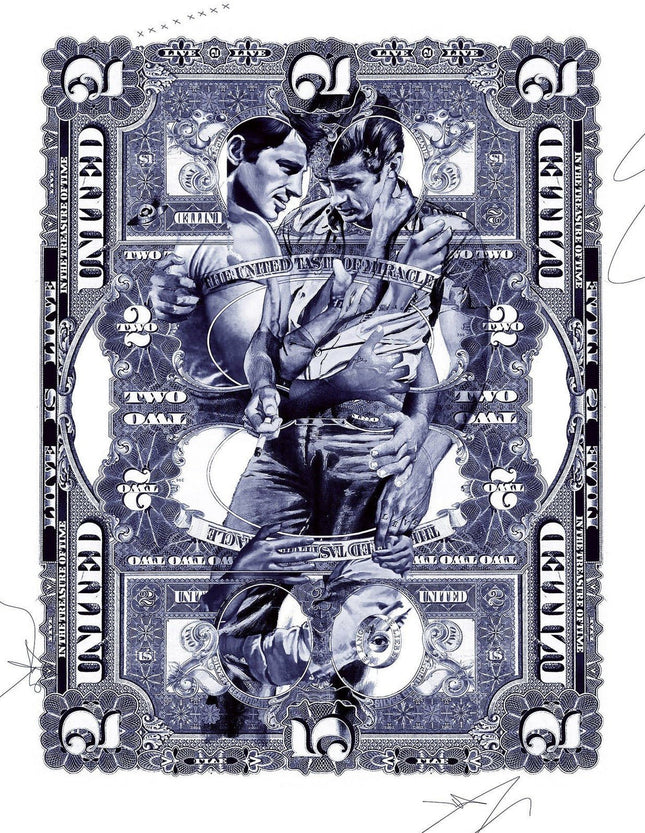
    In The Treasure of Time- Blue Artwork Giclee Limited Edition Print on 315 gsm Etching Cotton Rag Paper by Pop Culture Graffiti Artist Handiedan. 2021 Signed & Numbered Blue variant. Art print giclée With Augmented Reality 315 gsm Etching Cotton Rag 16.5" x 21.25” / 42 x 54 cm Signed & Numbered Hot Wax Seal Stamped Edition: 25 2021. AR Augmented Reality: https://vimeo.com/518617123  Uses the Artivive App In The Treasure of Time – Blue Edition by Handiedan in Street Pop Art & Graffiti Artwork In The Treasure of Time – Blue is a 2021 limited edition giclée print by Dutch artist Handiedan, known for her intricate compositions blending vintage aesthetics with modern symbolism. This blue variant, sized at 16.5 x 21.25 inches and printed on 315 gsm etching cotton rag paper, features detailed visual layers that merge currency design, figurative collage, and classical romanticism. Released in an edition of only 25, each print is signed, numbered, hot wax seal stamped, and enhanced with augmented reality components that expand the viewer’s experience beyond the physical print. Handiedan’s work sits at the intersection of baroque complexity and street art composition, reworking monetary iconography and ornamental design into statements on value, identity, and the feminine form. Conceptual Depth Through Currency and Composition In The Treasure of Time – Blue centers around a reimagined banknote structure, loaded with allegorical and emotional symbolism. Two male figures occupy the center, engaged in an intimate yet ambiguous exchange that could suggest conflict, desire, or internal struggle. Their interaction is surrounded by decorative scrollwork, numerical references, and repeated motifs found in vintage currency design. The title of the piece, embedded in the ornate frame, speaks to the theme of time as both asset and illusion. Handiedan plays with classical portraiture and banknote aesthetics to critique the commodification of identity and emotion. The figures, though highly rendered, exist within a symbolic frame that suggests they are caught in cycles of value, ownership, and visual consumption. Blue Tone and the Role of Repetition in Street Pop Art The blue color variant is not simply a palette change but an emotional recalibration. The cooler tones evoke a sense of nostalgia and emotional distance, allowing viewers to experience the work with a slower, more contemplative gaze. The layering of ornate elements—frames, flourishes, and mirrored figures—creates a visual rhythm that mimics both street poster layering and vintage engraving. Repetition in Handiedan’s work functions both decoratively and philosophically, emphasizing cycles of power, attraction, and historical amnesia. Her manipulation of symmetry and pattern transforms elements of money and mass production into works of emotive and spiritual inquiry. This approach reflects the ethos of Street Pop Art & Graffiti Artwork, where subversion often hides beneath beauty. Technical Craft and Augmented Reality Integration Printed on high-quality 315 gsm etching cotton rag using giclée methods, the texture and richness of In The Treasure of Time – Blue speaks to Handiedan’s precision and material awareness. The hot wax seal and hand-signature reinforce the tactile, one-of-a-kind nature of each print in the edition of 25. What sets this piece apart is its integration of augmented reality, allowing digital interactions to expand the narrative. Through this technology, the viewer can access additional visual layers, animations, or symbolic references that enhance the meaning without distracting from the analog artwork. This fusion of traditional printing with digital experience situates Handiedan’s work at the forefront of modern Street Pop Art & Graffiti Artwork, where physical and virtual mediums coalesce to deepen artistic storytelling. In The Treasure of Time – Blue is not just a portrait or collage but a layered artifact of power, memory, and visual meditation.

    $533.00

  • In The Treasure of Time Giclee Print by Handiedan

    Handiedan In The Treasure of Time Giclee Print by Handiedan

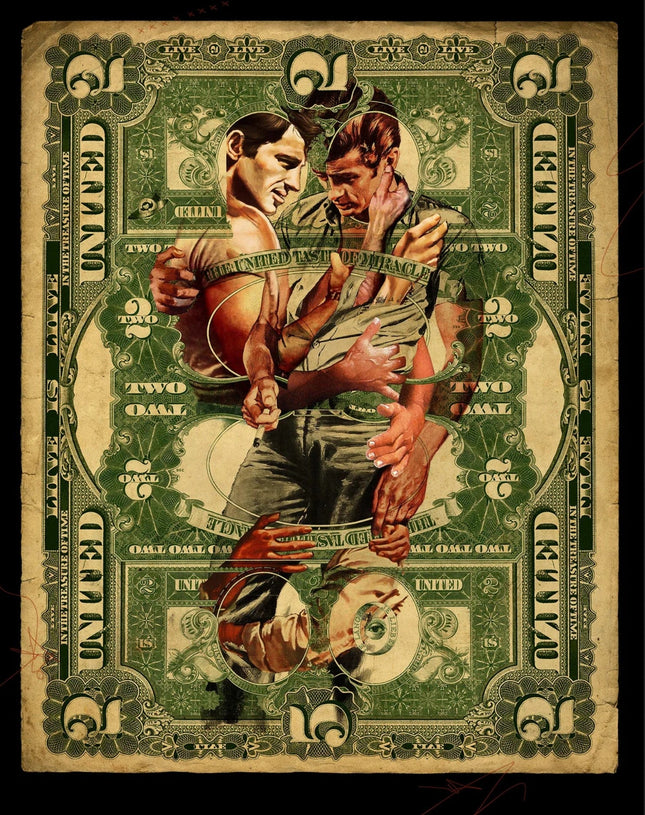
    In The Treasure of Time Artwork Giclee Limited Edition Print on 315 gsm Etching Cotton Rag Paper by Pop Culture Graffiti Artist Handiedan. 2020 Signed & Numbered Art print giclée With Augmented Reality 315 gsm Etching Cotton Rag 16.5" x 21.25” / 42 x 54 cm Signed & Numbered Hot Wax Seal Stamped Edition: 55 . AR Augmented Reality: https://vimeo.com/518617123 Uses the Artivive App

    $352.00

Money & Cash

Money & Cash has been a popular topic in graffiti street art for many years. It is often used as a symbol of power, wealth, and corruption in society. Graffiti artists may use images of currency, such as dollar bills or coins, to comment on the influence of money in politics, economics, and culture. One common theme in money-related graffiti is the concept of greed. Artists may use images of fat cats or pigs with money bags to criticize those who accumulate wealth at the expense of others. Graffiti artists may also use images of dollar bills with slogans like "Money Talks" or "Cash Rules Everything" to comment on the ways in which money influences people's behavior and values. In addition to critiquing the negative aspects of money, graffiti artists may also use money-related imagery to celebrate the positive aspects of wealth and success. For example, they may create images of successful entrepreneurs or athletes who have made a significant impact on their communities. Overall, money as a topic in graffiti street art can be used to reflect on the complex and multifaceted ways in which money shapes our world. The cash sign ($) is a popular symbol used in graffiti, street art, and pop art to convey various messages related to money, power, and status. In graffiti, the cash sign is often used as a tag or signature by street artists to mark their work and gain recognition in the community. It may also be used to convey messages about wealth and consumer culture, as well as social and economic inequality. In pop art, the cash sign is frequently used as a motif to comment on the commercialization of art and society. Artists may incorporate the symbol into their work to explore themes of greed, materialism, and the commodification of culture. The use of the cash sign in graffiti, street art, and pop art reflects a complex relationship between money, power, and artistic expression in contemporary culture. ash plays a significant role in both Graffiti Art and Pop Art, although in different ways. Graffiti Art is often associated with street culture and urban environments, and it emerged as a form of rebellion against societal norms and authority. In its early days, Graffiti Art was primarily created by young people who had limited financial means and used cheap spray cans and markers to create their art. However, as Graffiti Art gained popularity and recognition, some artists began to monetize their work through commissioned pieces, selling prints, or even opening their galleries. While the commercialization of Graffiti Art has led to some controversy within the art community, it has also allowed some artists to earn a living from their work. Some of the most famous Graffiti Artists, such as Banksy and Shepard Fairey, have achieved mainstream success, with their works selling for millions of dollars. In contrast, Pop Art emerged in the 1950s and 1960s as a response to consumer culture and the increasing commercialization of art. Pop Artists such as Andy Warhol, Roy Lichtenstein, and Claes Oldenburg often incorporated images of everyday consumer objects and mass-produced items into their artwork, highlighting the pervasive influence of consumer culture on American society. The irony of Pop Art is that while it critiques consumer culture, it also celebrates it, and many Pop Artists became successful commercial artists themselves. Warhol, for example, famously declared that "Making money is art, and working is art, and good business is the best art." His prints and other works continue to sell for high prices today. While Graffiti Art emerged as a form of rebellion against authority, it has also become a commercialized art form that allows some artists to earn a living. In contrast, Pop Art critiques consumer culture while celebrating it, and many Pop Artists have themselves become successful commercial artists.

Footer image

© 2025 Sprayed Paint Art Collection,

    • Amazon
    • American Express
    • Apple Pay
    • Bancontact
    • Diners Club
    • Discover
    • Google Pay
    • iDEAL
    • Mastercard
    • PayPal
    • Shop Pay
    • Visa

    Login

    Forgot your password?

    Don't have an account yet?
    Create account