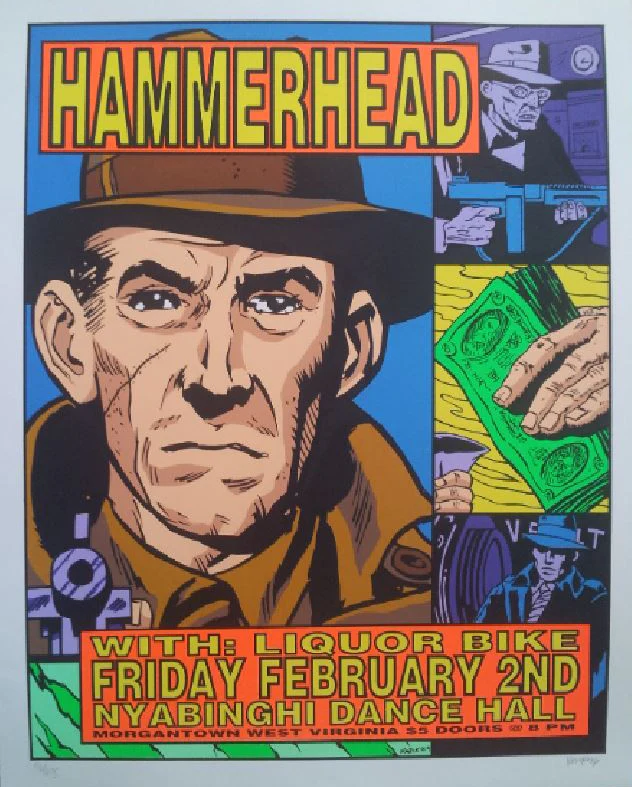

Money & Cash has been a popular topic in graffiti street art for many years. It is often used as a symbol of power, wealth, and corruption in society. Graffiti artists may use images of currency, such as dollar bills or coins, to comment on the influence of money in politics, economics, and culture. One common theme in money-related graffiti is the concept of greed. Artists may use images of fat cats or pigs with money bags to criticize those who accumulate wealth at the expense of others. Graffiti artists may also use images of dollar bills with slogans like "Money Talks" or "Cash Rules Everything" to comment on the ways in which money influences people's behavior and values. In addition to critiquing the negative aspects of money, graffiti artists may also use money-related imagery to celebrate the positive aspects of wealth and success. For example, they may create images of successful entrepreneurs or athletes who have made a significant impact on their communities. Overall, money as a topic in graffiti street art can be used to reflect on the complex and multifaceted ways in which money shapes our world. The cash sign ($) is a popular symbol used in graffiti, street art, and pop art to convey various messages related to money, power, and status. In graffiti, the cash sign is often used as a tag or signature by street artists to mark their work and gain recognition in the community. It may also be used to convey messages about wealth and consumer culture, as well as social and economic inequality. In pop art, the cash sign is frequently used as a motif to comment on the commercialization of art and society. Artists may incorporate the symbol into their work to explore themes of greed, materialism, and the commodification of culture. The use of the cash sign in graffiti, street art, and pop art reflects a complex relationship between money, power, and artistic expression in contemporary culture. ash plays a significant role in both Graffiti Art and Pop Art, although in different ways. Graffiti Art is often associated with street culture and urban environments, and it emerged as a form of rebellion against societal norms and authority. In its early days, Graffiti Art was primarily created by young people who had limited financial means and used cheap spray cans and markers to create their art. However, as Graffiti Art gained popularity and recognition, some artists began to monetize their work through commissioned pieces, selling prints, or even opening their galleries. While the commercialization of Graffiti Art has led to some controversy within the art community, it has also allowed some artists to earn a living from their work. Some of the most famous Graffiti Artists, such as Banksy and Shepard Fairey, have achieved mainstream success, with their works selling for millions of dollars. In contrast, Pop Art emerged in the 1950s and 1960s as a response to consumer culture and the increasing commercialization of art. Pop Artists such as Andy Warhol, Roy Lichtenstein, and Claes Oldenburg often incorporated images of everyday consumer objects and mass-produced items into their artwork, highlighting the pervasive influence of consumer culture on American society. The irony of Pop Art is that while it critiques consumer culture, it also celebrates it, and many Pop Artists became successful commercial artists themselves. Warhol, for example, famously declared that "Making money is art, and working is art, and good business is the best art." His prints and other works continue to sell for high prices today. While Graffiti Art emerged as a form of rebellion against authority, it has also become a commercialized art form that allows some artists to earn a living. In contrast, Pop Art critiques consumer culture while celebrating it, and many Pop Artists have themselves become successful commercial artists.