Monkey Ape

2 artworks

  • Waste of Space Archival Print by Joe Ledbetter

    Joe Ledbetter Waste of Space Archival Print by Joe Ledbetter

    Waste of Space Archival Print by Joe Ledbetter Limited Edition on Fine Art Paper Pop Graffiti Street Artist Modern Artwork. 2007 Signed & Numbered Print Limited Edition of 125 Artwork Size 16x25 Archival Pigment Fine Art  Waste of Space Archival Print by Joe Ledbetter – Limited Edition Street Pop Art & Graffiti Artwork Joe Ledbetter, a renowned figure in Street Pop Art & Graffiti Artwork, presents Waste of Space, a striking archival pigment fine art print that encapsulates his distinctive aesthetic. Released in 2007 as a signed and numbered limited edition of 125, this 16x25-inch print is a standout piece within his body of work. The composition features a melancholic yet expressive monkey slouched on a tattered couch, surrounded by remnants of a seemingly wasted existence—discarded drinks, empty snack containers, a video game controller, and an overall atmosphere of stagnation. The use of a monochromatic blue palette intensifies the emotional weight of the piece, reinforcing themes of isolation, apathy, and introspection. Ledbetter’s signature cartoon-influenced linework adds a playful contrast to the otherwise somber subject matter. The exaggerated features of the monkey, particularly its large, expressive eyes and slumped posture, evoke a sense of both humor and sadness, a balance that defines much of Ledbetter’s work in Street Pop Art & Graffiti Artwork. Joe Ledbetter’s Influence in Street Pop Art & Graffiti Artwork Joe Ledbetter has established himself as a key artist within contemporary Street Pop Art & Graffiti Artwork, blending influences from classic animation, vinyl toy culture, and traditional graffiti techniques. His bold use of thick outlines, clean yet dynamic compositions, and surreal anthropomorphic characters set his work apart. Ledbetter’s art often features animals depicted in exaggerated, almost tragicomic situations, using humor and satire to explore themes of existentialism, consumerism, and modern alienation. His artistic background in both graphic design and fine art contributes to his ability to create compositions that feel both structured and spontaneous. His work has been featured in galleries worldwide, yet it maintains the raw energy and accessibility associated with graffiti and street art. The storytelling elements in his pieces often elevate them beyond mere illustration, making them resonate deeply with collectors and fans of modern pop culture. Waste of Space – A Reflection on Modern Life Waste of Space is a visually compelling critique of modern leisure culture, portraying a character trapped in self-inflicted inertia. The scattered objects in the scene—video games, alcohol, junk food—serve as symbols of both indulgence and escapism. The title itself adds another layer of interpretation, forcing the viewer to consider whether the piece is a self-reflection or a broader social commentary. The background’s splattered textures and sketch-like details reinforce the graffiti influences within the artwork, maintaining a sense of urban grit despite its polished execution. The contrast between Ledbetter’s smooth, refined lines and the chaotic composition of the environment suggests an internal struggle between control and disorder. The choice of blue tones creates an almost melancholic atmosphere, making the piece feel introspective rather than purely humorous. The Lasting Impact of Waste of Space in Contemporary Art Joe Ledbetter continues to be an influential voice in Street Pop Art & Graffiti Artwork, pushing boundaries by merging fine art techniques with pop surrealism. Waste of Space remains one of his most memorable works due to its relatability and emotional depth. The combination of social critique, satirical humor, and an unmistakable artistic style ensures that this piece remains relevant even years after its initial release. This limited edition print serves as a powerful statement on modern existence, capturing the tension between comfort and complacency, self-indulgence and self-destruction. The artwork’s ability to engage audiences on multiple levels—whether as a visually engaging pop art piece or as a more profound commentary on contemporary life—solidifies its place as an important work within Street Pop Art & Graffiti Artwork. Through meticulous craftsmanship and an unflinching artistic vision, Ledbetter continues to challenge perceptions and inspire both collectors and fellow artists.

    $356.00

  • The Artist Unconscious Mind Self-Portrait Print by Turf One Jean LaBourdette

    Turf One- Jean LaBourdette The Artist Unconscious Mind Self-Portrait Print by Turf One Jean LaBourdette

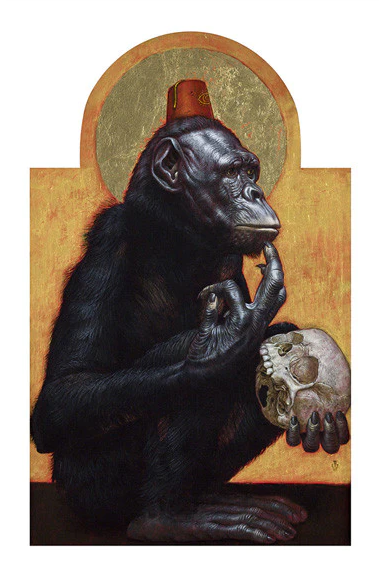
    The Artist's Unconscious Mind(Self-Portrait Digital Ultrachrome Giclee Print by Turf One- Jean LaBourdette Artwork Limited Edition Print on Photo Rag Hahnemühle Fine Art Paper Graffiti Pop Street Artist. 2010 Signed & Numbered Limited Edition of 50 Artwork Size 16x24 The Artist's Unconscious Mind: A Glimpse into Turf One's Psyche "The Artist's Unconscious Mind (Self-Portrait)" is a digital ultra-chrome giclée print by Jean LaBourdette, known in the art world as Turf One. This limited edition print, released in 2010 with only 50 signed and numbered copies, is a quintessential example of his foray into street pop art and graffiti artwork. The artwork size of 16x24 inches, printed on Photo Rag Hahnemühle fine art paper, is a testament to Turf One's commitment to quality and his respect for the craft of fine art printing. Symbolism and Technique in Turf One's Giclée Print The piece stands out for its symbolic complexity and meticulous detail, common threads in Turf One's artwork. The choice of a chimpanzee wearing a fez and contemplating a human skull is evocative of the classical theme of 'vanitas,' touching upon the transient nature of life and the pursuit of knowledge. This recurring motif in art history, most famously depicted in Holbein's "The Ambassadors," is given new life and meaning in Turf One's contemporary interpretation. The use of ultra-chrome, a modern printing technique known for its color accuracy and longevity, bridges the gap between traditional fine art mediums and the digital age. This method allows the depth and nuance of Turf One's original paintings to be captured with high fidelity, making the prints true to the artist's vision. Intersecting Street Art and Traditional Imagery Turf One's work often intersects the gritty reality of street art with the intricate and symbolic nature of traditional imagery. "The Artist's Unconscious Mind" is no exception. It offers a commentary on the artist's internal dialogue and the intersection of animalistic instincts with the intellectual pursuit of self-awareness. By juxtaposing the primitive with the enlightened, Turf One presents a tableau ripe for interpretation and reflection. The fez, often associated with Eastern mysticism and philosophy, suggests a connection between wisdom and the primal aspects of our nature. The chimpanzee's human-like pose and contemplative gaze bring forth a sense of kinship with the animal kingdom, a subtle nod to the evolutionary aspects of human consciousness and artistry. The Influence of Street Pop Art on Turf One's Expression In "The Artist's Unconscious Mind," Turf One incorporates the immediacy and rawness often associated with street pop art and graffiti artwork. The fine art paper chosen for the print adds a tactile quality that echoes the texture of walls that serve as canvases in the street art world. Even as a print, the artwork carries the weight and presence of a piece that could adorn an urban landscape, bringing the reflective nature of fine art to the public sphere. Turf One's approach to street art is not about vandalism or territory marking but a deeper exploration of personal and collective identity. His work transcends the typical boundaries of street art, challenging viewers to consider the profound questions of existence and self, all while maintaining a connection to the urban roots of his medium. Collectibility and Impact of Turf One's Limited Edition Prints The collectibility of "The Artist's Unconscious Mind" is heightened by its limited run, making each print a coveted piece for collectors and admirers of Turf One's work. The scarcity of the prints ensures that each piece remains a treasured artifact of the artist's exploration into the depths of the unconscious mind. Like many limited editions, this artwork is more than just a representation of Turf One's artistic talent; it is a vessel for the ideas and themes that permeate his body of work. The print is a physical manifestation of the dialogue between the artist and the audience, a dialogue that continues evolving with each viewing. Reflecting on Turf One's Artistic Journey "The Artist's Unconscious Mind (Self-Portrait)" encapsulates Turf One's journey through street pop art and fine art printing. The print is a mirror reflecting the dual nature of the artist's world - one foot in the raw, expressive world of graffiti and the other in the contemplative, reflective world of fine art. This piece is a testament to the enduring power of art to convey complex ideas and emotions, regardless of the medium. As such, it is a significant work within Turf One's oeuvre, embodying the essence of his artistic spirit and the transformative potential of street pop art.

    $380.00

Monkey Ape

Monkeys have been a popular subject in graffiti street pop art for many years. They are often used as a symbol of mischief, playfulness, and freedom, and can be seen in a variety of different styles and contexts. One of the most famous monkey images in graffiti street pop art is the "throw up" style monkey, which features a stylized monkey character with exaggerated features and bright colors. This style is often used to create large-scale murals on buildings and other urban surfaces, and can be seen in cities all around the world. Another popular style of monkey graffiti street pop art is the "monkey tag," which features a monkey character with a signature tag or logo. This style is often used by individual graffiti artists as a way to establish their own personal brand or identity within the graffiti community. In addition to these traditional styles, monkeys can also be seen in more abstract and experimental forms of graffiti street pop art. For example, some artists use monkeys as a way to explore themes of human nature, social commentary, and political satire. Overall, monkeys have become a beloved and recognizable symbol in graffiti street pop art, representing everything from playful rebellion to deeper philosophical ideas. Whether created by individual artists or part of larger graffiti crews, monkey graffiti is a vibrant and important part of the urban art landscape.

Footer image

© 2025 Sprayed Paint Art Collection,

    • Amazon
    • American Express
    • Apple Pay
    • Bancontact
    • Diners Club
    • Discover
    • Google Pay
    • iDEAL
    • Mastercard
    • PayPal
    • Shop Pay
    • Visa

    Login

    Forgot your password?

    Don't have an account yet?
    Create account