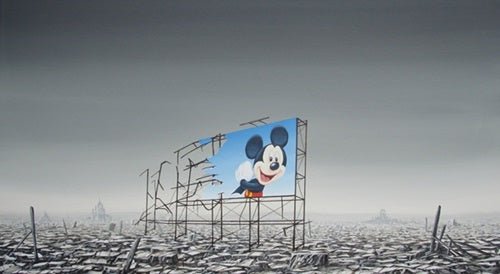

Graffiti art and street art have long been celebrated for their ability to give voice to the voiceless, and their ability to provoke thought and conversation. One topic that has been explored extensively in both graffiti art prints and street art prints is that of nuclear power and weaponry, colloquially referred to as "nukes." This topic has remained relevant and resonant with artists and audiences alike, as nuclear technology continues to shape global politics, environmental concerns, and social anxieties. As such, a wide range of perspectives on nuclear energy and weaponry can be found in this art, illustrating the complexity and nuance of the issue at hand. Graffiti artists have been known to use their craft to convey strong messages related to nuclear power, both in support and in opposition to its use. Some artists focus on the potential benefits of nuclear power, highlighting its ability to provide clean and efficient energy that could revolutionize the world's energy infrastructure. These artworks often feature symbols of progress and innovation, with imagery of glowing atoms and futuristic cityscapes. In these pieces, the artists convey a sense of optimism and hope for a brighter, cleaner future through the adoption of nuclear energy. On the other hand, many graffiti and street art prints explore the darker aspects of nuclear power, focusing on the dangers posed by nuclear weaponry and the potential for catastrophic accidents at nuclear power plants. These works often incorporate powerful images of destruction, such as mushroom clouds, radioactive symbols, and scenes of devastation. The artwork aims to create a sense of urgency and caution in the viewer, stressing the need for responsible and informed decision-making when it comes to the use and proliferation of nuclear technology. One of the most powerful and evocative themes in graffiti and street art prints that tackle the subject of nukes is the concept of mutually assured destruction (MAD). Artists who incorporate this idea into their work aim to emphasize the inherent danger and ultimate futility of the arms race, pointing out that the escalation of nuclear weapon capabilities by one nation only serves to spur other nations to follow suit. This often results in a tense and precarious global balance, with each nation's security resting on the assurance that launching a nuclear attack would be suicidal due to the inevitable retaliation from others. Such works of art typically depict scenes of desolation, emphasizing the horrific consequences of nuclear war and the potential annihilation of humanity. Furthermore, some artists choose to focus on the humanitarian and environmental consequences of nuclear power and weaponry, with an emphasis on the long-lasting effects of radiation on both people and ecosystems. These pieces often draw inspiration from the tragic events of Hiroshima, Nagasaki, Chernobyl, and Fukushima, illustrating the devastating consequences of nuclear accidents and the use of nuclear weapons. In these works, artists attempt to evoke empathy and compassion for the victims of such events and inspire viewers to reflect on the moral and ethical implications of utilizing nuclear technology. Graffiti art prints and street art prints offer a powerful and compelling means for exploring the complexities of nuclear power and weaponry. Through their varied approaches to this controversial subject matter, artists have the ability to convey a range of emotions and ideas, from optimism for a cleaner energy future to cautionary tales of destruction and devastation. By engaging with these works of art, viewers are encouraged to reflect on the immense power and responsibility that come with harnessing nuclear technology and consider the consequences of its use on both a global and human scale.