


Pearl Jam as Visual and Cultural Inspiration in Street Pop Art & Graffiti Artwork
Pearl Jam, the influential rock band formed in Seattle in 1990, has evolved far beyond its musical roots to become a recurring motif in Street Pop Art & Graffiti Artwork. Known for their powerful live performances, raw sound, and activist messaging, the band’s visual identity has organically seeped into contemporary art movements that examine mass culture, iconography, and rebellion. Their imagery, album art, and anti-commercial ethos have made them natural muses for street artists and pop surrealists who seek to merge political narrative with public-facing expression.
Iconography and Merch Culture in Artistic Reappropriation
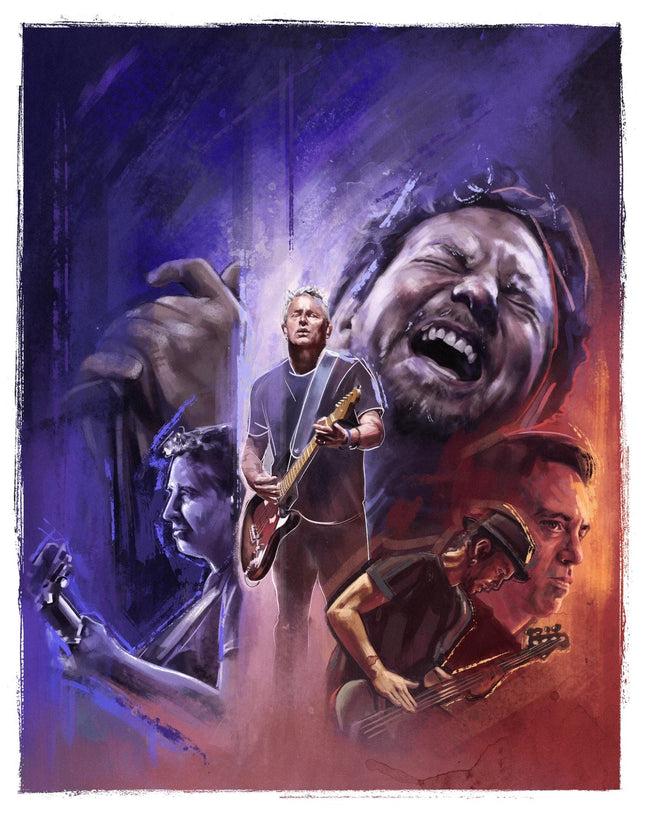
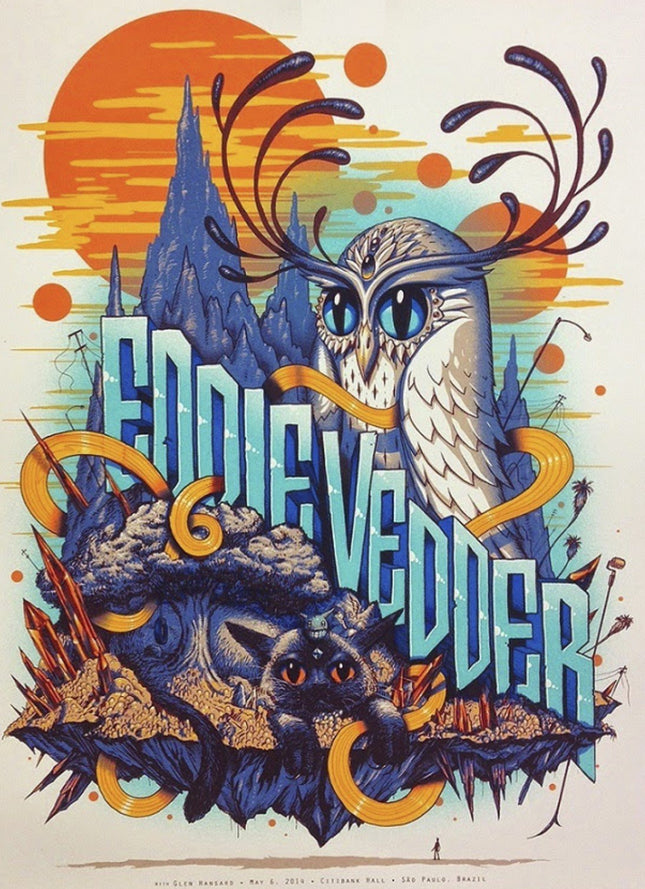
The band’s official concert posters, spanning decades of performances, have long functioned as art prints in their own right. Artists such as Ben Frost, Munk One, and Ames Bros have collaborated directly with the band, transforming gig posters into collectible screenprints and fine art pieces. These visuals frequently feature bold color palettes, socially charged symbolism, and surrealist storytelling—traits shared by many urban art genres. In Street Pop Art & Graffiti Artwork, Pearl Jam’s influence is not just heard, it is seen and reinterpreted through silkscreen prints, wheatpaste murals, and art toys bearing motifs inspired by the band’s iconography. From the stylized evolution of their stickman logo to posters reflecting themes of protest, environmentalism, and resistance, Pearl Jam has served as a wellspring for artistic reinterpretation. Artworks often capture the emotional urgency of Eddie Vedder’s lyrics, the grit of Mike McCready’s guitar work, and the unpolished edge that made them icons of the 1990s but kept them relevant through the decades. In these visual remixes, their influence crosses into the language of defiance that graffiti and pop street artists use to speak to their communities.
Street Art Themes Aligned with Pearl Jam’s Ethos
Artists working within Street Pop Art & Graffiti Artwork often align themselves with subversive ideas, anti-authoritarian stances, and cultural commentary. These same ideals are reflected in Pearl Jam’s own path—battles with corporate monopolies, vocal criticism of political establishments, and advocacy for Indigenous rights, voting access, and environmental sustainability. When artists incorporate Pearl Jam into their visual storytelling, they are not simply referencing a rock band. They are invoking a voice of resistance that has proven consistently authentic. From abandoned buildings to limited-edition fine art galleries, visual homages to Pearl Jam appear in stencil murals, mixed-media collages, and digital reinterpretations. Many feature lyrical references, abstract representations of stage energy, and portraits layered over decaying surfaces that mimic the sonic textures of the band’s early recordings. Pearl Jam’s cultural position is transformed into a language of visual resistance, much like how early punk zines used Xerox aesthetics to weaponize rawness and immediacy.
Band-Commissioned Visual Art as Fine Art Collectibles
Pearl Jam’s direct collaborations with artists for event posters have elevated this form of music memorabilia into the realm of fine art. The posters are not promotional detritus—they are signed, numbered, often screen-printed, and released in limited editions, making them highly collectible among fans and contemporary art collectors alike. These prints are not mass-market; they are art objects designed by some of the most talented illustrators, pop artists, and graffiti-rooted designers working today. Through these collaborations, Pearl Jam helps facilitate a fusion of music and art where the visual landscape is just as charged as the sonic. This synergy has placed Pearl Jam into the vocabulary of artists who do not merely depict, but reinterpret. In murals from São Paulo to Melbourne and prints traded in galleries and art fairs, the band has become a symbol—a sonic protest translated into graphic form. Through the lens of Street Pop Art & Graffiti Artwork, Pearl Jam’s visual narrative continues to evolve with each artist who uses their ethos as brushstroke, stencil, or silkscreen layer.