Pen Ink

2 artworks

  • Decycled Versace HPM Archival Print by Denial- Daniel Bombardier

    Denial- Daniel Bombardier Decycled Versace HPM Archival Print by Denial- Daniel Bombardier

    Decycled Versace Limited Edition Hand-Embellished HPM Archival Pigment Prints with Collage, Aerosol, Pencil, and Varnish Embellishments on Fine Art Paper by Denial Graffiti Street Artist Modern Pop Art. 2021 Signed Limited Edition Numbered & Custom Framed Archival Pigment Print with Collage, Aerosol, Pencil, and Varnish Embellishments Size: 17.8125 x 23.75 Inches Release: December 09, 2021 Run of: 15 Denial’s Decycled Versace: The Medicine of Branding in Contemporary Street Pop Art Denial’s Decycled Versace, released in 2021 as a hand-embellished archival pigment print, continues the artist’s sharp interrogation of brand worship, identity construction, and the seductive aesthetics of consumerism. Each edition in this 15-print run measures 17.8125 by 23.75 inches, uniquely altered with collage, aerosol, pencil, and varnish layers. Centered within a baroque gold frame, the work features a large, stylized capsule—branded with the iconic Versace Medusa head—set against a background of jagged patterns and fractured color fields. The capsule is marked 100MG, reinforcing its identity as both visual object and conceptual drug. Denial, also known as Daniel Bombardier, uses the pill as a central form throughout his Decycled series to comment on the addictive nature of status and the role luxury logos play in modern identity. By embedding the Versace logo inside the capsule, the work equates brand consumption with self-medication. The gesture is neither glorification nor condemnation—it is exposure. The logo becomes an ingredient, the dosage carefully calculated to deliver an emotional or social high. In this way, Decycled Versace critiques not only the brand but the cultural systems that elevate such symbols to near-mythological status. Visual Noise and Symbolic Disruption The background of Decycled Versace is composed of sharp diagonal slices, splatter textures, halftone fields, and expressive spray lines. These elements reference both traditional graffiti techniques and digital design aesthetics. The layering creates visual tension that denies stillness or easy resolution. Against this chaotic backdrop, the sleek and glowing pill shape appears almost sterile in contrast. The effect is disorienting but intentional—luxury, the work seems to suggest, thrives when placed above the messiness it claims to erase. The Medusa head, a long-standing Versace emblem tied to Greek mythology and themes of desire and danger, is reclaimed here as an icon of consumer hypnosis. Placed inside the pill, it becomes an object of internalization. Denial’s use of halftones and rough stenciling techniques further destabilizes the polished aura of the brand, reminding viewers that behind every clean logo is a constructed illusion. In the context of Street Pop Art & Graffiti Artwork, the work reclaims visual space from marketing systems and redistributes it as artistic critique. The Framed Illusion of Power and Permanence The ornate gold frame surrounding Decycled Versace plays a critical role in the piece’s messaging. Traditionally associated with classical portraiture and gallery sanctity, the frame lends artificial authority to the artwork. But that reverence is undercut by the content inside—messy, chaotic, ruptured. The pill format, designed to look sleek and scientific, floats inside this field like a sacred relic. The dissonance between material refinement and conceptual rebellion is where the piece gains its weight. Denial’s manipulation of the fine art object mirrors the dual lives of luxury brands, which often straddle the lines between exclusivity and mass visibility. Decycled Versace exists as both critique and artifact of the very system it exposes. By transforming brand logos into medicinal metaphors, Denial forces a reevaluation of how identity is consumed, and how branding operates as both symptom and cure in modern culture. Within the language of Street Pop Art & Graffiti Artwork, this piece functions not just as commentary but as a dose of visual clarity in a culture addicted to image.

    $2,500.00

  • Decycled Coach HPM Archival Print by Denial- Daniel Bombardier

    Denial- Daniel Bombardier Decycled Coach HPM Archival Print by Denial- Daniel Bombardier

    Decycled Coach Limited Edition Hand-Embellished HPM Archival Pigment Prints with Collage, Aerosol, Pencil, and Varnish Embellishments on Fine Art Paper by Denial Graffiti Street Artist Modern Pop Art. 2021 Signed Limited Edition Numbered & Custom Framed Archival Pigment Print with Collage, Aerosol, Pencil, and Varnish Embellishments Size: 17.8125 x 23.75 Inches Release: December 09, 2021 Run of: 4 Denial’s Decycled Coach: Pharmaceutical Luxury and Brand Disruption in Street Pop Art Denial’s Decycled Coach is a mixed-media archival pigment print that merges collage, aerosol, pencil, and varnish techniques into a hand-embellished visual attack on luxury branding. Released in 2021 as an extremely limited edition of only 4, each print is signed, numbered, and custom framed, measuring 17.8125 by 23.75 inches. At the center of the composition lies a stylized capsule—rendered in clean, glossy layers—branded with the Coach logo. Its form is both pharmaceutical and sculptural, set against a fragmented background of splattered paint, screenprint halftones, and broken gradients that suggest movement, chaos, and intentional vandalism. The pill, labeled 100MG, serves as a pointed metaphor. It reframes luxury as medication, treating identity, insecurity, and social status as symptoms to be relieved by consumption. This is not a critique from the outside; it is a surgical strike from within. Denial borrows from the brand’s own aesthetic language—its serifed typeface, equestrian motif, and minimal labeling—then disrupts it with gestures that belong to graffiti: sprayed arcs, color streaks, intentional imperfections. The capsule becomes a fetish object, reduced to something digestible, addictive, and ultimately disposable. Corporate Logos as Emotional Currency Denial’s recurring use of logos in his work is not about parody; it is about exposure. In Decycled Coach, the brand’s heritage and refinement are stripped of context and placed into an environment of instability. The work becomes an autopsy of commercial trust. Coach, like many fashion houses, trades on nostalgia, elegance, and aspirational identity. By embedding it within the shape of a pill, Denial questions what it means when a logo provides emotional relief. The suggestion is not subtle—brands function like medicine, numbing pain and offering belonging in exchange for loyalty. The background’s visual noise reinforces this dissonance. Torn patterns and abrupt texture shifts interrupt the central figure, refusing to let the viewer settle into comfort. A traditional ornate gold frame surrounds the chaos, an ironic nod to classical portraiture. It presents the artwork as something precious, even regal, despite its abrasive content. This friction between polish and resistance defines much of Denial’s work in Street Pop Art & Graffiti Artwork. Material Hybridity and Street-Informed Technique What makes Decycled Coach stand out is its physicality. Unlike digitally composed editions, this hand-embellished multiple incorporates real layers of texture through collage and varnish. Each print becomes a hybrid between printmaking and painting. The surface is manipulated with street-level tools—spray paint and pencil—suggesting the rapid, instinctual mark-making of graffiti writers. Yet the pill shape remains controlled and pristine, emphasizing the clash between authority and rebellion, product and protest. Denial, whose real name is Daniel Bombardier, continues to expand the vocabulary of Street Pop Art by interrogating how capitalist culture manufactures meaning. His art exists not just in critique, but in confrontation. Decycled Coach exemplifies this through its fearless dismantling of visual systems. The framed artwork becomes a mirror to modern consumer logic, where even rebellion can be bought, and where the cure to identity confusion is offered in branded, digestible doses.

    $2,500.00

Pen Ink
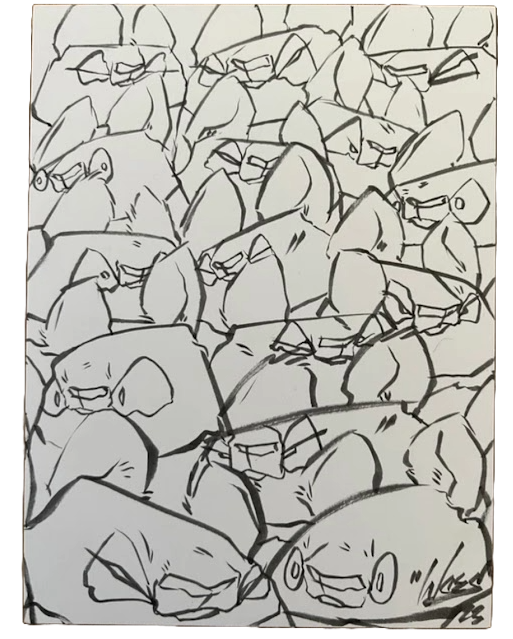
Pen ink, with its bold fluidity and definitive lines, has etched its presence deeply into the canvas of pop art, street art, and graffiti artwork. As a medium, it offers an unparalleled precision that artists have embraced to convey stark contrasts, fluid movements, and intricate details within their compositions.

Ink's Indelible Mark on Pop Art

Within the pop art movement, pen ink has been instrumental in creating images that pop off the page with clarity and sharpness. Artists like Andy Warhol used pen ink for its definitive qualities, which could easily translate into the silkscreen prints that became his signature. The use of pen ink in pop art allowed for a clean transfer of ideas from sketches to final pieces, ensuring that the bold message of the art remained intact.

Street Art's Fluid Lines and Dynamic Forms

Street art narratives thrive on the dynamic forms that pen ink can produce. Artists often sketch their ideas in ink before they hit the walls, using the medium's fluidity to plan out the expansive murals seen in urban landscapes. The permanence of ink symbolizes the messages street artists wish to convey – messages meant to last, resist, and provoke thought.

The Precision of Pen Ink in Graffiti Art

Graffiti artists have a unique relationship with pen ink, using it to draft designs that will later be scaled up to monumental proportions. The precision that pen ink affords is invaluable in creating the intricate lettering styles synonymous with graffiti. This precision is also evident in the delicate linework in the throw-ups and pieces that adorn cityscapes, showcasing the artist's steady hand and control over the medium.

Pen Ink in Contemporary Artistic Practices

In contemporary street pop art and graffiti, pen ink continues to be a favored medium for both its aesthetic qualities and practical applications. Artists lean on its reliability to create artworks that can withstand the elements displayed in public spaces or maintain their integrity when shown in galleries. The resilience of pen ink is a metaphor for the street and pop artists' commitment to their craft and message. It's a medium that bridges the gap between the initial burst of creative inspiration and the long-lasting impact of the artwork itself. Whether in the notebooks of budding artists or on the walls of international art exhibitions, pen ink is an essential tool in the artist's kit, revered for its ability to bring the vigor and vision of street pop art and graffiti to life.
Footer image

© 2025 Sprayed Paint Art Collection,

    • Amazon
    • American Express
    • Apple Pay
    • Bancontact
    • Diners Club
    • Discover
    • Google Pay
    • iDEAL
    • Mastercard
    • PayPal
    • Shop Pay
    • Visa

    Login

    Forgot your password?

    Don't have an account yet?
    Create account