Pharmaceutical

1 artwork

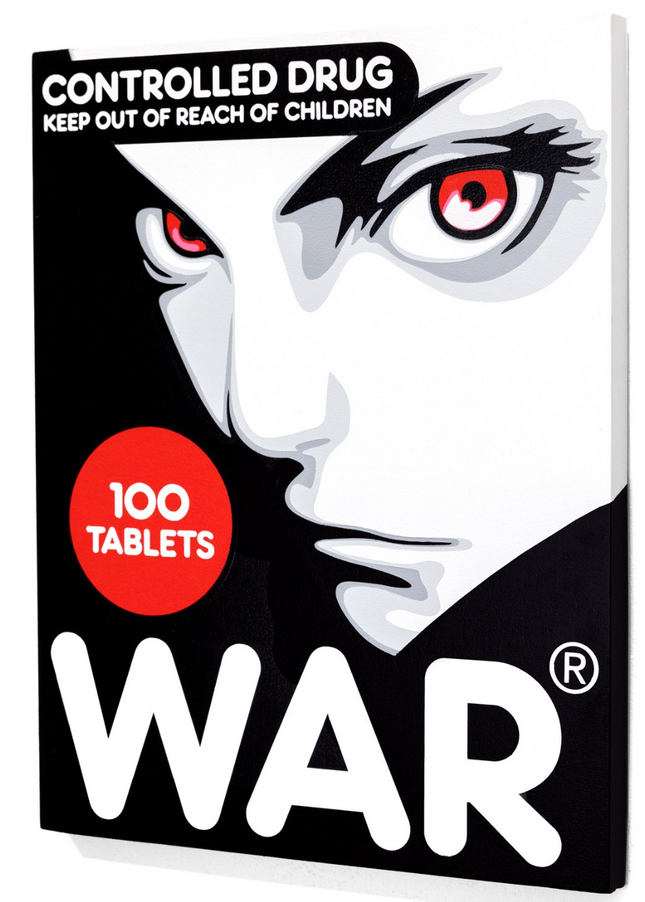
  • War 100 Tablets AP HPM Stencil on Board by Ben Frost

    Ben Frost War 100 Tablets AP HPM Stencil on Board by Ben Frost

    War 100 Tablets AP HPM Stencil on Board by Ben Frost Hand-Painted Multiple Panel Graffiti Street Artist Modern Pop Art. AP Artist Proof 2023 Signed & Marked AP HPM Spray Paint & Acrylic Print Artwork Size 11x14 (Total Run of 10 + 2AP) Ben Frost's Artistic Commentary The "War 100 Tablets AP HPM Stencil on Board" by Ben Frost is a provocative piece that epitomizes modern pop art's daring and often subversive nature. Created as a hand-painted multiple (HPM) and a part of a limited edition series, this work reflects the artist's critical eye on societal issues, employing a combination of stencil artistry, spray paint, and acrylic techniques to render his vision on an 11x14 inch board. Frost's piece is bold in its aesthetic and message, immediately capturing attention with the stark contrast of the black and white imagery juxtaposed with the striking red accents. The presence of the word "WAR" in capital letters alongside the words "CONTROLLED DRUG" and "KEEP OUT OF REACH OF CHILDREN" suggests a powerful commentary on the nature of conflict and the pharmaceutical industry's role in society. As an Artist Proof (AP) in 2023, it is marked distinct from the total run of 10 with an additional 2 APs, signifying its rarity and the artist's direct involvement in its creation. Techniques and Style Frost is renowned for his street pop art and graffiti artwork, which often utilizes the visual language of advertising and consumerism to explore deeper themes. The "War 100 Tablets" is a clear example of this, as it mimics the look of a medication box, suggesting that war is being 'sold' to the public much like any over-the-counter drug. The stencil technique used by Frost is a hallmark of street art, allowing for sharp, precise lines often associated with mass-produced items, further emphasizing the piece's commentary on commercialism. The artist's use of spray paint and acrylic lends the work a textured, layered look characteristic of graffiti art. This blend of materials and techniques is a deliberate choice by Frost to blur the lines between high art and street art, creating a piece that is accessible yet complex, with a finish that invites closer inspection. Cultural Impact and Collectibility Frost's "War 100 Tablets" is a visually striking piece and a collectible item within the art community. The limited number of panels produced, coupled with the hand-painted aspect, ensures that each piece within the series is unique. The AP designation indicates that the artist kept this piece as proof, marking it as an essential part of the edition's history. Collectors and enthusiasts of street pop art and graffiti artwork are often drawn to such pieces for their cultural relevance, investment potential, and as a means of supporting the arts. Frost's wWithical edge and contemporary style appeal to Frost's work to those looking to own art that speaks to the zeitgeist of the current era. Legacy and Influence Ben Frost's work, including "War 100 Tablets," contributes to the ongoing dialogue about the intersection of art, commerce, and social issues. By bringing the techniques and styles of street art into a fine art context, he challenges preconceived notions about the value and message of graffiti and street pop art. The artist's signature on the piece is a testament to its authenticity and his reputation in the art world, ensuring that it will remain a significant work for years to come. The "War 100 Tablets AP HPM Stencil on Board" by Ben Frost is a poignant critique of modern society, utilizing the visual strategies of street pop art and graffiti artwork to engage with contemporary issues. Its creation as a hand-painted multiple adds to its exclusivity and allure, marking it as a significant piece within the modern pop art movement and a valuable collector's item. Frost's astute blend of accessible art forms with nuanced social commentary ensures his work remains relevant and thought-provoking, inviting viewers to question and contemplate the world around them.

    $1,898.00

Pharmaceutical Graffiti Street Pop Art

Pharmaceuticals as Subject Matter in Street Pop Art & Graffiti Artwork

Pharmaceutical imagery has become a powerful and persistent theme in Street Pop Art & Graffiti Artwork, serving as both aesthetic symbol and cultural critique. Artists working within this genre frequently use pills, prescription bottles, blister packs, and pharmaceutical branding to explore themes of dependency, consumerism, mental health, and systemic control. These visuals tap into a shared cultural language, where medication is not only a means of healing but also a symbol of confinement, numbing, and commodification. The use of pharmaceutical elements in art allows creators to confront uncomfortable truths about how society copes with emotional pain and how pharmaceutical industries profit from that struggle. Artists like Ben Frost and Luke Chueh have become synonymous with this visual dialogue, creating works that simultaneously allure with clean design and unsettle with their underlying meaning.

The Symbolic Weight of Prescription Iconography

The recurring presence of pills and medicine bottles in Street Pop Art & Graffiti Artwork underscores the tension between relief and repression. These symbols act as entry points for conversations around mental health, trauma, and addiction. Prescription drugs like Xanax, Vicodin, Oxycontin, and Adderall are not just names in this context—they are cultural references, shorthand for complex emotional and societal issues. In a world where mental health is increasingly addressed through chemical intervention, these items become metaphors for invisible pain and institutional dependency. Street and pop artists distort, replicate, and reframe these symbols to expose how deeply they are embedded in everyday life. The colorful aesthetics of pills contrast with the often dark realities of what they represent, creating a visual dissonance that fuels the emotional power of these works.

Emotional and Social Commentary Through Pop Visual Language

The incorporation of pharmaceutical themes in this type of artwork often reflects a broader commentary on capitalism and self-medication. By reinterpreting over-the-counter packaging or prescription labels, artists question the commercialization of healing and the cultural normalization of medicating psychological discomfort. The bright and accessible visual language of pop art allows these critiques to reach wide audiences, while the rebellious energy of graffiti maintains the urgency and rawness of the message. Figures like Luke Chueh use minimal, emotionally potent characters to portray internal suffering, while others like Ben Frost overlay cartoon imagery with drug branding to examine the psychological friction between comfort and control. This duality is what defines Street Pop Art & Graffiti Artwork—it makes complex topics visually engaging while maintaining their conceptual gravity.

Pharmaceutical Aesthetics as a Mirror of Contemporary Life

As pharmaceutical culture becomes increasingly visible and politicized, artists continue to use it as a tool for reflection. Street Pop Art & Graffiti Artwork turns medication into a visual mirror, reflecting back the ways in which society prescribes not just drugs but identities, behaviors, and acceptable emotional responses. The aesthetic of clean pill bottles and clinical labels is subverted and recontextualized into a critique of conformity, silence, and emotional control. These artworks do not celebrate pharmaceuticals, nor do they purely condemn them. Instead, they frame them within the chaos of modern life—where pills are both lifelines and shackles. Through this lens, pharmaceutical symbols evolve from functional design into vessels of cultural meaning, loaded with commentary about pain, power, and the fragile boundaries between healing and harm.

Footer image

© 2025 Sprayed Paint Art Collection,

    • Amazon
    • American Express
    • Apple Pay
    • Bancontact
    • Diners Club
    • Discover
    • Google Pay
    • iDEAL
    • Mastercard
    • PayPal
    • Shop Pay
    • Visa

    Login

    Forgot your password?

    Don't have an account yet?
    Create account