Plush & Stuffed Animal

1 artwork

  • War Child Silkscreen Print by Hijack

    Hijack War Child Silkscreen Print by Hijack

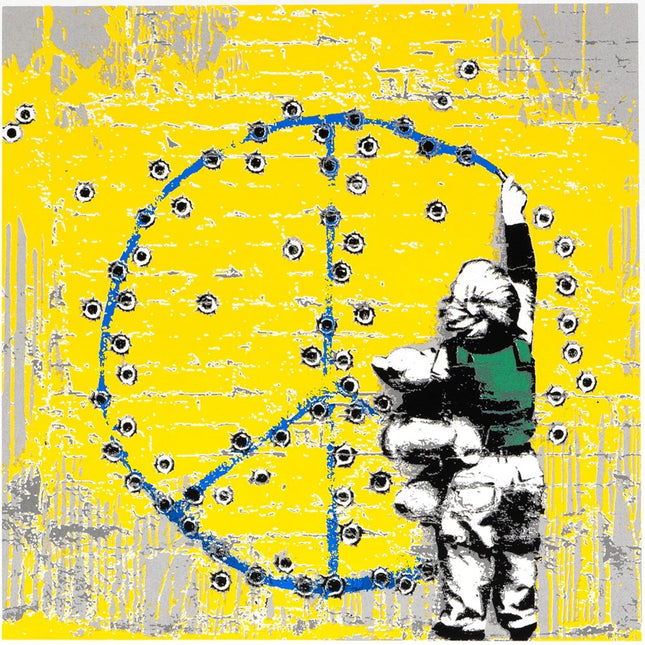
    War Child 5-Color Hand-Pulled Limited Edition Silkscreen Print on Fine Art Paper by Hijack Rare Street Art Famous Pop Artwork Artist. 2022 Signed Edition of 75 16x16 Ukraine War Protest Print. "When adults wage war, children suffer." War Child by Hijack: A Powerful Statement in Street Pop Art & Graffiti Artwork The War Child silkscreen print by Hijack is a striking piece of street pop art & graffiti artwork, using a five-color hand-pulled technique to create a bold and emotionally charged image. Released in 2022, this signed, limited edition print of 75 captures the devastating impact of war through the lens of innocence. Measuring 16x16 inches, this fine art print is a direct protest against the war in Ukraine, highlighting the suffering endured by children in conflict zones. Symbolism and Message Behind War Child Hijack’s artwork is known for its ability to communicate strong social and political messages, often using stenciled imagery reminiscent of early graffiti movements. In War Child, a young girl stands before a bullet-riddled wall, drawing a peace symbol with what appears to be the holes left by gunfire. The choice of a bright yellow background contrasts with the dark imagery, making the scene both visually arresting and emotionally powerful. The child clutches a stuffed teddy bear, a universal symbol of childhood, emphasizing innocence and vulnerability amidst destruction. This print echoes a fundamental reality of war—the youngest and most innocent suffer the most. The image is a call to awareness, urging viewers to reflect on the human cost of armed conflicts. It speaks to the resilience of children, showing that even in the face of violence, they cling to symbols of hope and peace. The Influence of Hijack in Street Pop Art & Graffiti Artwork Hijack has established a strong presence in the street pop art & graffiti artwork world, using a combination of stenciling, mixed media, and traditional silkscreen techniques. His works often draw influence from activist street art, satirical graffiti, and urban social commentary, making them both thought-provoking and visually engaging. War Child follows in the footsteps of artists who have used public art as a means of social protest, calling attention to issues that are often ignored or underrepresented in mainstream discourse. Hijack’s visual style is reminiscent of stencil-based political street art, often associated with protest movements and anti-war messaging. His ability to translate global conflicts into emotionally charged urban artwork has earned him recognition as a contemporary voice in activist-driven street pop art. The Role of War Child in Modern Protest Art War Child fits within a broader tradition of street pop art & graffiti artwork that challenges authority, exposes injustice, and provides commentary on contemporary issues. The Ukraine war has generated a global response from artists, many of whom have used their platforms to speak out against violence and humanitarian crises. By creating limited-edition prints like War Child, Hijack ensures that the message reaches collectors, activists, and art enthusiasts who share a passion for socially conscious urban art. This piece is more than just a print—it is a statement, a protest, and a call to action. Through the visual language of street pop art & graffiti artwork, Hijack turns walls into megaphones, amplifying voices that might otherwise go unheard. War Child stands as a testament to the power of art to challenge, provoke, and inspire change, making it an essential addition to the evolving narrative of art as activism.

    $2,500.00

Plush & Stuffed Animal
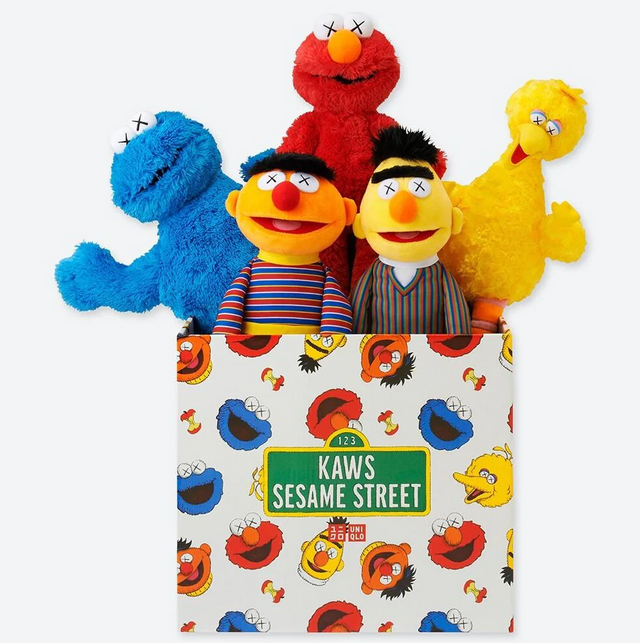
Plush and stuffed animals are often considered endearing tokens of childhood, representing innocence, comfort, and nostalgia. These symbols, however, have not been confined to children’s bedrooms or toy shops. They have found their way into the urban art landscape, carving a niche in pop art, street art, and graffiti. Their portrayal is not merely an artistic whim, but a profound exploration of society, emotions, and culture. During the mid to late 20th century, as pop art emerged as a dominant artistic movement, artists like Andy Warhol and Roy Lichtenstein challenged traditional perceptions of art by bringing mundane or commercial objects into the spotlight. This disruption paved the way for everyday objects, like stuffed animals, to be reconsidered as powerful symbols. Within the confines of galleries and canvas, these plush toys became more than child’s play; they represented commercialization, the commodification of emotions, and the juxtaposition of innocence against the cynicism of the adult world. But as the art scene evolved, these symbols began to migrate from the pristine walls of galleries to the rugged, raw streets. Street art, often known for its subversive and rebellious undertones, adopted the plush and stuffed animal imagery, giving it a new voice and context. While pop art might have presented these toys in a satirical or commercial light, street artists used them to critique society, reflect political unrest, and comment on the loss of innocence. A stuffed bear sprayed onto a war-torn building wasn't just a bear; it became a poignant reminder of the lost childhood in conflict zones. Graffiti, with its clandestine nature, added another layer to this narrative. The use of plush toys in graffiti intertwined nostalgia with the audacity of the act. It was a powerful paradox: the soft, comforting memory of a teddy bear contrasted sharply with the rebellious, often illegal act of graffiti. This duality played on viewers’ emotions, making them reconcile with their own pasts, the societal norms they grew up with, and the world they now navigated as adults. Several iconic instances of plush imagery in urban art forms have become landmarks in their own right. For instance, there are murals where larger-than-life plush animals seem to be breaking through walls, symbolizing the breaking of barriers or the invasion of innocence in a cynical world. In other depictions, faded or torn plush toys might comment on the impermanence of life or the inevitable decay of cherished memories. This transference of plush and stuffed animal imagery from the confines of a child's bedroom to the expansive canvas of urban landscapes is a testament to art’s evolving nature. It reminds viewers that symbols, no matter how innocent or commonplace, carry the power to evoke deep emotions, memories, and introspections. Through the lens of pop art, street art, and graffiti, the plush toy transforms from a simple object of affection to a potent emblem of societal reflection.
Footer image

© 2025 Sprayed Paint Art Collection,

    • Amazon
    • American Express
    • Apple Pay
    • Bancontact
    • Diners Club
    • Discover
    • Google Pay
    • iDEAL
    • Mastercard
    • PayPal
    • Shop Pay
    • Visa

    Login

    Forgot your password?

    Don't have an account yet?
    Create account