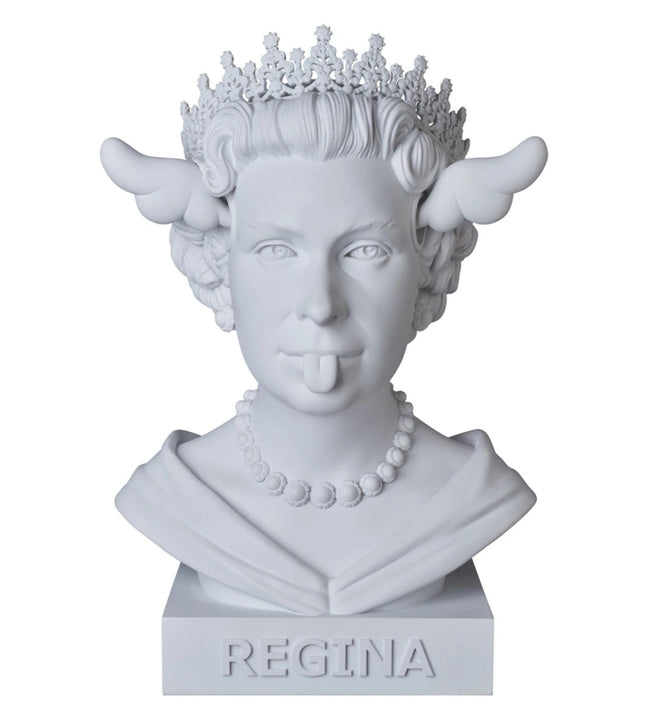
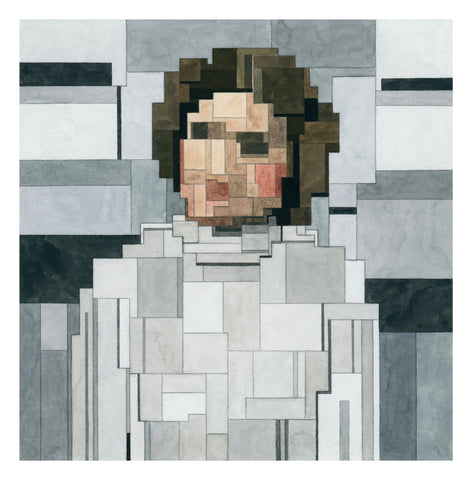
Princesses and queens have long been a recurrent theme in popular culture, often symbolizing beauty, power, and status. In the world of contemporary art, particularly in pop art, street art, and graffiti, these figures have been adopted and reimagined, often with a touch of subversion or social commentary. Instead of depicting the traditional imagery of fairy tales and monarchies, artists delve into complex narratives, challenging norms and questioning societal constructs through their work. Pop art, a movement that emerged in the mid-20th century, draws inspiration from popular and commercial culture. Artists such as Roy Lichtenstein and Andy Warhol have used imagery from mass media and advertising, and similarly, princesses and queens have been depicted in this context. For instance, Warhol's iconic prints of Queen Elizabeth II, part of his "Reigning Queens" series, utilized the pop art style to portray the monarch in a different light, transforming her from a royal figure into a pop culture icon. This reflects pop art's essence, which often aims to blur the boundaries between 'high' art and 'low' culture. Similarly, in street art and graffiti, princesses and queens play a significant role. As a largely unregulated form of expression, these art forms offer artists the chance to provide commentary on social and political issues. Banksy, one of the most notable street artists, often includes powerful female figures in his work. His stenciled graffiti piece of Queen Victoria sitting on a woman's face is a perfect example of this approach, challenging the traditional depiction of queens and highlighting themes of sexuality and power dynamics. While Banksy uses satire to critique power, other artists like Shepard Fairey use these royal figures to promote empowerment and equality. Fairey's "Obey Giant" campaign, known for its iconic image of Andre the Giant, also features a queen figure as part of its imagery. This queen, with her crown replaced by the word "Obey," is a call to challenge authority and societal norms. In a different vein, the New York-based street artist Swoon uses the imagery of princesses and queens to explore themes of femininity and resilience. Her life-sized wheatpaste prints often feature women in regal, queen-like attire, yet in everyday, urban settings. Her work aims to celebrate the strength and beauty of women, positioning them as queens of their own domains. The work of these artists underscores the versatility of princess and queen imagery in pop art, street art, and graffiti. By reinterpreting these traditional figures, they challenge societal norms, question power structures, and celebrate female strength. They take symbols of royalty and transform them into something relatable and accessible, bridging the gap between the high-culture association of royalty and the everyday reality of the streets. In the world of graffiti and street art, the representation of princesses and queens goes beyond mere portraiture or iconography. It's about making statements, pushing boundaries, and challenging the status quo. Whether it's Banksy's satirical take on Queen Victoria, Shepard Fairey's queen figure as a symbol of rebellion, or Swoon's celebration of everyday queens, the princess and queen theme serves as a powerful tool for social commentary and critique. As we continue to witness the evolution of pop art, street art, and graffiti, the portrayal of princesses and queens will undoubtedly remain a vital part of the artistic discourse. These depictions, while drawn from traditional symbols of power and beauty, have been reimagined to resonate with contemporary audiences, offering insightful perspectives on society, culture, and the human experience. In this way, the princess and queen theme in these art forms serves as a reflection of our times, capturing the zeitgeist and opening dialogues on critical issues.