Print Fine Art

5 artworks

  • Sale -15% Idiot Giclee Print by Joan Cornellà

    Joan Cornellà Idiot Giclee Print by Joan Cornellà

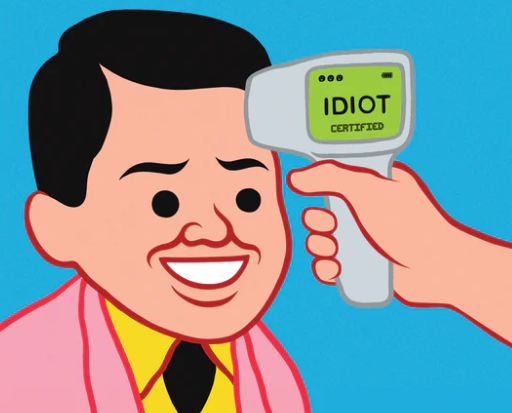
    Idiot Giclee Print by Joan Cornellà Artwork Limited Edition Print on Archival Textured Fine Art Paper Graffiti Pop Street Artist. 2023 Signed & Numbered Limited Edition of 100 Artwork Size 25.59x21.25 Idiot Giclee Print by Joan Cornellà Idiot is a 2023 limited edition giclee print by renowned street pop artist Joan Cornellà. Signed and numbered, this piece is part of a collection of 100 prints, created on archival textured fine art paper. Measuring 25.59x21.25 inches, the artwork showcases Cornellà's distinctively humorous and absurd style, often characterized by simplistic cartoon figures and dark satirical themes. The image depicts a smiling man being scanned with a thermometer-like device reading "Idiot Certified," creating an immediate visual punch and exemplifying Cornellà’s signature approach to challenging societal norms. Joan Cornellà's Approach to Satire in Street Pop Art Joan Cornellà, a Spanish-born artist, is widely known for his minimalist, absurdist cartoons that take a critical look at modern society. His work frequently uses humor, often dark and uncomfortable, to shine a spotlight on the trivialities and absurdities of human behavior. Idiot is no exception, and in this print, Cornellà uses simple lines and bright colors to convey a biting critique on the ease with which society labels individuals, often without deeper understanding or nuance. Cornellà’s characters typically have smiling, vacant expressions, which only serves to heighten the absurdity of their situations. In Idiot, the juxtaposition of the smiling man with the thermometer reading “Idiot Certified” suggests a satirical commentary on the superficial judgments people face in a world driven by appearances and quick assessments. The "certification" of idiocy highlights the ridiculousness of relying on superficial indicators or societal validation to define self-worth or intelligence. This kind of critique is a hallmark of street pop art, where everyday symbols and elements are often recontextualized to critique social behavior and norms. The use of minimalistic, flat designs is a stylistic choice that enhances the immediacy of the message. Cornellà uses a bold color palette and simple lines to make the work visually striking, creating an art piece that immediately grabs attention while allowing viewers to quickly grasp its satirical meaning. The exaggerated, cartoon-like figures may appear simple at first glance, but they carry complex undertones about the human condition and the absurdity of modern societal structures. The Role of Dark Humor in Cornellà's Graffiti and Pop Art Cornellà’s work has been likened to graffiti and street pop art in that it distills complex social critiques into instantly recognizable images. His use of dark humor—a staple of his work—sets him apart within the pop art landscape. Idiot relies on a form of humor that is both biting and subtle, allowing viewers to laugh at the absurdity of the situation while recognizing the deeper societal issues being critiqued. The simplicity of the image belies the complexity of its social commentary, offering layers of interpretation. In street pop art, humor is often used as a tool to subvert traditional art norms or challenge authority. Cornellà's approach can be seen as a continuation of this tradition, where humor acts as a vehicle to critique social, political, and cultural systems. The absurdity in Idiot draws attention to how people often willingly conform to ridiculous standards without question. It reflects the increasingly superficial nature of society, where quick judgments based on surface-level interactions—much like a thermometer scan—can lead to reductive, often harmful, labels. The use of a medical device to certify idiocy also evokes a commentary on the over-reliance on technology or systems that dehumanize people. Cornellà’s work often critiques the technological and bureaucratic systems that strip individuals of their humanity, reducing them to a set of labels or metrics. This resonates with the broader themes in street pop art and graffiti, where artists often challenge the dehumanizing aspects of modern life, from politics to mass surveillance. Giclee Print as a Modern Medium for Street Pop Art The choice of giclee printing for Idiot aligns with the artist’s commitment to quality and the longevity of his artwork. Giclee printing is a process that uses high-resolution digital images and archival inks to create prints that are as close to the original as possible. This method ensures that the vibrant colors and sharp lines in Cornellà’s work are preserved over time. The use of archival textured fine art paper further enhances the print’s quality, providing a tactile, almost painterly feel to the image. Giclee printing is often used by modern street pop artists who want to maintain the integrity of their work while making it more accessible to collectors. In the case of Idiot, the giclee print allows Cornellà’s satirical cartoon to be appreciated in a physical format that retains all of the detail and color of the original digital design. By producing a limited edition of 100, Cornellà ensures that the artwork remains exclusive, while still making it available to a wider audience. In street pop art, the medium is often just as important as the message. By using high-quality printing techniques, Cornellà ensures that his satirical message—both humorous and critical—can stand the test of time, while also contributing to the ongoing conversation about what constitutes fine art in the context of street art and graffiti. The print is both a collectible item and a work of art with a strong social message. The Role of Social Commentary in Joan Cornellà's Artwork Cornellà’s artwork often revolves around themes of identity, societal expectations, and the absurdity of modern life. Idiot is a perfect example of how Cornellà uses simple imagery to dissect these complex ideas. The smiling man in the image, unperturbed by his "certified" idiocy, reflects the way individuals can become complicit in their own dehumanization by accepting societal labels. Cornellà’s work frequently critiques how people allow themselves to be categorized and diminished, all while maintaining a cheerful or passive demeanor. The absurdity of the situation is heightened by the fact that the character being labeled an "idiot" seems entirely unaware or unconcerned by the judgment being passed. This plays into Cornellà’s larger body of work, where individuals are often depicted as detached from the consequences of their actions or the systems that control them. In street pop art, this detachment is a common theme, reflecting how urban environments and societal structures can alienate individuals from themselves and each other. Idiot by Joan Cornellà is a masterful example of how street pop art and graffiti-inspired artwork can blend humor, absurdity, and critical social commentary. Through the use of minimalistic design, bright colors, and satirical humor, Cornellà challenges viewers to question how society defines intelligence, self-worth, and identity. The high-quality giclee print on archival fine art paper ensures that this artwork will remain a lasting and impactful piece within the world of contemporary art.

    $4,750.00 $4,038.00

  • Vesica Piscis In Blue Giclee Print by Handiedan

    Handiedan Vesica Piscis In Blue Giclee Print by Handiedan

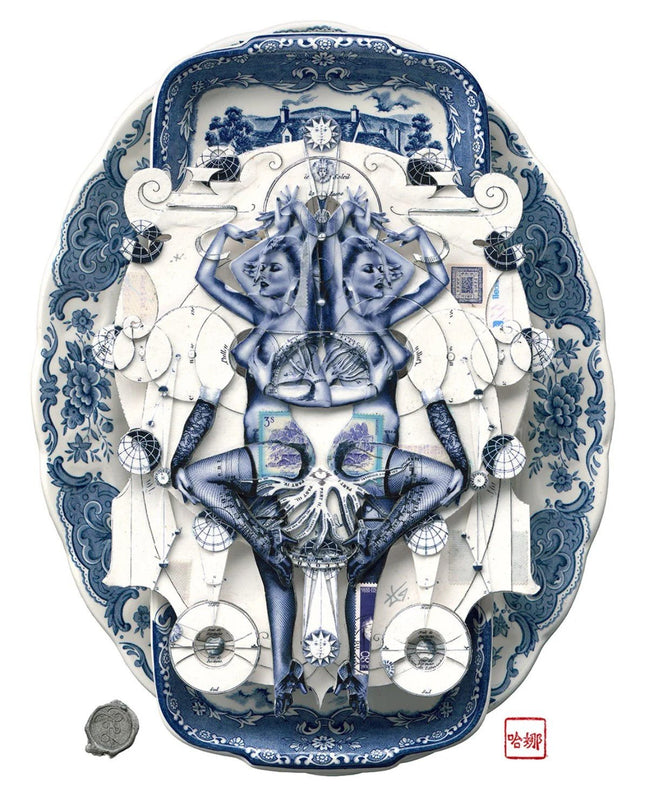
    Vesica Piscis In Blue Artwork Giclee Limited Edition Print on 315 gsm Etching Cotton Rag Paper by Pop Culture Graffiti Artist Handiedan. Art print giclée With Augmented Reality 315 gsm Etching Cotton Rag 16.5" x 21” / 42 x 53.5 cm Signed & Numbered Hot Wax Seal Stamped Logo Embossed & Stamped Edition: 66 2021 AR Augmented Reality: https://vimeo.com/591003681 Uses the Artivive App

    $352.00

  • Groene Vlinder Giclee Print by Handiedan

    Handiedan Groene Vlinder Giclee Print by Handiedan

    Groene Vlinder Artwork Giclee Limited Edition Print on 315 gsm Etching Cotton Rag Paper by Pop Culture Graffiti Artist Handiedan. Art print giclée With Augmented Reality 315 gsm Etching Cotton Rag 16.5" x 21.25” / 42 x 54 cm (image and paper size) Signed & Numbered Logo Embossed Edition: 88 2020 AR Augmented Reality: https://vimeo.com/416245862 Uses the Artivive App

    $352.00

  • In The Treasure of Time Giclee Print by Handiedan

    Handiedan In The Treasure of Time Giclee Print by Handiedan

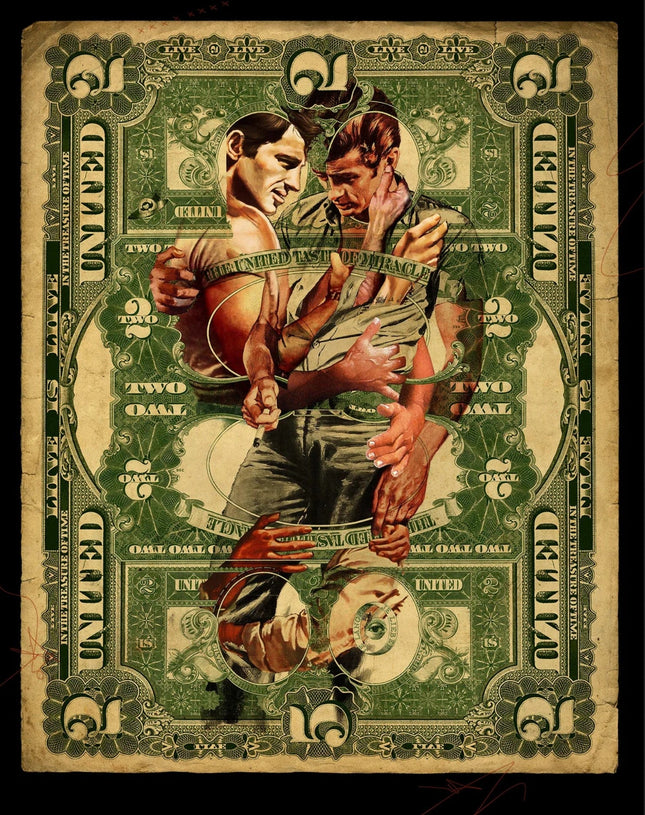
    In The Treasure of Time Artwork Giclee Limited Edition Print on 315 gsm Etching Cotton Rag Paper by Pop Culture Graffiti Artist Handiedan. 2020 Signed & Numbered Art print giclée With Augmented Reality 315 gsm Etching Cotton Rag 16.5" x 21.25” / 42 x 54 cm Signed & Numbered Hot Wax Seal Stamped Edition: 55 . AR Augmented Reality: https://vimeo.com/518617123 Uses the Artivive App

    $352.00

  • In The Treasure of Time Blue Giclee Print by Handiedan

    Handiedan In The Treasure of Time Blue Giclee Print by Handiedan

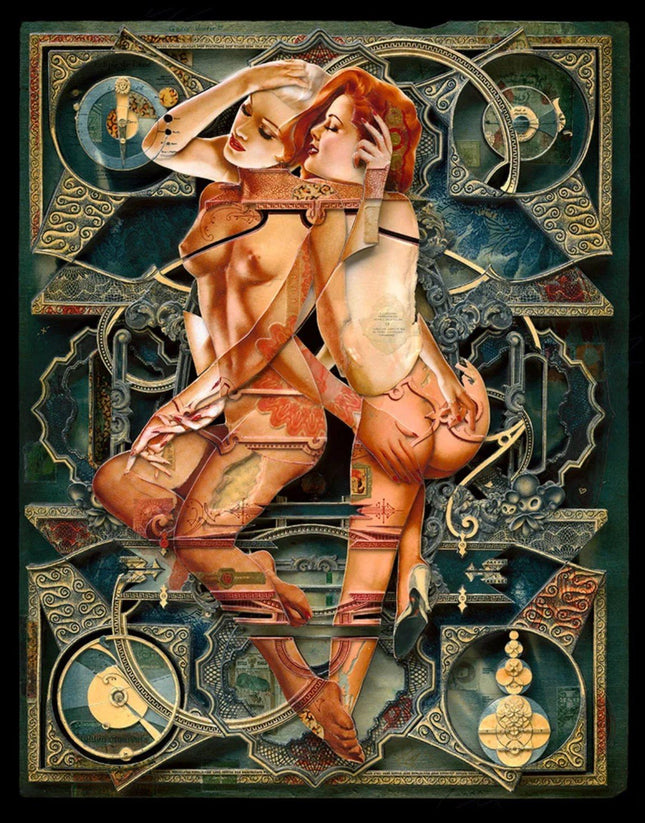
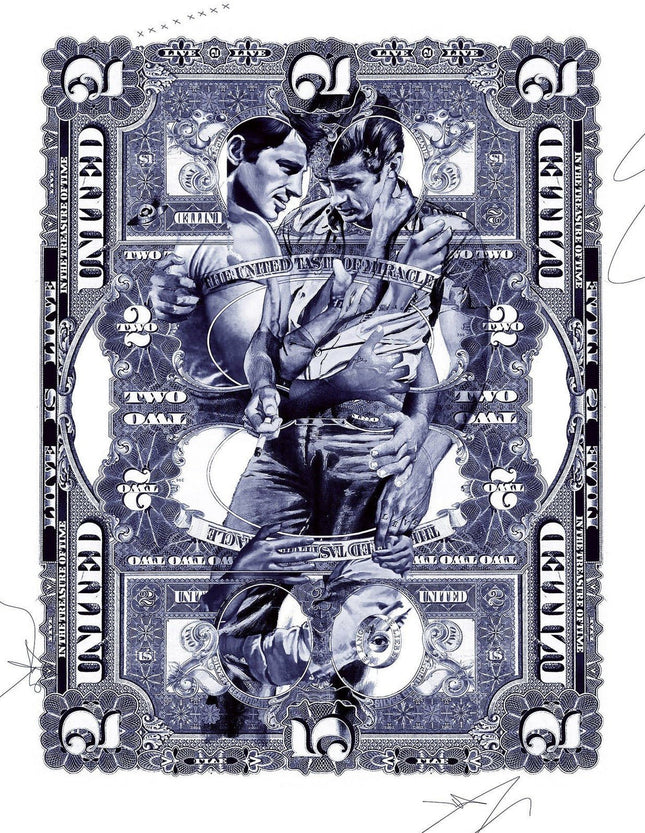
    In The Treasure of Time- Blue Artwork Giclee Limited Edition Print on 315 gsm Etching Cotton Rag Paper by Pop Culture Graffiti Artist Handiedan. 2021 Signed & Numbered Blue variant. Art print giclée With Augmented Reality 315 gsm Etching Cotton Rag 16.5" x 21.25” / 42 x 54 cm Signed & Numbered Hot Wax Seal Stamped Edition: 25 2021. AR Augmented Reality: https://vimeo.com/518617123  Uses the Artivive App In The Treasure of Time – Blue Edition by Handiedan in Street Pop Art & Graffiti Artwork In The Treasure of Time – Blue is a 2021 limited edition giclée print by Dutch artist Handiedan, known for her intricate compositions blending vintage aesthetics with modern symbolism. This blue variant, sized at 16.5 x 21.25 inches and printed on 315 gsm etching cotton rag paper, features detailed visual layers that merge currency design, figurative collage, and classical romanticism. Released in an edition of only 25, each print is signed, numbered, hot wax seal stamped, and enhanced with augmented reality components that expand the viewer’s experience beyond the physical print. Handiedan’s work sits at the intersection of baroque complexity and street art composition, reworking monetary iconography and ornamental design into statements on value, identity, and the feminine form. Conceptual Depth Through Currency and Composition In The Treasure of Time – Blue centers around a reimagined banknote structure, loaded with allegorical and emotional symbolism. Two male figures occupy the center, engaged in an intimate yet ambiguous exchange that could suggest conflict, desire, or internal struggle. Their interaction is surrounded by decorative scrollwork, numerical references, and repeated motifs found in vintage currency design. The title of the piece, embedded in the ornate frame, speaks to the theme of time as both asset and illusion. Handiedan plays with classical portraiture and banknote aesthetics to critique the commodification of identity and emotion. The figures, though highly rendered, exist within a symbolic frame that suggests they are caught in cycles of value, ownership, and visual consumption. Blue Tone and the Role of Repetition in Street Pop Art The blue color variant is not simply a palette change but an emotional recalibration. The cooler tones evoke a sense of nostalgia and emotional distance, allowing viewers to experience the work with a slower, more contemplative gaze. The layering of ornate elements—frames, flourishes, and mirrored figures—creates a visual rhythm that mimics both street poster layering and vintage engraving. Repetition in Handiedan’s work functions both decoratively and philosophically, emphasizing cycles of power, attraction, and historical amnesia. Her manipulation of symmetry and pattern transforms elements of money and mass production into works of emotive and spiritual inquiry. This approach reflects the ethos of Street Pop Art & Graffiti Artwork, where subversion often hides beneath beauty. Technical Craft and Augmented Reality Integration Printed on high-quality 315 gsm etching cotton rag using giclée methods, the texture and richness of In The Treasure of Time – Blue speaks to Handiedan’s precision and material awareness. The hot wax seal and hand-signature reinforce the tactile, one-of-a-kind nature of each print in the edition of 25. What sets this piece apart is its integration of augmented reality, allowing digital interactions to expand the narrative. Through this technology, the viewer can access additional visual layers, animations, or symbolic references that enhance the meaning without distracting from the analog artwork. This fusion of traditional printing with digital experience situates Handiedan’s work at the forefront of modern Street Pop Art & Graffiti Artwork, where physical and virtual mediums coalesce to deepen artistic storytelling. In The Treasure of Time – Blue is not just a portrait or collage but a layered artifact of power, memory, and visual meditation.

    $533.00

Print Fine Art Graffiti Street Pop Artwork

Print Art in the Context of Street Pop Art and Graffiti Artwork

Concerning Street Pop Art and Graffiti Artwork, print art represents a dynamic and influential medium that has played a crucial role in the dissemination and evolution of these art forms. Historically, printmaking has been a vital tool for artists to reproduce their work efficiently and accessibly, allowing them to reach a broader audience. In street and pop art, print art encompasses various techniques, including screen printing, stencil printing, and lithography, each offering unique possibilities for artistic expression and mass distribution. This medium has enabled artists to challenge traditional notions of art, bringing their work from the streets to the galleries and vice versa.  


Evolution and Techniques of Print Fine Art in Street and Pop Art

The evolution of print art within the street and pop art genres is marked by its adoption by iconic artists like Andy Warhol and Keith Haring, who utilized screen printing techniques to create vibrant, high-impact images. This approach allowed for the repetition of bold graphics and bright colors, typical of pop art aesthetics. In street art, printmaking techniques, especially stenciling, became instrumental for artists like Banksy and Shepard Fairey. Stencils allowed for quick, reproducible designs that could be executed rapidly in public spaces. These techniques not only facilitated a more efficient way of producing art but also contributed to the signature styles of these artists, making their work instantly recognizable. The journey of print art within street and pop art has been one of innovation, adaptation, and significant influence. Iconic figures like Andy Warhol and Keith Haring played pivotal roles in this evolution. Warhol, a leading figure in the pop art movement, revolutionized the concept of art production through his use of screen printing. His technique, characterized by the repetition of photographic images and the use of bold, vivid colors, challenged traditional notions of originality and artistic genius. This approach was perfectly aligned with the pop art movement's ethos, which sought to blur the lines between 'high' art and 'low' cultural imagery, often derived from mass media and consumer culture. Keith Haring, another seminal artist, leveraged print art to create dynamic, high-energy works that were accessible and relatable. His art, often filled with simple yet impactful imagery, was rooted in the street culture of New York City. Haring's use of bold lines and bright colors became synonymous with the visual language of the 1980s and left a lasting imprint on the pop art landscape. His work also exemplified the democratizing power of print art, as he often produced prints of his work to make it more accessible to a broader audience.

Print Art's Impact on Accessibility and Distribution

One of the most significant impacts of print art in Street Pop Art and Graffiti Artwork is its role in democratizing art. By enabling mass production, print art has allowed street and pop artists to distribute their work widely, challenging the exclusivity of traditional art forms and galleries. This accessibility has been essential in shaping public perception of street and pop art, transforming them from subcultural expressions to respected and sought-after art forms. Furthermore, the affordability of prints has made it possible for a broader audience to own and engage with art, breaking down barriers between the artists and the public. Print art has served as a vehicle for mass communication and cultural critique in street and pop art. The ability to produce multiple copies of a single image has allowed artists to reach a wider audience, spreading their visual messages far and wide. This aspect of print art aligns well with the ethos of street and pop art, which often comment on consumerism, political issues, and societal norms. The replication of images in print art echoes the mass-produced nature of consumer goods and media imagery that these art movements often critique.

Print Fine Art Contemporary Trends and Future Directions

Print art stands at the crossroads of tradition and innovation in the current artistic milieu. Digital technology has ushered in a new era for printmaking, allowing artists to infuse time-honored techniques with cutting-edge processes. This fusion has created hybrid works that blur the lines between analog and digital, handcrafted and machine-produced, tangible and virtual. Such innovations reflect the fluid nature of Street Pop Art and Graffiti Artwork, where staying static is not an option, and evolution is the norm. Artists entrenched in street pop art and graffiti are redefining the scope of print art by incorporating elements of 3D modeling, digital collage, and algorithmic design. The textures, colors, and forms that were once exclusive to the digital realm are now being translated into physical prints, expanding the artists' visual vocabulary and offering new experiences to the audience. As these digital techniques become more sophisticated, the ability to manipulate images and create complex layers has resulted in prints that are not only artworks but also technical marvels. Integrating augmented reality (AR) and virtual reality (VR) with traditional print art is another frontier being explored. AR-enabled prints can transform static images into interactive experiences, engaging viewers in a multisensory journey.

Similarly, VR can take the essence of a print and expand it into an immersive environment, allowing the audience to step into a world crafted by the artist. These developments are expanding the canvas for artists and redefining the relationship between the artwork and the viewer. Environmental sustainability is also shaping the future of print art. As the world becomes more ecologically conscious, artists are seeking ways to reduce the environmental impact of their work. This has led to exploring eco-friendly inks, recycled materials, and alternative energies in creating prints. The street pop art and graffiti scenes, which have always had a dialogue with the urban environment, are now extending this conversation to the planet's wellbeing, making art that speaks to societal issues and treads lightly on the earth. The democratization of art through digital platforms has significantly impacted print art. Social media and online galleries have made it easier for artists to showcase their work and for collectors to discover and acquire new pieces. This accessibility breaks down the barriers between artists and audiences, fostering a global community of creators and enthusiasts. The ease of sharing and selling prints online not only boosts the visibility of artists but also contributes to the cultural and economic vitality of the art market.

Looking forward, print art is poised to embrace even more radical transformations. Biotechnology and materials science advances could lead to living prints that change over time, grow, or even respond to their environment. Exploring space and celestial bodies as new canvases for art is another realm that printmaking could venture into. The ethos of street pop art and graffiti, with their roots in challenging the status quo and pushing boundaries, aligns perfectly with these forward-thinking prospects. In the grand tapestry of Street Pop Art and Graffiti Artwork, print art continues to be a thread that weaves the past and future together. It stands as a testament to the resilience and adaptability of these art forms, evolving to meet the moment while never losing sight of their foundational principles. As technology progresses and society changes, print art will undoubtedly remain at the forefront of artistic innovation, capturing the imagination of artists and audiences alike for generations to come. 

The Enduring Legacy of Print Art in Modern Art Movements

The enduring legacy of print art in Street Pop Art and Graffiti Artwork lies in its ability to amplify the artist's voice and reach a diverse audience. Its influence extends beyond art creation to social and political activism, where prints have often been used for communication and protest. As artists continue to explore and reinvent printmaking techniques, the medium remains a vital component of these vibrant and ever-evolving art forms. Print art, with its rich history and innovative future, continues to be a testament to the power of art to transcend boundaries and connect people across different cultures and backgrounds. Print art's continued evolution and adaptation within street and pop art underscore its significance in these genres. As new technologies and materials emerge, artists find innovative ways to incorporate printmaking into their work, pushing the boundaries of what can be achieved visually and conceptually. Digital printing, for example, has opened up new possibilities for complexity, precision, and experimentation in color and form. The journey of print art in street and pop art is a testament to these artistic movements' dynamic and ever-changing nature. From Warhol's screen prints to Banksy's stenciled walls, print art has been instrumental in defining the visual and conceptual landscape of street and pop art. It continues to be a vital medium for artists to express their visions, engage with audiences, and comment on the world around them.
Footer image

© 2025 Sprayed Paint Art Collection,

    • Amazon
    • American Express
    • Apple Pay
    • Bancontact
    • Diners Club
    • Discover
    • Google Pay
    • iDEAL
    • Mastercard
    • PayPal
    • Shop Pay
    • Visa

    Login

    Forgot your password?

    Don't have an account yet?
    Create account