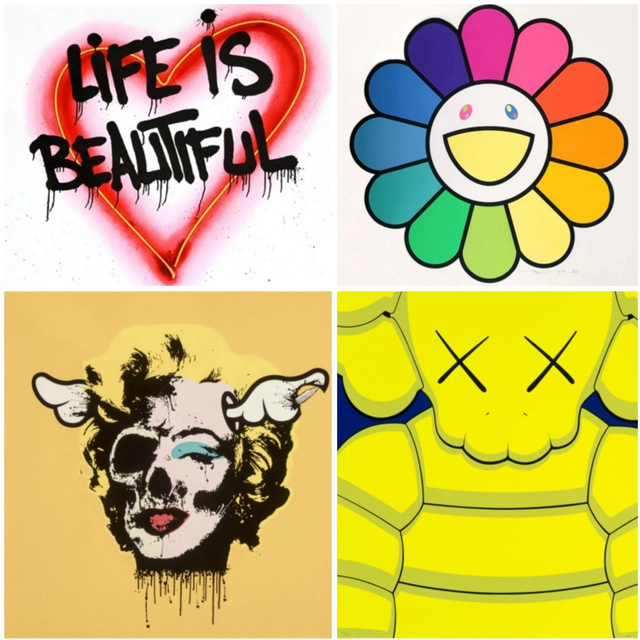
Print Fine Art

6 artworks

  • Selfie Gun Blue Silkscreen Print by Joan Cornellà

    Joan Cornellà Selfie Gun Blue Silkscreen Print by Joan Cornellà

    Selfie Gun Blue Silkscreen Print by Joan Cornellà Hand-Pulled on Fine Art Paper Limited Edition Screenprint Artwork. 2024 Signed & Numbered Limited Edition of 250 Artwork Size 16.14x22.44 Silkscreen Print Selfie Gun Blue Silkscreen Print by Joan Cornellà Selfie Gun Blue is a 2024 silkscreen print by Spanish artist Joan Cornellà, known for his satirical and unflinching commentary on modern life. This limited edition piece, hand-pulled on fine art paper, is signed and numbered out of an edition of 250. Measuring 16.14 by 22.44 inches, the artwork presents a bold visual punch with clean lines, flat blocks of color, and a composition that captures Cornellà’s iconic absurdist humor. The image depicts a smiling figure holding a selfie stick topped not with a phone, but with a handgun pointed directly at their own head. The bright cyan blue background serves as a jarring contrast to the image’s grim thematic undertones, echoing the aesthetic cues of commercial design while delivering a sharp critique. Joan Cornellà and Satirical Extremism in Street Pop Art & Graffiti Artwork Joan Cornellà, born in 1981 in Barcelona, Spain, has emerged as a crucial figure in the evolution of Street Pop Art & Graffiti Artwork. His visual language is instantly recognizable—smiling characters, polished cartoonish lines, and saturated colors serve as vehicles for biting, often darkly humorous reflections on society. Selfie Gun Blue stands as an archetypal example of Cornellà’s approach: presenting a cheerful scene that reveals something deeply unsettling upon closer inspection. This tension between style and substance is a hallmark of his work. In this silkscreen print, the fusion of an everyday object with an instrument of violence creates a jarring metaphor about technology, self-obsession, and the superficial culture of digital validation. Technique and Visual Economy as Subversive Tools The artwork’s strength lies in its visual economy. There is no clutter, no background narrative, and no textual explanation. Every element in the frame is calculated and precise. Cornellà uses simplicity as a form of satire, stripping his characters of individuality while heightening their symbolic impact. The man’s suit, smile, and vacant eyes are rendered in bold primary hues, reducing him to an archetype. The gun, rendered in muted gray and pink tones, is stark in contrast but seamlessly integrated into the composition. This hand-pulled screenprint showcases Cornellà’s command over flat color layering, a classic method in fine art printing now repurposed for modern commentary. Modern Irony Encapsulated Through Visual Absurdity Selfie Gun Blue is not merely a visual gag; it is a stark reflection on societal detachment. Cornellà uses cheerful aesthetics to critique real-world issues—narcissism, desensitization, and the commodification of identity in digital spaces. Through Street Pop Art & Graffiti Artwork, he confronts the viewer with uncomfortable truths hidden beneath polished surfaces. His work has resonated globally, in galleries, books, and public installations, because it forces a confrontation with the absurdities of modern behavior using the very visual cues that have become familiar and trusted. This piece, like much of Cornellà’s portfolio, demands not just observation but introspection, challenging the viewer to question the hidden implications behind every filtered smile.

    $3,500.00

  • Selfie Gun Pink Silkscreen Print by Joan Cornellà

    Joan Cornellà Selfie Gun Pink Silkscreen Print by Joan Cornellà

    Selfie Gun Pink Silkscreen Print by Joan Cornellà Hand-Pulled on Fine Art Paper Limited Edition Screenprint Artwork. 2024 Signed & Numbered Limited Edition of 250 Artwork Size 16.14x22.44 Silkscreen Print Selfie Gun Pink Silkscreen Print by Joan Cornellà Selfie Gun Pink is a 2024 hand-pulled silkscreen edition by Spanish satirical artist Joan Cornellà. Measuring 16.14 by 22.44 inches and produced in a limited edition of 250, this signed and numbered artwork reflects Cornellà’s unmistakable blend of polished visual simplicity and biting social commentary. The image features a cheerfully smiling man in a peach-toned suit, holding a selfie stick that supports not a camera, but a handgun aimed squarely at himself. The background is rendered in soft pink, enhancing the ironic dissonance between the subject’s cheery disposition and the underlying theme of violence masked as casual narcissism. Joan Cornellà’s Critique Through Absurdist Imagery Born in Barcelona in 1981, Joan Cornellà has become a global force in Street Pop Art & Graffiti Artwork by using minimalistic cartoon aesthetics to unveil the absurdities of modern life. His figures are intentionally void of individuality, often grinning unnaturally as they perform disturbing or nonsensical acts. In Selfie Gun Pink, the character’s satisfied expression juxtaposes the grim symbolism of a weapon aimed at his own head. The stick, traditionally used for self-promotion and attention-seeking behavior, is transformed into an object of quiet destruction. This visual metaphor encapsulates Cornellà’s critique of digital culture, social vanity, and the dangerous detachment that technology can breed. Color, Style, and Technique in Contemporary Satire The silkscreen process used in this print is emblematic of Cornellà’s commitment to precision and high-quality presentation. Bold lines, solid color fields, and flat shading are used to mimic corporate mascots or health-and-safety cartoons, only to subvert their intent with disturbing undertones. The use of pink as a background in Selfie Gun Pink offers a candy-colored contrast to the dark humor within the scene. It speaks to Cornellà’s deliberate strategy of using playful palettes to disarm viewers, forcing them into a second glance where the deeper commentary emerges. This pop-art coloration coupled with street-level critique is what places his work firmly within Street Pop Art & Graffiti Artwork. Impact and Relevance in the Modern Visual Landscape Selfie Gun Pink exemplifies how Joan Cornellà’s work transcends traditional boundaries, moving seamlessly between fine art prints, gallery walls, and viral memes. Yet the impact of his imagery is not just visual novelty. His recurring themes—violence, self-obsession, irony, and commodification—mirror urgent social conversations. The 2024 print captures this moment in time where performative happiness masks inner turmoil and where devices meant to connect us may instead isolate and endanger. With each new piece, including this limited edition print, Cornellà continues to be one of the most searing voices in the contemporary art world, pushing viewers to confront uncomfortable truths through deceptively light-hearted visuals.

    $3,500.00

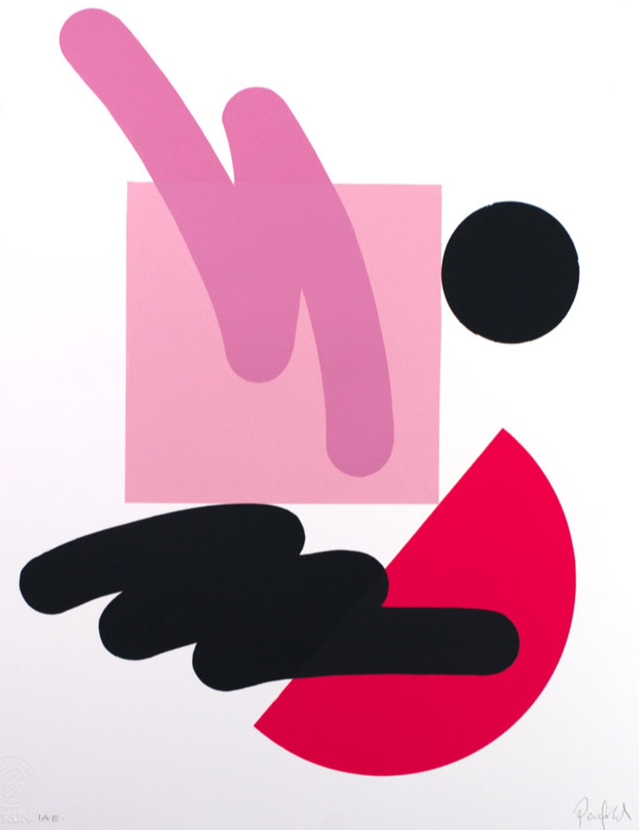
  • 1AE MonoPrint Silkscreen Print by Mr Penfold

    Mr Penfold 1AE MonoPrint Silkscreen Print by Mr Penfold

    1AE MonoPrint 1 of a Kind 4-Color Hand-Pulled Silkscreen Original on Fine Art Paper by Mr Penfold Graffiti Street Artist Modern Pop Art. 2021 Signed Original One-of-a-kind Print Artwork Size 18.11x22.44 Mr. Penfold, also known as Tim Gresham, operates from his studio located in Bristol, where he presently lives, and creates artworks in diverse media.

    $818.00

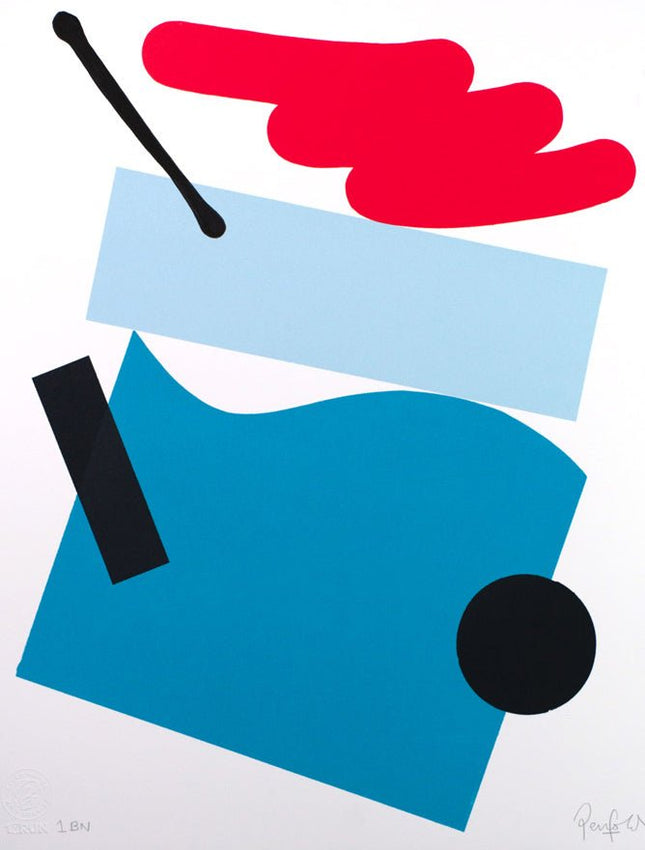
  • 1BN MonoPrint Silkscreen Print by Mr Penfold

    Mr Penfold 1BN MonoPrint Silkscreen Print by Mr Penfold

    1BN MonoPrint 1 of a Kind 4-Color Hand-Pulled Silkscreen Original on Fine Art Paper by Mr Penfold Graffiti Street Artist Modern Pop Art. 2021 Signed Original One-of-a-kind Print Artwork Size 18.11x22.44 The current residence of the versatile artist, also known as 'Mr Penfold', is in Bristol, where he operates his studio and experiments with diverse mediums. Tim Gresham is his given name.

    $793.00

  • Selfie Gun Yellow Silkscreen Print by Joan Cornellà

    Joan Cornellà Selfie Gun Yellow Silkscreen Print by Joan Cornellà

    Selfie Gun Yellow Silkscreen Print by Joan Cornellà Hand-Pulled on Fine Art Paper Limited Edition Screenprint Artwork. 2024 Signed & Numbered Limited Edition of 250 Artwork Size 16.14x22.44 Silkscreen Print Selfie Gun Yellow Silkscreen Print by Joan Cornellà Selfie Gun Yellow is a 2024 hand-pulled silkscreen print by Spanish artist Joan Cornellà. Signed and numbered in a limited edition of 250, this work measures 16.14 by 22.44 inches and presents Cornellà’s now-iconic visual punch with a deceptively cheerful palette masking deeply provocative themes. The image features a smiling male figure in a blue suit standing against a vibrant yellow background, holding a selfie stick that supports a handgun rather than a smartphone. The print's stark simplicity, exaggerated expression, and flat fields of color allow its absurdity and subversion to dominate the viewer's first and lasting impression. Joan Cornellà’s Visual Irony and the Absurdity of the Digital Age Joan Cornellà was born in 1981 in Barcelona and has risen to international prominence for his uniquely unsettling yet humorous critiques of contemporary life. Through a visual language that borrows heavily from mid-century commercial illustration and pop iconography, Cornellà’s work deconstructs digital narcissism, commodified identity, and passive complicity. Selfie Gun Yellow crystallizes many of these themes. The joyful pose of the figure, exaggeratedly cheerful and unaware, becomes a metaphor for societal blindness in the pursuit of validation and spectacle. The gun at the end of the selfie stick transforms a common habit into a commentary on psychological self-destruction and performative existence. Silkscreen Precision and the Language of Commercial Aesthetics The technique used in Selfie Gun Yellow amplifies its message. The precision of hand-pulled silkscreen printing allows for crisp, clean lines and saturated colors, giving the work the look of mass-produced consumer graphics while being part of an exclusive limited run. The yellow background is not merely a color field but a psychological trigger—evoking optimism and energy while laying the groundwork for cognitive dissonance. The contrast between the man’s welcoming demeanor and the weapon he points toward himself deepens the satire without relying on excessive visual clutter. This minimalism, paired with shocking irony, is central to Cornellà’s success as a provocateur in Street Pop Art & Graffiti Artwork. The Role of Satirical Minimalism in Street Pop Art & Graffiti Artwork Cornellà’s contribution to the evolution of Street Pop Art & Graffiti Artwork is defined by his capacity to use restraint to elicit powerful reactions. His figures are deliberately anonymous, their individuality stripped away to amplify the social roles they play. In Selfie Gun Yellow, the business suit, the performative smile, and the stylized violence condense global anxieties into one frozen frame. With no dialogue, no background narrative, and no ambiguity, the piece is direct but not reductive. It forces a confrontation with the viewer's own habits, obsessions, and the mechanics of attention in the modern world. Through works like this, Joan Cornellà continues to provoke, entertain, and challenge through satire masked in simplicity.

    $3,500.00

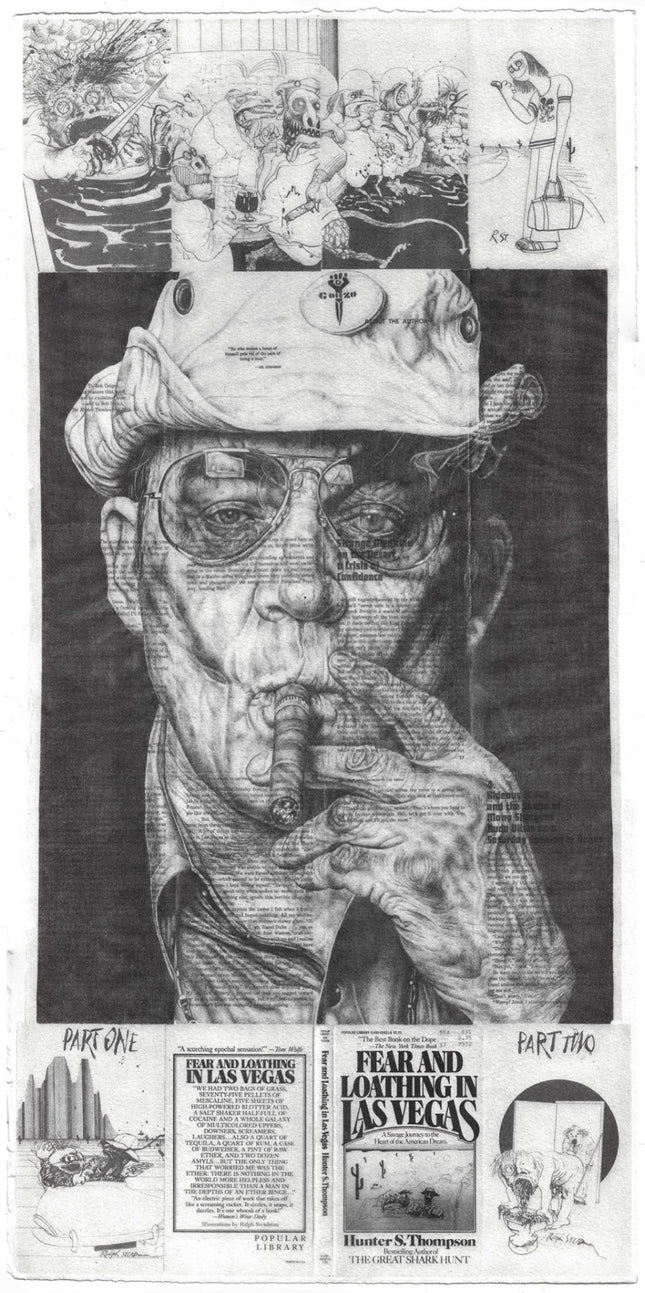
  • Some May Never Live, But The Crazy Never Die Etching Print by Mark Powell

    Mark Powell Some May Never Live, But The Crazy Never Die Etching Print by Mark Powell

    Some May Never Live, But The Crazy Never Die Etching Print on Fine Art Paper by Artist Mark Powell Limited Edition Artwork. 2022 Signed & Numbered Limited Edition of 25 Artwork Size 11x22.44

    $323.00

Print Fine Art Graffiti Street Pop Artwork

Print Art in the Context of Street Pop Art and Graffiti Artwork

Concerning Street Pop Art and Graffiti Artwork, print art represents a dynamic and influential medium that has played a crucial role in the dissemination and evolution of these art forms. Historically, printmaking has been a vital tool for artists to reproduce their work efficiently and accessibly, allowing them to reach a broader audience. In street and pop art, print art encompasses various techniques, including screen printing, stencil printing, and lithography, each offering unique possibilities for artistic expression and mass distribution. This medium has enabled artists to challenge traditional notions of art, bringing their work from the streets to the galleries and vice versa.  


Evolution and Techniques of Print Fine Art in Street and Pop Art

The evolution of print art within the street and pop art genres is marked by its adoption by iconic artists like Andy Warhol and Keith Haring, who utilized screen printing techniques to create vibrant, high-impact images. This approach allowed for the repetition of bold graphics and bright colors, typical of pop art aesthetics. In street art, printmaking techniques, especially stenciling, became instrumental for artists like Banksy and Shepard Fairey. Stencils allowed for quick, reproducible designs that could be executed rapidly in public spaces. These techniques not only facilitated a more efficient way of producing art but also contributed to the signature styles of these artists, making their work instantly recognizable. The journey of print art within street and pop art has been one of innovation, adaptation, and significant influence. Iconic figures like Andy Warhol and Keith Haring played pivotal roles in this evolution. Warhol, a leading figure in the pop art movement, revolutionized the concept of art production through his use of screen printing. His technique, characterized by the repetition of photographic images and the use of bold, vivid colors, challenged traditional notions of originality and artistic genius. This approach was perfectly aligned with the pop art movement's ethos, which sought to blur the lines between 'high' art and 'low' cultural imagery, often derived from mass media and consumer culture. Keith Haring, another seminal artist, leveraged print art to create dynamic, high-energy works that were accessible and relatable. His art, often filled with simple yet impactful imagery, was rooted in the street culture of New York City. Haring's use of bold lines and bright colors became synonymous with the visual language of the 1980s and left a lasting imprint on the pop art landscape. His work also exemplified the democratizing power of print art, as he often produced prints of his work to make it more accessible to a broader audience.

Print Art's Impact on Accessibility and Distribution

One of the most significant impacts of print art in Street Pop Art and Graffiti Artwork is its role in democratizing art. By enabling mass production, print art has allowed street and pop artists to distribute their work widely, challenging the exclusivity of traditional art forms and galleries. This accessibility has been essential in shaping public perception of street and pop art, transforming them from subcultural expressions to respected and sought-after art forms. Furthermore, the affordability of prints has made it possible for a broader audience to own and engage with art, breaking down barriers between the artists and the public. Print art has served as a vehicle for mass communication and cultural critique in street and pop art. The ability to produce multiple copies of a single image has allowed artists to reach a wider audience, spreading their visual messages far and wide. This aspect of print art aligns well with the ethos of street and pop art, which often comment on consumerism, political issues, and societal norms. The replication of images in print art echoes the mass-produced nature of consumer goods and media imagery that these art movements often critique.

Print Fine Art Contemporary Trends and Future Directions

Print art stands at the crossroads of tradition and innovation in the current artistic milieu. Digital technology has ushered in a new era for printmaking, allowing artists to infuse time-honored techniques with cutting-edge processes. This fusion has created hybrid works that blur the lines between analog and digital, handcrafted and machine-produced, tangible and virtual. Such innovations reflect the fluid nature of Street Pop Art and Graffiti Artwork, where staying static is not an option, and evolution is the norm. Artists entrenched in street pop art and graffiti are redefining the scope of print art by incorporating elements of 3D modeling, digital collage, and algorithmic design. The textures, colors, and forms that were once exclusive to the digital realm are now being translated into physical prints, expanding the artists' visual vocabulary and offering new experiences to the audience. As these digital techniques become more sophisticated, the ability to manipulate images and create complex layers has resulted in prints that are not only artworks but also technical marvels. Integrating augmented reality (AR) and virtual reality (VR) with traditional print art is another frontier being explored. AR-enabled prints can transform static images into interactive experiences, engaging viewers in a multisensory journey.

Similarly, VR can take the essence of a print and expand it into an immersive environment, allowing the audience to step into a world crafted by the artist. These developments are expanding the canvas for artists and redefining the relationship between the artwork and the viewer. Environmental sustainability is also shaping the future of print art. As the world becomes more ecologically conscious, artists are seeking ways to reduce the environmental impact of their work. This has led to exploring eco-friendly inks, recycled materials, and alternative energies in creating prints. The street pop art and graffiti scenes, which have always had a dialogue with the urban environment, are now extending this conversation to the planet's wellbeing, making art that speaks to societal issues and treads lightly on the earth. The democratization of art through digital platforms has significantly impacted print art. Social media and online galleries have made it easier for artists to showcase their work and for collectors to discover and acquire new pieces. This accessibility breaks down the barriers between artists and audiences, fostering a global community of creators and enthusiasts. The ease of sharing and selling prints online not only boosts the visibility of artists but also contributes to the cultural and economic vitality of the art market.

Looking forward, print art is poised to embrace even more radical transformations. Biotechnology and materials science advances could lead to living prints that change over time, grow, or even respond to their environment. Exploring space and celestial bodies as new canvases for art is another realm that printmaking could venture into. The ethos of street pop art and graffiti, with their roots in challenging the status quo and pushing boundaries, aligns perfectly with these forward-thinking prospects. In the grand tapestry of Street Pop Art and Graffiti Artwork, print art continues to be a thread that weaves the past and future together. It stands as a testament to the resilience and adaptability of these art forms, evolving to meet the moment while never losing sight of their foundational principles. As technology progresses and society changes, print art will undoubtedly remain at the forefront of artistic innovation, capturing the imagination of artists and audiences alike for generations to come. 

The Enduring Legacy of Print Art in Modern Art Movements

The enduring legacy of print art in Street Pop Art and Graffiti Artwork lies in its ability to amplify the artist's voice and reach a diverse audience. Its influence extends beyond art creation to social and political activism, where prints have often been used for communication and protest. As artists continue to explore and reinvent printmaking techniques, the medium remains a vital component of these vibrant and ever-evolving art forms. Print art, with its rich history and innovative future, continues to be a testament to the power of art to transcend boundaries and connect people across different cultures and backgrounds. Print art's continued evolution and adaptation within street and pop art underscore its significance in these genres. As new technologies and materials emerge, artists find innovative ways to incorporate printmaking into their work, pushing the boundaries of what can be achieved visually and conceptually. Digital printing, for example, has opened up new possibilities for complexity, precision, and experimentation in color and form. The journey of print art in street and pop art is a testament to these artistic movements' dynamic and ever-changing nature. From Warhol's screen prints to Banksy's stenciled walls, print art has been instrumental in defining the visual and conceptual landscape of street and pop art. It continues to be a vital medium for artists to express their visions, engage with audiences, and comment on the world around them.
Footer image

© 2025 Sprayed Paint Art Collection,

    • Amazon
    • American Express
    • Apple Pay
    • Bancontact
    • Diners Club
    • Discover
    • Google Pay
    • iDEAL
    • Mastercard
    • PayPal
    • Shop Pay
    • Visa

    Login

    Forgot your password?

    Don't have an account yet?
    Create account