Print Fine Art

3 artworks

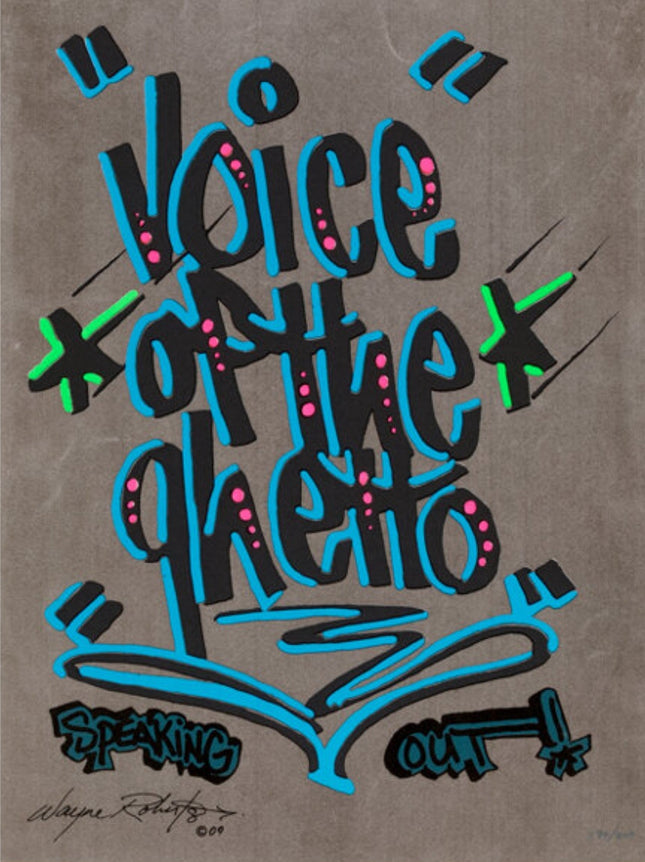
  • Voice Of The Ghetto Silkscreen Print by Stay High 149- Wayne Roberts

    Stay High 149- Wayne Roberts Voice Of The Ghetto Silkscreen Print by Stay High 149- Wayne Roberts

    Voice Of The Ghetto Hand-Pulled 4-Color Silkscreen Print on Light Card Stock by Graffiti Artist Stay High 149- Wayne Roberts Rare Street Art Limited Edition Artwork. 2009 Plate Signed & Hand-Numbered Limited Edition of 200 Artwork Size 17.75x23.75 Handling creases throughout are most noticeable along the right and upper edges.

    $793.00

  • Decycled Coach HPM Archival Print by Denial- Daniel Bombardier

    Denial- Daniel Bombardier Decycled Coach HPM Archival Print by Denial- Daniel Bombardier

    Decycled Coach Limited Edition Hand-Embellished HPM Archival Pigment Prints with Collage, Aerosol, Pencil, and Varnish Embellishments on Fine Art Paper by Denial Graffiti Street Artist Modern Pop Art. 2021 Signed Limited Edition Numbered & Custom Framed Archival Pigment Print with Collage, Aerosol, Pencil, and Varnish Embellishments Size: 17.8125 x 23.75 Inches Release: December 09, 2021 Run of: 4 Denial’s Decycled Coach: Pharmaceutical Luxury and Brand Disruption in Street Pop Art Denial’s Decycled Coach is a mixed-media archival pigment print that merges collage, aerosol, pencil, and varnish techniques into a hand-embellished visual attack on luxury branding. Released in 2021 as an extremely limited edition of only 4, each print is signed, numbered, and custom framed, measuring 17.8125 by 23.75 inches. At the center of the composition lies a stylized capsule—rendered in clean, glossy layers—branded with the Coach logo. Its form is both pharmaceutical and sculptural, set against a fragmented background of splattered paint, screenprint halftones, and broken gradients that suggest movement, chaos, and intentional vandalism. The pill, labeled 100MG, serves as a pointed metaphor. It reframes luxury as medication, treating identity, insecurity, and social status as symptoms to be relieved by consumption. This is not a critique from the outside; it is a surgical strike from within. Denial borrows from the brand’s own aesthetic language—its serifed typeface, equestrian motif, and minimal labeling—then disrupts it with gestures that belong to graffiti: sprayed arcs, color streaks, intentional imperfections. The capsule becomes a fetish object, reduced to something digestible, addictive, and ultimately disposable. Corporate Logos as Emotional Currency Denial’s recurring use of logos in his work is not about parody; it is about exposure. In Decycled Coach, the brand’s heritage and refinement are stripped of context and placed into an environment of instability. The work becomes an autopsy of commercial trust. Coach, like many fashion houses, trades on nostalgia, elegance, and aspirational identity. By embedding it within the shape of a pill, Denial questions what it means when a logo provides emotional relief. The suggestion is not subtle—brands function like medicine, numbing pain and offering belonging in exchange for loyalty. The background’s visual noise reinforces this dissonance. Torn patterns and abrupt texture shifts interrupt the central figure, refusing to let the viewer settle into comfort. A traditional ornate gold frame surrounds the chaos, an ironic nod to classical portraiture. It presents the artwork as something precious, even regal, despite its abrasive content. This friction between polish and resistance defines much of Denial’s work in Street Pop Art & Graffiti Artwork. Material Hybridity and Street-Informed Technique What makes Decycled Coach stand out is its physicality. Unlike digitally composed editions, this hand-embellished multiple incorporates real layers of texture through collage and varnish. Each print becomes a hybrid between printmaking and painting. The surface is manipulated with street-level tools—spray paint and pencil—suggesting the rapid, instinctual mark-making of graffiti writers. Yet the pill shape remains controlled and pristine, emphasizing the clash between authority and rebellion, product and protest. Denial, whose real name is Daniel Bombardier, continues to expand the vocabulary of Street Pop Art by interrogating how capitalist culture manufactures meaning. His art exists not just in critique, but in confrontation. Decycled Coach exemplifies this through its fearless dismantling of visual systems. The framed artwork becomes a mirror to modern consumer logic, where even rebellion can be bought, and where the cure to identity confusion is offered in branded, digestible doses.

    $2,500.00

  • Decycled Versace HPM Archival Print by Denial- Daniel Bombardier

    Denial- Daniel Bombardier Decycled Versace HPM Archival Print by Denial- Daniel Bombardier

    Decycled Versace Limited Edition Hand-Embellished HPM Archival Pigment Prints with Collage, Aerosol, Pencil, and Varnish Embellishments on Fine Art Paper by Denial Graffiti Street Artist Modern Pop Art. 2021 Signed Limited Edition Numbered & Custom Framed Archival Pigment Print with Collage, Aerosol, Pencil, and Varnish Embellishments Size: 17.8125 x 23.75 Inches Release: December 09, 2021 Run of: 15 Denial’s Decycled Versace: The Medicine of Branding in Contemporary Street Pop Art Denial’s Decycled Versace, released in 2021 as a hand-embellished archival pigment print, continues the artist’s sharp interrogation of brand worship, identity construction, and the seductive aesthetics of consumerism. Each edition in this 15-print run measures 17.8125 by 23.75 inches, uniquely altered with collage, aerosol, pencil, and varnish layers. Centered within a baroque gold frame, the work features a large, stylized capsule—branded with the iconic Versace Medusa head—set against a background of jagged patterns and fractured color fields. The capsule is marked 100MG, reinforcing its identity as both visual object and conceptual drug. Denial, also known as Daniel Bombardier, uses the pill as a central form throughout his Decycled series to comment on the addictive nature of status and the role luxury logos play in modern identity. By embedding the Versace logo inside the capsule, the work equates brand consumption with self-medication. The gesture is neither glorification nor condemnation—it is exposure. The logo becomes an ingredient, the dosage carefully calculated to deliver an emotional or social high. In this way, Decycled Versace critiques not only the brand but the cultural systems that elevate such symbols to near-mythological status. Visual Noise and Symbolic Disruption The background of Decycled Versace is composed of sharp diagonal slices, splatter textures, halftone fields, and expressive spray lines. These elements reference both traditional graffiti techniques and digital design aesthetics. The layering creates visual tension that denies stillness or easy resolution. Against this chaotic backdrop, the sleek and glowing pill shape appears almost sterile in contrast. The effect is disorienting but intentional—luxury, the work seems to suggest, thrives when placed above the messiness it claims to erase. The Medusa head, a long-standing Versace emblem tied to Greek mythology and themes of desire and danger, is reclaimed here as an icon of consumer hypnosis. Placed inside the pill, it becomes an object of internalization. Denial’s use of halftones and rough stenciling techniques further destabilizes the polished aura of the brand, reminding viewers that behind every clean logo is a constructed illusion. In the context of Street Pop Art & Graffiti Artwork, the work reclaims visual space from marketing systems and redistributes it as artistic critique. The Framed Illusion of Power and Permanence The ornate gold frame surrounding Decycled Versace plays a critical role in the piece’s messaging. Traditionally associated with classical portraiture and gallery sanctity, the frame lends artificial authority to the artwork. But that reverence is undercut by the content inside—messy, chaotic, ruptured. The pill format, designed to look sleek and scientific, floats inside this field like a sacred relic. The dissonance between material refinement and conceptual rebellion is where the piece gains its weight. Denial’s manipulation of the fine art object mirrors the dual lives of luxury brands, which often straddle the lines between exclusivity and mass visibility. Decycled Versace exists as both critique and artifact of the very system it exposes. By transforming brand logos into medicinal metaphors, Denial forces a reevaluation of how identity is consumed, and how branding operates as both symptom and cure in modern culture. Within the language of Street Pop Art & Graffiti Artwork, this piece functions not just as commentary but as a dose of visual clarity in a culture addicted to image.

    $2,500.00

Print Fine Art Graffiti Street Pop Artwork

Print Art in the Context of Street Pop Art and Graffiti Artwork

Concerning Street Pop Art and Graffiti Artwork, print art represents a dynamic and influential medium that has played a crucial role in the dissemination and evolution of these art forms. Historically, printmaking has been a vital tool for artists to reproduce their work efficiently and accessibly, allowing them to reach a broader audience. In street and pop art, print art encompasses various techniques, including screen printing, stencil printing, and lithography, each offering unique possibilities for artistic expression and mass distribution. This medium has enabled artists to challenge traditional notions of art, bringing their work from the streets to the galleries and vice versa.  


Evolution and Techniques of Print Fine Art in Street and Pop Art

The evolution of print art within the street and pop art genres is marked by its adoption by iconic artists like Andy Warhol and Keith Haring, who utilized screen printing techniques to create vibrant, high-impact images. This approach allowed for the repetition of bold graphics and bright colors, typical of pop art aesthetics. In street art, printmaking techniques, especially stenciling, became instrumental for artists like Banksy and Shepard Fairey. Stencils allowed for quick, reproducible designs that could be executed rapidly in public spaces. These techniques not only facilitated a more efficient way of producing art but also contributed to the signature styles of these artists, making their work instantly recognizable. The journey of print art within street and pop art has been one of innovation, adaptation, and significant influence. Iconic figures like Andy Warhol and Keith Haring played pivotal roles in this evolution. Warhol, a leading figure in the pop art movement, revolutionized the concept of art production through his use of screen printing. His technique, characterized by the repetition of photographic images and the use of bold, vivid colors, challenged traditional notions of originality and artistic genius. This approach was perfectly aligned with the pop art movement's ethos, which sought to blur the lines between 'high' art and 'low' cultural imagery, often derived from mass media and consumer culture. Keith Haring, another seminal artist, leveraged print art to create dynamic, high-energy works that were accessible and relatable. His art, often filled with simple yet impactful imagery, was rooted in the street culture of New York City. Haring's use of bold lines and bright colors became synonymous with the visual language of the 1980s and left a lasting imprint on the pop art landscape. His work also exemplified the democratizing power of print art, as he often produced prints of his work to make it more accessible to a broader audience.

Print Art's Impact on Accessibility and Distribution

One of the most significant impacts of print art in Street Pop Art and Graffiti Artwork is its role in democratizing art. By enabling mass production, print art has allowed street and pop artists to distribute their work widely, challenging the exclusivity of traditional art forms and galleries. This accessibility has been essential in shaping public perception of street and pop art, transforming them from subcultural expressions to respected and sought-after art forms. Furthermore, the affordability of prints has made it possible for a broader audience to own and engage with art, breaking down barriers between the artists and the public. Print art has served as a vehicle for mass communication and cultural critique in street and pop art. The ability to produce multiple copies of a single image has allowed artists to reach a wider audience, spreading their visual messages far and wide. This aspect of print art aligns well with the ethos of street and pop art, which often comment on consumerism, political issues, and societal norms. The replication of images in print art echoes the mass-produced nature of consumer goods and media imagery that these art movements often critique.

Print Fine Art Contemporary Trends and Future Directions

Print art stands at the crossroads of tradition and innovation in the current artistic milieu. Digital technology has ushered in a new era for printmaking, allowing artists to infuse time-honored techniques with cutting-edge processes. This fusion has created hybrid works that blur the lines between analog and digital, handcrafted and machine-produced, tangible and virtual. Such innovations reflect the fluid nature of Street Pop Art and Graffiti Artwork, where staying static is not an option, and evolution is the norm. Artists entrenched in street pop art and graffiti are redefining the scope of print art by incorporating elements of 3D modeling, digital collage, and algorithmic design. The textures, colors, and forms that were once exclusive to the digital realm are now being translated into physical prints, expanding the artists' visual vocabulary and offering new experiences to the audience. As these digital techniques become more sophisticated, the ability to manipulate images and create complex layers has resulted in prints that are not only artworks but also technical marvels. Integrating augmented reality (AR) and virtual reality (VR) with traditional print art is another frontier being explored. AR-enabled prints can transform static images into interactive experiences, engaging viewers in a multisensory journey.

Similarly, VR can take the essence of a print and expand it into an immersive environment, allowing the audience to step into a world crafted by the artist. These developments are expanding the canvas for artists and redefining the relationship between the artwork and the viewer. Environmental sustainability is also shaping the future of print art. As the world becomes more ecologically conscious, artists are seeking ways to reduce the environmental impact of their work. This has led to exploring eco-friendly inks, recycled materials, and alternative energies in creating prints. The street pop art and graffiti scenes, which have always had a dialogue with the urban environment, are now extending this conversation to the planet's wellbeing, making art that speaks to societal issues and treads lightly on the earth. The democratization of art through digital platforms has significantly impacted print art. Social media and online galleries have made it easier for artists to showcase their work and for collectors to discover and acquire new pieces. This accessibility breaks down the barriers between artists and audiences, fostering a global community of creators and enthusiasts. The ease of sharing and selling prints online not only boosts the visibility of artists but also contributes to the cultural and economic vitality of the art market.

Looking forward, print art is poised to embrace even more radical transformations. Biotechnology and materials science advances could lead to living prints that change over time, grow, or even respond to their environment. Exploring space and celestial bodies as new canvases for art is another realm that printmaking could venture into. The ethos of street pop art and graffiti, with their roots in challenging the status quo and pushing boundaries, aligns perfectly with these forward-thinking prospects. In the grand tapestry of Street Pop Art and Graffiti Artwork, print art continues to be a thread that weaves the past and future together. It stands as a testament to the resilience and adaptability of these art forms, evolving to meet the moment while never losing sight of their foundational principles. As technology progresses and society changes, print art will undoubtedly remain at the forefront of artistic innovation, capturing the imagination of artists and audiences alike for generations to come. 

The Enduring Legacy of Print Art in Modern Art Movements

The enduring legacy of print art in Street Pop Art and Graffiti Artwork lies in its ability to amplify the artist's voice and reach a diverse audience. Its influence extends beyond art creation to social and political activism, where prints have often been used for communication and protest. As artists continue to explore and reinvent printmaking techniques, the medium remains a vital component of these vibrant and ever-evolving art forms. Print art, with its rich history and innovative future, continues to be a testament to the power of art to transcend boundaries and connect people across different cultures and backgrounds. Print art's continued evolution and adaptation within street and pop art underscore its significance in these genres. As new technologies and materials emerge, artists find innovative ways to incorporate printmaking into their work, pushing the boundaries of what can be achieved visually and conceptually. Digital printing, for example, has opened up new possibilities for complexity, precision, and experimentation in color and form. The journey of print art in street and pop art is a testament to these artistic movements' dynamic and ever-changing nature. From Warhol's screen prints to Banksy's stenciled walls, print art has been instrumental in defining the visual and conceptual landscape of street and pop art. It continues to be a vital medium for artists to express their visions, engage with audiences, and comment on the world around them.
Footer image

© 2025 Sprayed Paint Art Collection,

    • Amazon
    • American Express
    • Apple Pay
    • Bancontact
    • Diners Club
    • Discover
    • Google Pay
    • iDEAL
    • Mastercard
    • PayPal
    • Shop Pay
    • Visa

    Login

    Forgot your password?

    Don't have an account yet?
    Create account