
Print Art in the Context of Street Pop Art and Graffiti Artwork
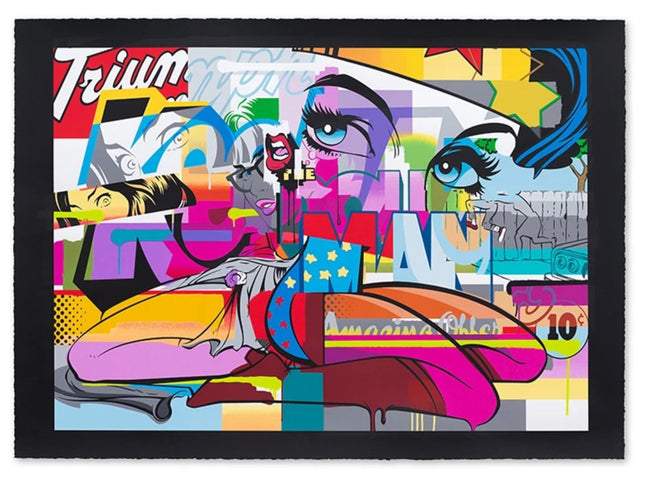
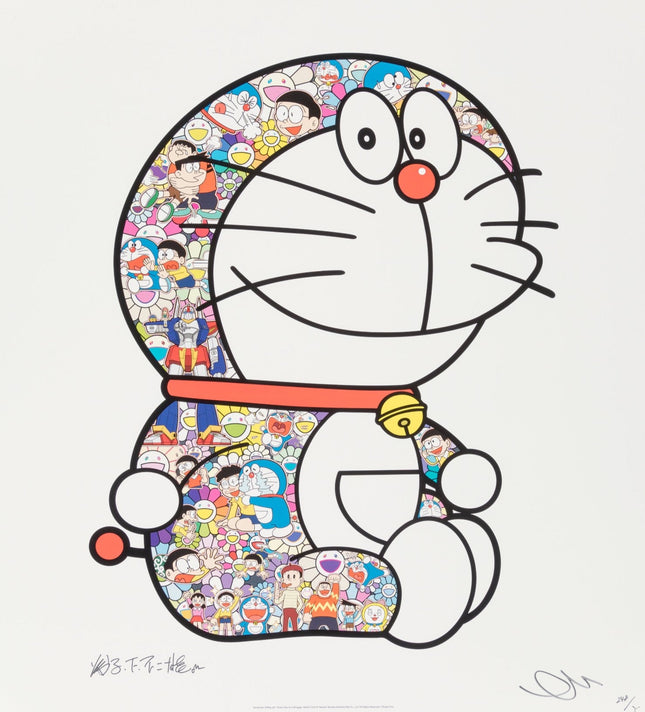
Concerning Street Pop Art and Graffiti Artwork, print art represents a dynamic and influential medium that has played a crucial role in the dissemination and evolution of these art forms. Historically, printmaking has been a vital tool for artists to reproduce their work efficiently and accessibly, allowing them to reach a broader audience. In street and pop art, print art encompasses various techniques, including screen printing, stencil printing, and lithography, each offering unique possibilities for artistic expression and mass distribution. This medium has enabled artists to challenge traditional notions of art, bringing their work from the streets to the galleries and vice versa.
Evolution and Techniques of Print Fine Art in Street and Pop Art
The evolution of print art within the street and pop art genres is marked by its adoption by iconic artists like Andy Warhol and Keith Haring, who utilized screen printing techniques to create vibrant, high-impact images. This approach allowed for the repetition of bold graphics and bright colors, typical of pop art aesthetics. In street art, printmaking techniques, especially stenciling, became instrumental for artists like Banksy and Shepard Fairey. Stencils allowed for quick, reproducible designs that could be executed rapidly in public spaces. These techniques not only facilitated a more efficient way of producing art but also contributed to the signature styles of these artists, making their work instantly recognizable. The journey of print art within street and pop art has been one of innovation, adaptation, and significant influence. Iconic figures like Andy Warhol and Keith Haring played pivotal roles in this evolution. Warhol, a leading figure in the pop art movement, revolutionized the concept of art production through his use of screen printing. His technique, characterized by the repetition of photographic images and the use of bold, vivid colors, challenged traditional notions of originality and artistic genius. This approach was perfectly aligned with the pop art movement's ethos, which sought to blur the lines between 'high' art and 'low' cultural imagery, often derived from mass media and consumer culture. Keith Haring, another seminal artist, leveraged print art to create dynamic, high-energy works that were accessible and relatable. His art, often filled with simple yet impactful imagery, was rooted in the street culture of New York City. Haring's use of bold lines and bright colors became synonymous with the visual language of the 1980s and left a lasting imprint on the pop art landscape. His work also exemplified the democratizing power of print art, as he often produced prints of his work to make it more accessible to a broader audience.Print Art's Impact on Accessibility and Distribution
One of the most significant impacts of print art in Street Pop Art and Graffiti Artwork is its role in democratizing art. By enabling mass production, print art has allowed street and pop artists to distribute their work widely, challenging the exclusivity of traditional art forms and galleries. This accessibility has been essential in shaping public perception of street and pop art, transforming them from subcultural expressions to respected and sought-after art forms. Furthermore, the affordability of prints has made it possible for a broader audience to own and engage with art, breaking down barriers between the artists and the public. Print art has served as a vehicle for mass communication and cultural critique in street and pop art. The ability to produce multiple copies of a single image has allowed artists to reach a wider audience, spreading their visual messages far and wide. This aspect of print art aligns well with the ethos of street and pop art, which often comment on consumerism, political issues, and societal norms. The replication of images in print art echoes the mass-produced nature of consumer goods and media imagery that these art movements often critique.Print Fine Art Contemporary Trends and Future Directions
Print art stands at the crossroads of tradition and innovation in the current artistic milieu. Digital technology has ushered in a new era for printmaking, allowing artists to infuse time-honored techniques with cutting-edge processes. This fusion has created hybrid works that blur the lines between analog and digital, handcrafted and machine-produced, tangible and virtual. Such innovations reflect the fluid nature of Street Pop Art and Graffiti Artwork, where staying static is not an option, and evolution is the norm. Artists entrenched in street pop art and graffiti are redefining the scope of print art by incorporating elements of 3D modeling, digital collage, and algorithmic design. The textures, colors, and forms that were once exclusive to the digital realm are now being translated into physical prints, expanding the artists' visual vocabulary and offering new experiences to the audience. As these digital techniques become more sophisticated, the ability to manipulate images and create complex layers has resulted in prints that are not only artworks but also technical marvels. Integrating augmented reality (AR) and virtual reality (VR) with traditional print art is another frontier being explored. AR-enabled prints can transform static images into interactive experiences, engaging viewers in a multisensory journey.
Similarly, VR can take the essence of a print and expand it into an immersive environment, allowing the audience to step into a world crafted by the artist. These developments are expanding the canvas for artists and redefining the relationship between the artwork and the viewer. Environmental sustainability is also shaping the future of print art. As the world becomes more ecologically conscious, artists are seeking ways to reduce the environmental impact of their work. This has led to exploring eco-friendly inks, recycled materials, and alternative energies in creating prints. The street pop art and graffiti scenes, which have always had a dialogue with the urban environment, are now extending this conversation to the planet's wellbeing, making art that speaks to societal issues and treads lightly on the earth. The democratization of art through digital platforms has significantly impacted print art. Social media and online galleries have made it easier for artists to showcase their work and for collectors to discover and acquire new pieces. This accessibility breaks down the barriers between artists and audiences, fostering a global community of creators and enthusiasts. The ease of sharing and selling prints online not only boosts the visibility of artists but also contributes to the cultural and economic vitality of the art market.
Looking forward, print art is poised to embrace even more radical transformations. Biotechnology and materials science advances could lead to living prints that change over time, grow, or even respond to their environment. Exploring space and celestial bodies as new canvases for art is another realm that printmaking could venture into. The ethos of street pop art and graffiti, with their roots in challenging the status quo and pushing boundaries, aligns perfectly with these forward-thinking prospects. In the grand tapestry of Street Pop Art and Graffiti Artwork, print art continues to be a thread that weaves the past and future together. It stands as a testament to the resilience and adaptability of these art forms, evolving to meet the moment while never losing sight of their foundational principles. As technology progresses and society changes, print art will undoubtedly remain at the forefront of artistic innovation, capturing the imagination of artists and audiences alike for generations to come.