Rap & Hip-Hop Music

7 artworks

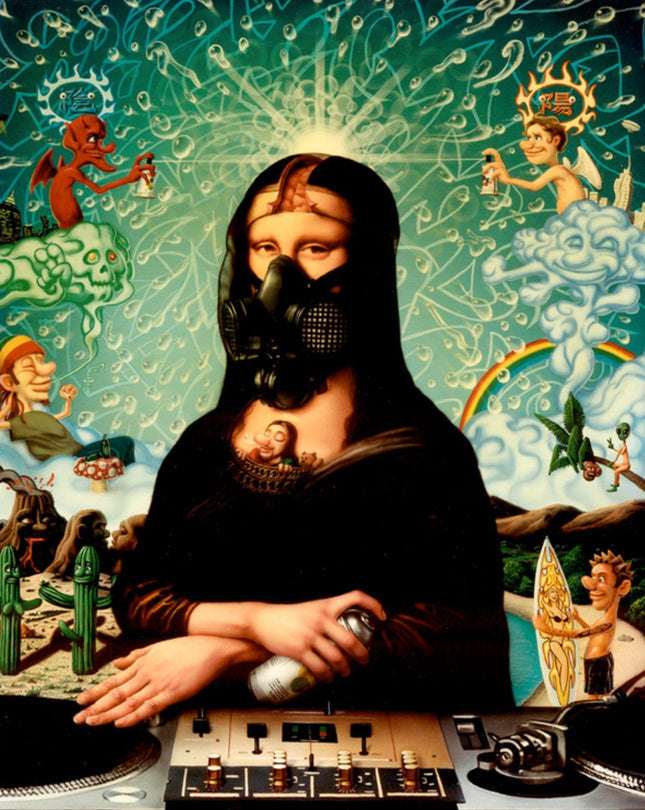
  • Sweet Dreams Giclee Print by Naoto Hattori

    Naoto Hattori Sweet Dreams Giclee Print by Naoto Hattori

    Sweet Dreams Artwork Giclee Limited Edition Surreal Print on 100% Cotton Rag Fine Art Paper by Pop Culture Graffiti Artist Naoto Hattori. SWEET DREAMS 20 x 24 inches (50.8 x 61 cm) High Quality Giclee Print on 100% Cotton Rag Fine Art Paper Signed and Numbered Edition of 150

    $352.00

  • Tito Puente Dave Valentin Celia Cruz Photo Print by Joe Conzo Jr

    Joe Conzo Jr Tito Puente Dave Valentin Celia Cruz Photo Print by Joe Conzo Jr

    Tito Puente Dave Valentin Celia Cruz 1980 Photo Print by Joe Conzo Jr Limited Edition on 290gsm Moab Entrada Fine Art Paper Pop Graffiti Street Artist Modern Artwork. 2023 Signed Print Limited Edition of 5 Artwork Size 20x16 Archival Pigment Fine Art of Tito Puente Dave Valentin Celia Cruz Musicians & Singers in 1980. The Significance of Tito Puente, Dave Valentin, and Celia Cruz in Street Pop Art & Graffiti Artwork The 1980 photograph of Tito Puente, Dave Valentin, and Celia Cruz, captured by the iconic Joe Conzo Jr., holds a profound position in the history of art and music. This limited-edition archival pigment print is more than a historical artifact; it is a modern representation of the fusion between music, culture, and art. Printed on 290gsm Moab Entrada Fine Art Paper, this signed and numbered piece exemplifies how traditional fine art photography intersects with contemporary Street Pop Art and Graffiti Artwork. Joe Conzo Jr.'s Legacy in Modern Art Joe Conzo Jr., an acclaimed photographer from New York, has documented pivotal moments in Latin music and culture. Born into a family deeply connected to music and the arts, Conzo's photographic lens captured the vibrancy and resilience of communities during the cultural explosion of the 1970s and 1980s. His work often blurs the lines between fine art and urban expression, making his contributions highly relevant to Street Pop Art and Graffiti Artwork. This particular 1980 photograph immortalizes the synergy of Tito Puente, the King of Latin Jazz; Dave Valentin, a jazz flutist of Puerto Rican descent; and Celia Cruz, the Queen of Salsa. Their collective presence represents a blend of rhythm, heritage, and global influence. Street Pop Art and the Urban Connection This print resonates strongly with the ethos of Street Pop Art and Graffiti Artwork. In urban artistic movements, capturing moments of cultural significance is paramount. The energy of the performers in the image parallels the vibrancy of graffiti murals that often celebrate cultural icons. Artists inspired by this movement often integrate the dynamic expressions seen in such photographs, transforming them into large-scale works on public walls. This blend of music and art creates a narrative that is both accessible and deeply rooted in community identity. Historical Context and Artistic Medium The limited edition of this print highlights the importance of archival techniques in preserving historical moments. The use of 290gsm Moab Entrada Fine Art Paper and archival pigment ensures the longevity and visual impact of the artwork. Measuring 20x16 inches, the print showcases the intensity of the performance and the charisma of its subjects. By using a medium traditionally associated with fine art, Conzo bridges the gap between classical documentation and the expressive boldness of graffiti-inspired aesthetics. This artwork is a testament to the enduring power of collaboration between music, art, and community. Its significance within Street Pop Art and Graffiti Artwork lies in its ability to evoke the rhythms, stories, and spirit of its subjects, making it an essential piece for collectors and enthusiasts alike.

    $450.00

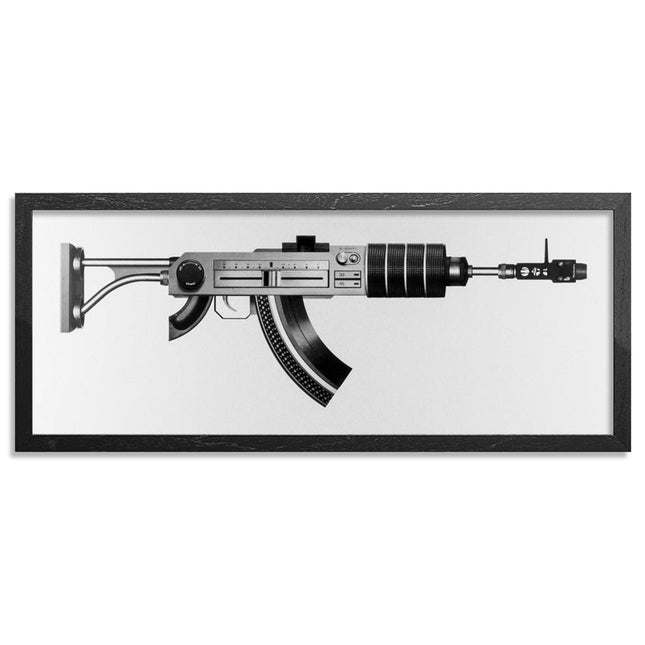
  • AK40Heaven Metal Archival Print by Fil Fury

    Fil Fury AK40Heaven Metal Archival Print by Fil Fury

    AK40Heaven Limited Edition Archival Pigment Prints on Metal by Fil Fury Graffiti Street Artist Modern Pop Art. "This piece is inspired by late UK 90's House and Garage music. There was an original digital artwork I created, made from photographs I took a few years back. That piece has since been modified to create a bespoke run for 1xRUN.The stock has been added to the gun and it is printed on metal. It looks crazy! I am so happy with the result, the metal sheeting reflects the textures of the original Technics deck. These Technics decks were part of my youth.” - Fil Fury

    $323.00

  • Harlem World CCB Gangsters 81 Photo Print by Joe Conzo Jr

    Joe Conzo Jr Harlem World CCB Gangsters 81 Photo Print by Joe Conzo Jr

    Harlem World CCB Gangsters 81 Photo Print by Joe Conzo Jr Limited Edition on 290gsm Moab Entrada Fine Art Paper Pop Graffiti Street Artist Modern Artwork. 2023 Signed Print Limited Edition of 5 Artwork Size 20x16 Archival Pigment Fine Art of Cold Crush Brothers Rap Music Group in Vintage Gangster Costume and Outfits at Harlem World. Harlem World CCB Gangsters 81 Photo Print by Joe Conzo Jr The Harlem World CCB Gangsters 81 photo print by Joe Conzo Jr is a remarkable representation of hip-hop’s early visual aesthetic and theatricality. This 2023 limited-edition archival pigment print, produced on 290gsm Moab Entrada Fine Art Paper, captures the legendary Cold Crush Brothers in vintage gangster-inspired costumes. The 20x16 artwork, signed by Conzo, offers a window into the creativity and flair that defined the group’s performances, blending music, style, and Street Pop Art. The Cold Crush Brothers: Style Icons of Hip-Hop The Cold Crush Brothers were instrumental in shaping the culture and sound of hip-hop during its formative years in the late 1970s and early 1980s. Known for their lyrical prowess, elaborate stage routines, and eye-catching costumes, the group set a standard for showmanship and innovation. This photograph, taken at Harlem World in 1981, highlights their flair for dramatics. It features the group dressed in dapper suits and fedoras and accessorized with prop weapons, channeling the look of classic gangsters. Harlem World, a prominent venue in the Bronx during the golden age of hip-hop, served as a cultural hub for live performances, battles, and community gatherings. The Cold Crush Brothers often performed there, bringing their unique blend of storytelling and stage presence to captivated audiences. This image showcases their ability to merge music and fashion into a cohesive narrative, further solidifying their place in hip-hop history. Joe Conzo Jr: Documenting Hip-Hop’s Evolution Joe Conzo Jr is celebrated as one of the first photographers to document hip-hop’s emergence in New York City. His work captures the movement's pioneers' raw energy, individuality, and artistry. Known as the man who took hip-hop’s baby pictures, Conzo’s lens immortalized the vibrant culture of the Bronx and the figures who defined it. His photographs serve as a bridge between music and Street Pop Art, offering a unique perspective on the cultural intersections of the era. This photograph reflects Conzo’s eye for composition and detail, emphasizing the Cold Crush Brothers’ personalities and the deliberate craftsmanship of their image. The gangster motif seen in this photoshoot demonstrates how hip-hop artists adopted and reinterpreted cultural symbols to express power, confidence, and creativity. Artistic and Historical Significance The Harlem World CCB Gangsters 81 photo print exemplifies the interplay between music, fashion, and art that defined early hip-hop. The archival-quality materials used in its production ensure that the image’s intricate details, from the textures of the suits to the expressions of the group members, are preserved. The 20x16 size amplifies the photograph’s visual impact, making it a must-have piece for collectors and enthusiasts of Street Pop Art and graffiti artwork. This limited-edition print not only celebrates the Cold Crush Brothers as pioneers of hip-hop but also serves as a testament to the creative synergy between music and visual art during this transformative period. Through Joe Conzo Jr’s lens, the image captures the spirit of innovation and self-expression that continues to influence contemporary culture. The Harlem World CCB Gangsters 81 photo print is both a historical artifact and a dynamic piece of modern art that pays homage to the roots of hip-hop.

    $475.00

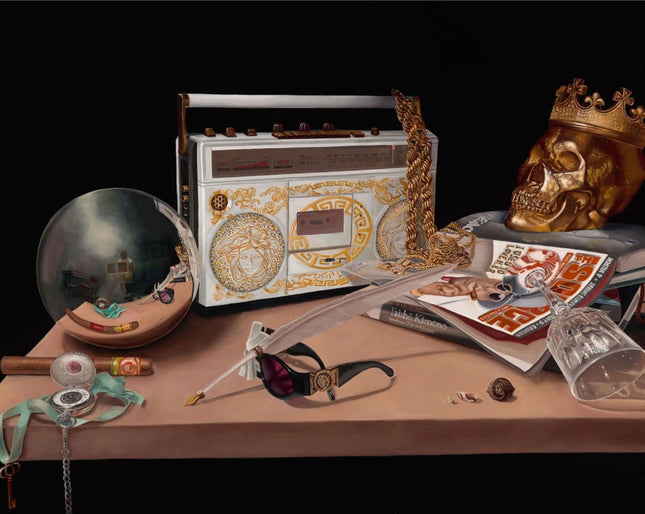
  • Life After Death Giclee Print by Ken Flewellyn

    Ken Flewellyn Life After Death Giclee Print by Ken Flewellyn

    Life After Death Artwork Giclee Limited Edition Print on 290gsm Fine Art Paper by Pop Culture Graffiti Artist Ken Flewellyn. 20x16 inches / 51x41 cm Edition of 40 Fine art print on 290gsm paper Hand-signed and numbered by the artist Ken Flewellyn’s Life After Death: Baroque Symbolism in Street Pop Art Form Ken Flewellyn’s Life After Death presents a meticulously rendered still life that fuses classical painting traditions with the language of Street Pop Art & Graffiti Artwork. Released as a 20 x 16 inch giclée print on 290gsm fine art paper in a signed and numbered edition of 40, the piece takes aesthetic cues from 17th-century vanitas while layering in modern hip-hop and pop culture references. With photographic precision, Flewellyn constructs a visual narrative about legacy, excess, identity, and mortality—turning familiar symbols into philosophical statements. A gold-plated skull wearing a crown rests atop a stack of magazines, evoking both royalty and finality. The juxtaposition of this memento mori with luxury objects—a Versace-styled boombox, thick gold rope chain, designer sunglasses, a spilled wine glass—highlights the tension between materialism and impermanence. The broken cigar, empty jewelry case, and antique pocket watch on a satin ribbon extend this commentary, nodding to the fragility of status and time. Like Dutch vanitas painters who used decaying fruit and extinguished candles to hint at life’s brevity, Flewellyn replaces those metaphors with consumer goods, packaging the same message for a contemporary audience. Hyperrealism as a Tool of Cultural Synthesis The precision of Flewellyn’s painting style is not just a technical flex—it’s a deliberate choice that elevates the visual weight of every object on the table. Each item is treated with reverence and clarity, forcing the viewer to examine them individually and collectively. Hyperrealism in this context becomes a method of preservation, much like how historical paintings immortalized wealth, nobility, or religious conviction. Here, the objects preserved are relics of urban culture, hip-hop mythology, and fashion-driven self-construction. This synthetic approach to visual storytelling is one of Flewellyn’s strengths. Rather than lean into abstraction or expressive distortion, he paints with clinical sharpness. The boombox, decorated with intricate Medusa heads and gold patterning, becomes a sacred totem. The magazines, showing muscle-bound figures and flashy headlines, serve both as cultural archive and pop commentary. The reflection in the polished orb at left even contains the outline of the artist’s studio space, collapsing the illusion of classical detachment and re-inserting the viewer into the act of creation. Rewriting the Still Life Through Street Pop Language Ken Flewellyn’s background in pop culture study and urban visual language allows Life After Death to operate as a cross-genre artwork. Though not made with aerosol or on public walls, its structure and symbols place it firmly in the lineage of Street Pop Art & Graffiti Artwork. The work reframes the aesthetics of graffiti—where hierarchy, identity, and legacy are constantly negotiated—through the composition and technique of high art traditions. It does not imitate graffiti stylistically; instead, it honors its values through symbolism and narrative. By reconstructing a still life with hip-hop’s material vocabulary, Flewellyn bridges historical and contemporary methods of cultural storytelling. The table becomes a battlefield of symbols—power, time, excess, fame—and the viewer is invited to read the relics for what they reveal about the pursuit of permanence in a transient world. The crown, worn by a skull, reminds us that all power is borrowed. The spilled drink, the tangled chain, the tooth—each item carries encoded meaning, transformed by the hand of the artist into a modern-day parable. Ken Flewellyn’s Life After Death captures the essence of contemporary Street Pop Art by combining the rigor of fine art painting with the immediacy of cultural critique. Through composition, symbolism, and visual clarity, it serves as a statement on mortality, self-image, and what survives after the noise fades.

    $217.00

  • Grandmaster Caz Cold Crush Brothers Disco Fever Print by Joe Conzo Jr

    Joe Conzo Jr Grandmaster Caz Cold Crush Brothers Disco Fever Print by Joe Conzo Jr

    Grandmaster Caz Cold Crush Brothers Disco Fever Photo Print by Joe Conzo Jr Limited Edition on 290gsm Moab Entrada Fine Art Paper Pop Graffiti Street Artist Modern Artwork. 2023 Signed Print Limited Edition of 5 Artwork Size 20x16 Archival Pigment Fine Art of Grandmaster Caz of the Cold Crush Brothers at Disco Fever. Grandmaster Caz Cold Crush Brothers Disco Fever Print by Joe Conzo Jr The Grandmaster Caz Cold Crush Brothers Disco Fever Print by Joe Conzo Jr. is a striking archival photograph that captures a pivotal moment in the history of hip-hop. This limited edition artwork, created in 2023, features an iconic image of Grandmaster Caz performing at the legendary Disco Fever nightclub in the Bronx. Printed on 290gsm Moab Entrada Fine Art Paper using archival pigment techniques, this signed and numbered edition of five highlights the artistry and influence of both the performer and the photographer. Measuring 20x16 inches, the photograph serves as a powerful representation of the energy and creativity that defined the early hip-hop era. The Influence of Grandmaster Caz and the Cold Crush Brothers Grandmaster Caz, a foundational member of the Cold Crush Brothers, is widely recognized as one of hip-hop’s most innovative and influential MCs. Known for his lyrical prowess and magnetic stage presence, Caz played a key role in shaping the culture and sound of early hip-hop. This photograph captures him mid-performance at Disco Fever, a venue that was central to the genre’s rise in the 1970s and 1980s. The Cold Crush Brothers became synonymous with lyrical excellence and performance artistry, inspiring countless artists and influencing the aesthetics of Street Pop Art and Graffiti Artwork that celebrated the vibrancy of urban life. Joe Conzo Jr.’s Role in Documenting Hip-Hop History Joe Conzo Jr., often hailed as hip-hop’s first photographer, has created an invaluable visual archive of the culture’s formative years. His ability to capture the raw energy and cultural significance of the Bronx during this time has cemented his place as a critical figure in the documentation of urban art and music. This particular print, with its intimate focus on Grandmaster Caz, reflects Conzo’s talent for preserving fleeting moments that embody the spirit of an era. His work seamlessly connects the worlds of Street Pop Art and Graffiti Artwork by highlighting the intersection of performance, visual art, and cultural commentary. The Artistic and Cultural Significance of the Disco Fever Print The Disco Fever nightclub was more than just a venue; it was a cultural hub that brought together musicians, graffiti artists, and fans of hip-hop. The Grandmaster Caz print captures the electric atmosphere of this iconic space, emphasizing its role as a breeding ground for creativity and innovation. The choice of archival pigment printing on fine art paper elevates this image into a collectible work of art, ensuring its longevity and vibrancy. As a limited edition of only five, this print not only celebrates the artistry of Grandmaster Caz and the Cold Crush Brothers but also underscores the importance of Joe Conzo Jr.’s photographic contributions to the broader narrative of Street Pop Art and Graffiti Artwork. This piece stands as a timeless tribute to the pioneers of hip-hop and the artistic movements they inspired.

    $350.00

  • DJ Charlie Chase 89 Photo Print by Joe Conzo Jr

    Joe Conzo Jr DJ Charlie Chase 89 Photo Print by Joe Conzo Jr

    DJ Charlie Chase 89 Photo Print by Joe Conzo Jr Limited Edition on 290gsm Moab Entrada Fine Art Paper Pop Graffiti Street Artist Modern Artwork. 2023 Signed Print Limited Edition of 5 Artwork Size 20x16 Archival Pigment Fine Art of DJ Charlie Chase at a Show in 1989. DJ Charlie Chase: 1989 Photo by Joe Conzo Jr in Street Pop Art & Graffiti Artwork The 1989 photograph of DJ Charlie Chase, captured by Joe Conzo Jr., stands as a pivotal visual piece within the context of Street Pop Art and Graffiti Artwork. This limited-edition archival pigment print, measuring 20x16 inches and produced on 290gsm Moab Entrada Fine Art Paper, encapsulates a defining moment in hip-hop’s cultural evolution. The photograph represents a connection between the musical artistry of DJ Charlie Chase and the visual creativity that dominates urban spaces through graffiti and pop art movements. Joe Conzo Jr.'s Contribution to Cultural Narratives Joe Conzo Jr., a photographer born and raised in New York City, is celebrated for documenting the early days of hip-hop. His work preserves the raw and energetic atmosphere of an emerging cultural movement during the late 20th century. This photograph of DJ Charlie Chase showcases not only the technical brilliance of Conzo’s lens but also his ability to capture the essence of hip-hop culture at its core. His photography often becomes a medium for Street Pop Art and Graffiti Artwork, as it bridges music, culture, and the visual storytelling inherent to urban communities. DJ Charlie Chase and Hip-Hop Culture DJ Charlie Chase, a prominent figure in hip-hop’s formative years, is known for his role in the Cold Crush Brothers. As one of the first Latino DJs to make an impact in the genre, his contributions are significant to the representation of diversity in hip-hop. This 1989 image captures him in the midst of a show, with turntables and an audience in the background, symbolizing the pulse of a movement that reshaped music and art worldwide. The energy in the image mirrors the dynamism found in graffiti walls and street art installations, where rhythm and motion translate into bold lines and vibrant compositions. The Artistic Medium and Modern Interpretation The use of archival pigment printing on Moab Entrada Fine Art Paper ensures this artwork remains a timeless piece. The limited edition of five, signed and numbered in 2023, makes it a rare collectible that resonates with the ethos of Street Pop Art and Graffiti Artwork. The visual language of the photograph, with its layered elements of movement, community, and creativity, inspires urban artists to reinterpret it in graffiti and murals. These reinterpretations extend the photograph’s narrative, embedding it in a larger cultural dialogue that continues to evolve. This photograph by Joe Conzo Jr. serves as a bridge between past and present, capturing the heartbeat of hip-hop culture while providing inspiration for modern artistic expressions in the realms of street art and graffiti.

    $350.00

Rap & Hip Hop

The streets have long been a canvas for expression, a realm where the voices of the marginalized find visual form. Rap and hip hop, emerging from the bustling corners of urban America, have carved an indelible mark not only through sound but also through visual art. Graffiti, with its vibrant tags and elaborate murals, became a visual synonym for hip-hop culture. It is this culture that has etched its narrative into the walls of cities worldwide, echoing the beats and rhymes of a genre that speaks to the core of societal experiences and struggles. Hip hop's essence, originating in the 1970s, was a powerful concoction of rhythmic beats, spoken word, and an indomitable spirit that challenged the status quo. As this culture flourished, it birthed a visual language mirrored its bold and aggressive music. Artists such as Fab 5 Freddy and Lee Quiñones transported the lyrical flow from the mic to the wall, using graffiti to encapsulate the brashness and social commentary inherent in hip-hop. Pop art, with its penchant for merging high and low cultural imagery, found a kindred spirit in hip-hop's raw and uncensored portrayal of urban life.

The visual stylings of hip hop, encompassing graffiti and street art, have transcended their initial underground standings to influence mainstream pop art. Renowned artists like Jean-Michel Basquiat and Keith Haring, with roots in street art, transitioned to gallery spaces, bringing the unapologetic and stark narratives of hip hop. Their works, characterized by an unabashedly bold aesthetic, narratives of resistance, and sociopolitical commentary, became the bridge between street culture and the polished art world. This fusion, indicative of hip hop's influence, showcased the power of street-inspired artistry to convey complex messages and resonate with a diverse audience. Modern pop artists continue to draw inspiration from hip-hop's vast palette of expressions. Shepard Fairey's work, for example, is replete with the ethos of hip hop culture, utilizing the language of the streets to engage in broader political and social discourse. His iconic "Obey" campaign and presidential portraits testify to hip-hop's influence on his approach to art. Such artwork does not merely reflect hip-hop culture; it actively participates in the ongoing dialogue around issues central to the genre, such as identity, power, and justice.

The digital age's expansiveness has also marked the evolution of hip-hop's visual representation. Street art and graffiti are no longer confined to urban walls but have found a new home in the digital world, where their reach and impact are amplified. Artists and collectives use social media to display their hip-hop-influenced works, making them accessible globally and instantaneously. This digital proliferation has facilitated a unique intersection of hip-hop and contemporary pop art, where traditional techniques of spray paint and stencil meet the innovative realms of digital art and NFTs, further demonstrating hip-hop's versatile influence. In essence, the narrative of rap and hip hop is a continuing saga of cultural transformation, where its influence on visual art forms remains a compelling testament to its power. Graffiti, once dismissed as mere vandalism, now adorns the corridors of fine art, and pop art continually evolves through the aesthetics and themes of hip-hop culture. This synergy speaks volumes about the enduring impact of hip-hop, affirming its role as a cultural catalyst and a voice for those who wish to paint their truths onto the canvas of the world.

Footer image

© 2025 Sprayed Paint Art Collection,

    • Amazon
    • American Express
    • Apple Pay
    • Bancontact
    • Diners Club
    • Discover
    • Google Pay
    • iDEAL
    • Mastercard
    • PayPal
    • Shop Pay
    • Visa

    Login

    Forgot your password?

    Don't have an account yet?
    Create account