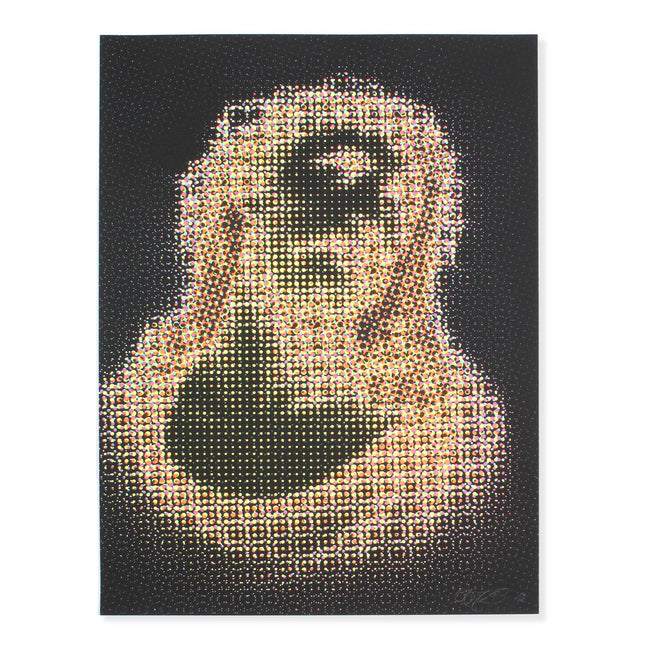
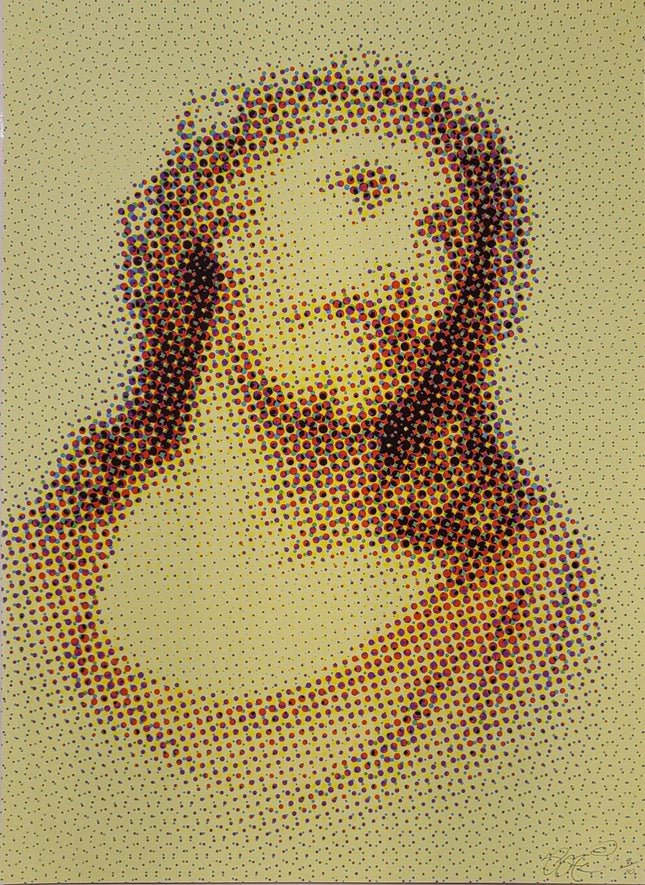
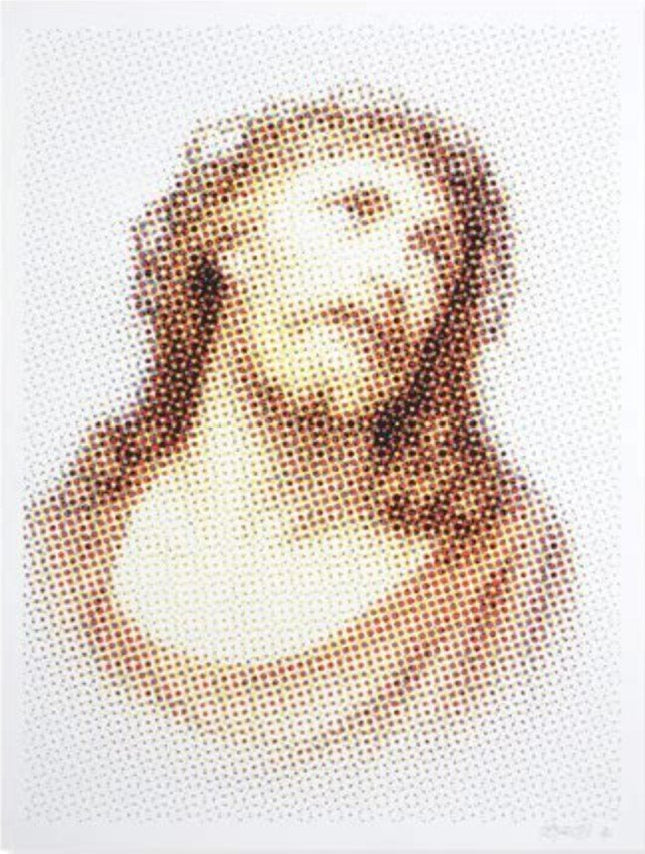
The presence of religious themes in street pop art and graffiti artwork is as diverse and complex as the beliefs they represent. Across cityscapes worldwide, spiritual motifs emerge on the walls, reflecting the intersection of faith and public expression. Integrating the sacred with the spray can have transformed mundane urban environments into open-air galleries of theological discourse and reflection. Religion has been a recurring theme in graffiti and pop art throughout history. Graffiti art is often associated with urban spaces and subcultures, where artists use public spaces to express their beliefs and opinions.
On the other hand, pop art is known for incorporating elements of popular culture into fine art. In graffiti art, religious symbols and imagery are often used to make a statement or express a message. These symbols may include crosses, crescents, Stars of David, or religious figures such as Jesus or Buddha. Graffiti artists may use these symbols to criticize or question religion or express their beliefs. For example, the street artist Banksy has used religious imagery in many of his works, including a mural of a dove wearing a bulletproof vest, which was seen as a commentary on the conflict in the Middle East.
Similarly, pop artists have also used religious symbols in their work. For example, Andy Warhol, one of the most famous pop artists, created a series of prints featuring the Last Supper image. Warhol's interpretation of the religious scene was seen as a critique of consumerism and capitalism. Other pop artists like Keith Haring incorporated religious imagery into their work to explore themes of love, death, and spirituality. However, religious imagery in art has also been controversial, with some people seeing it as disrespectful or offensive. In recent years, some street artists have been criticized for using religious symbols in their work, particularly in conservative or religious communities. Despite this, religious imagery in graffiti art and pop art remains a popular theme and continues to be explored by artists worldwide.
Spiritual Iconography in Public Spaces
In street pop art, religious iconography often serves a dual purpose: it celebrates cultural heritage and challenges viewers to contemplate the role of religion in modern society. Artists like Banksy, whose identity remains concealed, frequently incorporate religious symbols to provoke thought on contemporary moral issues. By portraying angels, saints, and other holy figures, these artists engage in a visual dialogue with the onlooker, prompting introspection and, often, introspection on existential matters. Murals depicting religious narratives can act as modern-day frescoes, telling timeless stories against the backdrop of contemporary life. The universality of these themes allows for a connection with a broad audience, resonating with the deeply ingrained human inclination towards spirituality. Moreover, religious street pop art can be a beacon of hope and solace in areas where communities face social or political strife, offering a sense of unity and peace amidst chaos.
Graffiti Artwork as a Commentary on Faith
Graffiti artwork, born from the need to express and claim space, also comments on religious institutions and faith interpretation. Artists sometimes use the subversive nature of graffiti to question the contradictions and conflicts within religious entities. Images of deities or sacred texts sprayed on a neglected building can criticize the disconnect between religious teachings and the lived reality of the marginalized. Yet, it's not all critique. In many cases, religious graffiti celebrates the diversity of belief systems, illustrating the inclusive nature of urban art. It reflects the multicultural tapestry of the cities it adorns, serving as a testament to the harmonious coexistence of different faiths. The public nature of these artworks ensures that the conversation about religion and its place in the modern world is ongoing and accessible to all. The interplay between religion and street art is a testament to the enduring need to understand the divine and its relevance in human life. Whether through reverence or critique, the religious motifs in street pop art and graffiti contribute to the dynamic conversation about spirituality in the public sphere. They invite contemplation, comfort, and sometimes challenge the status quo, ensuring that the streets remain where the sacred and civic merge.