Religion

9 artworks

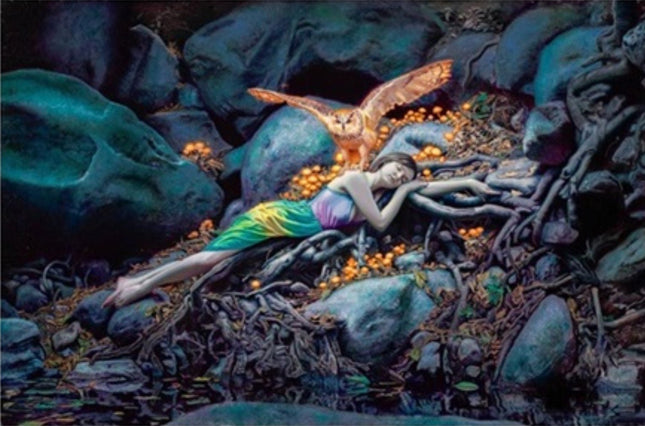
  • Nemeta II Giclee Print by Rodrigo Rod Luff

    Rod Luff Nemeta II Giclee Print by Rodrigo Rod Luff

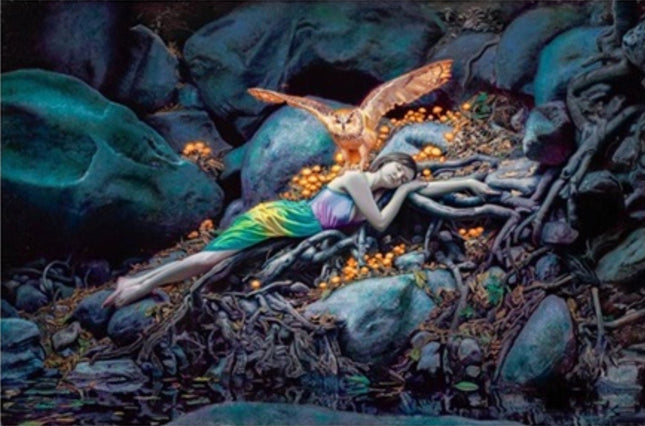
    Nemeta II Artwork Giclee Limited Edition Print on Fine Art Paper by Pop Culture Graffiti Artist Rodrigo Rod Luff. 2016 Signed & Numbered Limited edition of 30 Giclee Artwork Size 24x16 Rodrigo Luff's "Nemeta II" is a giclée print on fine art paper, symbolic of his ability to weave the fantastical elements of pop culture with the aesthetic precision of fine art. Signed and numbered in a limited edition of 30, this 2016 artwork, sized at 24x16 inches, encapsulates Luff's signature style. The piece's limited edition status enhances its value among collectors and admirers of Luff's work, which often explores the dreamlike interplay between humans and nature. "Nemeta II" stands as a testament to Luff's artistic vision, merging the accessibility and expressive power of street pop art with the refined techniques of traditional printmaking.

    $217.00

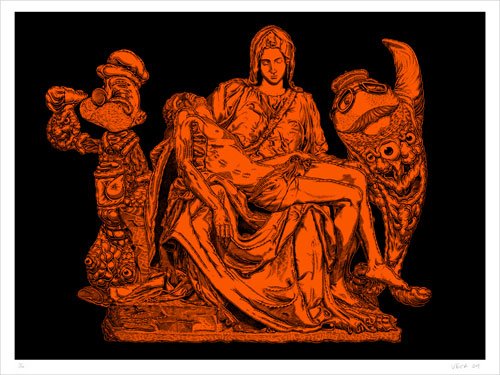
  • My Mary Silkscreen Print by Mark Dean Veca

    Mark Dean Veca My Mary Silkscreen Print by Mark Dean Veca

    My Mary 2-Color Hand-Pulled Limited Edition Silkscreen Print on Fine Art Paper by Mark Dean Veca Rare Street Art Famous Pop Artwork Artist.

    $533.00

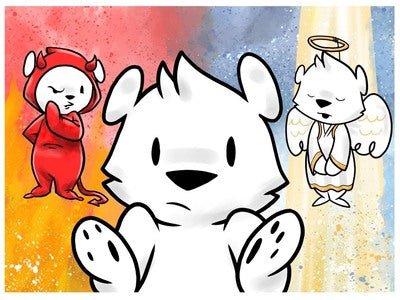
  • Shrug Giclee Print by Phil Lumbang

    Phil Lumbang Shrug Giclee Print by Phil Lumbang

    Shrug Limited Edition Giclee Print on Fine Art Paper by Phil Lumbang Graffiti Street Artist Modern Pop Art.

    $180.00

  • Shrug HPM #3 HPM Hand-Embellished - Sprayed Paint Art Collection

    Phil Lumbang Shrug HPM 3 HPM Giclee Print by Phil Lumbang

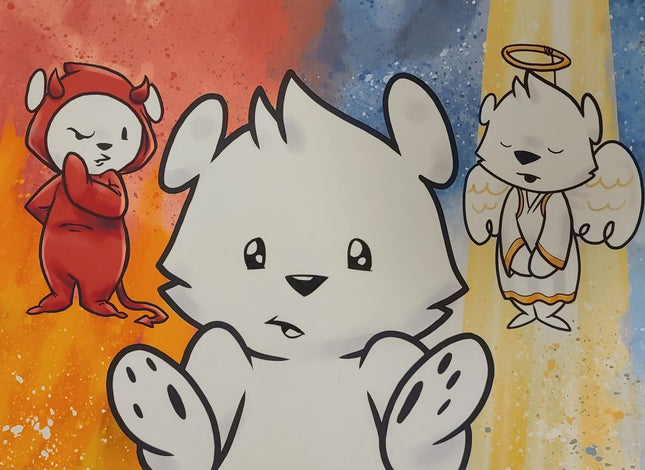
    Shrug HPM #3 Limited Edition Hand-Embellished Giclee Print on Fine Art Paper by Phil Lumbang Graffiti Street Artist Modern Pop Art. Hand-Painted Multiple Bear with Hand-Painted WTF Face and Other Elements.

    $352.00

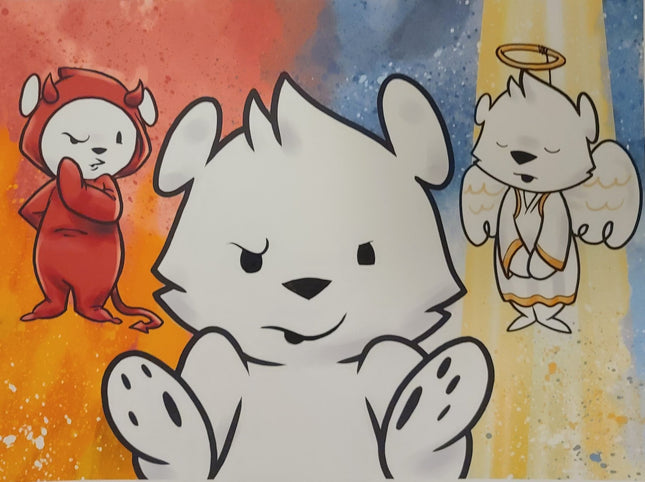
  • Shrug HPM #2 HPM Hand-Embellished - Sprayed Paint Art Collection

    Phil Lumbang Shrug HPM 2 HPM Print by Phil Lumbang

    Shrug HPM #2 Limited Edition Hand-Embellished Giclee Print on Fine Art Paper by Phil Lumbang Graffiti Street Artist Modern Pop Art. Hand-Painted Multiple Bear with Hand-Painted Questioning Face and Other Elements.

    $352.00

  • Virgen De Las Estrellas Silkscreen Print by Ernesto Yerena Montejano- Hecho Con Ganas

    Ernesto Yerena Montejano- Hecho Con Ganas Virgen De Las Estrellas Silkscreen Print by Ernesto Yerena Montejano- Hecho Con Ganas

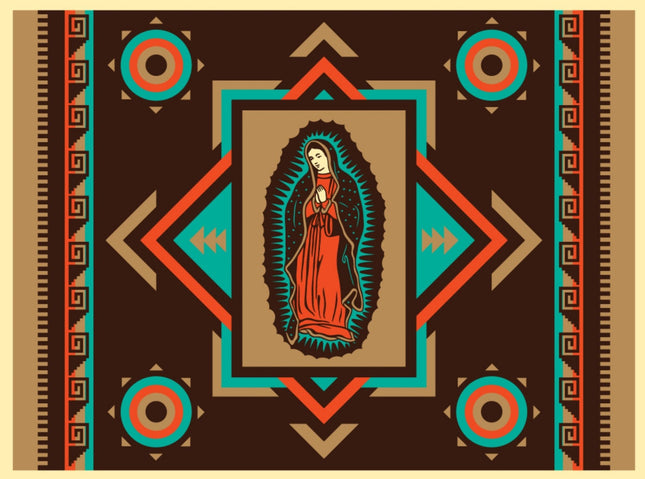
    Virgen De Las Estrellas Limited Edition 4-Color Hand-Pulled Silkscreen Print on Fine Art Paper by Ernesto Yerena Montejano Graffiti Street Artist Modern Pop Art. 2017 Signed 4 Color Screen Print Size: 24 x 18 inches Limited Edition of 200

    $352.00

  • Sale -15% Destiny Original Oil Painting by Dan Christofferson- Beeteeth

    Dan Christofferson- Beeteeth Destiny Original Oil Painting by Dan Christofferson- Beeteeth

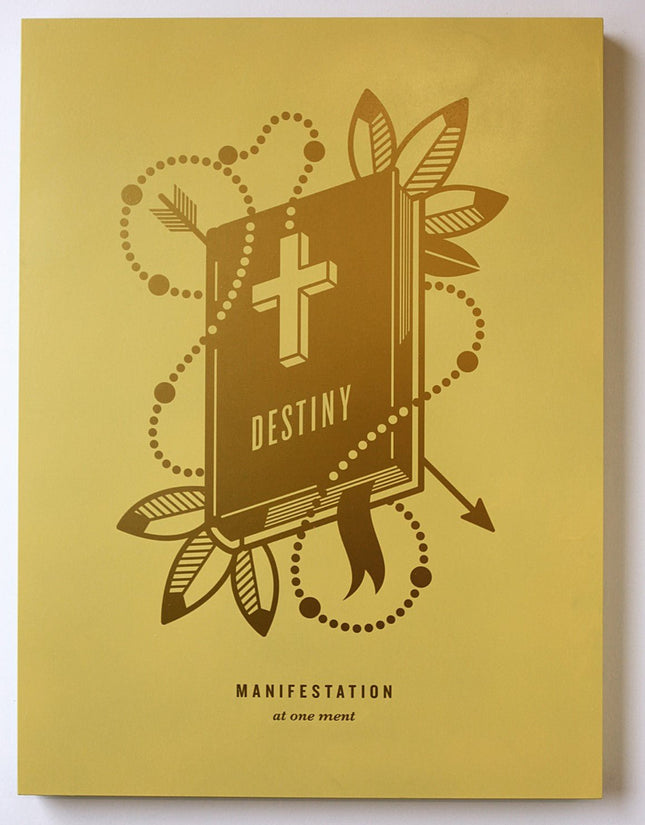
    Destiny Original Die Cut Vinyl, Oil Paint on Wood Cradled Panel ready to hang by Dan Christofferson- Beeteeth Graffiti Street Artist Modern Pop Art. "Destiny" - 24"x32" Die-cut vinyl on the panel for my "West Was Won" show. -Dan Christofferson

    $1,311.00 $1,114.00

  • Nemeta II AP Giclee Print by Rodrigo Rod Luff

    Rod Luff Nemeta II AP Giclee Print by Rodrigo Rod Luff

    Nemeta II AP Artist Proof Artwork Giclee Limited Edition Print on Fine Art Paper by Pop Culture Graffiti Artist Rodrigo Rod Luff. AP Artist Proof 2016 Signed & Marked AP Limited edition Giclee Artwork Size 24x16 Rodrigo Rod Luff’s Nemeta II: Mythic Reverie and Natural Illumination Rodrigo Rod Luff’s Nemeta II, created in 2016 as a signed Artist Proof giclée print measuring 24 x 16 inches, immerses the viewer in a fantastical vision where nature, femininity, and inner stillness converge under a glowing dreamscape. This fine art work presents a young woman asleep among thick roots and river-worn stone, her body curved gently into the earth as though reclaimed by it. Surrounding her are glowing fungi and an owl with radiant wings, all rendered in Luff’s signature style—an ethereal realism that merges botanical detail with supernatural light. The piece draws its title from the Celtic term nemeton, a sacred grove or ritual space in pre-Christian druidic tradition. This reference places the scene in a liminal zone where nature functions as sanctuary, memory, and threshold. The setting—a shadowed forest floor rich with tangled roots and luminous flora—feels both otherworldly and deeply grounded. The sleeping figure is not isolated but embraced by her surroundings, as if in communion with the unseen energies of the landscape. Her dress fades from pink to green to yellow, echoing the colors of sunrise, of chlorophyll, of renewal. The entire image speaks in the visual language of transcendence. Bioluminescence and Symbolic Companionship At the center of Nemeta II is not just the woman, but the owl perched behind her, its wings half-unfurled in a protective gesture. Owls in myth often represent guardianship, inner sight, and hidden wisdom. Here, the owl glows with the same internal light as the clusters of golden fungi that dot the earth and roots around them. This luminous quality does not come from an external source but seems to emerge from the environment itself—a recurring element in Rodrigo Rod Luff’s work, where light becomes metaphysical, a symbol of spirit, memory, and awakening. The presence of glowing mushrooms offers further symbolic layering. Bioluminescent fungi have long fascinated cultures as symbols of the unseen and the mysterious, often linked to transformation and rebirth. Luff’s rendering of them as sources of light—scattered across the terrain like constellations fallen to earth—elevates them beyond mere detail. They are storytellers within the environment, echoing the idea that everything in the forest is alive, observing, and interconnected. Nature Reimagined Through Pop-Inflected Magic Realism While Nemeta II is not rooted in street or graffiti practice, it reflects the sensibility of contemporary Street Pop Art in its fearless blending of classical painting technique with fantastical subject matter. Luff’s hyper-detailed brushwork recalls Old Master traditions, but the surreal composition, vibrant color schemes, and immersive atmosphere align with a pop-influenced aesthetic that embraces spectacle, emotion, and dream logic. Luff creates worlds where myth feels contemporary, and where nature is charged with divine energy. Nemeta II functions as a visual refuge—lush, glowing, and untamed—while simultaneously posing existential questions about connection, rest, and the cycles of life. It is a still moment suspended between light and shadow, waking and dreaming, reality and myth. In a cultural landscape often defined by noise, this work invites silence, introspection, and reverence. Rodrigo Rod Luff’s Nemeta II is not escapist fantasy; it is a reclamation of the sacred in the everyday, rendered through intense color, symbolic detail, and emotional stillness. It invites the viewer to remember what it means to be in harmony with the wild—to dream with eyes open, and to listen to the light beneath the roots.

    $507.00

  • Mourning Dance Archival Print by Graham Yarrington

    Graham Yarrington Mourning Dance Archival Print by Graham Yarrington

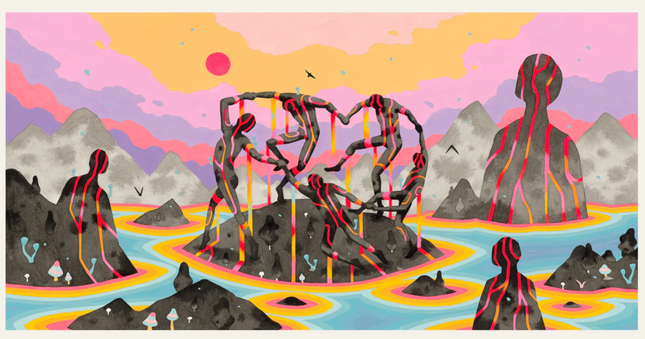
    Mourning Dance Archival Print by Graham Yarrington Limited Edition on Cotton Fine Art Paper, Pop Graffiti Street Artist Modern Artwork. 2023 Signed & Numbered Print Limited Edition of 30 Artwork Size 30x24 Archival Pigment Fine Art Mourning Dance by Graham Yarrington: Monumental Silence in Street Pop Art & Graffiti Artwork Mourning Dance is a 2023 signed and numbered archival pigment print by Brooklyn-based artist Graham Yarrington. Issued in a limited edition of 30, this 30 x 24 inch artwork on cotton fine art paper captures a surreal narrative rendered through the expressive language of modern Street Pop Art & Graffiti Artwork. Known for his dreamlike compositions and distinctive use of pastel psychedelia fused with monochrome landscapes, Yarrington constructs an image that feels both ancient and otherworldly, rooted in a spiritual landscape of memory, loss, and transcendence. A Ritual of Loss Frozen in Motion At the heart of Mourning Dance is a mountain-top tableau where elongated, molten-black humanoid figures form a delicate chain, caught mid-dance in a slow-motion spiral of grief and connection. These forms, marked by flowing neon lines of red, pink, and orange, appear to be bleeding energy into the terrain around them. The dancers rise from the island as extensions of the volcanic ground itself, almost as if pulled upward by sorrow. Their choreographed movements evoke a ceremonial lament, referencing the timeless role of dance as a communal expression of mourning. Encircling them is a dreamlike river glowing with concentric rings of color, turning the entire composition into a mythic memoryscape where geology, grief, and human spirit converge. A Psychedelic Vision of Time and Transformation The mountainous background, awash in hues of soft lavender and muted gray, is framed by a radiant sky of coral, orange, and tangerine tones with a distant magenta sun. These visual elements transport the viewer to a liminal realm that feels suspended outside of ordinary time. Mushrooms dotting the volcanic ridges suggest regeneration and hallucinogenic awareness, hinting at cycles of decay and rebirth. The juxtaposition of somber figures and radiant palette encapsulates Yarrington’s stylistic strength—bridging the internal emotional experience with the cosmic and environmental. His landscapes are not merely settings but sentient, alive with emotional resonance. Graham Yarrington’s Place in Contemporary Visual Language Graham Yarrington has emerged as a rising name in the world of contemporary Street Pop Art & Graffiti Artwork through his visual language that fuses illustration, graphic storytelling, and psychedelic symbolism. His work finds kinship with pop surrealism and abstracted street art, while distinctly pulling from ritualistic themes, mythology, and esoteric landscapes. Mourning Dance exemplifies this synthesis. It is meditative but monumental, quiet yet electric, full of mournful energy and vibrant life. Through subtle metaphors and striking design, Yarrington offers viewers a chance to participate in the ceremony—to observe, reflect, and emotionally connect to the cycles of human loss and resilience across time and nature.

    $266.00

Religion Graffiti Street Pop Artwork

The Divine in the Urban: Religion's Imprint on Street Art

The presence of religious themes in street pop art and graffiti artwork is as diverse and complex as the beliefs they represent. Across cityscapes worldwide, spiritual motifs emerge on the walls, reflecting the intersection of faith and public expression. Integrating the sacred with the spray can have transformed mundane urban environments into open-air galleries of theological discourse and reflection. Religion has been a recurring theme in graffiti and pop art throughout history. Graffiti art is often associated with urban spaces and subcultures, where artists use public spaces to express their beliefs and opinions.
On the other hand, pop art is known for incorporating elements of popular culture into fine art. In graffiti art, religious symbols and imagery are often used to make a statement or express a message. These symbols may include crosses, crescents, Stars of David, or religious figures such as Jesus or Buddha. Graffiti artists may use these symbols to criticize or question religion or express their beliefs. For example, the street artist Banksy has used religious imagery in many of his works, including a mural of a dove wearing a bulletproof vest, which was seen as a commentary on the conflict in the Middle East.
Similarly, pop artists have also used religious symbols in their work. For example, Andy Warhol, one of the most famous pop artists, created a series of prints featuring the Last Supper image. Warhol's interpretation of the religious scene was seen as a critique of consumerism and capitalism. Other pop artists like Keith Haring incorporated religious imagery into their work to explore themes of love, death, and spirituality. However, religious imagery in art has also been controversial, with some people seeing it as disrespectful or offensive. In recent years, some street artists have been criticized for using religious symbols in their work, particularly in conservative or religious communities. Despite this, religious imagery in graffiti art and pop art remains a popular theme and continues to be explored by artists worldwide.

Spiritual Iconography in Public Spaces

In street pop art, religious iconography often serves a dual purpose: it celebrates cultural heritage and challenges viewers to contemplate the role of religion in modern society. Artists like Banksy, whose identity remains concealed, frequently incorporate religious symbols to provoke thought on contemporary moral issues. By portraying angels, saints, and other holy figures, these artists engage in a visual dialogue with the onlooker, prompting introspection and, often, introspection on existential matters. Murals depicting religious narratives can act as modern-day frescoes, telling timeless stories against the backdrop of contemporary life. The universality of these themes allows for a connection with a broad audience, resonating with the deeply ingrained human inclination towards spirituality. Moreover, religious street pop art can be a beacon of hope and solace in areas where communities face social or political strife, offering a sense of unity and peace amidst chaos.

Graffiti Artwork as a Commentary on Faith

Graffiti artwork, born from the need to express and claim space, also comments on religious institutions and faith interpretation. Artists sometimes use the subversive nature of graffiti to question the contradictions and conflicts within religious entities. Images of deities or sacred texts sprayed on a neglected building can criticize the disconnect between religious teachings and the lived reality of the marginalized. Yet, it's not all critique. In many cases, religious graffiti celebrates the diversity of belief systems, illustrating the inclusive nature of urban art. It reflects the multicultural tapestry of the cities it adorns, serving as a testament to the harmonious coexistence of different faiths. The public nature of these artworks ensures that the conversation about religion and its place in the modern world is ongoing and accessible to all. The interplay between religion and street art is a testament to the enduring need to understand the divine and its relevance in human life. Whether through reverence or critique, the religious motifs in street pop art and graffiti contribute to the dynamic conversation about spirituality in the public sphere. They invite contemplation, comfort, and sometimes challenge the status quo, ensuring that the streets remain where the sacred and civic merge.
Footer image

© 2025 Sprayed Paint Art Collection,

    • Amazon
    • American Express
    • Apple Pay
    • Bancontact
    • Diners Club
    • Discover
    • Google Pay
    • iDEAL
    • Mastercard
    • PayPal
    • Shop Pay
    • Visa

    Login

    Forgot your password?

    Don't have an account yet?
    Create account