

Richey Beckett and the Rise of Street Pop Art & Graffiti Artwork
Richey Beckett is a Welsh artist known for his intricate pen and ink illustrations that blend classical etching techniques with modern themes. Born and based in South Wales, Beckett has garnered international acclaim through his collaborations with iconic bands and cultural institutions, as well as through the precision and storytelling embedded in his visual language. His work exists in a unique space between traditional craftsmanship and the raw immediacy of contemporary subculture, aligning with the evolution of Street Pop Art & Graffiti Artwork as it matures from underground rebellion into institutional recognition. Beckett's style, while not graffiti in the traditional spray-can sense, draws upon the same ethos that defines the street art movement. He creates pieces that are meant to be consumed outside the conventional gallery system, often through band posters, album art, and merchandise. This distribution method echoes the street art movement's core principles of accessibility and disruption. His collaborations with acts like Metallica, the Grateful Dead, Mastodon, and Foo Fighters have placed his meticulously rendered works into the hands of music fans globally, making his visual voice part of a cultural dialogue often dominated by noise and ephemera.
Linework Precision and Influence in Modern Street Pop Art
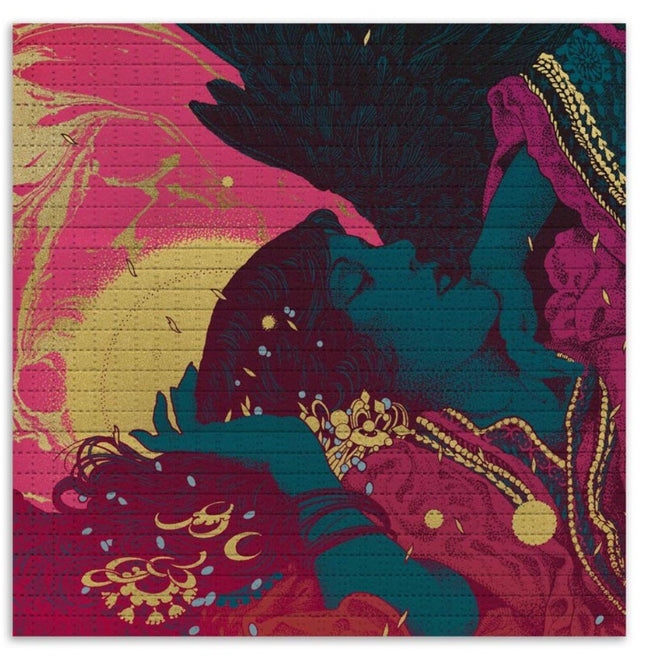
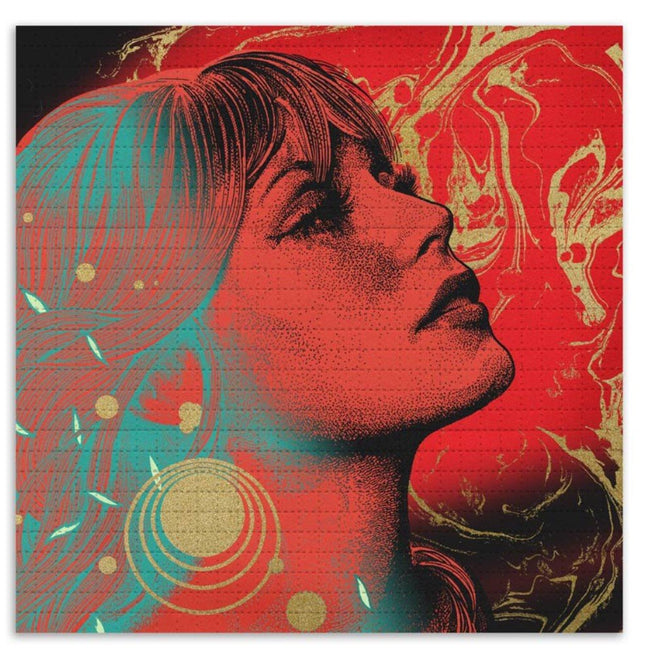
What sets Beckett apart in the landscape of Street Pop Art & Graffiti Artwork is his obsessive attention to detail. Every piece begins as a hand-drawn pen and ink work, where the physical act of creation becomes almost ritualistic. His illustrations channel the spirit of classical engravings while retaining a sense of subcultural edge. This duality reflects the same tension found in modern graffiti, where ancient symbols or traditional techniques are reimagined in contemporary spaces. Beckett’s work represents the intellectual side of street-informed art, where the skill and tradition of the old world meet the immediacy and impact of modern visuals. While not a wall-based artist, Beckett’s work engages the same audience. His poster and screenprint culture roots resonate with those who admire Shepard Fairey or Banksy. Like them, he operates on the edges of fine art and accessible media, and his use of mythology, death, nature, and human conflict places him in the same thematic arenas often explored in urban murals and paste-up posters.
Symbolism and Storytelling Across Formats
Beckett’s themes often borrow from literature, ancient folklore, and metaphysical concepts. His use of symbolism is dense and layered, asking viewers to look beyond the surface. This narrative depth is a hallmark of much of today’s Street Pop Art & Graffiti Artwork, where images are no longer just about presence but meaning. Whether it is an animal rendered in a sacred geometric pattern or a portrait echoing religious iconography, Beckett builds worlds within his compositions that speak to the roots of humanity as well as the modern experience. Street Pop Art & Graffiti Artwork has long been defined by its bold visuals and loud voice, but artists like Beckett remind audiences that intricacy and subtlety can be just as powerful. His works often function like sacred scrolls or ancient tattoos, blending mysticism with rebellion. They become relics that feel both timeless and specific to this cultural moment.
Richey Beckett’s Global Impact and Community Reach
Beyond his studio practice, Beckett plays a key role in the global poster and screenprint scene. His releases are anticipated events, often selling out in minutes, and his limited editions create a sense of intimacy and rarity. This mirrors the transient nature of graffiti and mural art, where temporality adds value and urgency. By maintaining strict control over the reproduction of his work, he ensures that each piece carries a sense of significance, much like a piece of street art that might be covered up tomorrow. From Wales to the world, Beckett continues to shape the language of Street Pop Art & Graffiti Artwork through an unrelenting commitment to craftsmanship, mythology, and cultural exchange. His influence extends into tattoo culture, music, and modern design, reminding audiences that art rooted in discipline can still be punk in spirit. Through pen and ink, he adds new textures to a genre defined by freedom, expression, and the celebration of the handmade in a digital age.