
Rolex as a Cultural Icon in Street Pop Art & Graffiti Artwork
Rolex stands as one of the most recognized luxury watch brands in the world, a symbol of status, success, and timeless design. Its iconic crown logo and the unmistakable design of its timepieces have made it a frequent target and tool for commentary within the Street Pop Art & Graffiti Artwork movements. Artists who explore consumerism, wealth, and identity have found fertile ground in the brand’s symbolic value. Whether presented with irony, admiration, or critique, Rolex functions in contemporary artwork as a shorthand for opulence and power. It has transcended its Swiss roots to become an international signifier used across painted walls, screenprints, sculptures, and mixed media.
The Symbolism of Time and Wealth
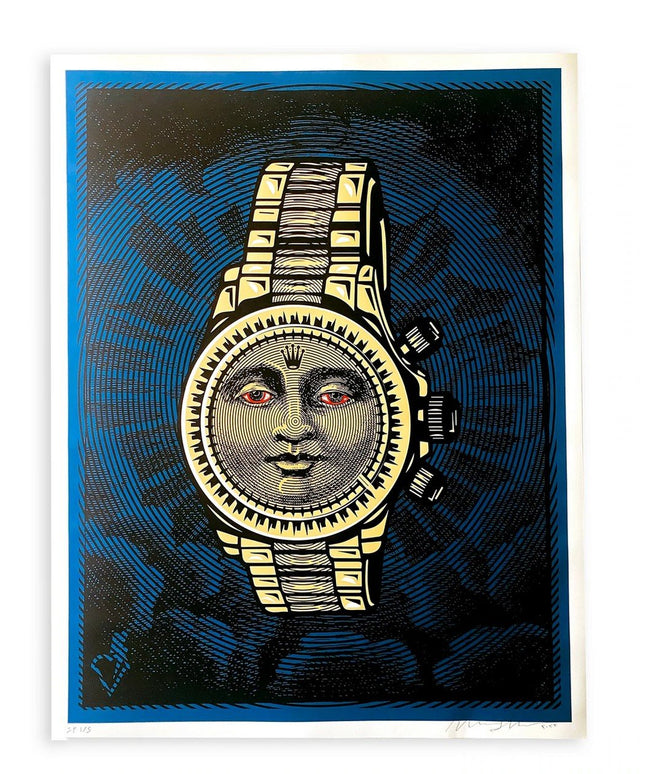
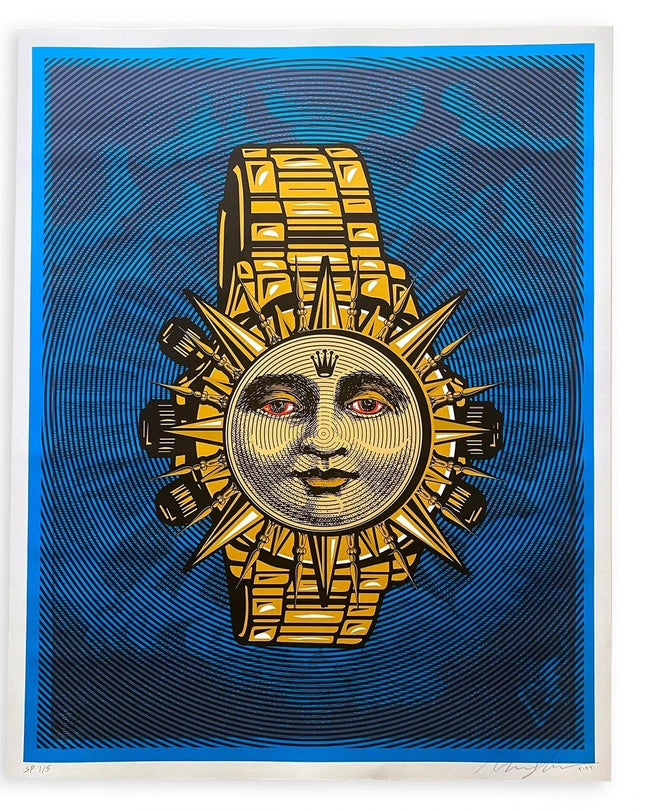
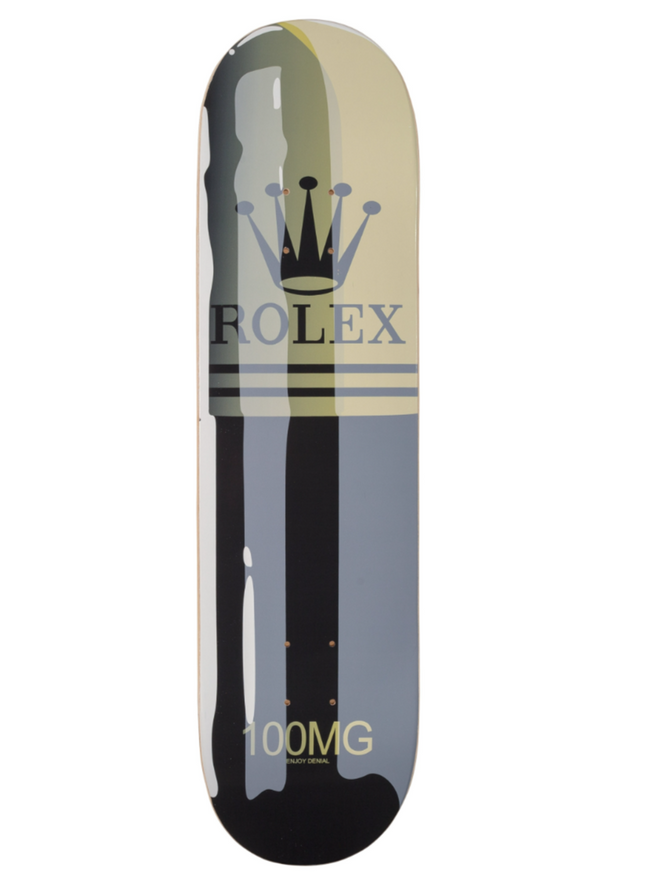
In urban art culture, Rolex is often not just about luxury—it represents the larger systems of aspiration, time, labor, and material obsession. Graffiti artists have turned Rolex dials into punchlines and protests, portraying the watch as both an aspirational item and a satirical prop. The act of tagging or reimagining such a universally recognized item is itself a rebellion against exclusivity. In works by artists like Alec Monopoly, Denial, and others working with consumerist iconography, Rolex becomes a recurring visual device used to challenge notions of success dictated by capitalism. The physical precision of the watch contrasts with the spontaneous, bold, and often chaotic aesthetic of street art, creating a compelling visual and thematic tension.
Rolex in Remix Culture and Collage-Based Street Art
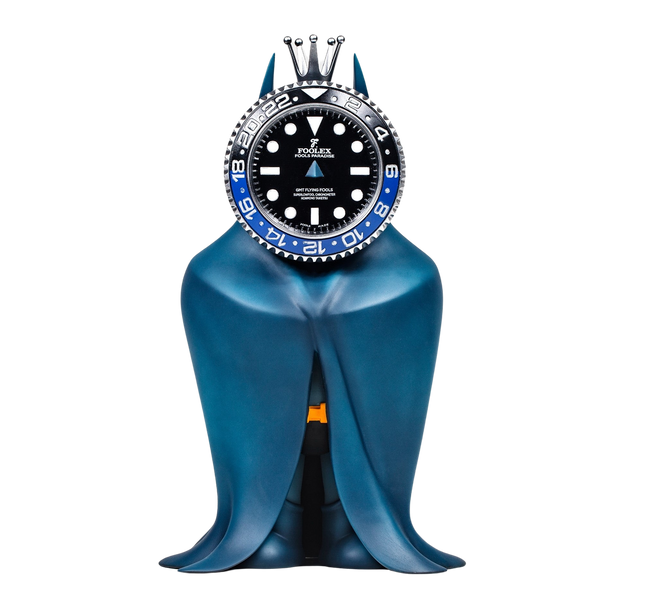
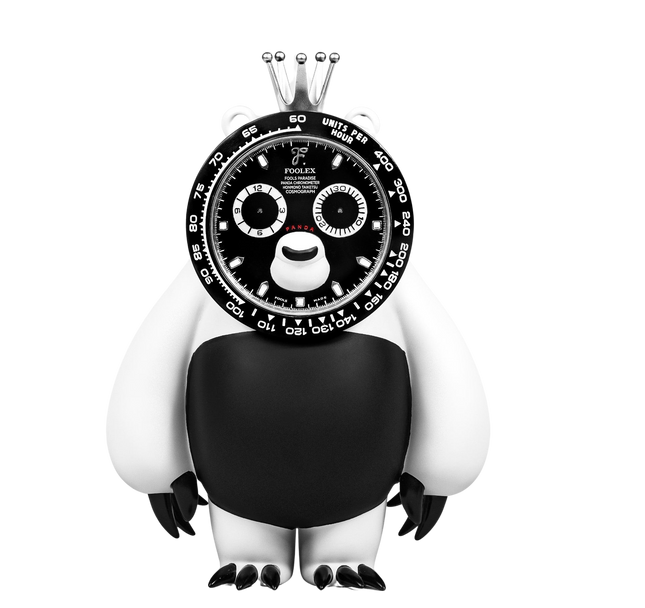
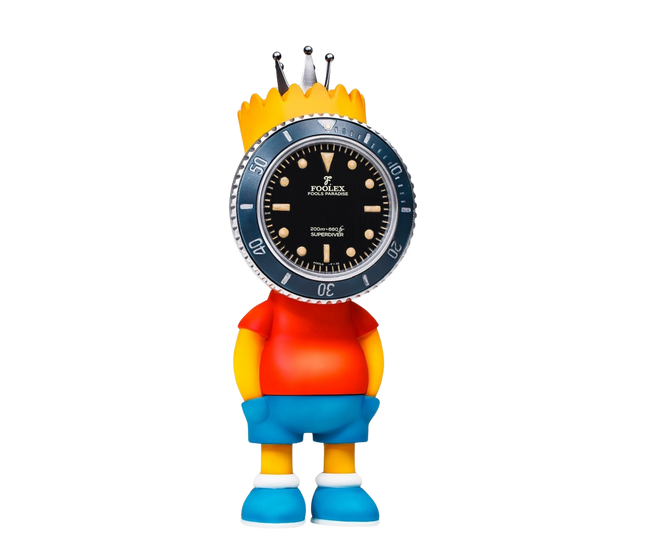
Rolex imagery frequently appears in collage and silkscreen compositions associated with pop art and graffiti hybrids. Its presence alongside money, luxury cars, and branded fashion reveals the artist’s lens on aspirational culture. Artists remix the watch face with cartoon characters, slogans, or urban backdrops, giving Rolex a new life as both artwork and artifact. The familiar crown, once a reserved emblem of quiet prestige, is transformed into a loud emblem of critique or irony. In many works, the Rolex is oversized, distorted, or covered in bright, unexpected hues, making the contrast between the original object and its new form all the more striking.
Luxury Disrupted by the Street
The presence of Rolex in Street Pop Art & Graffiti Artwork is not about glorifying watches—it’s about questioning what they represent. When painted onto a cracked brick wall or stenciled next to protest text, the meaning shifts from luxury object to cultural symbol. In this context, Rolex represents more than craftsmanship or heritage; it stands for time as a commodity and the idea of value as defined by external markers. Artists use its image to explore the absurdity and seduction of wealth in modern society. Through reinterpretation and disruption, Rolex becomes not only a sign of what money can buy, but also a visual tool in conversations about freedom, control, and modern myth-making.