
Sket-One – Designer Vinyl Meets Street Pop Art & Graffiti Artwork
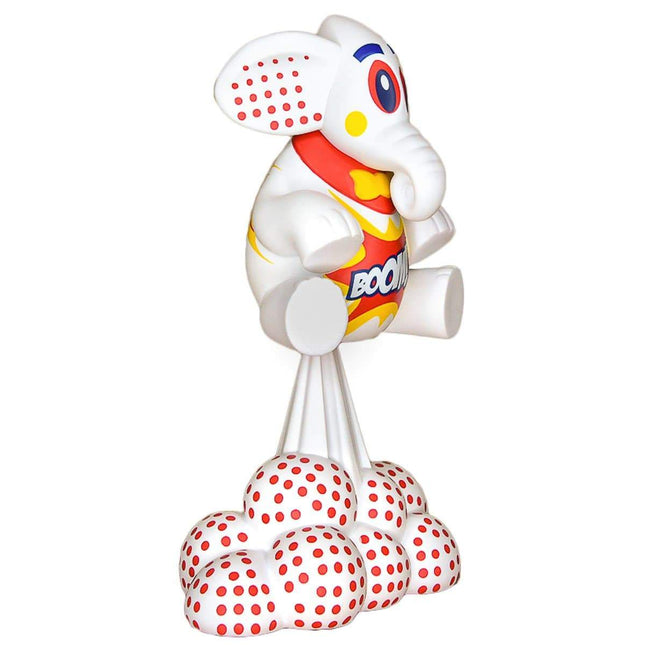
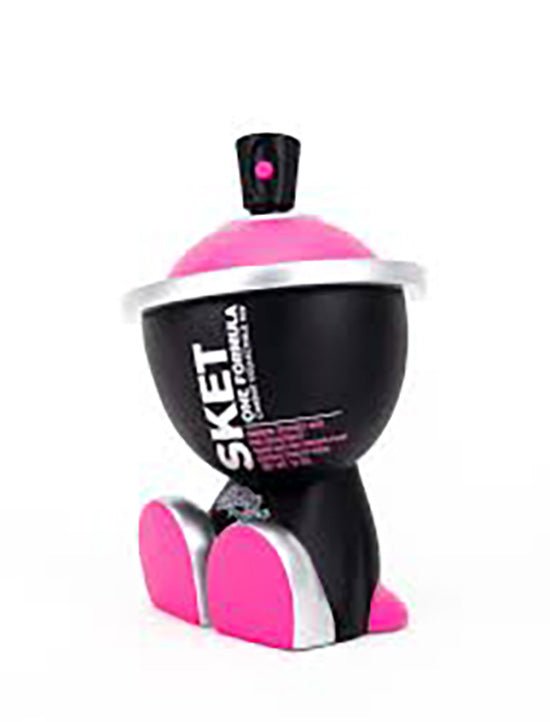
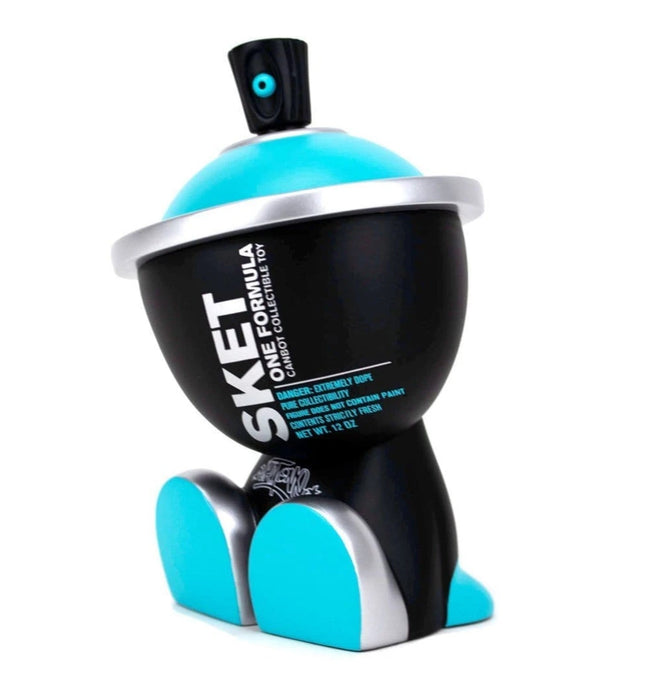
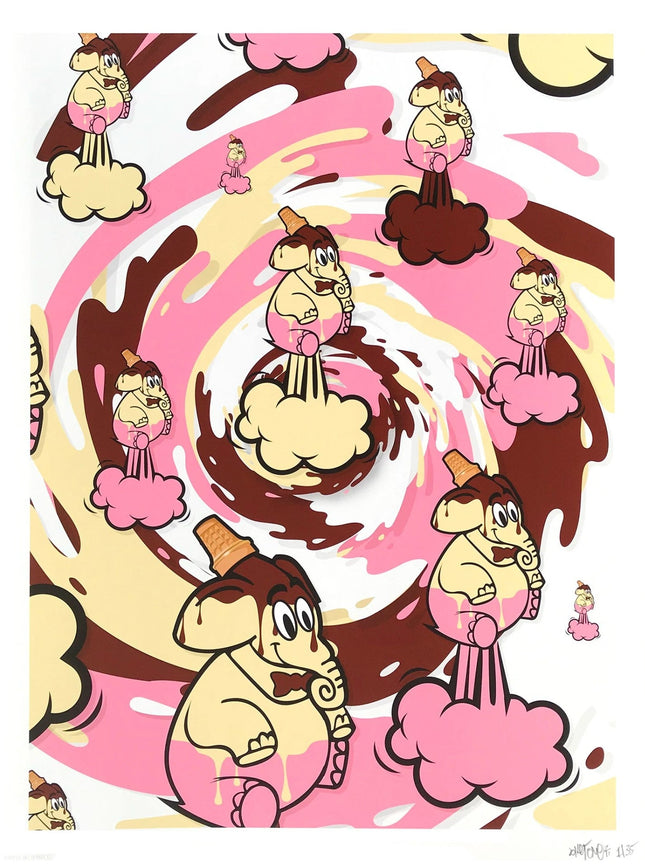
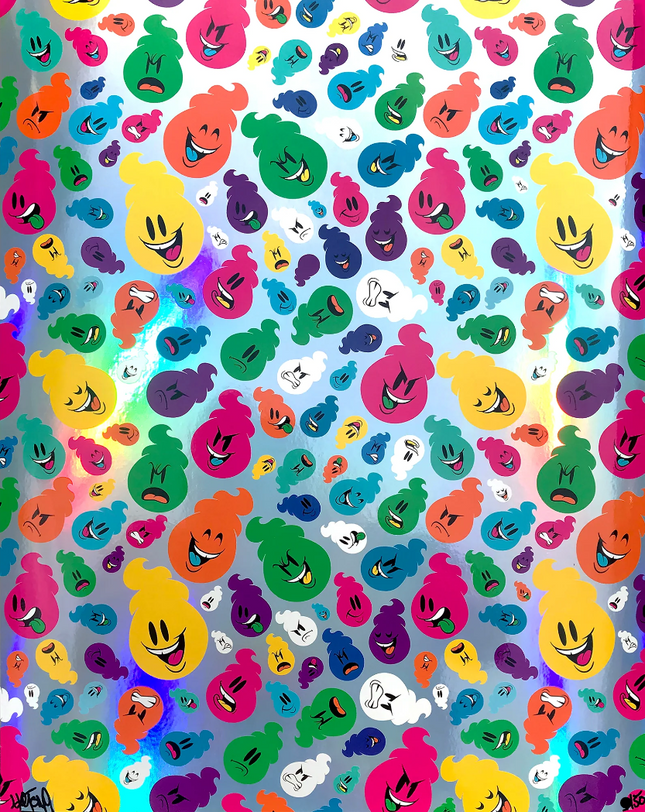
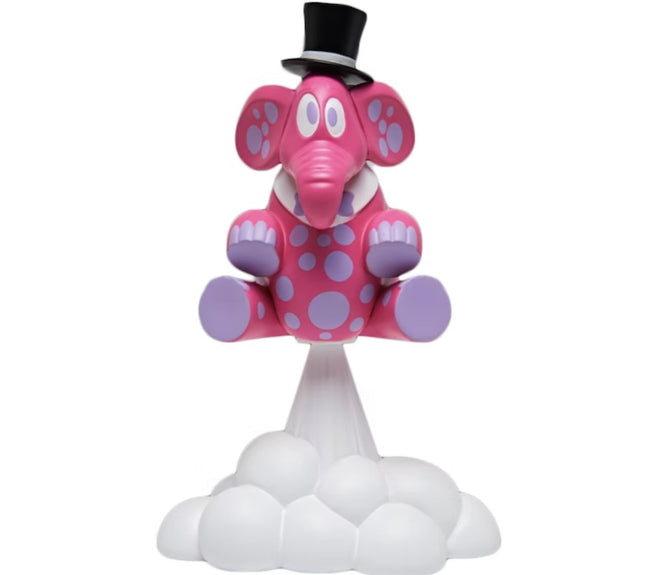
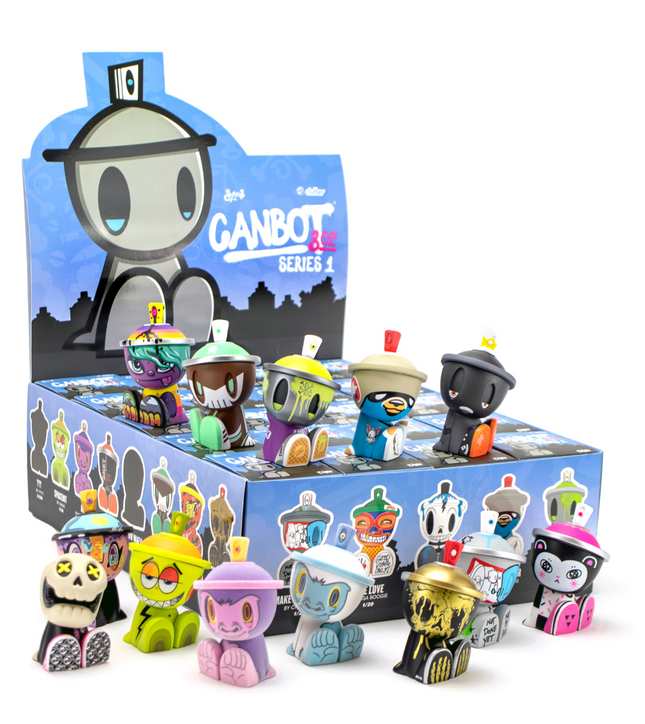
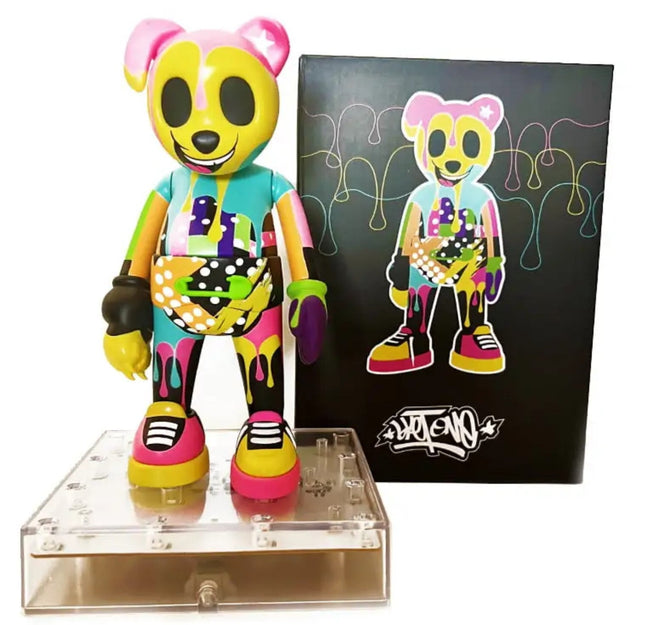
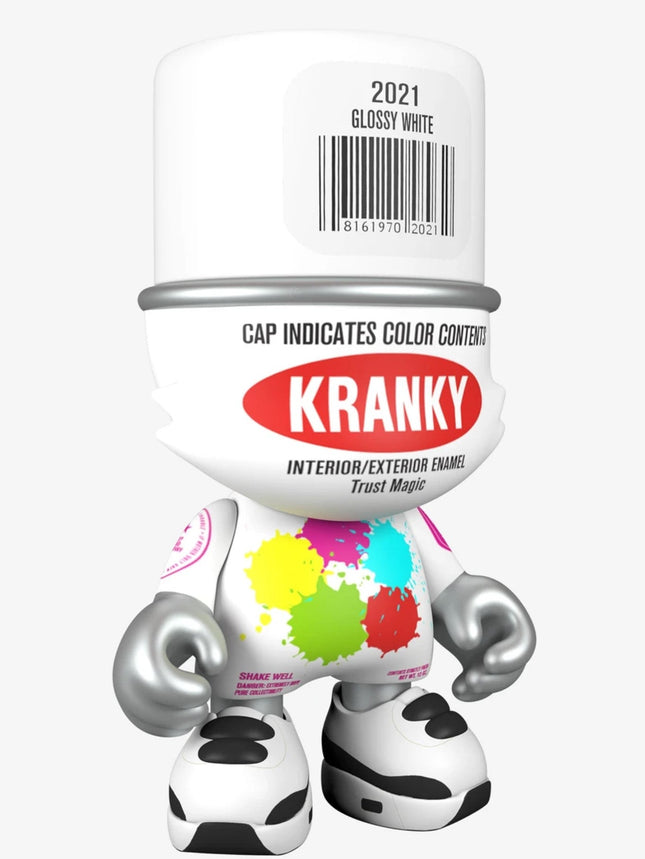
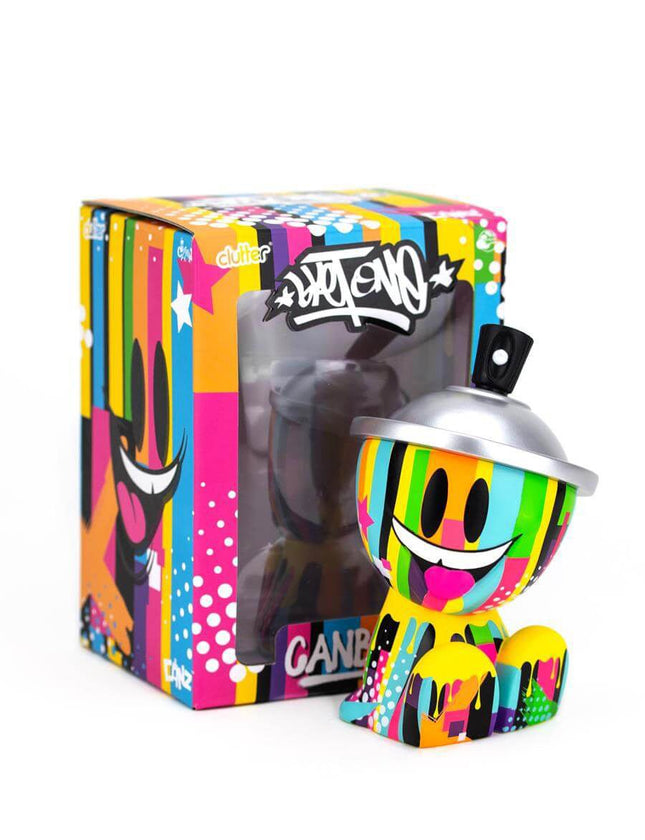
Sket-One is a graffiti artist turned designer toy pioneer whose work merges the rebellious spirit of graffiti with the polished aesthetics of pop culture consumerism. Originally from New Haven, Connecticut, Sket-One began his career as a traditional graffiti writer in the early 1990s, gaining respect in the East Coast street art scene for his bold handstyles and vibrant murals. Over time, his passion for character design and branding evolved into a new form of street expression—one that took the ethos of graffiti and reshaped it through the world of vinyl collectibles, product design, and gallery installations. His work embodies the energy, wit, and aesthetic punch that define the core of Street Pop Art & Graffiti Artwork. Sket-One gained international attention through his work with the Dunny platform by Kidrobot, where he transformed blank vinyl forms into hyper-stylized, brand-themed customs. From faux condiment packaging to reimagined fast food mascots, Sket-One’s creations subvert everyday commercial products and turn them into satirical, collectible art. These figures, while small in scale, operate on the same visual logic as large-scale graffiti—designed to grab attention, disrupt familiarity, and remix culture through a lens of street-born irreverence.
Product Parody as Pop Weaponry
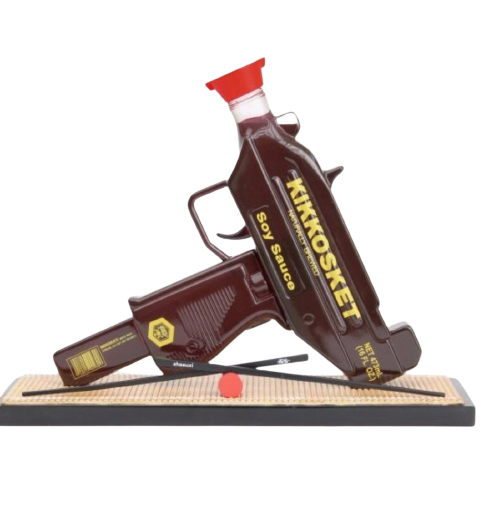
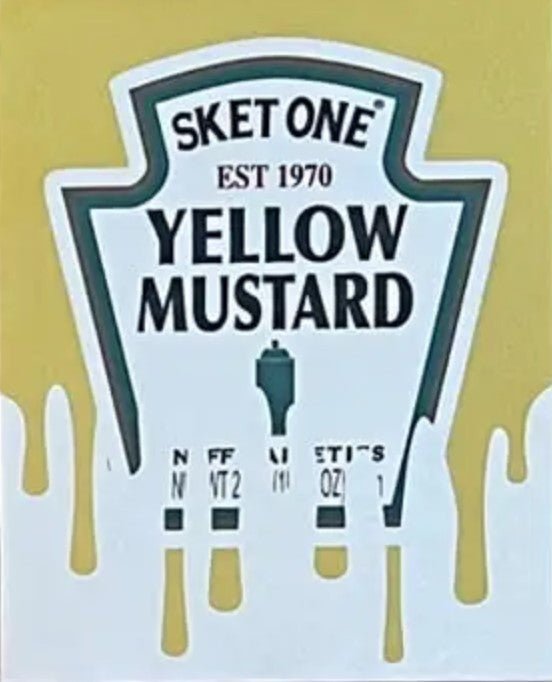
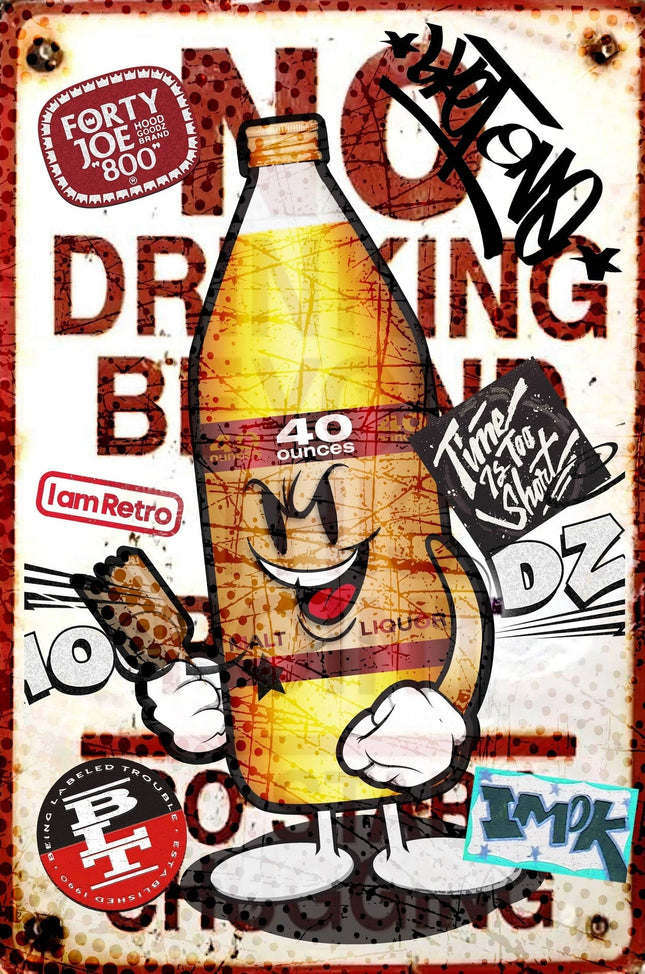
Sket-One’s most well-known body of work includes his custom condiment series, where he transformed blank art toys into Sriracha bottles, Heinz ketchup, Skippy peanut butter, and more—rendered with uncanny realism and a graffiti twist. These designs are not simple homages to branding—they are interventions. By fusing urban style with consumer nostalgia, Sket-One creates visual collisions that echo pop art’s origins while grounding them in graffiti aesthetics. His mastery of linework, labeling, and texture blurs the line between commercial packaging and art object. Like Andy Warhol’s soup cans or Ron English’s POPaganda mascots, Sket-One’s work interrogates the psychological power of packaging and corporate iconography. But unlike gallery-focused pop artists of the 1960s, Sket-One brings street credentials and a DIY graffiti attitude to every piece. His works are often hand-painted, produced in limited runs, and treated with the precision of fine art—yet they never lose the grit of their spray-can roots.
From Street Tags to Designer Platforms
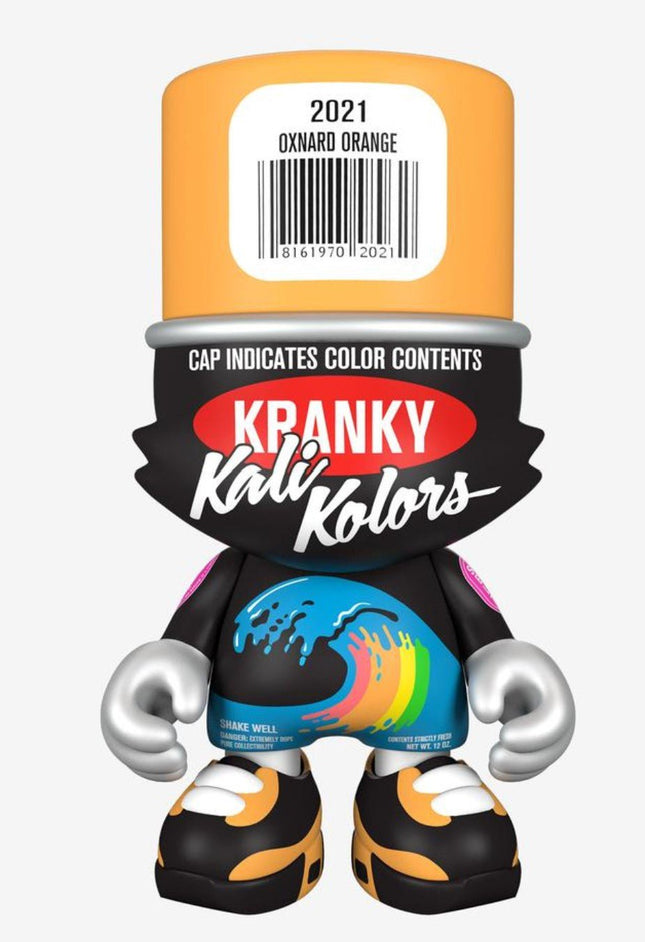
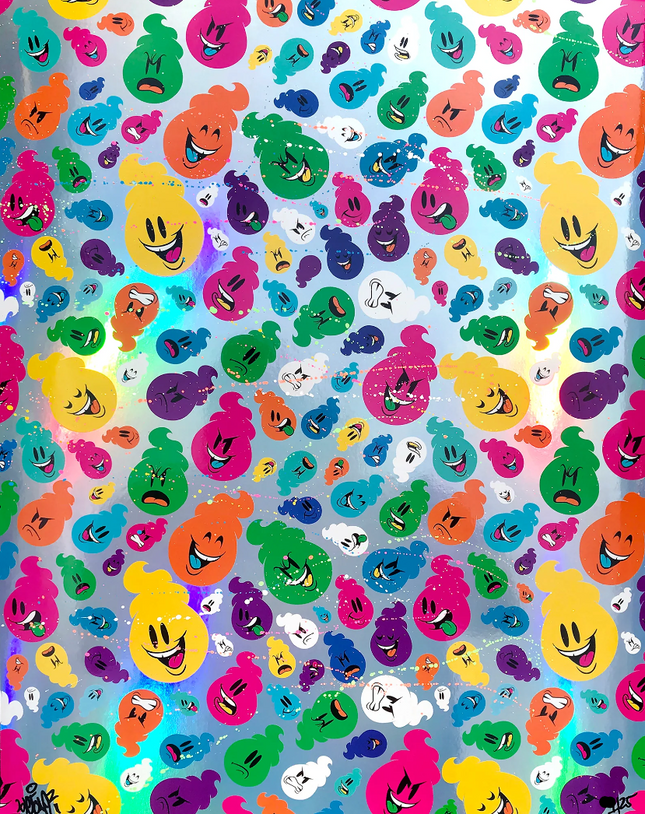
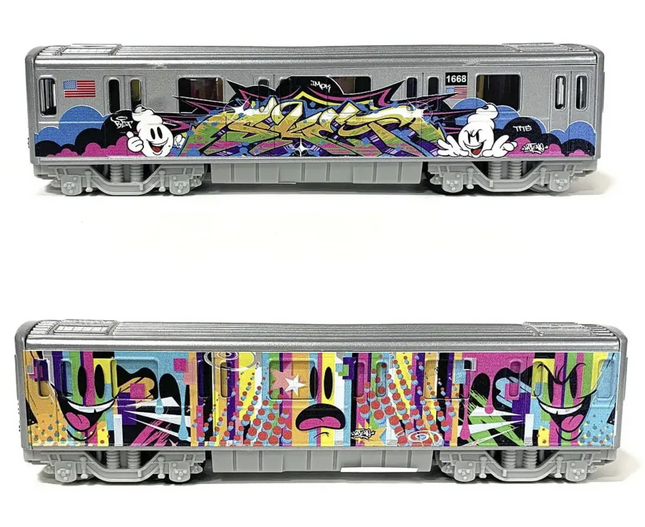
While Sket-One’s graffiti background informs his visual style, his success lies in his ability to transcend walls and trains. He entered the designer toy scene during its golden age in the early 2000s, aligning with platforms like Kidrobot, Superplastic, and others that embraced graffiti artists as legitimate voices in collectible culture. His toys are not simply merchandise—they are sculptures that operate like portable murals, bearing tags, drips, and handstyles familiar to anyone who knows the language of street bombing. The popularity of his figures among collectors globally speaks to the merging of subcultures: graffiti heads, streetwear enthusiasts, art toy collectors, and pop surrealism fans all gravitate toward Sket-One’s brand of visual play. This crossover appeal is central to Street Pop Art & Graffiti Artwork, which thrives on breaking boundaries and redefining where art can live—and who it’s for.
Sket-One’s Role in the Modern Street Pop Ecosystem
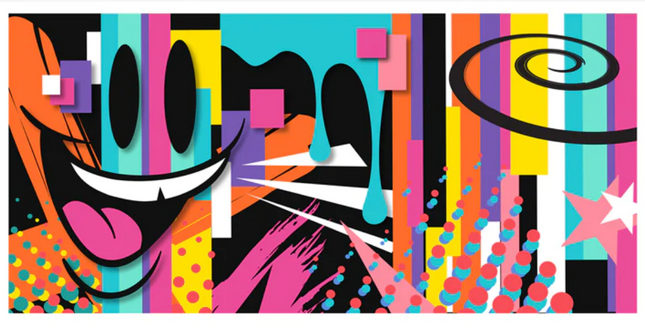
Sket-One is a prime example of how a graffiti-rooted artist can evolve without abandoning the authenticity and visual urgency of the street. His art is clean, refined, and product-conscious—but always contains that core of disruption and parody. Whether it's through a mustard bottle turned battle-ready Dunny or a mural filled with cartoon violence and bright gradients, his work critiques the saturation of consumer imagery by using the same tactics that make it powerful—repetition, branding, and visual seduction. In the wider movement of Street Pop Art & Graffiti Artwork, Sket-One stands as a key figure in the bridge between the aerosol past and the designer future. His work continues to challenge what qualifies as fine art, who gets to collect it, and how graffiti culture can survive—and thrive—within new formats. By turning the tools of capitalism into collectible critique, Sket-One makes every toy, mural, and parody a tag of resistance dressed in a pop culture disguise.