

The Skunk as a Cultural Disruptor in Street Pop Art & Graffiti Artwork
The skunk, long associated with scent and surprise, has found renewed symbolic power in Street Pop Art & Graffiti Artwork. Far from being a mere cartoon caricature or natural oddity, this black-and-white creature has evolved into a layered icon for defiance, boundary-crossing, and misunderstood identity. Its unmistakable appearance and built-in defense mechanism make it an ideal metaphor for works that aim to provoke, challenge norms, and speak in a language that is unapologetically bold. Within the visual vocabulary of urban art, the skunk becomes more than animal—it becomes message, mood, and myth.
Animation Legacy and Satirical Reinvention
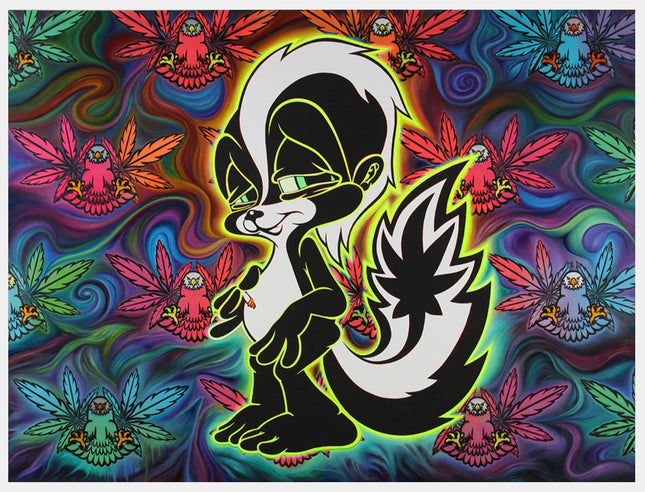
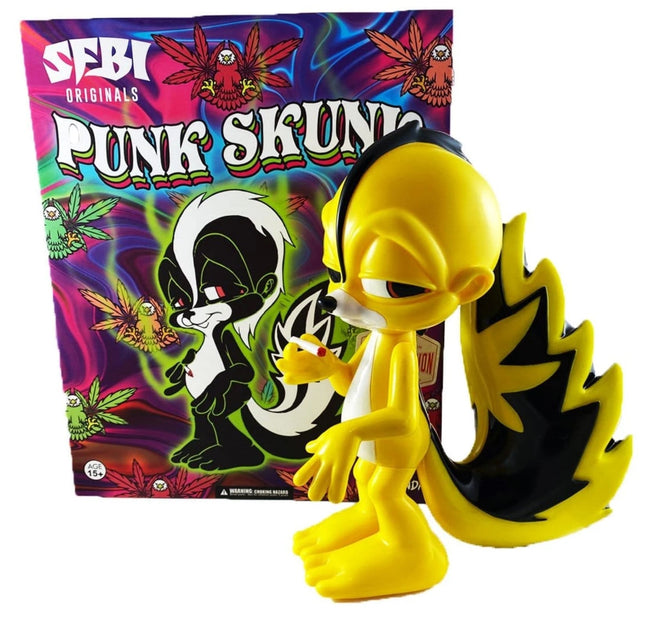
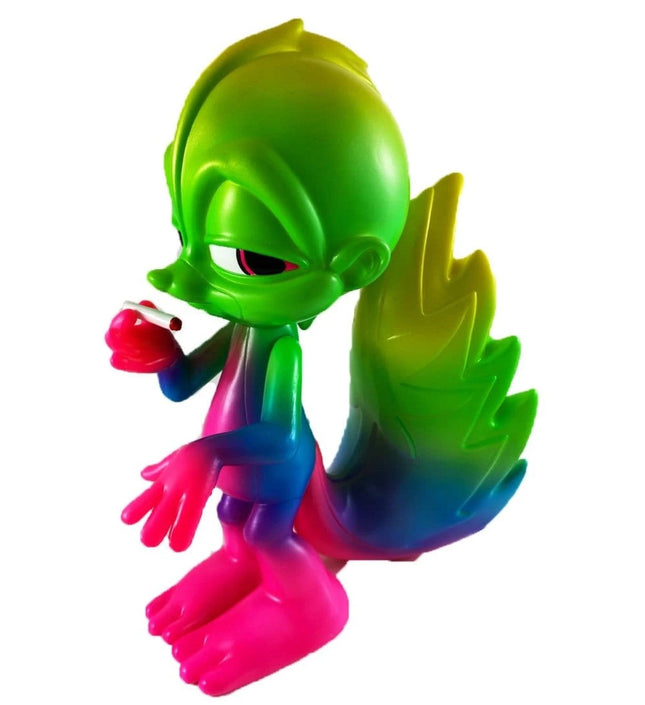
The skunk has appeared in animated classics for decades, with one of the most iconic representations being the romantic, often controversial character Pepper Le Pew. Originally introduced in the golden age of cartoons, this character helped cement the skunk as both comic relief and cultural metaphor. Street Pop Art & Graffiti Artwork has since reclaimed and reimagined these characters with bold satirical edge. Contemporary artists remix these figures into hybrid compositions where humor meets critique, flipping outdated tropes into tools for dissecting gender politics, drug culture, and mass media behavior. With a smirk or a wink, the skunk in these works takes on the absurdity of consumer identity, while drawing attention to its own transformation.
Visual Boldness and Conceptual Stink
Stylistically, the skunk aligns with the high-contrast, attention-commanding visuals that define pop-inspired graffiti art. The stark interplay of black and white stripes against saturated urban backdrops creates an immediate focal point. The animal’s physical form translates easily into stencil, mural, and character-based formats, providing visual anchors in works that explore taboo, protest, or sensory extremes. Skunks in graffiti settings often embody the same danger and attraction as the messages around them. They do not ask for permission, and their presence, like their scent, lingers. Artists use this to their advantage, embedding skunk figures into layered visual narratives about social dysfunction, pharmaceutical obsession, or romantic delusion.
Subversion, Identity, and the Street Code
In the hands of a Street Pop Art or Graffiti Artwork creator, the skunk morphs into a rogue agent of resistance. Its natural defense parallels the ethos of street culture, where power often lies in the ability to be seen, heard, and remembered through sheer intensity. The skunk offers a blueprint for confronting the viewer with humor, irony, and emotional charge. When spray-painted across a wall or rendered in a fine art blotter print, it represents the underdog with the loudest voice. Artists who include skunk motifs are often commenting on issues of self-protection, social odor, or the toxic sweetness of modern life, using the creature’s mythic presence to punctuate meaning with a grin and a snarl.