Smiley Face

7 artworks

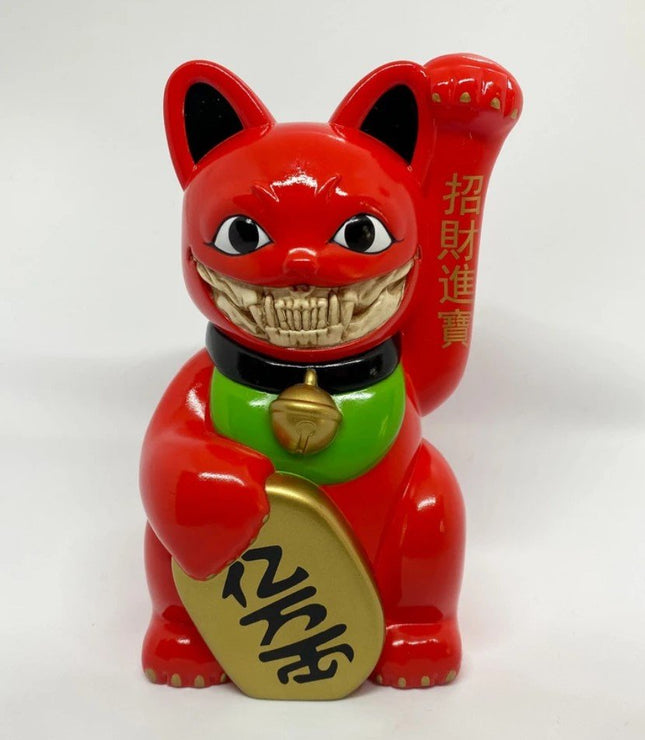
  • Lucky Cat Grin Convention Red Art Toy Sculpture by Ron English

    Ron English- POPaganda Lucky Cat Grin Convention Red Art Toy Sculpture by Ron English- POPaganda

    Lucky Cat Grin- Convention Red Limited Edition Vinyl Art Toy Collectible Artwork by Artist Ron English- POPaganda Contemporary Pop Artwork. 2018 Signed Limited Edition New In Box SFBI x Ron English- POPaganda presents Lucky Cat Grin.6 inches tall. Hand-signed by Ron English- POPaganda, 2018 SDCC Exclusive

    $333.00

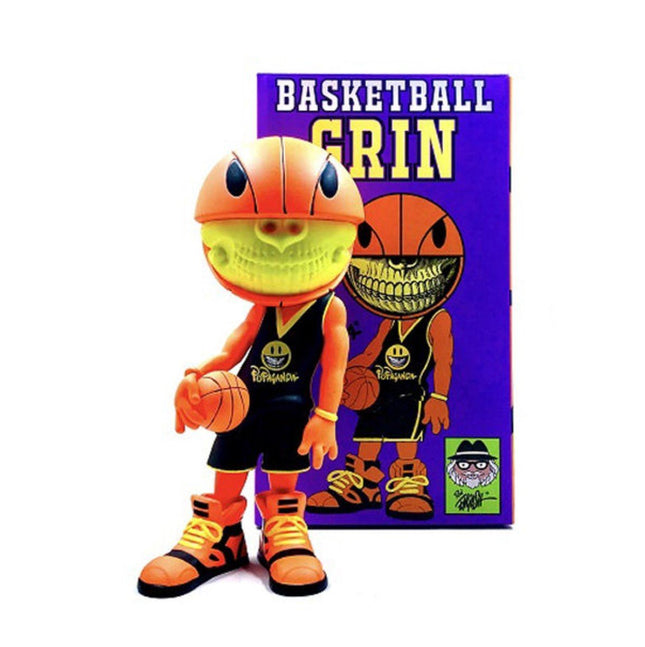
  • Basketball Grin Art Toy by Ron English

    Ron English- POPaganda Basketball Grin Art Toy by Ron English- POPaganda

    Basketball Grin Limited Edition Vinyl Art Toy Collectible Artwork by street graffiti artist Ron English- POPaganda. TITLE: Basketball Grin ARTIST: Ron English- POPaganda SIZE: approximately 7 inches tall each Basketball Grin is the newest grin figure from Ron English- POPaganda. Standing 7” tall, he plays for Team Popaganda. Features an orange body and black uniform.

    $251.00

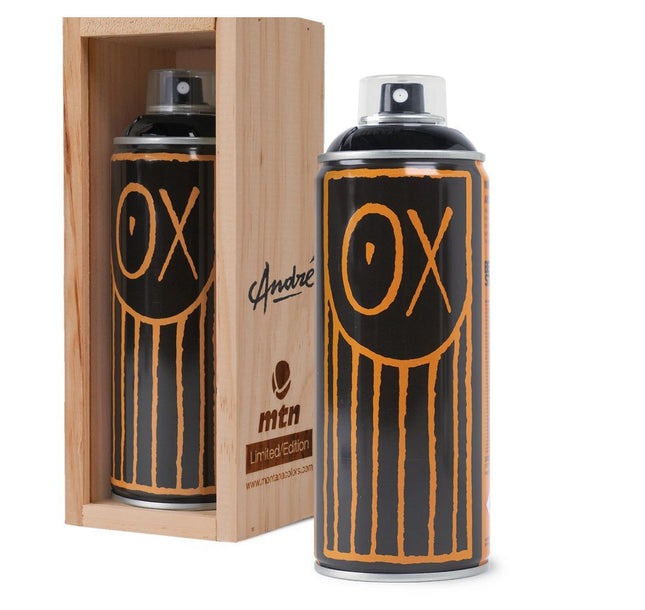
  • Mr André Glossy Black Spray Paint Can Artwork by Montana MTN

    Mr André Saraiva Mr André Glossy Black Spray Paint Can Artwork by Montana MTN

    Mr André- Black Limited Edition Rare Spray Paint Can Artwork Crossover by famous graffiti paint maker Montana MTN. 2021 Mr André Glossy Black Color Limited Edition of 500 Spray Paint Can with Custom Wood Box Object Artwork Size 3x8 Montana MTN Filled with Paint. Mr André Glossy Black Spray Paint Can by Montana MTN – Street Pop Art & Graffiti Artwork The Mr André Glossy Black Limited Edition Spray Paint Can, released in 2021 by Montana MTN, stands as an iconic artifact in the culture of street pop art and graffiti artwork. Produced in a highly collectible edition of just 500, this 3x8 inch can is filled with glossy black spray paint and presented in a custom wood box etched with the artist’s signature and the Montana Limited Edition insignia. The visual design of the can is unmistakably linked to André Saraiva’s infamous graffiti alter ego Mr A. The character’s simplified linework face, topped with exaggerated symbols like X and O, is a visual shorthand for decades of international street influence. As both a functional spray can and a standalone art object, this release occupies a hybrid territory that fuses utilitarian graffiti culture with high-concept collectible art. Mr André: Graffiti Artist and International Street Pop Icon André Saraiva, born in Uppsala, Sweden and raised in Paris, France, is a globally recognized street pop art figure whose graffiti roots stretch back to the early 1990s. He rose to prominence through his creation of Mr A, a character that would become emblematic of romantic rebellion and irreverent joy across global cityscapes. Seen on rooftops, alleyways, and walls from Paris to Tokyo to New York, Mr A’s wide grin and looped limbs established a visual brand that is as subversive as it is playful. Mr André has not limited himself to street walls. His visual language has transcended into collaborations with luxury fashion, hospitality, and design industries, without losing the grit and spontaneity of his graffiti foundations. Whether on canvas or subway walls, his work maintains its bold narrative identity, reinforcing the significance of visual storytelling in public spaces. Montana MTN’s Artist Series and Object Culture Montana Colors, based in Barcelona, has long been the gold standard in spray paint for graffiti artists worldwide. Their Artist Series elevates the humble spray can into a platform for artistic collaboration, giving space to pioneers like Mr André to reinterpret the object through their own visual lexicons. The 2021 Mr André Glossy Black edition reflects the artist’s clean line art and urban minimalism. The deep black backdrop and orange graphic elements lend the piece a totemic presence that speaks to both its street roots and gallery-level presentation. Montana’s use of high-quality materials, matched with limited edition packaging and artist-focused branding, transforms the can from tool to artifact. Street Pop Art Legacy Encapsulated in the Mr André MTN Can This limited edition piece is not only a celebration of Mr André’s global artistic reach but also a testament to the cultural significance of graffiti in the evolution of contemporary art. The fusion of street rawness with gallery-grade presentation encapsulates the progression of graffiti from subculture to respected creative movement. The Mr André Glossy Black spray can is a physical expression of this evolution—a collectible sculpture that symbolizes movement, rebellion, and stylistic clarity. For collectors and followers of street pop art and graffiti artwork, it represents both a tangible and symbolic connection to one of the most recognizable artists in the genre.

    $175.00

  • Grinbot Canbot Canz Art Toy by Ron English x Czee13

    Ron English- POPaganda Grinbot Canbot Canz Art Toy by Ron English- POPaganda x Czee13

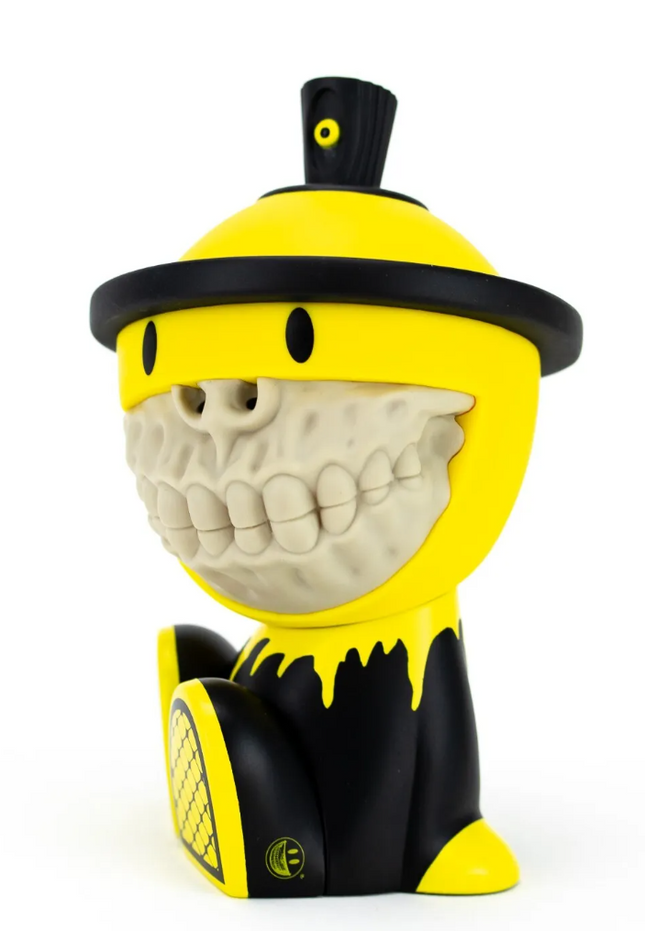
    Grinbot Canbot Canz Limited Edition Vinyl Art Toy Collectible Artwork by Pop Culture Artists Ron English- POPaganda x Czee13. 2022 Limited Edition of 300 New In Box Rare Ron English- POPaganda Canbot Canz Art Toy Artwork Size 3x5.5. Ron English- POPaganda Grin Smiley Skeletons Smile x Czee13 Canbot Canz Grinbot Canbot Canz : A Cultural Artifact Blending Art and Pop Culture The Grinbot Canbot Canz emerges as a cultural artifact at the crossroads of street art innovation and pop culture iconography. This limited edition vinyl art toy results from a unique collaboration between pop culture artist Ron English- POPaganda and street artist Czee13. Limited to 300 pieces, each new in the box, the Grinbot Canbot Canz combines English's signature smiley skeletons with Czee13's renowned Canbot Canz design. The artwork stands at 3x5.5 inches, representing a tangible slice of street pop art & graffiti artwork that collectors and enthusiasts eagerly incorporate into their galleries. This collaboration showcases the synergistic power of two distinct artistic visions converging to create a singular piece that speaks volumes about contemporary art's trajectory. Ron English- POPaganda's recognizable grin, a motif that challenges viewers to find joy in the macabre, is reimagined in Czee13's Canbot Canz , a symbol deeply rooted in the graffiti and street art movement. The Canbot Canz is a canvas for English's explorations of the smiley symbol, delving into the complexities behind the universal symbol of happiness. Street Art's Dialogue with Pop Surrealism The Grinbot Canbot Canz reflects the ongoing dialogue between street art and pop surrealism, where familiar images are twisted and recontextualized to challenge perceptions and provoke thought. The collectible stands as a testament to the genre's evolution, highlighting the increasing incorporation of street art aesthetics into the broader scope of visual culture. The collaboration bridges the gap between lowbrow and high art, suggesting that the divide is more a matter of perception than substance. Collectors of the Grinbot Canbot Canz are not just acquiring a toy but investing in a piece of art history that captures the spirit of the times. Each Canbot Canz , while part of a more extensive series, carries its unique flair due to the hand-finished touches that Czee13 is known for. Owning a Grinbot Canbot Canz means holding a snapshot of street pop art's dynamic and ever-changing world, where every stroke and color choice is imbued with meaning and intent. The collaboration between Ron English- POPaganda and Czee13, culminating in the Grinbot Canbot Canz , marks a milestone in the vinyl art toy scene. It encapsulates the transformative journey of street art from the fringes to the mainstream while retaining its edge and ability to disrupt norms. This piece celebrates the merging of different art forms and commemorates the collective journey of artists who continue to push the boundaries of creativity and expression.

    $185.00

  • Grinbot Signed Canbot Canz Art Toy by Ron English x Czee13

    Ron English- POPaganda Grinbot Signed Canbot Canz Art Toy by Ron English- POPaganda x Czee13

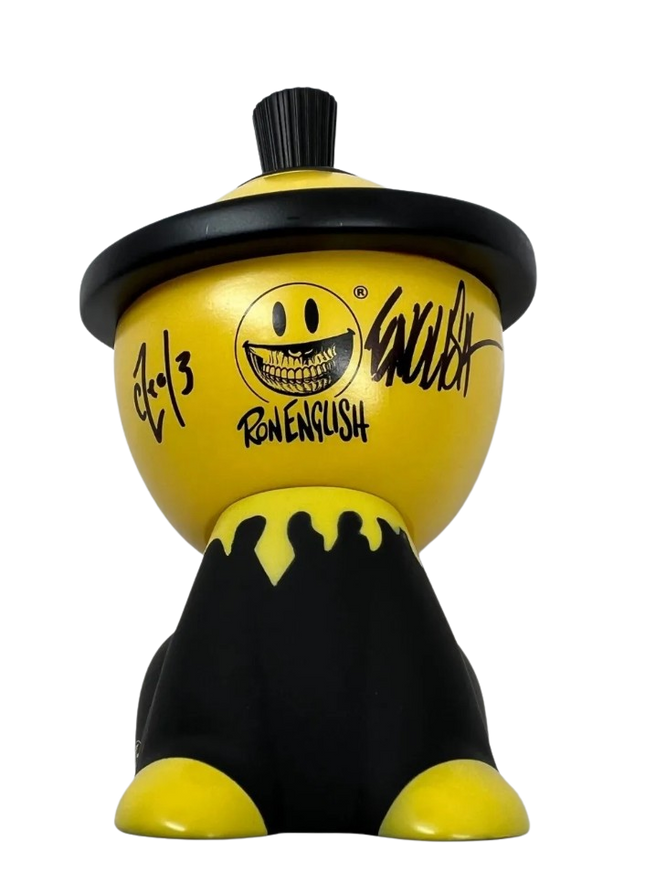
    Grinbot Signed Canbot Canz Limited Edition Vinyl Art Toy Collectible Artwork by Pop Culture Artists Ron English- POPaganda x Czee13. 2022 Signed Autograph by Ron English- POPaganda x Czee13 Limited Edition of 300 New In Box Rare Ron English- POPaganda Canbot Canz Art Toy Artwork Size 3x5.5. Ron English- POPaganda Grin Smiley Skeletons Smile x Czee13 Canbot Canz . Vast Majority Not Signed. The Fusion of Icons: Grinbot Signed Canbot Canz by Ron English- POPaganda x Czee13 The fusion of iconic styles in Street Pop Art & Graffiti Artwork takes a tangible form in the Grinbot Signed Canbot Canz . This limited edition vinyl art toy marks the collaboration between pop culture artist Ron English- POPaganda and the street art maverick Czee13. This collectible stands at 3x5.5 inches, representing a cross-pollination of distinct artistic signatures—the audacious and often controversial English, with his Grin Smiley Skeletons Smile and Czee13's gritty, urban Canbot Canz aesthetic. Released in 2022, the Grinbot Signed Canbot Canz is a rarity, with a limited edition run of only 300 pieces. Each art toy comes new in its box, embodying the pristine condition sought by serious collectors. Most of these pieces are unsigned, making the signed editions particularly coveted. The autographs of Ron English- POPaganda and Czee13 on these select Canbot Canz s are not mere scribbles; they are the artists' endorsement, a seal of authenticity on a work of art that bridges their worlds. Cultural Significance of the Grinbot Canbot Canz The Grinbot Canbot Canz is more than a collectible item; it symbolizes the subversive humor and critique that Ron English- POPaganda is renowned for. His work often challenges the viewer to re-examine the visual components of our pop culture landscape. The smiling skeleton, a motif regularly featured in English's work, is a commentary on the superficiality of happiness in consumer culture. It is both a smile and a skull, a paradoxical image that resonates with modern society's ephemeral nature of joy. Czee13's Canbot Canz , on the other hand, speaks the language of the streets. It is gritty, raw, and honest. It tells the story of the urban environment, its resilience, and the culture that burgeons within it. The collaboration between these two artists on the Grinbot Canbot Canz is a testament to the power of Street Pop Art & Graffiti Artwork to reflect society's complexities, using the urban landscape as both canvas and inspiration. Investment and Collectibility of the Grinbot Canbot Canz As a collectible, the Grinbot Signed Canbot Canz holds significant value. Collectors of Street Pop Art & Graffiti Artwork understand that the worth of such pieces transcends their physical form. Owning a signed Grinbot Canbot Canz resembles holding a piece of contemporary art history. It is an investment that carries the potential to appreciate as the legacies of Ron English- POPaganda and Czee13 continue to unfold and influence the art world. For enthusiasts of street art, the Grinbot Canbot Canz is a must-have. Its limited edition status ensures exclusivity, and the signatures of Ron English- POPaganda and Czee13 imbue it with a personal touch from the artists themselves. This art toy is a fusion of cultural commentary and street sensibility, a physical representation of the dialogue between pop culture and graffiti art. Impact of Ron English- POPaganda and Czee13 in Artistic Collaboration Ron English- POPaganda's influence in the world of pop art is indelible. Known for coining POPaganda, his work often features a mash-up of high and low cultural touchstones. English's collaboration with Czee13 on the Grinbot Canbot Canz highlights the latter's rising stature in the Street Pop Art & Graffiti Artwork scene. Czee13, with his distinct style that resonates with the pulse of the streets, brings a raw and authentic edge to this joint venture. The result of this collaboration is a piece that stands at the intersection of pop culture critique and street art expression. It embodies art's dynamic and often unpredictable nature that straddles these genres. The Grinbot Canbot Canz becomes a conversation piece, a medium through which the narratives of pop culture and street art are not only told but also questioned and reimagined. The Grinbot Signed Canbot Canz by Ron English- POPaganda, and Czee13 is a testament to the vibrancy and relevance of Street Pop Art & Graffiti Artwork. It encapsulates the essence of two divergent artistic philosophies, creating a unique piece that is both a critique of contemporary culture and a homage to the spirit of street art. For the collectors who seek to own a part of this narrative, the Grinbot Canbot Canz is not just an art toy but a piece of cultural commentary, a remembrance of the ever-evolving story of street art and its indelible impact on the pop culture landscape.

    $507.00

  • Hello There Orange Original Spray Paint Art Can by Atomik

    Atomik Hello There Orange Original Spray Paint Art Can by Atomik

    Hello There Orange Original Spray Paint Art Can by Atomik Sculpture Drawing Artwork by Iconic Pop Culture Modern Artist.  2025 Signed Original Magic Marker Atomik Orange Smiling Face Reclaimed Spray Paint Can Painting Artwork Size 3x8 Hello There, Orange Original Spray Paint Art Can by Atomik The Hello There Orange Original Spray Paint Art Can by Atomik is a distinct piece of Street Pop Art & Graffiti Artwork that exemplifies the artist’s commitment to transforming ordinary objects into personalized statements of identity and expression. Created in 2025 and signed by the artist, this artwork is drawn directly on a reclaimed spray paint can using a magic marker. The work features the iconic grinning orange face that has become synonymous with Atomik’s visual language. With bold black linework over a used Montana spray can, the piece merges the raw energy of graffiti materials with the intimate immediacy of a hand-drawn illustration. Atomik’s instantly recognizable orange face peeks forward with oversized, cartoonish eyes and a mischievous smile, encapsulating the spirit of his Miami-based street art heritage. Reclaiming the Tools of Expression as Art Objects Spray paint cans are a staple in graffiti and street art culture. They are tools of resistance, freedom, and self-expression. Atomik’s decision to turn a spray can into the canvas itself reflects a deeper ethos in Street Pop Art & Graffiti Artwork. Rather than discarding the medium once emptied, he reclaims it—transforming the functional into the collectible. The resulting artwork stands as both an homage to graffiti’s tactile process and a rebellion against traditional notions of fine art. Every dent, scratch, and warning label on the can becomes part of the finished aesthetic, grounding the orange character in the lived reality of street-level artmaking. This practice not only preserves a piece of graffiti history but recasts it as a standalone object worthy of admiration and discourse. The Smiling Orange and the Miami Identity The smiling orange has its roots in Atomik’s personal response to the demolition of Miami’s beloved Orange Bowl stadium, a landmark of civic pride. Atomik reimagined the orange as a graffiti character that pays tribute while asserting a uniquely Floridian flavor. Over the years, it has appeared on freight trains, abandoned buildings, and murals, becoming one of the most widely recognized characters in contemporary graffiti. On this specific spray paint can, the orange floats in contrast against a sea of fine print, warnings, and hazard symbols. This juxtaposition of regulatory text and unruly character speaks to the tension between control and freedom, legality and expression. It also reflects the artist’s ongoing commentary on reclaiming space and materials for cultural storytelling. Graffiti as Sculpture and Collectible Commentary This hand-drawn reclaimed can is not only a visual piece but a sculptural one. The cylindrical form allows the artwork to live in three dimensions, giving viewers the opportunity to see how street art evolves when it enters a more permanent and collectible format. Unlike traditional canvas or digital prints, the use of the spray can physically and conceptually connects the viewer to the graffiti process. Atomik’s signature on the base further authenticates the piece, anchoring it in his artistic lineage and practice. As Street Pop Art & Graffiti Artwork continues to push boundaries, works like the Hello There Orange Spray Can stand at the forefront, showing that even a once-discarded object can become a celebrated artifact when touched by the right artist’s hand.

    $225.00

  • Madsaki Mona Lisa 3 Dharma Green Spray Paint Can Artwork by Montana MTN

    Madsaki Madsaki Mona Lisa 3 Dharma Green Spray Paint Can Artwork by Montana MTN

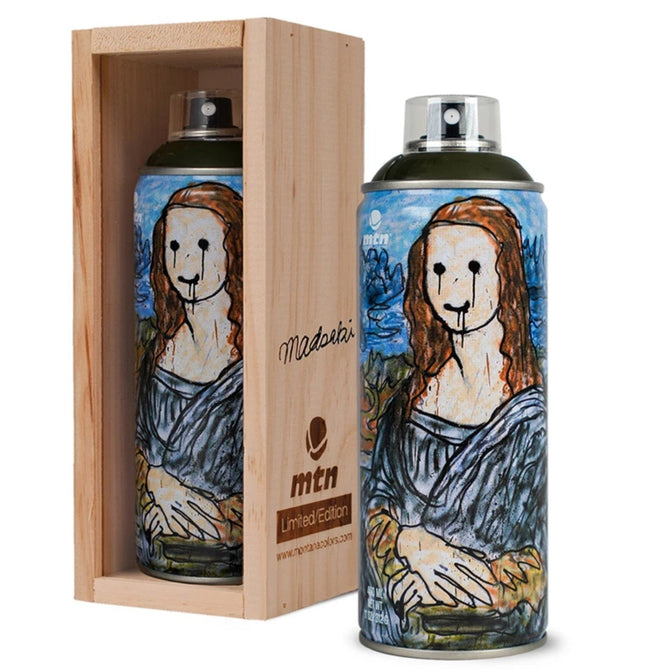
    Madsaki- Mona Lisa 3 Dharma Green Limited Edition Rare Spray Paint Can Artwork Crossover by famous graffiti paint maker Montana MTN. Mona Lisa 3 Spray Paint Can, 2021 MNT Colors Spray Paint, Low Pressure Can in Wood and Acrylic Case Spray Paint Color: Dharma Green 400ml. Limited Edition of 500 Madsaki Mona Lisa 3 Dharma Green Spray Can in Street Pop Art & Graffiti Artwork The Mona Lisa 3 Dharma Green spray paint can by Japanese artist Madsaki is a limited edition collectible released in 2021 as part of the Montana Colors artist series. Created in collaboration with the iconic graffiti paint brand Montana MTN, this edition transforms a 400ml can into a crossover artwork that bridges classical painting with the raw aesthetic of street expression. The artwork features Madsaki’s reinterpretation of the Mona Lisa, executed in his signature irreverent style with smeared eyes and a dripping smile. Known for challenging traditional art values through parody and graffiti energy, Madsaki reimagines one of the most recognized portraits in history by layering over it with his visual language of distortion, repetition, and satire. This edition was capped at 500 units and includes a Dharma Green paint fill, housed in a custom wood display case, making it both a functioning paint tool and a contemporary sculptural object. Visual Style and Conceptual Fusion Madsaki’s reworking of the Mona Lisa is emblematic of his broader practice, where he recontextualizes canonical works from art history through a graffiti-informed lens. His version on the Dharma Green can depicts the Mona Lisa with vacant eyes and a haunting grin rendered with black paint that bleeds downward, invoking both humor and discomfort. The brushwork mimics crude spray lines and hand-drawn texture, celebrating imperfection and emotional intensity over traditional beauty. This graffiti-infused rendition replaces reverence with raw energy, transforming a Renaissance icon into a modern pop symbol. Montana Colors used high-resolution printing technology to wrap this expression around the cylindrical form, reinforcing the unity between the artist’s visual narrative and the object’s street-level functionality. Each can serves as a portable canvas, allowing collectors to hold in hand a version of Madsaki’s bold and challenging artistic statement. Artist Background and Cross-Medium Innovation Madsaki, born in Osaka, Japan and raised in the United States, is internationally known for his ability to navigate fine art, graffiti, and pop culture. His career includes collaborations with galleries across Asia, Europe, and North America. Though trained at Parsons School of Design in New York, his artistic voice is rooted more in subversion than formalism. He frequently paints figures from Western art and mass media, overlaying them with emotive distortions and graffiti aesthetics. Madsaki's pieces often blur the lines between parody and homage, combining critique with cultural celebration. The Mona Lisa 3 can exemplifies this hybrid voice, drawing from art history and injecting it with street culture’s unfiltered pulse. His involvement in the Montana MTN series marks a fusion of museum-grade vision with urban materials, expanding the boundaries of Street Pop Art & Graffiti Artwork. Collectible Value and Presentation Each Mona Lisa 3 Dharma Green can arrives sealed with Montana’s factory-fill low pressure paint and is encased in a wooden and acrylic box stamped with the artist’s signature. This dual presentation reinforces the piece’s status as both an art object and a practical tool of graffiti. The display-ready nature of the packaging elevates the can beyond utility, while retaining the cultural edge of a spray can as a symbol of resistance, autonomy, and creation. As part of a limited series of 500, it has become a coveted object among collectors of street art, pop art, and contemporary crossovers. The work holds significance in the evolution of spray paint culture, encapsulating the idea that tools once considered part of a counterculture can be reclaimed as works of art in their own right. Madsaki’s Mona Lisa 3 spray can is a direct challenge to the hierarchy of fine art, using humor and raw form to restage history in a new urban light.

    $175.00

Smiley Face Graffiti Street Pop Artwork

Smiley Face: A Universal Emblem in Street Pop Art and Graffiti Artwork

The Smiley Face, a universal symbol of happiness and positivity, has permeated various art forms, including graffiti and street art. Its presence in the urban landscape, represented through a simple yet powerful icon, has garnered attention and admiration from artists and audiences alike. Graffiti and street art prints incorporating the Smiley Face demonstrate the power of this symbolic design and the way it has transcended its origins to become an enduring fixture of modern art. The emergence of the Smiley Face in graffiti art can be traced back to the counterculture movement of the 1960s and 1970s. As a symbol of happiness and peace, it was embraced by artists who wished to convey messages of optimism and unity amidst the social and political unrest of the era. As street art and graffiti became more prevalent, the Smiley Face naturally found its way onto the walls of urban environments, often as part of a larger artistic narrative or as an independent, standalone image. In contemporary graffiti and street art prints, the Smiley Face has evolved to take on various forms, reflecting the diverse styles and approaches of the artists themselves.
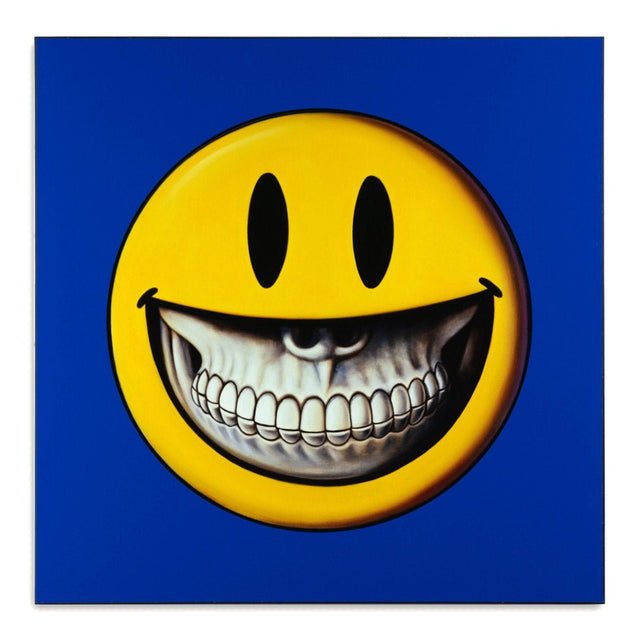
Some artists opt for a minimalist approach, utilizing simple lines and shapes to depict the iconic design. In contrast, others may incorporate more complex patterns, textures, or abstract elements to create unique interpretations. This adaptability has allowed the Smiley Face to flourish in street art, as it can be seamlessly integrated into a wide range of artistic styles. The smiley face, a simple depiction of a smiling face with two dots for eyes and a curved line for a mouth, has become one of the most ubiquitous symbols in modern culture. Its journey from a mere mood-lifter to a significant icon in street pop art and graffiti artwork is a testament to its versatile appeal and power as a means of communication. The smiley face transcends languages and cultures, embodying a universal message of happiness and goodwill that various art movements, including pop art, street art, and graffiti, have embraced. In street pop art, the smiley face has often been used to bring a sense of joy and whimsy to the urban landscape. Graffiti artists have adopted this icon to inject a playful character into their work, contrasting the cityscape's often severe and gritty nature. The simplicity of the smiley allows for quick recognition and direct emotional response, making it an effective tool for artists to connect with a broad audience. Whether splashed across a brick wall, stickered on a lamppost, or stenciled onto a sidewalk, the smiley face in graffiti artwork often serves as an unexpected interruption to the mundane, prompting passersby to pause and engage with their surroundings with a lighter heart.

The Evolution of the Smiley Face in Modern Art Forms

The evolution of the smiley face within modern art forms such as street pop art and graffiti has mirrored societal changes and the shifting tides of emotional expression in public spaces. From its inception, the smiley has been reimagined and recontextualized to fit the messages artists wish to convey. It has been depicted in many variations, from the classic bright yellow circle to more elaborate and sometimes subversive adaptations. The smiley face can often be found in street art as a standalone symbol and incorporated into larger pieces that address themes ranging from peace and love to irony and social critique. The versatility of the smiley face means that it can be both a nostalgic reference to the past and a contemporary commentary. Some artists have used it to invoke the carefree spirit of the 1960s and 70s, while others have adapted it to critique the commercialization of happiness and the pressures of modern life. In this way, the smiley face serves as a canvas upon which artists can project various narratives, making it a powerful and adaptable element in the visual language of street art. One of the most iconic examples of the Smiley Face in street art can be found in the works of renowned British artist Banksy. His satirical approach to street art often incorporates the Smiley Face in provocative and thought-provoking contexts. In one of his most famous pieces, a rioter is depicted wearing a Smiley Face mask, juxtaposing the symbol of happiness with the chaotic scene unfolding around it. This clever use of the Smiley Face challenges viewers to question the true nature of happiness in modern society.
Street artists like Shepard Fairey, creator of the Obey Giant, have reimagined the Smiley Face in their works. Fairey's version, called "Andre the Giant Has a Posse," is a hybrid of the Smiley Face and the visage of Andre the Giant, a professional wrestler. The piece is a commentary on the power of mass media and its ability to create influential symbols. By incorporating the Smiley Face into his work, Fairey effectively highlights the significance and omnipresence of such icons in popular culture. Graffiti and street art prints featuring the Smiley Face are highly sought after by collectors and enthusiasts alike. These works often embody a sense of optimism, resilience, and defiance despite the challenges faced in the modern world. The Smiley Face, in its various forms, continues to serve as a potent reminder that happiness can be found even amidst the most chaotic and unexpected circumstances. The Smiley Face has left an indelible mark on graffiti and street art prints. Its simple, universally recognized design and ability to adapt to various artistic styles make it a favorite subject among artists and collectors. As a symbol of happiness, peace, and positivity, the Smiley Face brings joy and inspiration to those who encounter it in the streets and on the walls of our urban landscapes.

The Smiley Face as a Cultural Icon in Street Art

As a cultural icon, the smiley face occupies a unique position within the world of street art. It symbolizes the counterculture and a mainstream motif, embraced by artists who appreciate its history and ability to speak to a broad audience. The smiley face has been used to foster a sense of community, to challenge the status quo, and to express solidarity or dissent. It is a symbol that can be found in the works of seasoned street artists and the scribbles of anonymous individuals alike, highlighting its democratic nature and its resonance with a diverse range of voices within the urban environment. In street pop art and graffiti, the smiley face often reflects the artist's intent and the cultural moment in which it is created. It connects the mood of a society or offers a counterpoint to it. As such, the smiley face in street art is not merely decorative; it is a potent means of expression, loaded with the potential to inspire, provoke, and connect. The enduring legacy of the smiley face in street pop art and graffiti artwork lies in its simplicity and depth. It is a motif that has been embraced and reinterpreted countless times, yet it retains its core message of happiness and positivity. The smiley face is a reminder of the power of art to influence mood and perspective, to bring light to dark places, and to offer a moment of connection in the fast-paced and often isolating urban environment. Through its various incarnations in street art, the smiley continues to engage with audiences, to challenge and delight, and to serve as a beacon of universal communication in the visual tapestry of the city.
Footer image

© 2025 Sprayed Paint Art Collection,

    • Amazon
    • American Express
    • Apple Pay
    • Bancontact
    • Diners Club
    • Discover
    • Google Pay
    • iDEAL
    • Mastercard
    • PayPal
    • Shop Pay
    • Visa

    Login

    Forgot your password?

    Don't have an account yet?
    Create account