
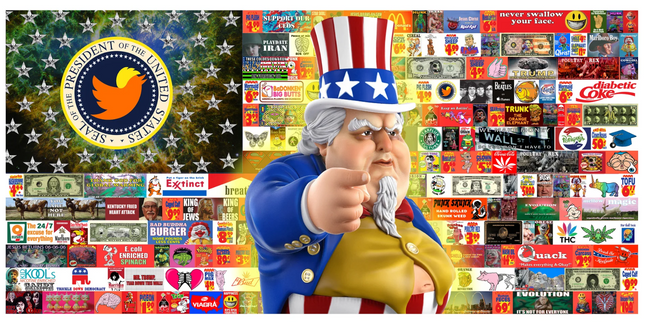
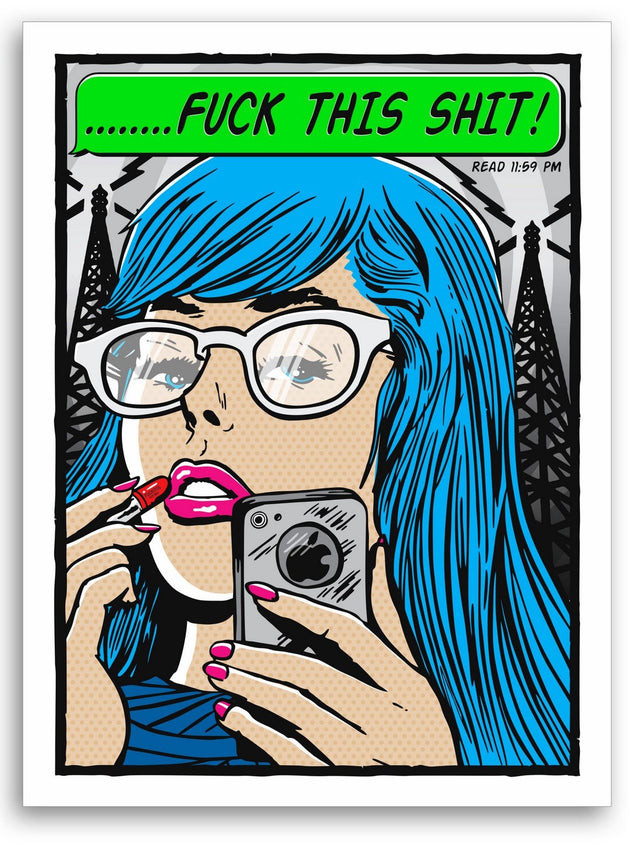
Graffiti art and street art have long been associated with subversion, rebellion, and counterculture. Artists who work in these mediums often use their art to express political views, social commentary, and personal beliefs. In recent years, social media has become a powerful tool for these artists, allowing them to share their work with a global audience and connect with other artists and fans. In this essay, we will explore the role of social media in graffiti art and street art. Social media has had a profound impact on the world of graffiti art and street art. Prior to the rise of social media, graffiti artists had to rely on physical locations to share their work. They would create pieces in public spaces, such as walls, bridges, and buildings, and hope that people would stumble upon them. Street artists, on the other hand, would create their work in urban environments, such as alleyways and abandoned buildings, in the hopes that passersby would see and appreciate their art. With the advent of social media, however, graffiti artists and street artists have been able to share their work with a much wider audience. They can now post photos and videos of their work online, where they can be seen by people all over the world. This has given artists the ability to showcase their work to a global audience, which has led to increased recognition and appreciation for their art. One of the key benefits of social media for graffiti artists and street artists is the ability to connect with other artists and fans. Artists can now communicate with each other and share their work in real-time, regardless of where they are located. This has led to the creation of online communities of artists who share a common passion for graffiti art and street art. Another benefit of social media is that it has allowed artists to gain recognition and build their careers. Many graffiti artists and street artists have been discovered online, and their work has been featured in galleries and exhibitions around the world. Social media has also enabled artists to connect with brands and businesses that are interested in commissioning their work. Despite the benefits of social media, there are also some downsides. One of the main concerns is that social media has led to an increase in the commercialization of graffiti art and street art. Many artists now create work with the intention of gaining likes and followers, rather than expressing their own unique vision. This has led to a proliferation of generic, uninspired pieces that are designed to be easily shared on social media. Another concern is that social media has led to a homogenization of graffiti art and street art. Because artists are now creating work for a global audience, there is a tendency for their work to become more generic and less reflective of local culture and identity. This can lead to a loss of authenticity and diversity in the art form. Despite these concerns, social media has had a net positive effect on graffiti art and street art. It has given artists a platform to showcase their work to a global audience, connect with other artists and fans, and build their careers. While there are certainly downsides to the increased commercialization and homogenization of graffiti art and street art, these are issues that can be addressed by individual artists and the community as a whole. In conclusion, social media has had a significant impact on the world of graffiti art and street art. It has allowed artists to share their work with a global audience, connect with other artists and fans, and build their careers. While there are certainly downsides to the increased commercialization and homogenization of graffiti art and street art, these are issues that can be addressed by individual artists and the community as a whole. Overall, social media has been a powerful tool for these artists, and it is likely to continue to play a key role in the future of graffiti art and street art.