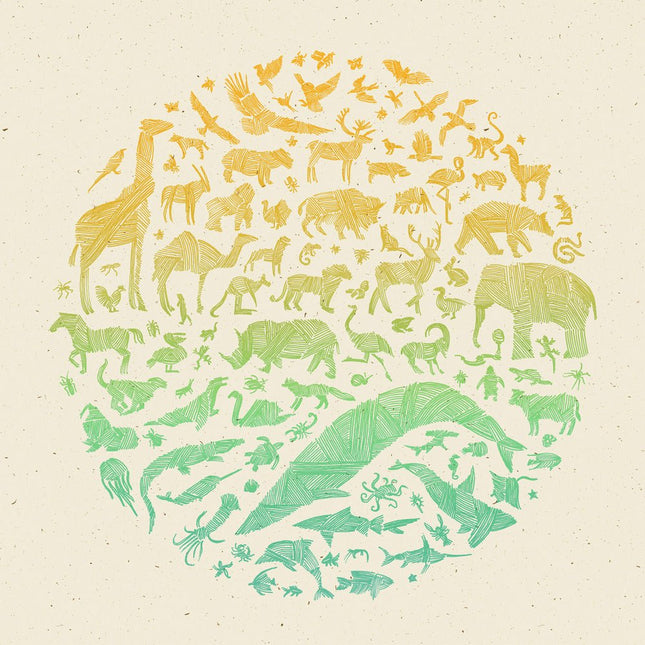
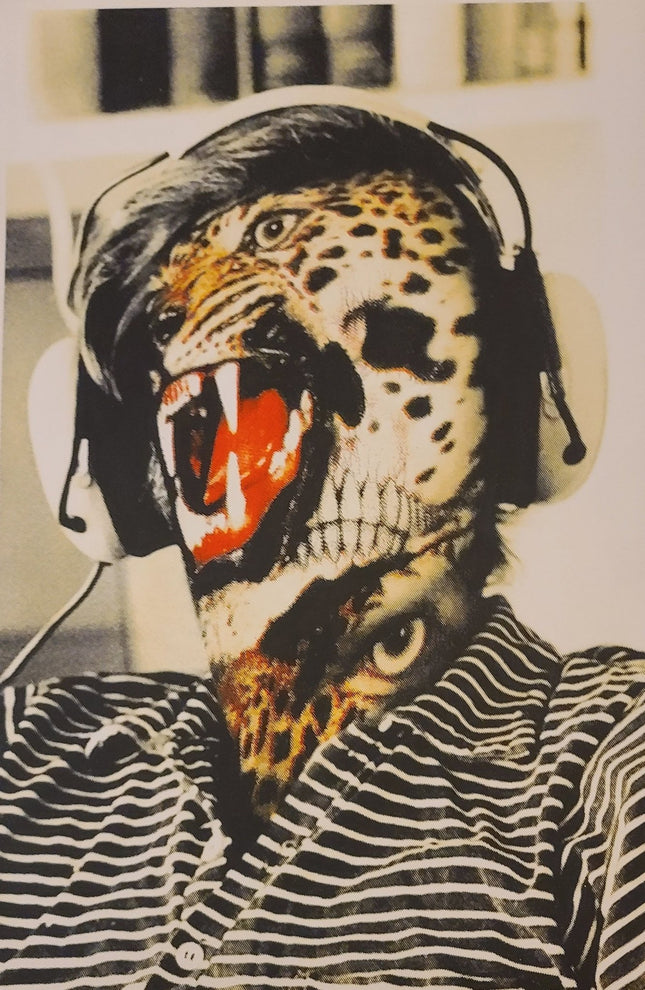

Split fountain screen printing, also known as gradient or rainbow printing, is a captivating technique that has its roots deeply entrenched in the art world. The method essentially involves merging multiple ink colors on a single screen. When squeegeed, these colors naturally blend at their intersections, producing beautiful gradient effects. The result is a striking visual, which captures the essence of fluidity and spontaneity, resonating profoundly with the very spirit of pop art, street art, and graffiti. Originating in the world of commercial printing during the mid-20th century, split fountain screen printing was initially used to create vibrant posters and advertising material. It was during the fervent era of the 1960s and 1970s – characterized by the rise of pop culture, a challenging of societal norms, and an explosion of street art – that this technique was appropriated into an artistic context. Icons like Andy Warhol recognized the aesthetic potential of screen printing and began to employ it in their artworks, giving rise to an epoch of pop art that celebrated mass culture and consumerism. The fluidity and variability inherent in split fountain printing meant that no two prints were ever identical, lending a unique touch to each piece and redefining mass production in the art realm. Street artists and graffiti writers took notice of the arresting visual appeal of split fountain techniques. As street art is rooted in self-expression and a defiance of the conventional, the unpredictable and lively gradients of split fountain screen prints aligned perfectly with the ethos of the street. Graffiti artists, in particular, found this technique to be a potent tool in their arsenal, allowing them to create visually complex backgrounds and pieces with a depth unattainable with mere aerosol cans. Moreover, the art world experienced a transformative shift in perception due to the influence of split fountain screen printing. The traditional notions of perfection were challenged. Instead of pursuing uniformity, artists began to cherish the organic and unpredictable nature of this technique. The unpredictable intermingling of colors became a metaphor for the spontaneous and ever-evolving nature of street and pop art. Furthermore, beyond aesthetics, the use of split fountain screen print in street art and graffiti brought to the fore a strong message of unity. The seamless blending of different colors on a single canvas stood as a potent symbol for harmony, unity, and the breaking down of barriers, resonating with the sociopolitical underpinnings of street art movements around the world. It's essential to understand that the split fountain screen print is more than just a technique; it's a testament to the ever-evolving nature of art. As pop art explored and celebrated everyday life and popular culture, and street art voiced resistance, identity, and societal critiques, the split fountain screen print emerged as a powerful tool in the hands of artists. This method, with its origins in commercial processes, went on to redefine artistic expressions, emphasizing the beauty of imperfection and the celebration of individuality in the face of mass production. From vibrant posters of the 1960s to murals that adorn urban landscapes today, split fountain screen printing continues to be an influential and iconic technique in the art world. By marrying the unpredictable with the profound, it encapsulates the essence of artistic evolution and stands as a beacon for future artists and movements.