


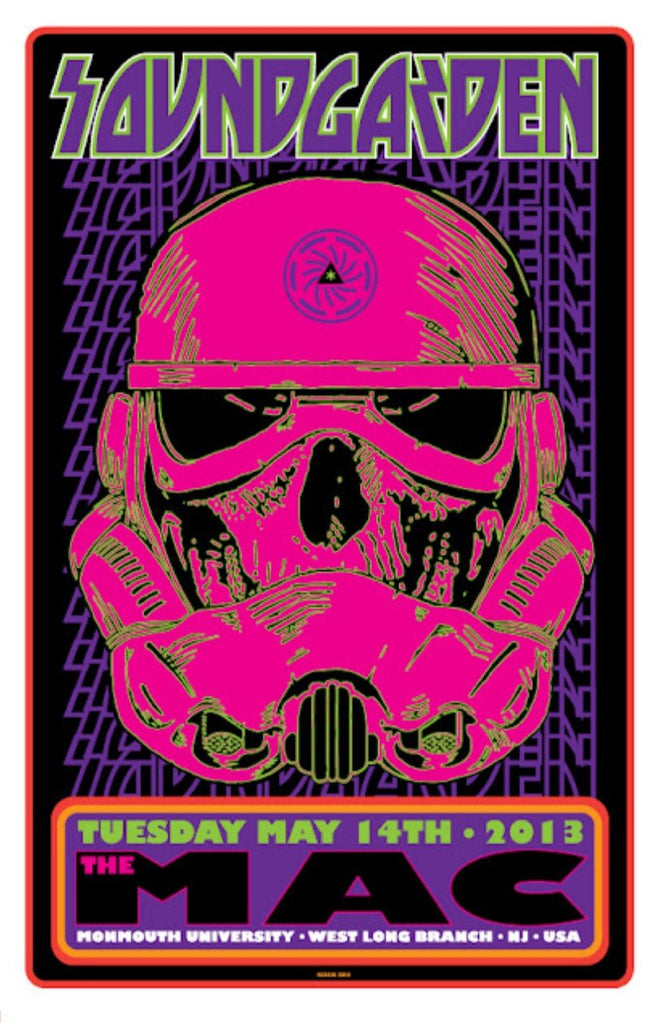

Storm Trooper as Cultural Icon in Street Pop Art & Graffiti Artwork
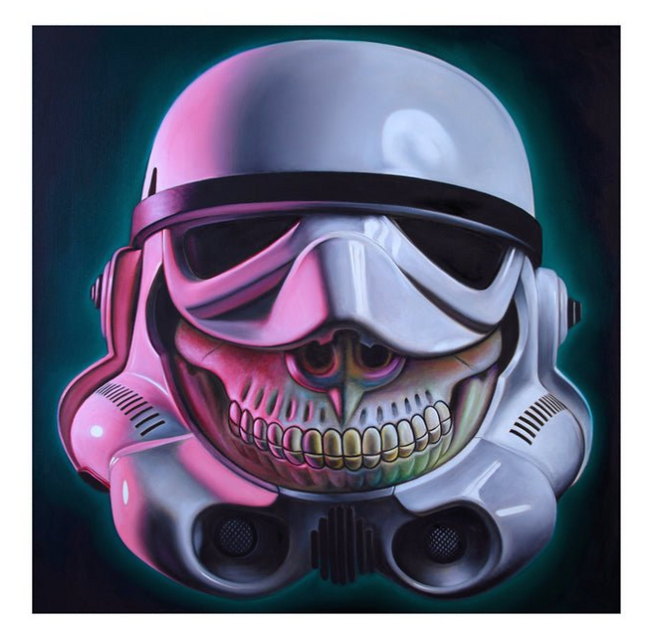
The Storm Trooper, first introduced to audiences through the original Star Wars film in 1977, has since evolved into an enduring symbol within Street Pop Art & Graffiti Artwork. More than just anonymous foot soldiers of the Galactic Empire, Storm Troopers represent conformity, control, and militarized obedience. These themes are frequently repurposed by artists in urban visual culture to critique political systems, examine mass identity, and explore the nature of authority in modern society. Their instantly recognizable white armor and black visor serve as a blank canvas for visual disruption, parody, and rebellion.
Visual Simplicity as a Tool for Subversion
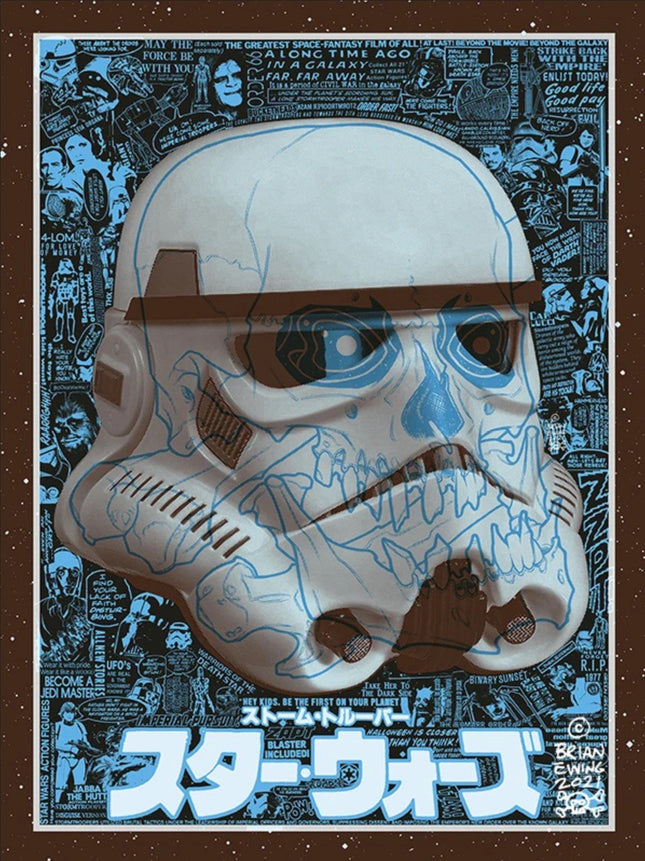
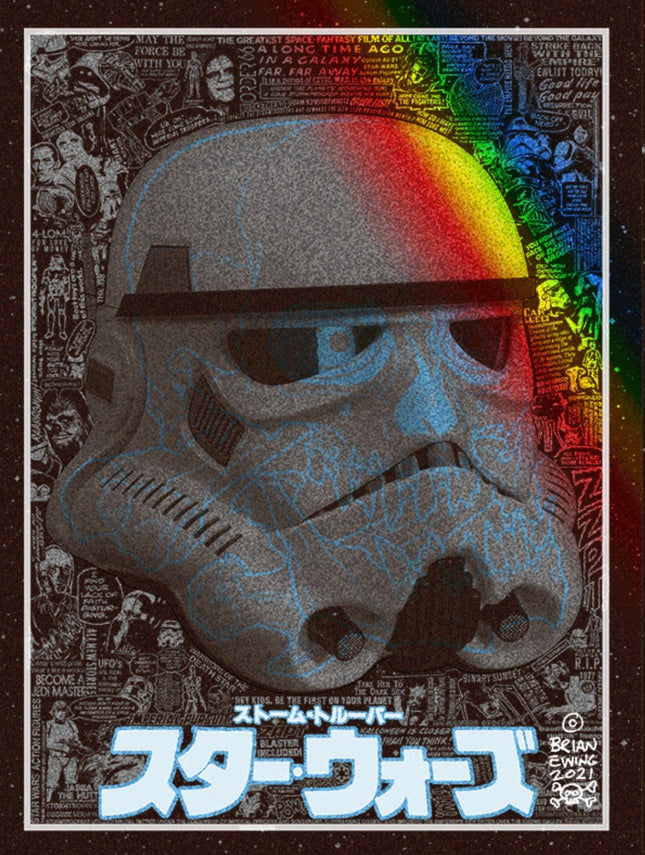
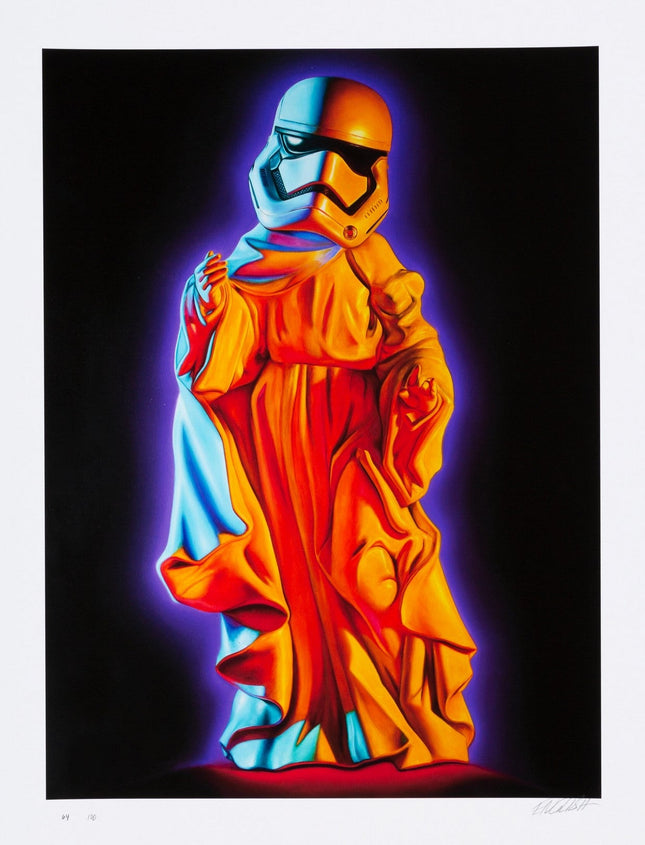
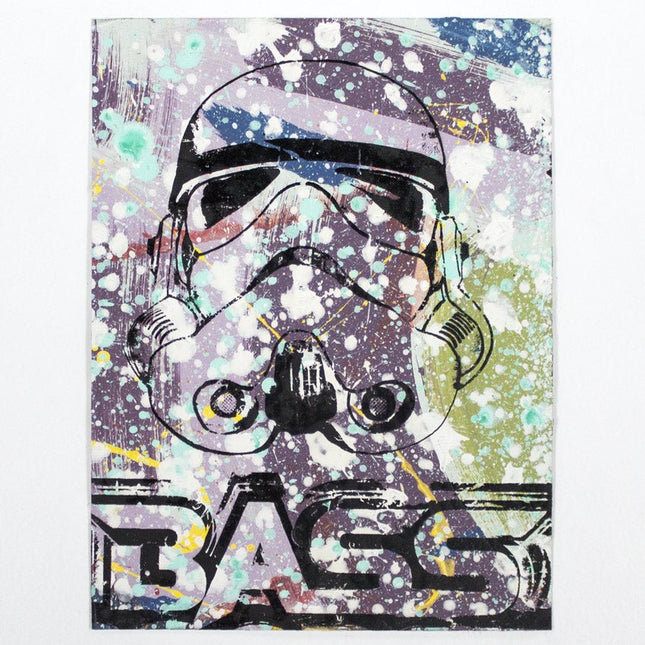
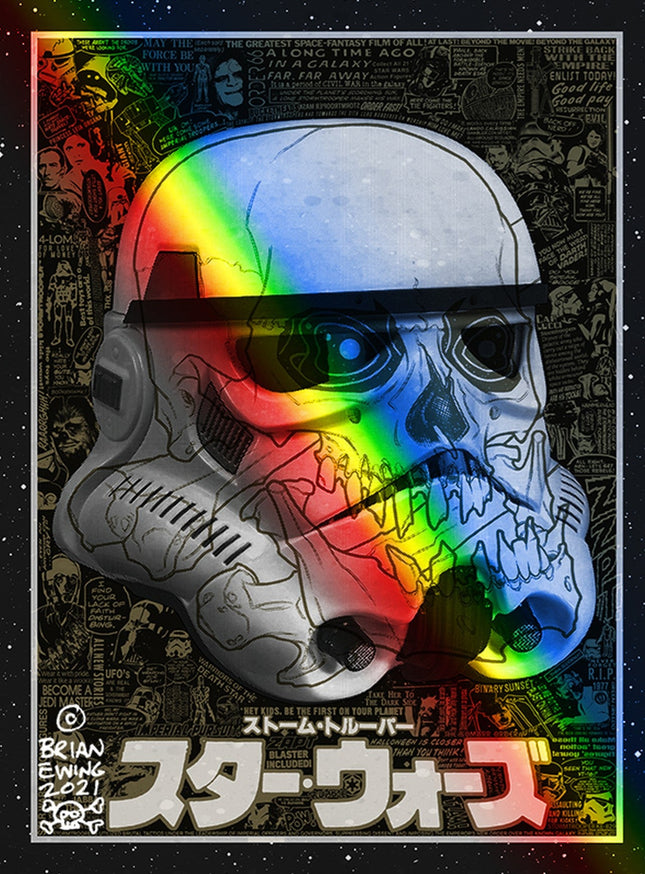
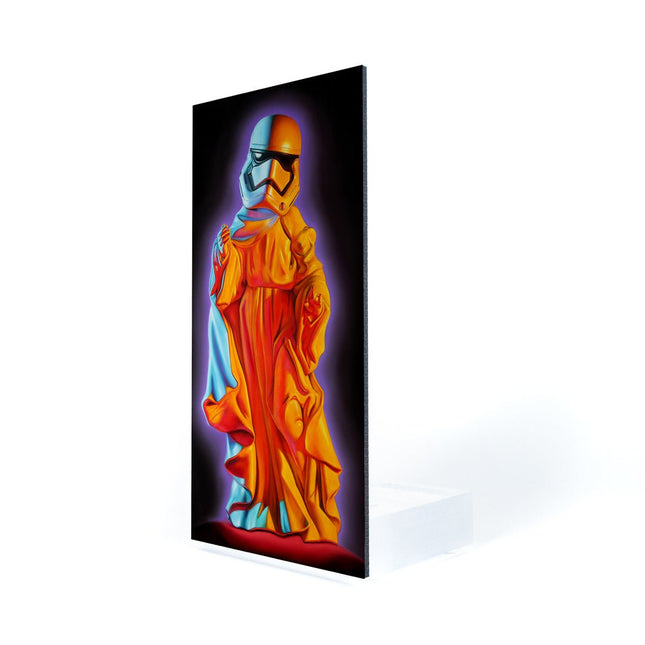
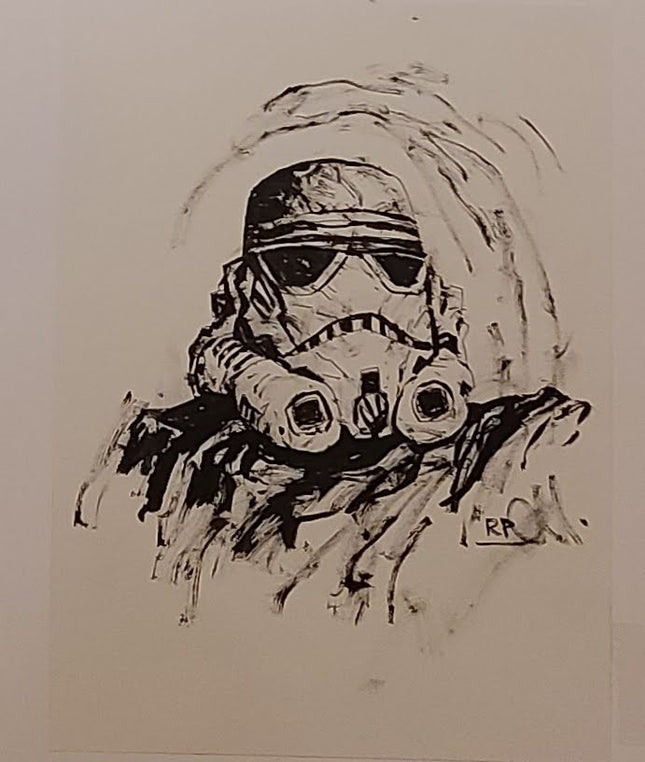
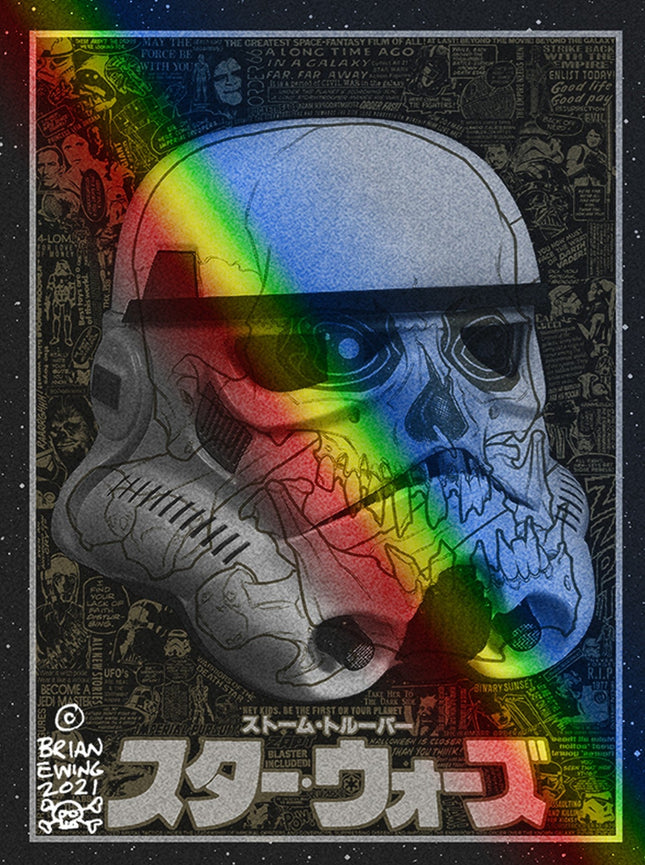
The Storm Trooper’s stark design has allowed artists to embed it into countless reinterpretations across mediums. The clean silhouette, facelessness, and corporate-style uniformity of the character play into the strengths of street art’s visual punch. Artists like Shepard Fairey, Banksy, and contemporary pop surrealists have all incorporated variants of the Storm Trooper into their works to comment on social compliance, media saturation, and the militarization of civilian spaces. Whether painted on a brick wall, stenciled onto a street sign, or reimagined in a high-contrast silkscreen, the Storm Trooper provides a familiar visual anchor for political messaging. The aesthetic appeal of the armor lends itself to powerful graphic compositions. It allows artists to stylize and distort without losing recognizability, making it a perfect motif for sticker bombing, limited edition prints, murals, and sculptural street installations. In many cases, Storm Troopers are depicted juxtaposed against peace symbols, consumer brands, or graffiti tags—commenting on the blurred line between pop entertainment and authoritarian glorification.
Street Pop Commentary Through Galactic Allegory
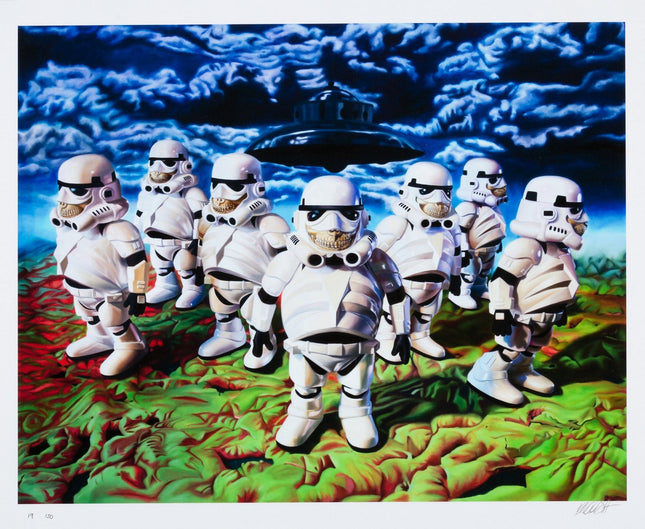
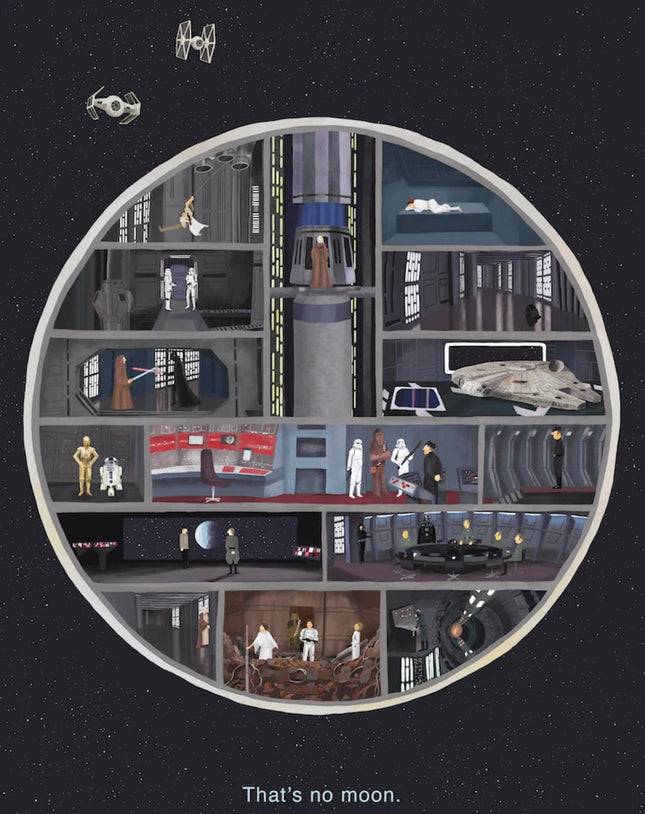
In Street Pop Art & Graffiti Artwork, the use of Star Wars iconography is rarely passive. Storm Troopers often appear as ironic figures, cast into situations that reveal the absurdity of blind allegiance or governmental overreach. Artists position them in satirical or mundane scenes, contrasting their military garb with environments like laundromats, beaches, or urban protests. These compositions reflect larger narratives about societal conditioning, groupthink, and the loss of individuality. Dave Pollot and other remix artists incorporate Storm Troopers into traditional landscape paintings or thrift-store canvases, inserting sci-fi characters into pastoral or vintage Americana. This blend of pop culture and classical art upends expectation and elevates the Storm Trooper into a metaphor for cultural invasion, displacement, and humor-infused critique. Their presence in these works bridges the fantastical and the real, forcing the viewer to reconsider the implications of authority and aesthetic normalization.
Merchandising, Recontextualization, and the Collector Culture
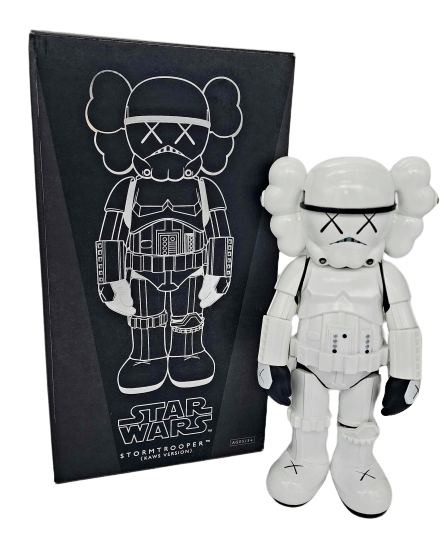
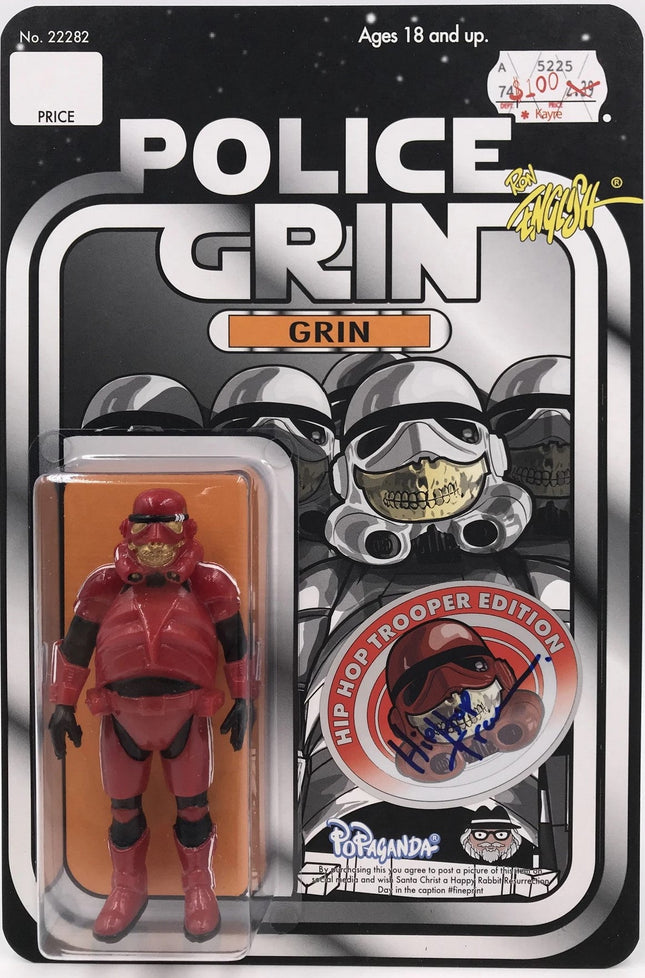
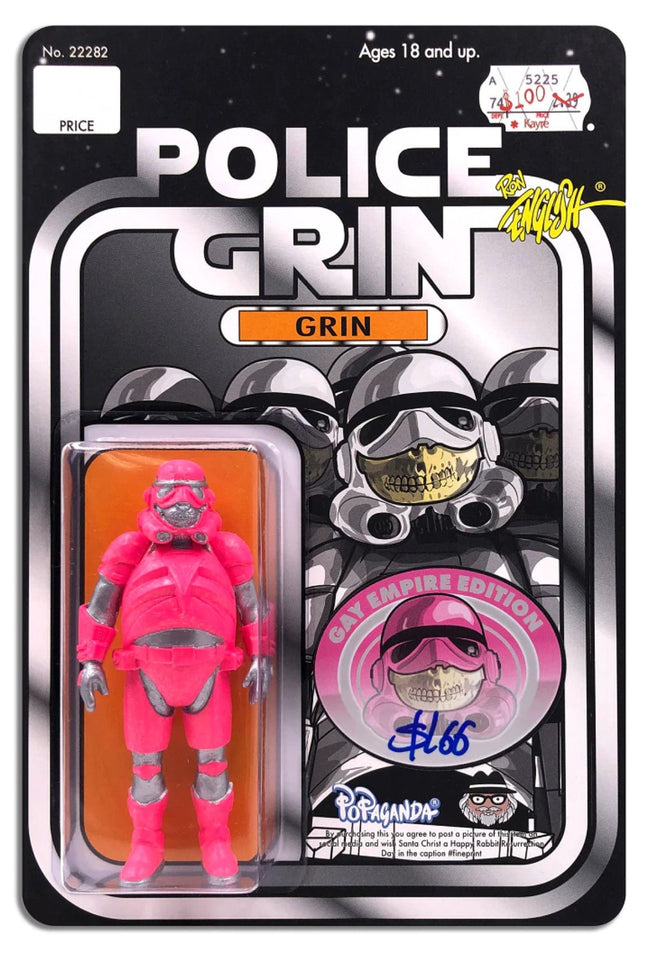
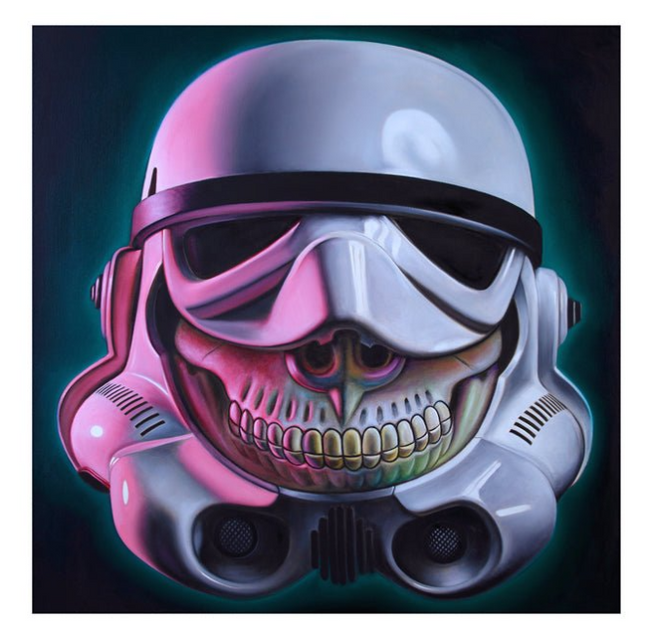
Street Pop Art & Graffiti Artwork thrives on remixing familiar imagery into limited edition forms. Storm Troopers have been printed onto canvases, pasted onto brick alley walls, cast as vinyl sculptures, and even rendered in pixelated or glitch formats by digital artists. The use of Storm Troopers on collectible art prints, stickers, and fine art objects reflects the overlap between pop culture fandom and high art. Artists like Ron English and Ben Frost utilize their presence to examine the corporatization of rebellion—where a symbol of uniformed oppression becomes a beloved mascot in a commercial world. As these artworks enter galleries and curated pop-ups, they challenge notions of taste, value, and narrative control. The Storm Trooper continues to serve as an effective stand-in for themes of surveillance, order, and the collective surrender of identity. Whether spray-painted across a subway wall or silk-screened into an art print hanging in a modern gallery, the Storm Trooper persists as a cultural cipher, carrying with it the coded messages of artists who seek to question power, explore conformity, and blend satire with spectacle.