
Subway and Train Graffiti: The Movement of Underground Art
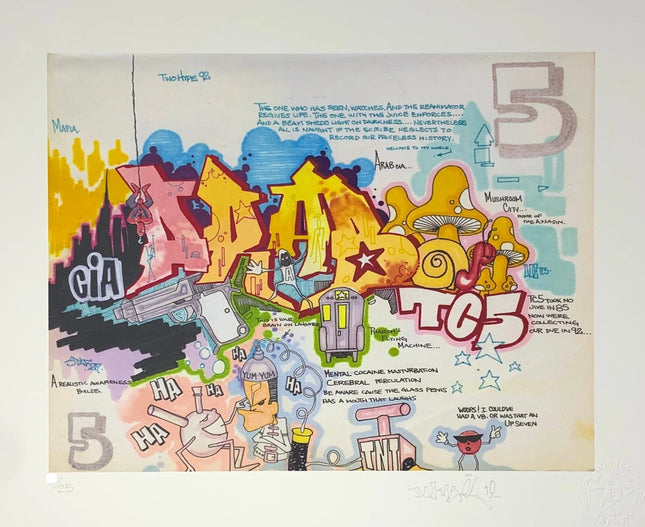
Subway and train systems have long served as the backdrop for an art movement that is as transient as it is permanent. In the tumultuous urban landscapes of the 1960s and 1970s, particularly in New York City, the subway became the pulsating artery through which the lifeblood of graffiti art flowed. This movement was not merely about the artistry of lettering or the boldness of color; it was a social statement, a form of communication, and a voice for the voiceless. The trains became moving galleries, exhibiting the work of marginalized communities to a citywide audience. The early graffiti artists who began this movement were pioneers, not just in technique but in transforming public perception of what art could be. Their canvases were the sides of subway cars, the platforms, and the stations themselves. These artists took the concept of street pop art and graffiti artwork and propelled it into a global phenomenon, using the subway system as a catalyst for their expressions.
Evolution of Train Graffiti: From Subway Tags to Freight Murals
The graffiti on trains started as simple tags, a way for individuals to mark their presence in a city that often felt indifferent to their existence. But as time progressed, these tags evolved into intricate art pieces, with artists spending hours, sometimes days, creating elaborate murals on the sides of train cars. The graffiti movement of the trains tells a story of not just artistic evolution but of the socio-economic conditions that fostered the need for such expressions. The move from subway to freight train graffiti marked a significant shift in the landscape of street art. As the crackdown on subway graffiti became more aggressive, artists migrated to the expansive canvases provided by freight trains. These trains carried the messages and the art across the country, from the East Coast to the West, spreading the ethos of the street art movement far and wide.
Freight Trains: A New Frontier for Graffiti Art
Freight train graffiti became a culture within a culture, with some artists dedicating their entire work to these mobile canvases. The freight train movement encapsulated the spirit of rebellion and freedom central to street art. Each car offered a fresh start, a new journey, and an opportunity to connect with a different audience. This movement wasn't just about disseminating art; it was about sharing an experience and a message with a community much more significant than any city could hold. This form of street pop art and graffiti artwork has not only endured but has flourished. Today, train graffiti is recognized as an integral part of the history of street art. It is a testament to the creativity and resilience of artists who use their surroundings to reflect their realities, challenge societal norms, and engage with a broader public dialogue. The marks made by these artists are not just on the metal surfaces of trains but in the annals of art history, forever linked to the cultural narrative of the cities they adorn.
Cultural Impact of Train and Subway Art
The cultural impact of train and subway graffiti is immeasurable. It has influenced fashion, music, literature, and even the language of the streets. It has also played a role in the gentrification of urban areas, paradoxically both a symbol of urban decay and a marker of trendy urban living. The duality of train graffiti as both an act of vandalism and a work of art continues to spark debate, challenging our notions of public space and the ownership of art. In conclusion, the world of train and subway graffiti is a complex one, rich with history, controversy, and artistry. It is a world that has given rise to some of the most iconic works of street art and has served as a breeding ground for artists who have become legends. As the trains continue to roll, so does the ever-evolving story of street pop art and graffiti artwork.