
Takashi Murakami TM/KK
-
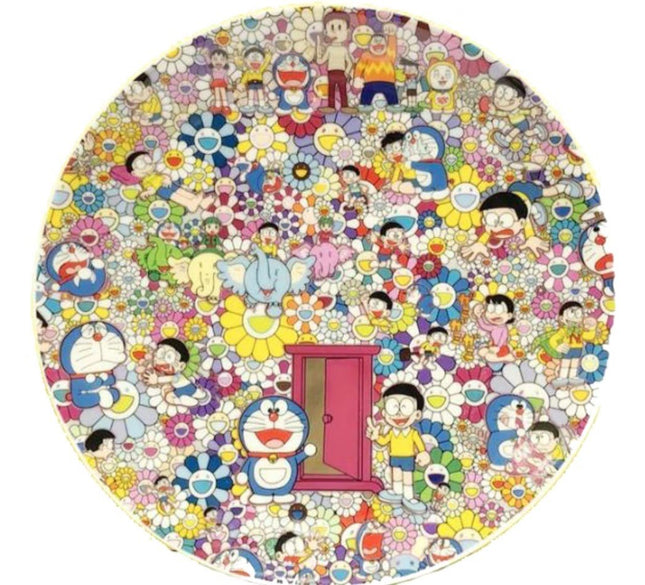
Takashi Murakami TM/KK Doraemon Exhibition Tokyo Archival Pigment Plate by Takashi Murakami TM/KK
Doraemon Exhibition Tokyo Plate Limited Edition Archival Pigment Print Art on Ceramic Plate Artwork by Famous Artist Takashi Murakami TM/KK. 2017 Limited Edition Size 9" Collectible Art Plate Takashi Murakami's Intersection of Traditional and Pop Culture Takashi Murakami, a renowned artist whose work has consistently blurred the lines between fine art and pop culture, created a piece for the Doraemon Exhibition in Tokyo that captures the essence of this fusion. The exhibition piece, a limited edition 9-inch ceramic plate, features Murakami's signature style, often incorporating brightly colored anime and manga characters into traditional artistic formats. Artistic Elements and Cultural Influence Murakami's work on the Doraemon Exhibition plate is an archival pigment print that brings street pop art's vibrancy to the ceramic medium. This artwork stands out for its amalgamation of characters from the popular Japanese series 'Doraemon' with Murakami's distinctive flower motifs and designs. The characters are set against a backdrop of many flowers, creating a complex, eye-catching pattern that represents Murakami's exploration of contemporary Japanese society and otaku culture within the context of historical artistic practices. Murakami's Unique Style and the Art World Murakami's approach often involves a dialogue between different cultural elements, combining traditional Japanese artistic techniques with the mass appeal of anime and manga. His method is rooted in the "Superflat" concept, which he coined to describe the cultural commentary embedded in his artworks. This style is evident in the Doraemon Exhibition plate, where the flattened pictorial plane and the juxtaposition of characters suggest a deeper narrative on the influence of pop culture in our lives. Pop Art, Street Art, and Their Confluence By incorporating elements of street pop art and graffiti artwork into his ceramic plate design, Murakami contributes to the ongoing conversation about the validity and importance of pop culture in the art world. He elevates the perception of animated characters by placing them within the context of 'high art,' challenging preconceived notions about the value and meaning of pop and street art. Collectibility and Murakami's Global Impact The Doraemon Exhibition plate is a piece of art and a collectible item that has garnered attention from art collectors and enthusiasts worldwide. Murakami's ability to traverse the line between art and commodity has made his works highly sought after, and pieces like the Doraemon plate continue to shape the landscape of contemporary art collecting. Through these collectibles, Murakami has left a significant mark on global art culture, influencing new generations of artists and collectors alike. This Doraemon Exhibition plate by Takashi Murakami is a testament to the transformative power of pop culture within the art world and its ability to create new dialogues and understandings across different mediums and cultural backgrounds.
$541.00
-
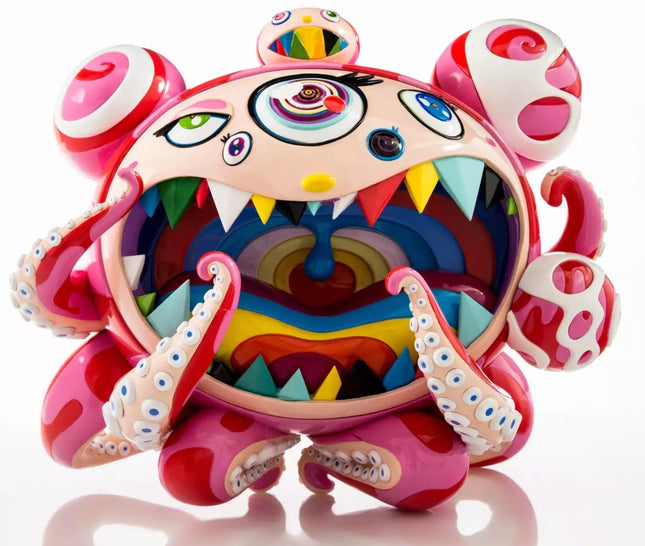
Takashi Murakami TM/KK Mr Dob B Art Toy Sculpture by Takashi Murakami TM/KK
Mr Dob B Limited Edition Vinyl Art Sculpture Collectible Artwork by Japanese Pop Culture Artist Takashi Murakami TM/KK x BAIT. 2017 Limited Edition of 800 Complexcon x BAITx Takashi Murakami 9x12x8 Perfect Like New Displayed With Box. Mr. Dob B Vinyl Sculpture by Takashi Murakami: Multicolor Chaos in Street Pop Art & Graffiti Artwork Mr. Dob B is a 2017 limited edition vinyl art sculpture by Japanese artist Takashi Murakami, created in collaboration with BAIT and released during ComplexCon in a run of 800 pieces. Measuring approximately 9x12x8 inches, the piece features Murakami’s signature character Mr. Dob, a hybrid creation that combines mouse-like ears with a psychedelic, manic expression and vibrant color scheme. Presented in a sculptural format with a fully illustrated collector’s box, the figure exemplifies Murakami’s ability to translate two-dimensional visual chaos into tactile three-dimensional form. The piece embodies a convergence of Japanese superflat aesthetics, otaku subculture, and fine art sculpture, aligning closely with the language and impact of Street Pop Art & Graffiti Artwork. Design, Dimension, and Character Evolution Mr. Dob B is one of the most striking physical manifestations of Murakami’s universe, with the figure’s open jaw revealing an internal vortex of teeth, tongues, rainbows, and spikes. The swirling eyes, exaggerated facial features, and tentacle-like limbs transform the figure into an optical spectacle that defies traditional character design. Built in high-gloss vinyl with a candy-like finish, the sculpture holds presence and reflects light like a futuristic idol. Murakami’s layering of pop references, Japanese animation cues, and commercial color schemes results in a form that feels both celebratory and confrontational. This version of Mr. Dob functions as a physical distillation of the visual overload often seen in Murakami’s paintings and murals. It is a figure both familiar and terrifying, comical and aggressive, simultaneously referencing kawaii culture and subverting it. Takashi Murakami’s Influence on Pop-Driven Collectible Sculpture Takashi Murakami, born in Japan in 1962, is widely recognized as a central figure in contemporary pop-infused fine art. His work blurs distinctions between high culture and consumerism, integrating anime, fashion, and graffiti into museum-level exhibitions and commercial collaborations. Mr. Dob, introduced in the mid-1990s, has become one of Murakami’s most recognizable motifs—part mascot, part avatar, part marketing critique. In the context of Street Pop Art & Graffiti Artwork, Murakami’s vinyl sculptures function as icons of consumer subversion. They are designed to be collected, displayed, and celebrated, yet they contain within them the coded languages of branding, art history, and digital culture. With the release of Mr. Dob B at ComplexCon—a marketplace event known for its intersection of streetwear, art, and hype—Murakami further positioned the sculpture as an emblem of culture remix and high-art accessibility. Limited Edition Vinyl as a Pop-Cultural Time Capsule The 2017 Mr. Dob B edition is packaged in a large format, fully printed box that mirrors the chaotic aesthetic of the figure inside. Each sculpture is factory-finished to perfection, with clean paint applications and balanced form, echoing the commercial polish of designer toy culture. Yet unlike mass-market collectibles, this figure is part of a limited edition, marking its exclusivity and artistic integrity. Murakami’s presence at ComplexCon signaled a shift—where fine art not only entered the hype arena but became central to it. In Street Pop Art & Graffiti Artwork, this edition stands as a time capsule of visual culture—playful, precise, and entirely aware of its impact. Mr. Dob B is not merely a sculpture but a statement about saturation, spectacle, and the evolving definition of art in a media-drenched world.
$3,645.00