
Tokyo

1 artwork

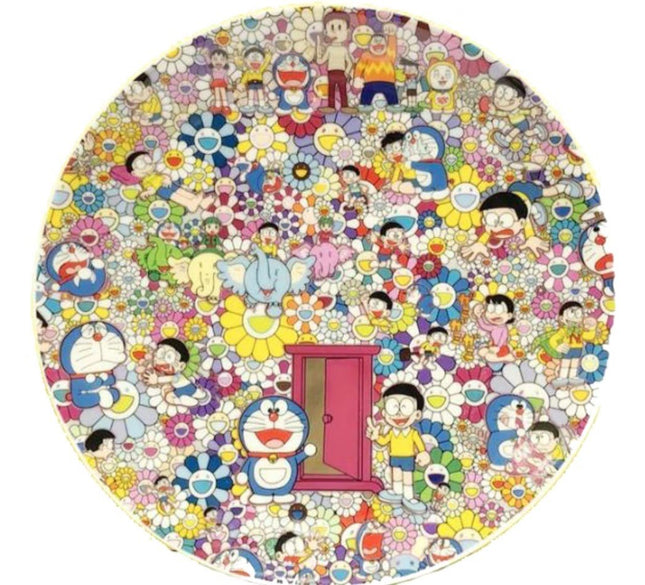
  • Doraemon Exhibition Tokyo Archival Pigment Plate by Takashi Murakami TM/KK

    Takashi Murakami TM/KK Doraemon Exhibition Tokyo Archival Pigment Plate by Takashi Murakami TM/KK

    Doraemon Exhibition Tokyo Plate Limited Edition Archival Pigment Print Art on Ceramic Plate Artwork by Famous Artist Takashi Murakami TM/KK. 2017 Limited Edition Size 9" Collectible Art Plate Takashi Murakami's Intersection of Traditional and Pop Culture Takashi Murakami, a renowned artist whose work has consistently blurred the lines between fine art and pop culture, created a piece for the Doraemon Exhibition in Tokyo that captures the essence of this fusion. The exhibition piece, a limited edition 9-inch ceramic plate, features Murakami's signature style, often incorporating brightly colored anime and manga characters into traditional artistic formats. Artistic Elements and Cultural Influence Murakami's work on the Doraemon Exhibition plate is an archival pigment print that brings street pop art's vibrancy to the ceramic medium. This artwork stands out for its amalgamation of characters from the popular Japanese series 'Doraemon' with Murakami's distinctive flower motifs and designs. The characters are set against a backdrop of many flowers, creating a complex, eye-catching pattern that represents Murakami's exploration of contemporary Japanese society and otaku culture within the context of historical artistic practices. Murakami's Unique Style and the Art World Murakami's approach often involves a dialogue between different cultural elements, combining traditional Japanese artistic techniques with the mass appeal of anime and manga. His method is rooted in the "Superflat" concept, which he coined to describe the cultural commentary embedded in his artworks. This style is evident in the Doraemon Exhibition plate, where the flattened pictorial plane and the juxtaposition of characters suggest a deeper narrative on the influence of pop culture in our lives. Pop Art, Street Art, and Their Confluence By incorporating elements of street pop art and graffiti artwork into his ceramic plate design, Murakami contributes to the ongoing conversation about the validity and importance of pop culture in the art world. He elevates the perception of animated characters by placing them within the context of 'high art,' challenging preconceived notions about the value and meaning of pop and street art. Collectibility and Murakami's Global Impact The Doraemon Exhibition plate is a piece of art and a collectible item that has garnered attention from art collectors and enthusiasts worldwide. Murakami's ability to traverse the line between art and commodity has made his works highly sought after, and pieces like the Doraemon plate continue to shape the landscape of contemporary art collecting. Through these collectibles, Murakami has left a significant mark on global art culture, influencing new generations of artists and collectors alike. This Doraemon Exhibition plate by Takashi Murakami is a testament to the transformative power of pop culture within the art world and its ability to create new dialogues and understandings across different mediums and cultural backgrounds.

    $541.00

Tokyo Graffiti Street Pop Artwork

Tokyo's Role in Street Pop Art & Graffiti Artwork

Tokyo stands as one of the most visually stimulating cities in the world, where neon-drenched streets, architectural density, and an ingrained culture of design have provided fertile ground for Street Pop Art & Graffiti Artwork. While graffiti in Tokyo has historically been suppressed through strict legal frameworks and property protection, the scene has continued to evolve through persistence, innovation, and cultural hybridization. Artists in Tokyo have developed unique styles that blend traditional Japanese motifs with Western pop influences, anime aesthetics, and futurist urban themes. The city’s visual overload has influenced both local and international street artists to create high-impact work designed for fleeting encounters amid the fast-paced metropolis.

Graffiti Culture in Tokyo's Urban Landscape

Although graffiti remains technically illegal in Tokyo, certain areas like Shibuya, Shimokitazawa, Harajuku, and Koenji have become recognized unofficial canvases for urban artists. The graffiti styles range from stylized kanji tags and complex wildstyle to politically nuanced stencil pieces and post-pop paste-ups. One of the key figures in Tokyo’s graffiti evolution is Dragon76, known for his expressive characters that merge Japanese calligraphy with hip hop and reggae influences. Another prominent voice is UFO907, whose collaborations and cryptic iconography have appeared across the city. These artists reflect a broader Japanese approach that prioritizes subtlety, aesthetics, and social engagement over overt rebellion.

Street Pop Aesthetics and Designer Influence

Street Pop Art in Tokyo has developed a distinct visual identity by drawing influence from fashion, manga, and commercial packaging. Artists like Takashi Murakami have shifted perceptions of what constitutes fine art, merging high-end gallery exhibitions with street visuals rooted in pop culture. While Murakami does not directly tag the streets, his influence is seen in how many Tokyo-based artists incorporate flat color, character design, and consumer iconography into their work. This overlap between street expression and branded design is evident in the collaborations between graffiti artists and major Japanese fashion houses, including BAPE and Comme des Garçons, where wall aesthetics translate into collectible apparel and accessories.

Public Art Projects and Global Recognition

Tokyo’s tight public regulations have pushed many artists toward sanctioned mural projects and curated installations in spaces like 3331 Arts Chiyoda and the Daikanyama T-Site. Large-scale murals and installations supported by private sponsors and art festivals provide a platform for local talent while welcoming international graffiti legends. Tokyo’s influence on Street Pop Art & Graffiti Artwork continues to grow globally as artists from around the world visit the city, inspired by its fusion of heritage and hyper-modernity. While spontaneous wall work may be rare compared to cities like Berlin or São Paulo, the impact of Tokyo's artists and its visual environment is unmistakable in shaping contemporary global street culture.

Footer image

© 2025 Sprayed Paint Art Collection,

    • Amazon
    • American Express
    • Apple Pay
    • Bancontact
    • Diners Club
    • Discover
    • Google Pay
    • iDEAL
    • Mastercard
    • PayPal
    • Shop Pay
    • Visa

    Login

    Forgot your password?

    Don't have an account yet?
    Create account