Tribal Druid & Native

1 artwork

  • The Incredible Inka Silkscreen Print by Mad

    Mad The Incredible Inka Silkscreen Print by Mad

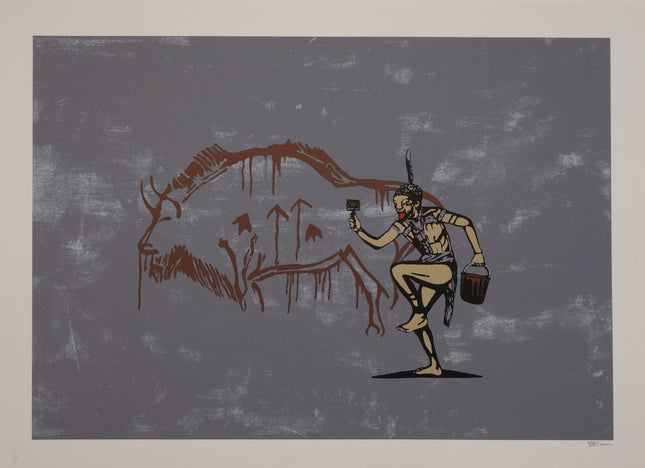
    The Incredible Inka 9-Color Hand-Pulled Limited Edition Silkscreen Print on 300gsm Fabriano Watercolour Paper by Mad Rare Street Art Famous Pop Artwork Artist. 2017 Signed & Numbered Limited Edition of 70 9 color Screen Print On Fabriano 300 gsm Paper of Native American Tribal Indian Graffiti Artist Cave Painting a Buffalo. The Incredible Inka by Mad The Incredible Inka is a stunning 9-color hand-pulled silkscreen print created by Mad, a prominent name in street pop art and graffiti artwork. Released in 2017 as a signed and numbered limited edition of 70, this piece masterfully combines themes of cultural heritage, artistic expression, and contemporary commentary. Printed on 300gsm Fabriano watercolor paper, the artwork captures the essence of tribal creativity through its depiction of a Native American figure creating cave art of a buffalo. The intricate layering of colors and textures adds depth to this evocative piece, making it a standout collectible. A Celebration of Tribal and Modern Art The Incredible Inka portrays a Native American tribal figure adorned in traditional attire, engaging in the act of creating cave art. The central imagery includes a bold depiction of a buffalo, rendered in earthy tones reminiscent of ancient rock paintings. This connection to heritage is contrasted with the tools and posture of the figure, which reflect a modern graffiti artist. The scene plays out on a gray, textured background that evokes the rough surfaces of cave walls, blending past and present seamlessly. The 9-color silkscreen process enhances the richness of the design, allowing each element to stand out while contributing to a cohesive composition. The Vision of Mad Mad, an influential artist in the realm of street pop art, is known for his ability to merge historical and cultural motifs with modern urban aesthetics. The Incredible Inka reflects his dedication to exploring themes of identity, legacy, and artistic evolution. By portraying a Native American tribal figure as a graffiti artist, Mad bridges the gap between ancient and contemporary forms of visual storytelling. His work often challenges viewers to reconsider their perceptions of art and its role in preserving and reinterpreting culture. A Rare and Collectible Artwork The Incredible Inka is part of a limited edition of 70 prints, each signed and numbered by Mad, ensuring its exclusivity and authenticity. The use of 300gsm Fabriano watercolor paper adds a tactile quality to the piece, complementing its visual impact. The 9-color silkscreen printing process showcases Mad’s commitment to precision and craftsmanship, resulting in a piece that is as durable as it is visually stunning. Its dimensions and rich design make it a statement piece for any collection of contemporary or street art. The Incredible Inka is more than an artwork; it is a dialogue between tradition and modernity. By blending tribal iconography with the rebellious spirit of graffiti artwork, Mad invites viewers to reflect on the continuity and evolution of artistic expression. This print stands as a testament to the enduring power of street pop art to connect diverse cultural narratives in a single, impactful piece.

    $492.00

Tribal Druid & Native Graffiti Street Pop Artwork
Tribal themes have been a source of inspiration for many artists throughout history, and this includes both graffiti art and pop art. Graffiti art has its roots in urban culture, while pop art emerged in the 1950s and 1960s as a response to the rise of mass consumerism and the popularization of advertising and media. In graffiti art, tribal themes are often used to convey a sense of cultural identity and heritage. Graffiti artists may draw on traditional tribal art styles and motifs to create their own unique works that speak to their individual experiences and perspectives. For example, a graffiti artist might incorporate patterns inspired by Maori or Native American designs into their work to express their own cultural heritage or pay homage to the traditions of others. Similarly, in pop art, tribal themes are often used to explore issues of identity and cultural exchange. Pop artists may draw on imagery from tribal cultures to create bold, colorful works that comment on the ways in which cultures intersect and influence one another. For example, pop artist Keith Haring often incorporated tribal motifs into his work to create a sense of universal human connection, while also exploring themes of power and oppression. Graffiti art has its roots in the hip-hop culture of the 1970s and 1980s, and it has since grown to become a global phenomenon. Graffiti artists often use tribal themes in their work as a way of expressing cultural identity and heritage. For example, a graffiti artist of Pacific Islander descent might incorporate traditional Polynesian designs into their work to pay homage to their cultural heritage. In addition, graffiti artists may also draw on tribal motifs to create a sense of community and belonging. Graffiti writers often form crews, or groups of like-minded individuals, and the use of tribal themes can serve as a way of visually representing this sense of shared identity and purpose. Pop art emerged in the 1950s and 1960s as a response to the rise of mass consumerism and the popularization of advertising and media. Pop artists often drew on imagery from popular culture to create bold, colorful works that commented on the changing nature of American society. Tribal themes were often used in pop art to explore issues of identity and cultural exchange. Pop artists such as Keith Haring and Jean-Michel Basquiat often incorporated tribal motifs into their work as a way of creating a sense of universal human connection. For example, Haring's "Radiant Baby" image incorporates elements of tribal art, but it is also a symbol of hope and innocence that transcends cultural boundaries. The use of tribal themes in graffiti art and pop art can serve as a means of exploring issues of identity, heritage, and cultural exchange. By drawing on traditional motifs and styles, artists can create works that speak to their own experiences while also bridging the gap between different cultures and communities.
Footer image

© 2025 Sprayed Paint Art Collection,

    • Amazon
    • American Express
    • Apple Pay
    • Bancontact
    • Diners Club
    • Discover
    • Google Pay
    • iDEAL
    • Mastercard
    • PayPal
    • Shop Pay
    • Visa

    Login

    Forgot your password?

    Don't have an account yet?
    Create account