Tribal Druid & Native

6 artworks

  • Sale -15% The Welcomer Soul Rider Sculpture by Dulk- Antonio Segura Donat

    Dulk- Antonio Segura Donat The Welcomer Soul Rider Sculpture by Dulk- Antonio Segura Donat

    Soul Rider The Welcomer Limited Edition Polyresin Sculpture Artwork by Legendary Fine Art Artist Dulk- Antonio Segura Donat. 2023 Limited Edition of 100 Artwork Size Painted cast resin 14 5/8 × 9 × 9 in | 37.1 × 22.9 × 22.9 cm  A limited edition of 100 pieces, they all come numbered with COA (Certificate of Authenticity) in a wooden box. New in Box. The Welcomer Soul Rider by Dulk: Whimsy and Symbolism in Street Pop Art & Graffiti Artwork The Welcomer Soul Rider is a surreal polyresin sculpture created by Antonio Segura Donat, the Spanish fine art and street pop artist known globally as Dulk. Part of his Soul Rider series, this piece channels Dulk’s signature mythology through playful forms and symbolic characters rooted in fantasy, ecology, and layered storytelling. Perched atop a polka-dotted mushroom pedestal, a candy-colored creature combining features of a rabbit, unicorn, and fantasy familiar stands poised, while another character, masked and horned, rides upon its back with a trumpet raised in mid-call. This imaginative and theatrical composition fuses theatricality and allegory in a format that merges narrative depth with toy-like precision, making it a striking example of Street Pop Art & Graffiti Artwork in three-dimensional form. The main figure wears a twisted unicorn horn, oversized spiraled eyes, and a jester-like collar, blending animal innocence with ceremonial significance. Its expression is frozen in blissful confusion, a hallmark of Dulk’s emotional ambiguity. Its pink body contrasts with the cool tones of the mushroom base, which includes hidden characters and details such as a small caterpillar clinging to its edge. The rear rider, with elongated ears and acorn-shaped headwear, wears a black mask and raises a musical instrument as if announcing an arrival. This dynamic scene evokes ritual, procession, and a sense of surreal celebration, offering a playful yet haunting narrative about identity, transformation, and observation. Symbolic Storytelling and Playful Dissonance in Dulk’s Visual World Dulk’s work often explores duality: light and shadow, celebration and extinction, innocence and decay. In The Welcomer Soul Rider, the characters feel as if summoned from a forgotten folklore or alternate realm, their features exaggerated yet precise. The pastel palette softens their eccentricity, giving them an approachable presence while maintaining mystery. The visual language combines influences from street art, classic fairytales, and ecological allegory. Like many of Dulk’s works, this sculpture poses more questions than it answers, inviting viewers to decipher its meanings through emotion and imagination. The mushroom base plays an important role as a symbol of regeneration and hidden ecosystems. It functions as both throne and stage. The oversized lock at the bottom of the mushroom base suggests something magical or secret beneath the surface. Dulk often uses such visual cues to suggest that there is more to the world than meets the eye. The mask worn by the trumpet bearer hints at themes of identity and voice, possibly symbolizing guardianship, ceremony, or disguise. These objects and forms speak to the layered complexity often found in Street Pop Art & Graffiti Artwork, where surface whimsy conceals subtextual urgency. Dulk’s Role in Sculptural Storytelling within Street Pop Art Antonio Segura Donat has emerged as a defining voice in the contemporary scene, merging his roots in muralism with a sculptural practice that transforms flat wall narratives into tangible objects. The Welcomer Soul Rider exemplifies how his storytelling transcends media, maintaining the emotional clarity and visual humor of his murals while exploring texture, volume, and space. The piece feels like a paused scene in an unwritten fable, both frozen in time and full of momentum. The sculpture aligns with the ethos of Street Pop Art & Graffiti Artwork by maintaining accessibility and visual immediacy while challenging conventions of fine art through character design, symbolic layering, and satirical edge. Dulk’s aesthetic borrows from animated films, street iconography, and folklore, resulting in a style that is deeply personal yet universally engaging. His work encourages reflection on environmentalism, empathy, and the fantastical narratives we carry within. The Welcomer Soul Rider as Collectible Myth and Emotional Totem The Welcomer Soul Rider is more than decorative sculpture—it functions as an emotional totem, a modern myth encased in resin. Dulk’s attention to posture, color, and prop placement ensures that the viewer is engaged from every angle, discovering new meanings and hidden figures with each turn. This piece joins the growing trend of character-based fine art sculptures that draw influence from the street while evolving into gallery-caliber works. Whether experienced as a standalone figure or part of the wider Soul Rider series, The Welcomer carries a distinct voice. It calls softly but persistently, echoing Dulk’s artistic message: protect imagination, embrace duality, and celebrate those who carry stories through the chaos of our modern world. Through characters that are strange yet familiar, Dulk builds a universe that speaks fluently in the language of Street Pop Art & Graffiti Artwork while remaining unmistakably his own.

    $1,300.00 $1,100.00

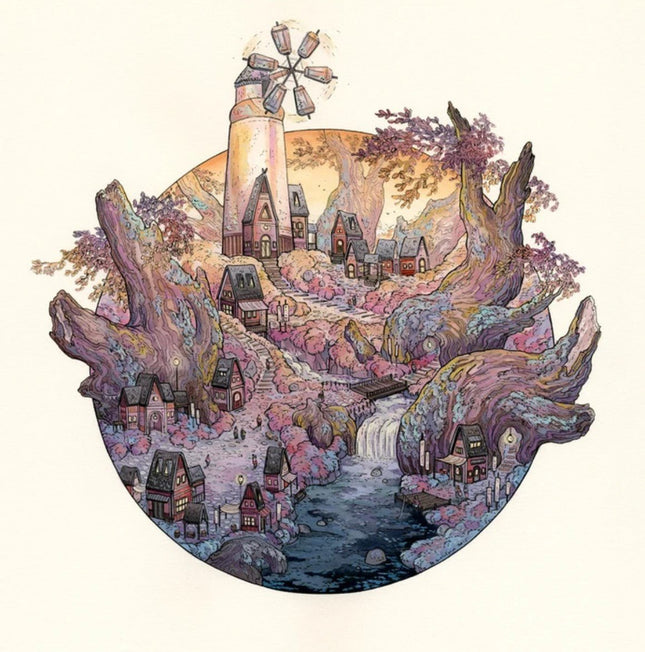
  • Windmill Root Village Giclee Print by Nicole Gustafsson

    Nicole Gustafsson Windmill Root Village Giclee Print by Nicole Gustafsson

    Windmill Root Village Artwork Giclee Limited Edition Print on Fine Art Paper by Pop Culture Graffiti Artist Nicole Gustafsson.

    $103.00

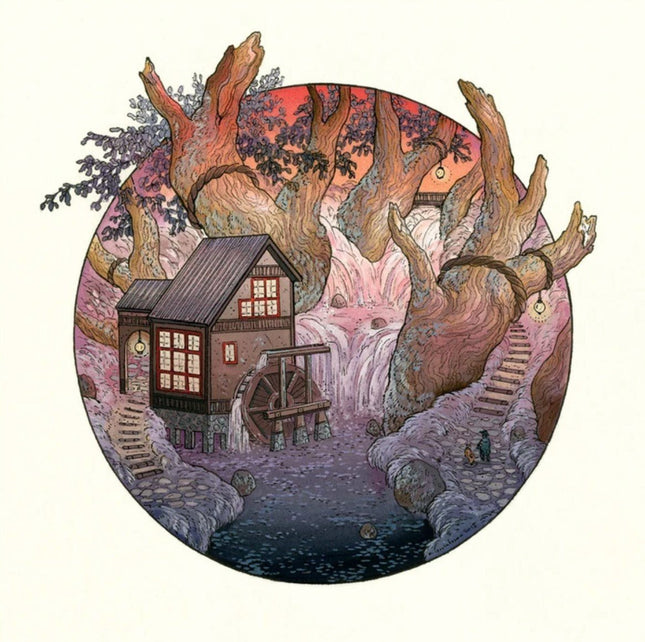
  • Sunset at the Mill Giclee Print by Nicole Gustafsson

    Nicole Gustafsson Sunset at the Mill Giclee Print by Nicole Gustafsson

    Sunset at the Mill Artwork Giclee Limited Edition Print on Fine Art Paper by Pop Culture Graffiti Artist Nicole Gustafsson.

    $103.00

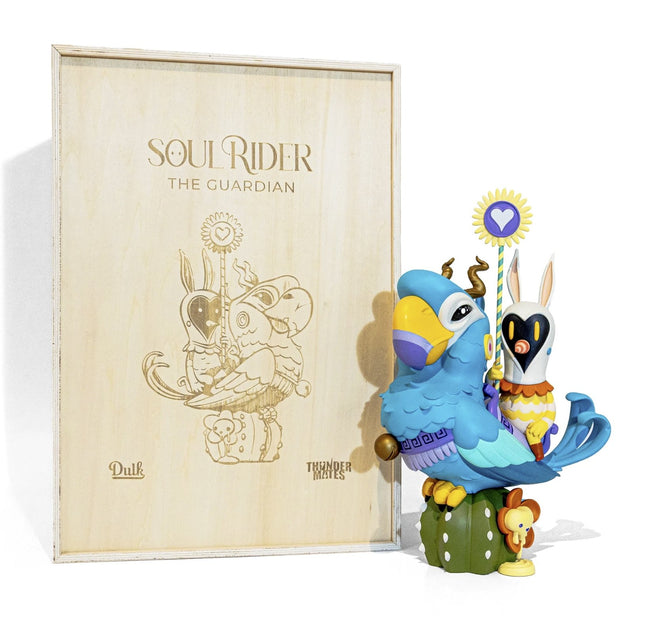
  • The Guardian Soul Rider Sculpture by Dulk- Antonio Segura Donat

    Dulk- Antonio Segura Donat The Guardian Soul Rider Sculpture by Dulk- Antonio Segura Donat

    Soul Rider The Guardian Limited Edition Polyresin Sculpture Artwork by Legendary Fine Art Artist Dulk- Antonio Segura Donat. 2022 Limited Edition of 100 Artwork Size 10x16 “SOUL RIDER - THE GUARDIAN”the latest polyresin sculpture by Dulk- Antonio Segura Donat. A limited edition of 100 pieces, they all come numbered with COA (Certificate of Authenticity) in a wooden box. Box is sealed & never opened, use caution when opening it as the artwork is delicate. Soul Rider The Guardian by Dulk: Symbolic Journey in Street Pop Art & Graffiti Artwork Soul Rider The Guardian is a 2022 limited edition polyresin sculpture created by Spanish fine artist and street art icon Antonio Segura Donat, known professionally as Dulk. Measuring 10 x 16 inches and released in an edition of 100 pieces, each sculpture arrives in a laser-etched wooden box with a certificate of authenticity. This piece continues Dulk’s tradition of blending animal mythology, surreal landscapes, and layered symbolism into tangible objects that echo the larger murals and installations that have defined his role in Street Pop Art & Graffiti Artwork. The sculpture features a large blue parrot with elaborate feather detailing, perched atop a cactus base. Its back carries a mysterious rider—a humanoid rabbit figure adorned in ceremonial robes, antlers, and a tribal mask. The rider holds a staff topped with a sunflower bearing a purple heart, while a small bear-like character hugs the base. The parrot’s eyes are wide and expressive, with subtle asymmetry that gives it an alert, almost sentient presence. Its design draws from classical mythologies while presenting a contemporary visual language saturated with clean color palettes and stylized geometry. Guardianship, Movement, and Memory in Sculptural Form Soul Rider The Guardian reflects Dulk’s continued exploration of environmentalism, spiritual journeying, and character symbolism. The idea of a guardian is central to the sculpture’s identity—suggesting a role of protection, vigilance, and the weight of guiding something sacred. The rider and the parrot form a single traveling entity, echoing themes of migration and mythic pilgrimage. This duality of creature and guide, mount and messenger, encapsulates Dulk’s interest in harmony between beings and the ecosystems they represent. The parrot is a carrier of color and voice, often associated with communication and mimicry, but here it becomes a grounded protector. The rabbit rider, masked and antlered, represents ritual, mystery, and cultural synthesis. These archetypes merge to create a visual allegory that feels both ancient and speculative. The combination of flora and fauna, organic and fabricated forms, serves as a metaphor for our entangled relationship with nature and technology. It is this complexity that places Dulk’s work firmly within the expanding world of Street Pop Art & Graffiti Artwork. Dulk’s Signature Language and Collector-Scale Execution The sculpture’s design is true to Dulk’s larger visual universe—where animals become spiritual avatars, and objects carry symbolic meaning. The careful execution in polyresin allows for high fidelity in textures and forms. The stylized wings, spiraled horns, patterned garments, and tiny floral elements are all sculpted with precision, reflecting Dulk’s background in both graphic illustration and muralism. Every piece of the sculpture contributes to the narrative, encouraging viewers to see the work not just as a character, but as a scene. The boxed presentation and limited run heighten its status as a fine art collectible, though it remains grounded in street-level ideology—accessible, emotional, and community-aware. This is not a piece of static decoration, but a three-dimensional story in pause. As with Dulk’s murals, the colors are vivid but harmonious, designed to be both emotionally charged and visually soothing. Each choice of hue, pose, and object placement reinforces a sense of journey, fragility, and resilience. Street Pop Mythology and the Contemporary Art Object Antonio Segura Donat, born in Spain, continues to define and evolve the visual and conceptual space of Street Pop Art & Graffiti Artwork through sculptural releases like Soul Rider The Guardian. The artwork serves as a physical embodiment of his narrative philosophy: stories told through animal forms, infused with ecological reverence and mythic tone. While his murals scale buildings and public spaces, this sculpture brings that monumental energy into a personal format, maintaining the integrity and intention of his street-based work. Soul Rider The Guardian is a totem of imagination and empathy, built for collectors who seek meaning beyond the surface. It honors the idea that guardianship is not about dominance, but about care, presence, and shared protection. With its careful balance of form, color, and emotion, the sculpture stands as both a sacred object and a call to remember the quiet power of responsibility. Dulk continues to remind the world that fantasy, when sculpted with sincerity, can reveal deeper truths about how we live, what we value, and who we choose to follow.

    $1,300.00

  • Houston Silkscreen Print by Dave Kinsey

    Dave Kinsey Houston Silkscreen Print by Dave Kinsey

    Houston Limited Edition 4-Color Hand-Pulled Silkscreen Print on 100% Cotton Rag Archival Paper by Dave Kinsey Graffiti Street Artist Modern Pop Art. BLK/MRKT

    $142.00

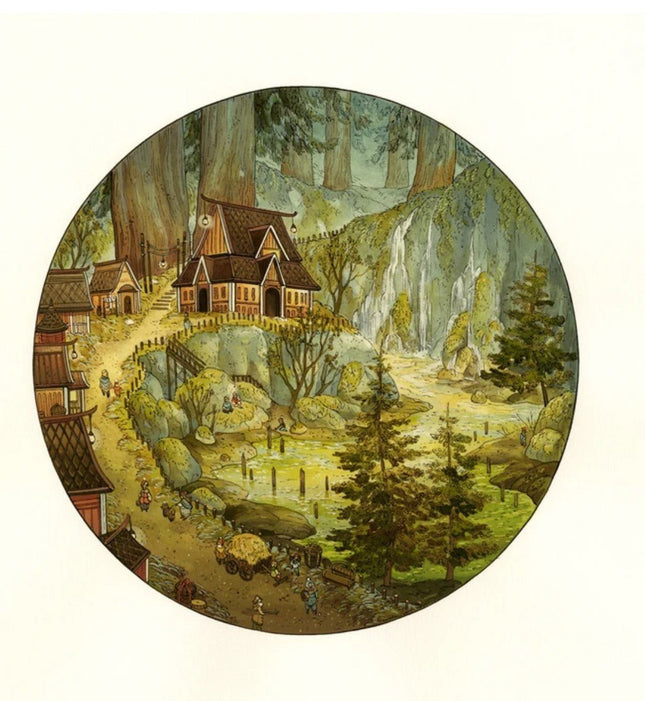
  • Misty Moss Gorge Giclee Print by Nicole Gustafsson

    Nicole Gustafsson Misty Moss Gorge Giclee Print by Nicole Gustafsson

    Misty Moss Gorge Artwork Giclee Limited Edition Print on Fine Art Paper by Pop Culture Graffiti Artist Nicole Gustafsson.

    $103.00

Tribal Druid & Native Graffiti Street Pop Artwork
Tribal themes have been a source of inspiration for many artists throughout history, and this includes both graffiti art and pop art. Graffiti art has its roots in urban culture, while pop art emerged in the 1950s and 1960s as a response to the rise of mass consumerism and the popularization of advertising and media. In graffiti art, tribal themes are often used to convey a sense of cultural identity and heritage. Graffiti artists may draw on traditional tribal art styles and motifs to create their own unique works that speak to their individual experiences and perspectives. For example, a graffiti artist might incorporate patterns inspired by Maori or Native American designs into their work to express their own cultural heritage or pay homage to the traditions of others. Similarly, in pop art, tribal themes are often used to explore issues of identity and cultural exchange. Pop artists may draw on imagery from tribal cultures to create bold, colorful works that comment on the ways in which cultures intersect and influence one another. For example, pop artist Keith Haring often incorporated tribal motifs into his work to create a sense of universal human connection, while also exploring themes of power and oppression. Graffiti art has its roots in the hip-hop culture of the 1970s and 1980s, and it has since grown to become a global phenomenon. Graffiti artists often use tribal themes in their work as a way of expressing cultural identity and heritage. For example, a graffiti artist of Pacific Islander descent might incorporate traditional Polynesian designs into their work to pay homage to their cultural heritage. In addition, graffiti artists may also draw on tribal motifs to create a sense of community and belonging. Graffiti writers often form crews, or groups of like-minded individuals, and the use of tribal themes can serve as a way of visually representing this sense of shared identity and purpose. Pop art emerged in the 1950s and 1960s as a response to the rise of mass consumerism and the popularization of advertising and media. Pop artists often drew on imagery from popular culture to create bold, colorful works that commented on the changing nature of American society. Tribal themes were often used in pop art to explore issues of identity and cultural exchange. Pop artists such as Keith Haring and Jean-Michel Basquiat often incorporated tribal motifs into their work as a way of creating a sense of universal human connection. For example, Haring's "Radiant Baby" image incorporates elements of tribal art, but it is also a symbol of hope and innocence that transcends cultural boundaries. The use of tribal themes in graffiti art and pop art can serve as a means of exploring issues of identity, heritage, and cultural exchange. By drawing on traditional motifs and styles, artists can create works that speak to their own experiences while also bridging the gap between different cultures and communities.
Footer image

© 2025 Sprayed Paint Art Collection,

    • Amazon
    • American Express
    • Apple Pay
    • Bancontact
    • Diners Club
    • Discover
    • Google Pay
    • iDEAL
    • Mastercard
    • PayPal
    • Shop Pay
    • Visa

    Login

    Forgot your password?

    Don't have an account yet?
    Create account