Tribal Druid & Native

3 artworks

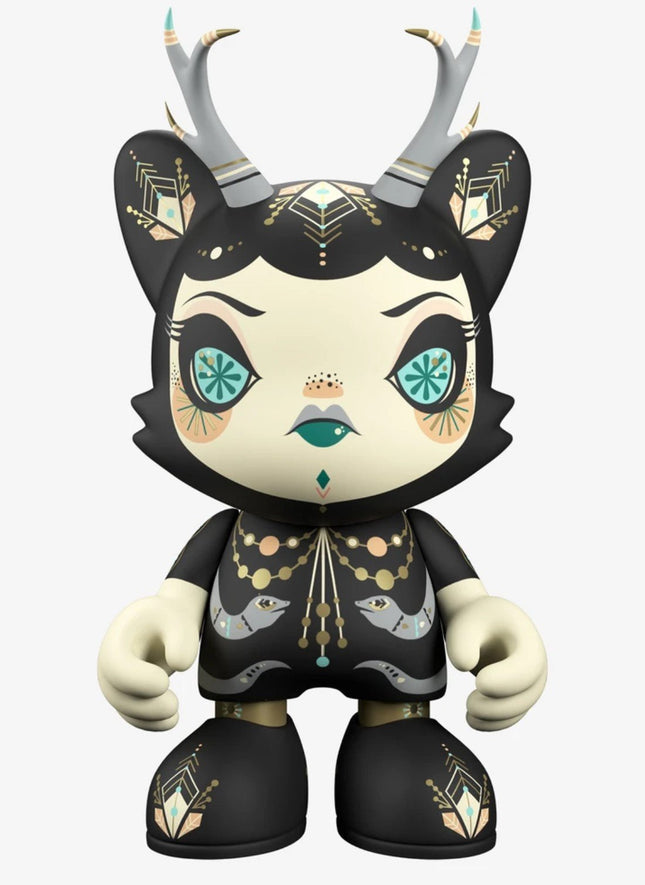
  • Fauna Art Toy by Julie West x SuperPlastic

    Julie West Fauna Art Toy by Julie West x SuperPlastic

    Fauna Janky SuperPlastic x Julie West Limited Edition Vinyl Artwork Street Art Toy Collectable Figure American artist Julie West’s Fauna SuperJanky is the unforgiving goddess of the haunted forest. This demonic monarch is ready to sick her legion of serpents on any kingdom that threatens her. Adorned in gothic royal typography, aesthetically sharp antlers and eyes that will make any mortal crumble in her presence. 8-inches tall, soft vinyl. Just 666 made.

    $243.00

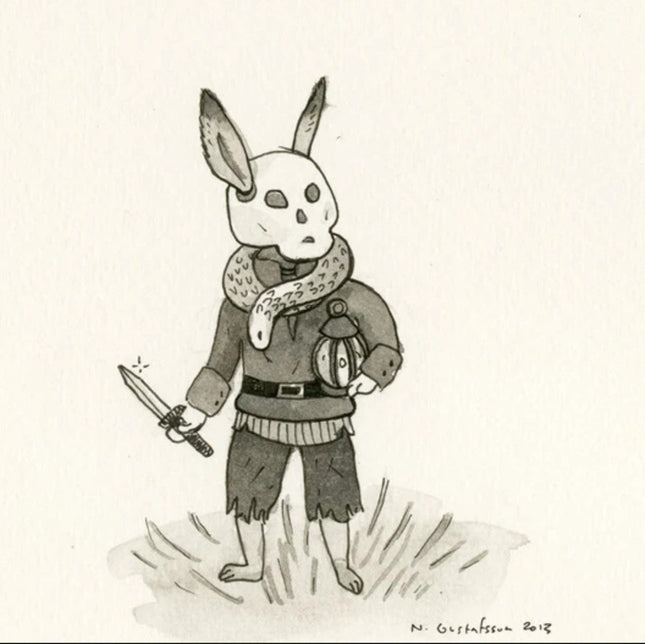
  • Skully Original Drawing by Nicole Gustafsson

    Nicole Gustafsson Skully Original Drawing by Nicole Gustafsson

    Skully Original Ink Hand Mini Drawing on Fine Art Paper by modern trending street art artist Nicole Gustafsson. 2013 Signed Original Drawing 5x5

    $256.00

  • Leppard Shirt Original Mixed Media Drawing by RAE BK

    RAE BK Leppard Shirt Original Mixed Media Drawing by RAE BK

    Leppard Shirt Original Mixed Media Drawing by RAE BK on Cardstock Paper Modern Street Pop Artwork. 2022 Signed Original Markers & Permanent Markers, Graphite & Colored Pencils, Ink, Mixed Media Drawing Size 5x8 Leppard Shirt by RAE BK – Fragmented Form and Emotional Texture in Street Pop Art & Graffiti Artwork Leppard Shirt is a 2022 original mixed media drawing by Brooklyn-based artist RAE BK, executed on 5 x 8 inch cardstock using markers, permanent markers, graphite, colored pencils, and ink, along with additional collage-like material accents. This one-of-a-kind piece showcases RAE BK’s spontaneous, layered, and emotionally coded visual language. Dominated by a bold abstract figure drawn in thick black linework with uneven features, the composition plays with portraiture in an intentionally fractured and expressive way. Facial elements are repeated, distorted, or echoed, while the shirt’s spotted pattern—a nod to the title—is rendered in blotched marks that drift between representation and symbolic texture. This work exists as both a drawing and an artifact, operating in the aesthetic chaos that defines Street Pop Art & Graffiti Artwork. Expressionist Energy in Character and Surface RAE BK’s figures are never clean or symmetrical—they are built from scratch, corrected in real-time, and imbued with raw, unfiltered emotion. In Leppard Shirt, the central face feels unstable, yet confident in its presence. The oversized nose, simplified eyes, and curved mouth are layered over washes of smudged material, creating a portrait that feels emotional rather than literal. The repetition of the face motif in miniature—like echoes or iterations—suggests memory or commentary. The artwork does not offer a resolved figure but rather a psychological imprint, drawn with urgency and spontaneity. This sense of emotional immediacy is what places RAE BK’s character work firmly within the tradition of Street Pop Art & Graffiti Artwork, where lines are as much about rhythm and response as they are about control. Collage Elements and Material Disruption The presence of mixed materials—including glitter, adhered objects, and what appears to be a barcode label—transforms the surface into a textural conversation between image and object. The artist uses the tools of the street—found fragments, improvised layers, raw media—and compresses them into a work on paper that feels sculptural and alive. These tactile additions don’t just decorate the page—they rupture it. They serve as interruption, symbol, and critique all at once. Glitter becomes a distortion. Tape becomes a gesture. The result is a drawing that functions like a wall paste-up or found tag—a message delivered in parts, open to interpretation but packed with presence. The layering and mark-making fuse into a visual field of controlled chaos, echoing the layered reality of urban experience and artistic survival. RAE BK and the Language of Urban Artifact RAE BK’s Leppard Shirt is a miniature yet complete embodiment of his larger practice—an intuitive blend of emotional abstraction, coded symbols, and reclaimed visual language. The piece doesn’t ask to be understood in a linear way. It exists as a document of feeling, a collision of internal narrative and found reality. His approach embraces imperfection, trusting the materials and their placement to speak louder than polished composition. As part of Street Pop Art & Graffiti Artwork, this drawing is a reminder that small-scale work can carry the same intensity and commentary as a mural or installation. RAE BK continues to create not from a need for explanation but from a place of urgency, rhythm, and resistance—giving paper, like city walls, the power to carry voices that refuse to be ignored.

    $575.00

Tribal Druid & Native Graffiti Street Pop Artwork
Tribal themes have been a source of inspiration for many artists throughout history, and this includes both graffiti art and pop art. Graffiti art has its roots in urban culture, while pop art emerged in the 1950s and 1960s as a response to the rise of mass consumerism and the popularization of advertising and media. In graffiti art, tribal themes are often used to convey a sense of cultural identity and heritage. Graffiti artists may draw on traditional tribal art styles and motifs to create their own unique works that speak to their individual experiences and perspectives. For example, a graffiti artist might incorporate patterns inspired by Maori or Native American designs into their work to express their own cultural heritage or pay homage to the traditions of others. Similarly, in pop art, tribal themes are often used to explore issues of identity and cultural exchange. Pop artists may draw on imagery from tribal cultures to create bold, colorful works that comment on the ways in which cultures intersect and influence one another. For example, pop artist Keith Haring often incorporated tribal motifs into his work to create a sense of universal human connection, while also exploring themes of power and oppression. Graffiti art has its roots in the hip-hop culture of the 1970s and 1980s, and it has since grown to become a global phenomenon. Graffiti artists often use tribal themes in their work as a way of expressing cultural identity and heritage. For example, a graffiti artist of Pacific Islander descent might incorporate traditional Polynesian designs into their work to pay homage to their cultural heritage. In addition, graffiti artists may also draw on tribal motifs to create a sense of community and belonging. Graffiti writers often form crews, or groups of like-minded individuals, and the use of tribal themes can serve as a way of visually representing this sense of shared identity and purpose. Pop art emerged in the 1950s and 1960s as a response to the rise of mass consumerism and the popularization of advertising and media. Pop artists often drew on imagery from popular culture to create bold, colorful works that commented on the changing nature of American society. Tribal themes were often used in pop art to explore issues of identity and cultural exchange. Pop artists such as Keith Haring and Jean-Michel Basquiat often incorporated tribal motifs into their work as a way of creating a sense of universal human connection. For example, Haring's "Radiant Baby" image incorporates elements of tribal art, but it is also a symbol of hope and innocence that transcends cultural boundaries. The use of tribal themes in graffiti art and pop art can serve as a means of exploring issues of identity, heritage, and cultural exchange. By drawing on traditional motifs and styles, artists can create works that speak to their own experiences while also bridging the gap between different cultures and communities.
Footer image

© 2025 Sprayed Paint Art Collection,

    • Amazon
    • American Express
    • Apple Pay
    • Bancontact
    • Diners Club
    • Discover
    • Google Pay
    • iDEAL
    • Mastercard
    • PayPal
    • Shop Pay
    • Visa

    Login

    Forgot your password?

    Don't have an account yet?
    Create account