Tribal Druid & Native

5 artworks

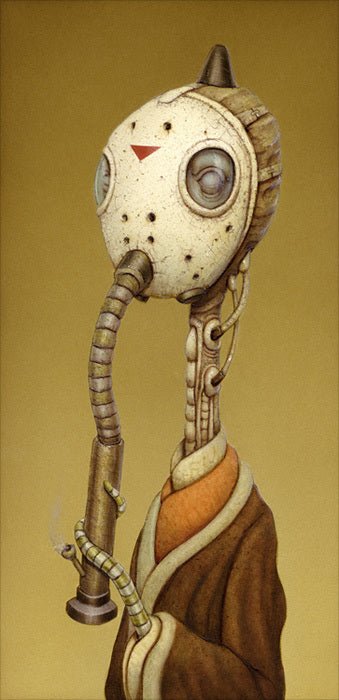
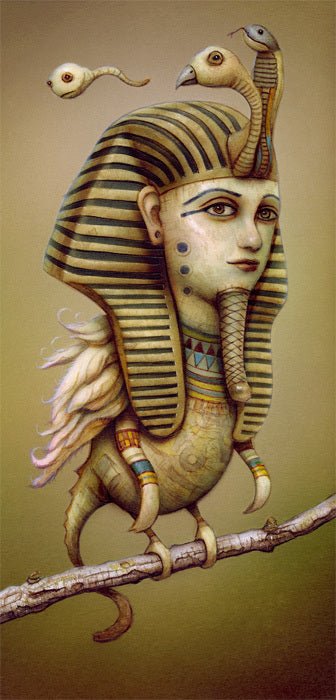
  • Bong Master Giclee Print by Naoto Hattori

    Naoto Hattori Bong Master Giclee Print by Naoto Hattori

    Bong Master Artwork Giclee Limited Edition Surreal Print on 100% Cotton Rag Fine Art Paper by Pop Culture Graffiti Artist Naoto Hattori.

    $211.00

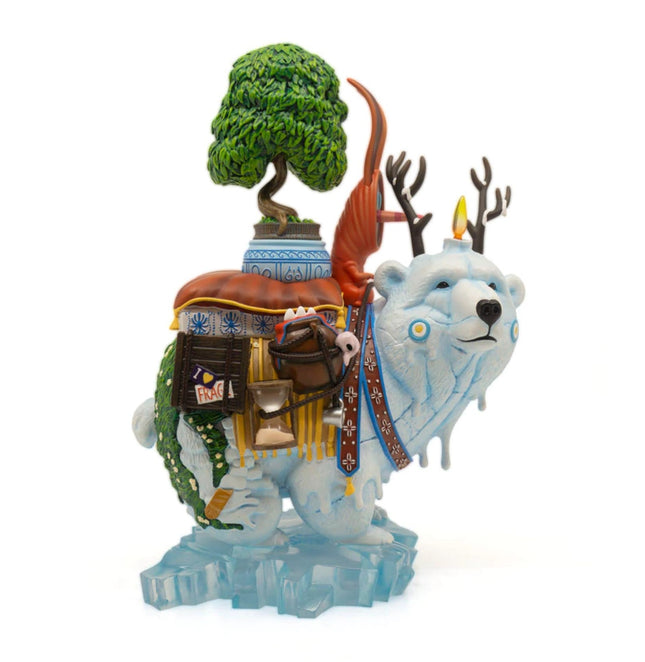
  • Protect What You Love Sculpture by Dulk- Antonio Segura Donat

    Dulk- Antonio Segura Donat Protect What You Love Sculpture by Dulk- Antonio Segura Donat

    Protect What You Love Limited Edition Polyresin Sculpture Artwork by Legendary Fine Art Artist Dulk- Antonio Segura Donat. 2022 "PROTECT WHAT YOU LOVE" 8" /6" (H/W) 20 cm /15 cm (H/W) Limited Edition of 50 Polyresin COA numbered &signed by Dulk- Antonio Segura Donat Packaged in a wooden box. Protect What You Love, the latest member by Antonio Segura Donat (Dulk- Antonio Segura Donat). Box is sealed & never opened, use caution when opening it as the artwork is delicate. Protect What You Love by Dulk: Sculptural Allegory in Street Pop Art & Graffiti Artwork Protect What You Love is a limited edition polyresin sculpture released in 2022 by Spanish street artist and fine art visionary Antonio Segura Donat, known as Dulk. Measuring 8 inches high and 6 inches wide (20 cm x 15 cm), this collectible edition of 50 pieces is hand-signed and numbered, sealed in a wooden presentation box with a certificate of authenticity. The sculpture is a highly detailed, fantastical representation of one of Dulk’s most enduring visual themes—our relationship with the environment, the fragility of nature, and the sacred duty of guardianship. It captures the spirit of Street Pop Art & Graffiti Artwork through bold symbolism, surreal storytelling, and vibrant sculptural form. The centerpiece of the sculpture is an arctic bear outfitted like a nomadic carrier, its fur melting as though made of wax, standing firmly on a base shaped like translucent ice. Atop its back is a fantastical array of objects: a large twisted tree sprouting from a painted ceramic pot, a red phoenix-like bird in mid-perch, woven fabrics, and trinkets such as hourglasses and horns. Dulk blends natural and fabricated elements with ritualistic precision. The bear wears ornamental straps adorned with patterns echoing indigenous textile motifs, and its antler-like horns and candle flame atop its head serve as beacons of sentience and sacred duty. Each component appears intentionally placed, functioning as a metaphor for stewardship, culture, and biodiversity. Symbolism and Environmental Urgency in Dulk’s Sculptural Work Protect What You Love embodies Dulk’s unique fusion of environmental advocacy and imaginative form. The bear, typically a symbol of strength and endurance, is presented as both burdened and purposeful. It carries a microcosm of a world—trees, objects, and animals—on its back, suggesting the interconnectedness of life and the responsibility to protect fragile ecosystems. The title of the work is not merely decorative but serves as the central thesis of the composition. The visual language Dulk employs translates directly from his large-scale street murals into this intimate, tactile format, demonstrating the adaptability of his narrative-driven style within Street Pop Art & Graffiti Artwork. The melting bear references the reality of climate change and habitat erosion, while the detailed accessories function as cultural and ecological totems. Dulk is known for using allegory to provoke emotional connection, and this piece continues that tradition. The detailed layers reward close inspection, much like the dense storytelling in urban mural art. What might first appear whimsical quickly reveals itself to be urgent and emotive, a hallmark of Dulk’s approach. Art Object as Conservation Narrative and Urban Myth The polyresin medium allows for remarkable fidelity in sculptural detail, from the texture of the bear’s fur to the etched patterns of the ceramic pot and fabric fringe. Every element carries symbolic weight, converging in a sculpture that reads like a mobile shrine to nature’s resilience. By incorporating surreal forms and traditional decorative patterns, Dulk aligns this work with the philosophy of Street Pop Art & Graffiti Artwork—where symbols evolve into cultural artifacts and commentary is embedded in style. Packaged carefully in a wooden box, this edition reinforces its status as both collectible artwork and spiritual offering. The instruction to open the box with caution is not only about the physical fragility of the sculpture but also a poetic acknowledgment of its thematic fragility—the world it represents is real, delicate, and in need of attention. The use of carefully chosen color, structure, and composition ensures the sculpture functions not just as a decorative piece, but as a narrative vessel. Dulk’s Expanding Influence in Contemporary Street Pop Storytelling Antonio Segura Donat continues to bridge ecological awareness and visual poetry through his multifaceted artistic output. From large-scale murals across Europe and North America to fine art sculptures like Protect What You Love, his work always centers nature as a subject of reverence and defense. This piece encapsulates the balance of reverie and realism that defines his visual storytelling. In the language of Street Pop Art & Graffiti Artwork, this sculpture becomes a mobile monument, carrying meaning beyond its dimensions. Protect What You Love stands as a sculptural reminder of interdependence, sacred responsibility, and the quiet power of visual myth. Dulk transforms fantasy into function, inviting audiences to care not just with thought, but with presence, collection, and contemplation. This is not only art—it is a call to act through admiration.

    $1,300.00

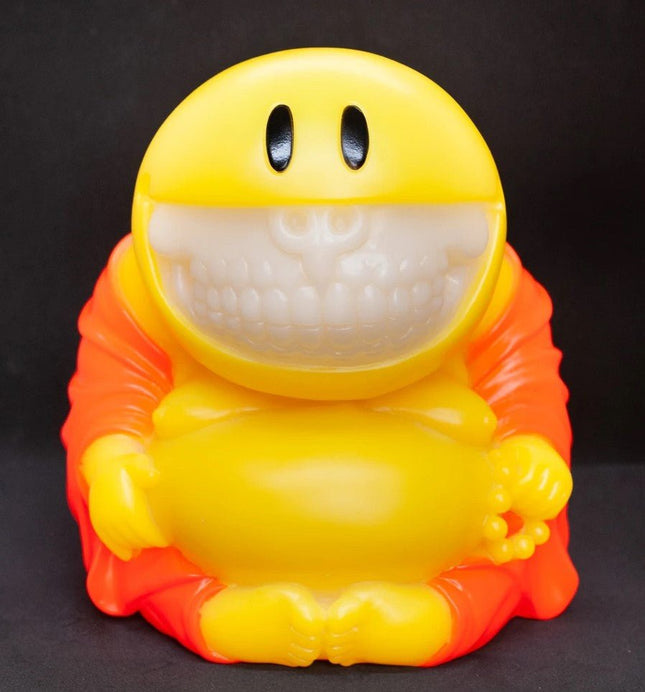
  • Mad Happy Monk Grin Orange Art Toy by Ron English

    Ron English- POPaganda Mad Happy Monk Grin Orange Art Toy by Ron English- POPaganda

    Mad Happy Monk Grin- Orange Limited Edition Blacklight Vinyl Art Toy Collectible Artwork by Street Graffiti Artist Ron English- POPaganda. 2019 Signed Limited Edition New In Box. Blacklight orange colorway of the Mad Happy Monk is 8 inches tall. Hand-signed by Ron

    $225.00

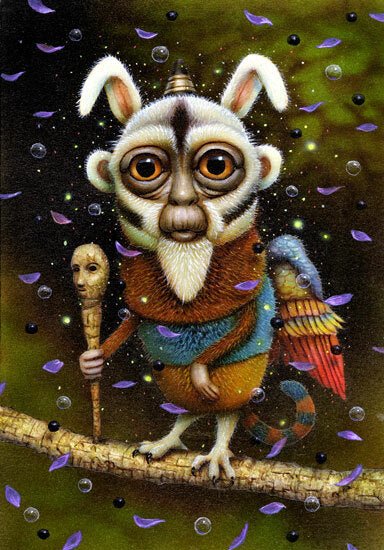
  • Soul Messenger Giclee Print by Naoto Hattori

    Naoto Hattori Soul Messenger Giclee Print by Naoto Hattori

    Soul Messenger Artwork Giclee Limited Edition Surreal Print on 100% Cotton Rag Fine Art Paper by Pop Culture Graffiti Artist Naoto Hattori.

    $211.00

  • Mountain God Giclee Print by Naoto Hattori

    Naoto Hattori Mountain God Giclee Print by Naoto Hattori

    Mountain God Artwork Giclee Limited Edition Surreal Print on 100% Cotton Rag Fine Art Paper by Pop Culture Graffiti Artist Naoto Hattori.

    $211.00

Tribal Druid & Native Graffiti Street Pop Artwork
Tribal themes have been a source of inspiration for many artists throughout history, and this includes both graffiti art and pop art. Graffiti art has its roots in urban culture, while pop art emerged in the 1950s and 1960s as a response to the rise of mass consumerism and the popularization of advertising and media. In graffiti art, tribal themes are often used to convey a sense of cultural identity and heritage. Graffiti artists may draw on traditional tribal art styles and motifs to create their own unique works that speak to their individual experiences and perspectives. For example, a graffiti artist might incorporate patterns inspired by Maori or Native American designs into their work to express their own cultural heritage or pay homage to the traditions of others. Similarly, in pop art, tribal themes are often used to explore issues of identity and cultural exchange. Pop artists may draw on imagery from tribal cultures to create bold, colorful works that comment on the ways in which cultures intersect and influence one another. For example, pop artist Keith Haring often incorporated tribal motifs into his work to create a sense of universal human connection, while also exploring themes of power and oppression. Graffiti art has its roots in the hip-hop culture of the 1970s and 1980s, and it has since grown to become a global phenomenon. Graffiti artists often use tribal themes in their work as a way of expressing cultural identity and heritage. For example, a graffiti artist of Pacific Islander descent might incorporate traditional Polynesian designs into their work to pay homage to their cultural heritage. In addition, graffiti artists may also draw on tribal motifs to create a sense of community and belonging. Graffiti writers often form crews, or groups of like-minded individuals, and the use of tribal themes can serve as a way of visually representing this sense of shared identity and purpose. Pop art emerged in the 1950s and 1960s as a response to the rise of mass consumerism and the popularization of advertising and media. Pop artists often drew on imagery from popular culture to create bold, colorful works that commented on the changing nature of American society. Tribal themes were often used in pop art to explore issues of identity and cultural exchange. Pop artists such as Keith Haring and Jean-Michel Basquiat often incorporated tribal motifs into their work as a way of creating a sense of universal human connection. For example, Haring's "Radiant Baby" image incorporates elements of tribal art, but it is also a symbol of hope and innocence that transcends cultural boundaries. The use of tribal themes in graffiti art and pop art can serve as a means of exploring issues of identity, heritage, and cultural exchange. By drawing on traditional motifs and styles, artists can create works that speak to their own experiences while also bridging the gap between different cultures and communities.
Footer image

© 2025 Sprayed Paint Art Collection,

    • Amazon
    • American Express
    • Apple Pay
    • Bancontact
    • Diners Club
    • Discover
    • Google Pay
    • iDEAL
    • Mastercard
    • PayPal
    • Shop Pay
    • Visa

    Login

    Forgot your password?

    Don't have an account yet?
    Create account