Trippy

3 artworks

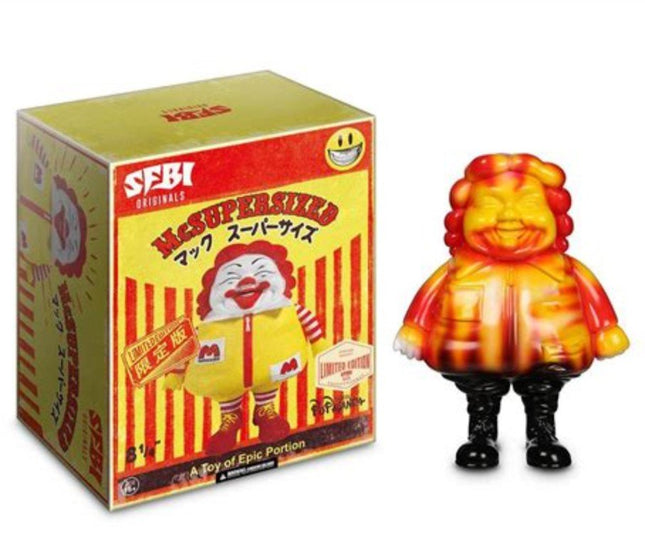
  • Groovy MC Supersized Art Toy by Ron English

    Ron English- POPaganda Groovy MC Supersized Art Toy by Ron English- POPaganda

    Groovy MC Supersized Grin Limited Edition Vinyl Art Toy McSupersized Collectible Artwork by street graffiti artist Ron English- POPaganda. 2020 Signed New In Box Limited Edition. Groovy Variant Colorway. Ron English- POPaganda, 8 Inches Tall, Signed By Ron English- POPaganda, SFBI

    $283.00

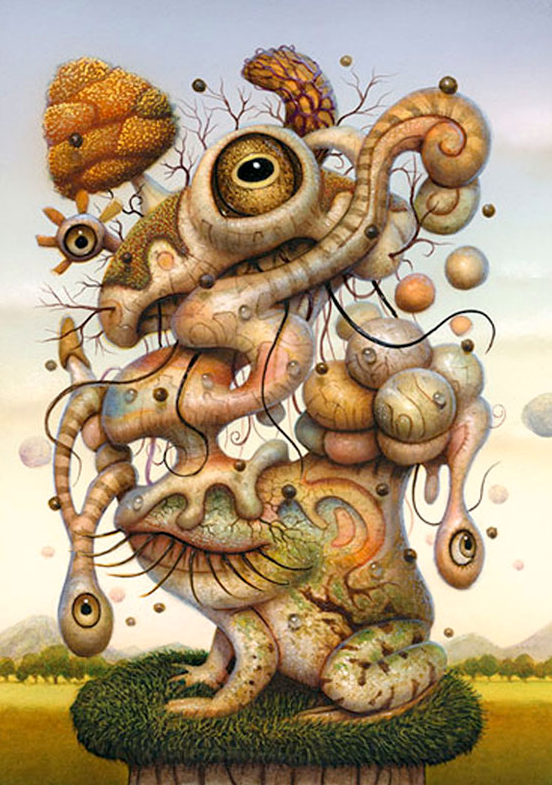
  • Trippinfrog Giclee Print by Naoto Hattori

    Naoto Hattori Trippinfrog Giclee Print by Naoto Hattori

    Trippinfrog Artwork Giclee Limited Edition Surreal Print on 100% Cotton Rag Fine Art Paper in Bronzed Frame by Pop Culture Graffiti Artist Naoto Hattori. 2014 Signed by Naoto Hattori & Numbered Limited Edition of 50 Artwork Size 6x8 in Bronzed Frame Size 8x10. Exploring the Surreal World of Naoto Hattori's Trippinfrog Artwork The sphere of contemporary art is continuously evolving, merging various genres and forms to create new expressions that challenge and delight the senses. In this rich tapestry, Naoto Hattori stands out as a pop culture graffiti artist whose work infuses the fantastical elements of surrealism with the vibrant, rebellious energy of street pop art and graffiti artwork. One of Hattori's remarkable creations is the 'Trippinfrog' artwork, a giclee limited edition print that has captivated audiences with its intricate detail, imaginative composition, and striking aesthetic. This piece is more than just a visual treat; it's an expedition into a dream-like dimension where the conventional rules of nature and physics do not apply. Released in 2014, the 'Trippinfrog' limited edition is a testament to Hattori's mastery of his medium and ability to translate the subconscious into a tangible form. Each of the fifty prints in this limited series is signed by Naoto Hattori, adding a personal touch that collectors and admirers of street pop art cherish. The artwork size, at 6x8 inches, is modest, yet it packs a profound visual punch that draws the viewer in for a closer look. In contrast, the bronzed frame size of 8x10 inches complements and contains the artwork without overshadowing its complexity. The limited edition prints are produced on 100% cotton rag fine art paper, a material choice that speaks volumes about the quality and durability of the work. This type of paper is revered for its ability to hold color and detail, ensuring that each nuance of Hattori's vision is preserved. The use of a bronzed frame further enriches the viewing experience, adding a classic touch that contrasts with the modern, avant-garde nature of the artwork itself. The Signature Style of Naoto Hattori Naoto Hattori's style is a unique blend that straddles the line between the whimsical and the grotesque, a hallmark of his artistic vision. 'Trippinfrog' is a prime example of this, where the surreal and the real collide in a dance of colors, shapes, and forms. The artwork features an amalgamation of elements — eyes, tentacles, and amorphous shapes — all spiraling out of a central, frog-like creature that seems disintegrating and coming together simultaneously. This paradoxical imagery is a staple of street pop art and graffiti artwork, where the unexpected becomes the norm, and viewers are encouraged to interpret the pieces through their lenses. The colors Hattori chose are at once earthy and ethereal, creating a mesmerizing contrast. The background of the 'Trippinfrog' evokes a serene landscape, a stark juxtaposition to the chaos that the central figure embodies. This duality might be seen as a commentary on the nature of existence — harmonious and chaotic, orderly and unpredictable. Hattori's work challenges the viewer to consider these dualities not as opposites but complements. The Cultural Impact of Street Pop Art and Graffiti Artwork Artworks such as 'Trippinfrog' are essential pieces in the narrative of street pop art and graffiti artwork, genres that have gained significant momentum and recognition in the art world. These art forms are rooted in the expression of cultural identity, social commentary, and a desire to break away from traditional modes of art presentation. They are often seen on public walls, in galleries, and as part of private collections, representing a voice for the unheard and a canvas for the disenfranchised. Naoto Hattori's work, particularly 'Trippinfrog,' fits perfectly within this narrative. It provides a visual escape and an introspective journey for those who engage with it. The limited edition nature of the print makes it an exclusive artifact of contemporary street pop art and graffiti artwork, allowing it to serve as a cultural touchstone for this moment in art history. Collectors and enthusiasts of Hattori's work are not only obtaining a piece of art; they are preserving a fragment of the cultural zeitgeist. The 'Trippinfrog' artwork by Naoto Hattori is a captivating piece that stands as a testament to the innovative and transformative power of street pop art and graffiti artwork. Its limited edition status on fine art paper, the artist's signature, and its presentation in a bronzed frame all contribute to its desirability and significance. Hattori's ability to weave the surreal with the street, the dream-like with the tangible, places 'Trippinfrog' among the notable works that continue to shape and inspire the trajectory of modern art.

    $220.00

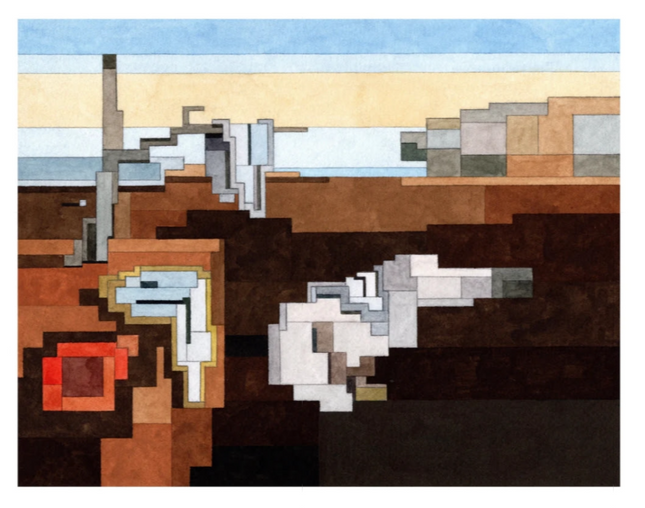
  • The Persistence of Memory Archival Print by Adam Lister

    Adam Lister The Persistence of Memory Archival Print by Adam Lister

    The Persistence of Memory Archival Print by Adam Lister Limited Edition on 300gsm Hot Press Matte Fine Art Paper Pop Graffiti Street Art Artist Modern Artwork. 2016 Signed & Numbered Print Limited Edition of 50 Artwork Size 10x8 Archival Pigment Fine Art Archival Print in Glitch Style The Persistence of Memory Archival Print by Adam Lister is a masterful contribution to the world of modern artwork, particularly in the pop art, street art, and graffiti art genres. This spectacular piece, first unveiled in 2016, showcases Lister's proficiency in blending traditional elements of art with a novel, innovative perspective. What makes this work even more exceptional is its exclusivity – it's a signed and numbered print, part of a limited edition of just 50. Delving into the specifics of the print, it's created on a 300gsm hot press matte fine art paper. This kind of paper is renowned for its capability to absorb color and detail, contributing to the final product's vibrancy and clarity. The archival pigment used in the print furthers its longevity, ensuring the work retains its crispness and vividness over time. It's a reflection of Lister's commitment to quality and his understanding of the importance of materiality in art production. The artwork measures 10x8, a modest size that is deceptive in its capacity to captivate the viewer. What it may lack in physical size, it more than makes up for with its compelling and intricate design. This design is rendered in what has been described as a "glitch" style, a fascinating sub-genre that finds its roots in digital culture and technology. Glitch art often involves visual disruptions, offering a critique of the seemingly perfect, seamless digital world. Here, Lister's deployment of glitch aesthetics provides a fresh and evocative reinterpretation of the classical Persistence of Memory theme. Perhaps the most captivating aspect of this print is its link to pop art, street art, and graffiti art. These genres, characterized by their critique of mass culture and their roots in urban environments, are wonderfully appropriated by Lister in this work. The piece mirrors the energy, vibrancy, and transgressive spirit found in these genres while also maintaining an impressive level of sophistication and artistic depth. This marriage of high and low culture, the gritty and the refined, encapsulates the power of Adam Lister's work. The Persistence of Memory Archival Print by Adam Lister is not just another artwork. It's a testament to the fusion of traditional artistic elements with contemporary ones, an expression of the dynamic and ever-evolving nature of art. It encapsulates an ongoing dialogue within art - a conversation about the relationship between technology, culture, and artistic expression. And as such, it offers a compelling vision of our times, seen through the lens of an artist keenly attuned to the world around him.

    $493.00

Trippy Graffiti Street Pop Art

Trippy as Visual Disruption in Street Pop Art & Graffiti Artwork

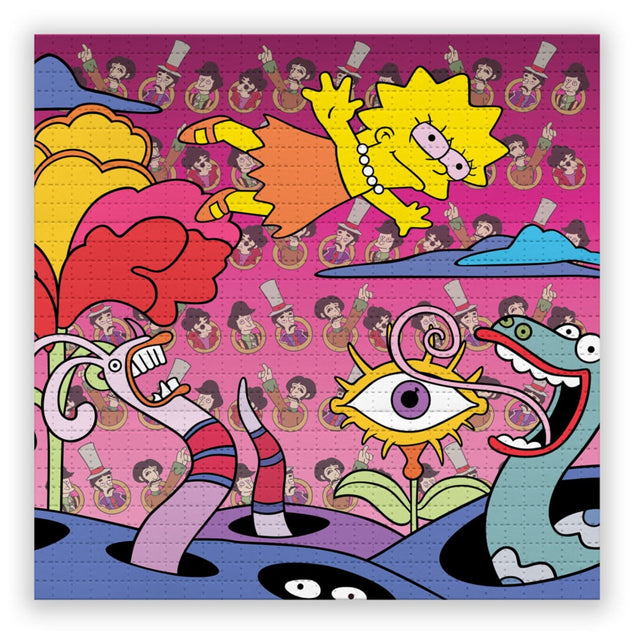
Trippy is a term often associated with altered states and psychedelic imagery, but in the context of Street Pop Art & Graffiti Artwork, it serves as a dynamic tool for disrupting visual logic and cultural expectations. Artists across generations have used trippy aesthetics to challenge linear thinking and confront passive viewership. These works often feature optical illusions, warped anatomy, vivid color clashes, and surrealist motifs that pull from both psychedelic subculture and mass media iconography. Within graffiti and pop traditions, the trippy sensibility transforms walls, canvases, and prints into portals that distort time, identity, and perception.

From Psychedelia to Urban Expression

The origins of trippy imagery in art trace back to the countercultural revolution of the 1960s, where music posters, underground zines, and album covers became laboratories for visual experimentation. Those same hallucinogenic patterns and color explosions migrated to street walls in the 1980s and 1990s, merging with graffiti tags and hip-hop-driven iconography. Street Pop Art expanded the application, embedding comic book fonts, ad logos, and cartoon faces into warped universes. Artists like Kenny Scharf and Rammellzee bent the visual grid with compositions that felt electric and unstable, helping cement trippy as a cornerstone of rebellious visual language in the urban art scene.

Color Theory and Chaos in Contemporary Use

In contemporary graffiti and Street Pop Art, trippy does not always mean nostalgic. It often pushes forward with updated palettes that lean into digital glow, neon bleed, and glitch-inspired gradients. The result is a visual overload that mimics modern digital overstimulation while retaining the freedom and intensity of analog psychedelia. Trippy artworks collapse space and perspective, forcing viewers to navigate layered elements that twist traditional forms into something surreal and saturated. Through this method, trippy becomes more than a style—it is a visual commentary on fragmentation, repetition, and subconscious interpretation.

Trippy as a Cultural Frequency

Trippy is not simply an aesthetic decision. It is an assertion of freedom against rigid design standards and intellectual containment. In Street Pop Art & Graffiti Artwork, trippy energy creates space for joy, confusion, rebellion, and deep reflection. Whether rendered in fine art prints, hand-painted murals, or underground zines, the trippy impulse keeps the medium alive by refusing to sit still or be decoded easily. It is unpredictable, often humorous, sometimes menacing, but always immersive. As artists continue to explore what urban art can say and feel like, trippy remains one of its most powerful visual frequencies.

Footer image

© 2025 Sprayed Paint Art Collection,

    • Amazon
    • American Express
    • Apple Pay
    • Bancontact
    • Diners Club
    • Discover
    • Google Pay
    • iDEAL
    • Mastercard
    • PayPal
    • Shop Pay
    • Visa

    Login

    Forgot your password?

    Don't have an account yet?
    Create account