Trippy

3 artworks

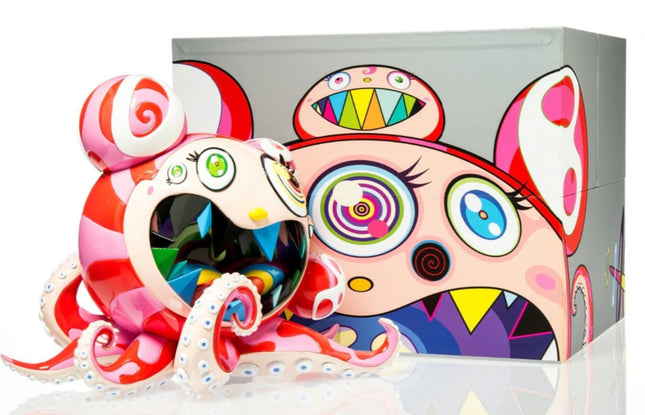
  • Mr Dob A Art Toy Sculpture by Takashi Murakami TM/KK

    Takashi Murakami TM/KK Mr Dob A Art Toy Sculpture by Takashi Murakami TM/KK

    Mr Dob A Limited Edition Vinyl Art Sculpture Collectible Artwork by Japanese Pop Culture Artist Takashi Murakami TM/KK x BAIT. 2017 Limited Edition of 400 Complexcon x BAITx Takashi Murakami 10 3/5 × 13 2/5 × 10 1/5 in New in Box.  Mr. Dob A Vinyl Sculpture by Takashi Murakami: Maximalist Expression in Street Pop Art & Graffiti Artwork Mr. Dob A is a 2017 limited edition vinyl art sculpture created by Takashi Murakami in collaboration with BAIT and released during ComplexCon. This collectible, limited to 400 pieces, measures approximately 10.6 x 13.4 x 10.2 inches and comes in its original box featuring custom illustrated artwork by Murakami. The sculpture captures the artist’s recurring character Mr. Dob, rendered in high-gloss vinyl with overwhelming detail, pattern, and color. With wild tentacles, spinning eyes, jagged rainbow teeth, and hypnotic surface design, Mr. Dob A functions as a physical embodiment of Murakami’s Superflat aesthetic and his exploration of modern pop culture excess. It represents a key convergence of Japanese fine art, consumer spectacle, and the bold visual energy of Street Pop Art & Graffiti Artwork. Design, Symbolism, and Sculptural Technique This sculpture of Mr. Dob A is both fantastical and threatening. The figure’s gaping mouth is a cavernous rainbow vortex surrounded by colorful triangular teeth, while octopus-like limbs coil outward, each covered in eye motifs and concentric patterns. With swirled ears and bulging eyeballs, the character plays between kawaii and kaiju, innocence and menace. The gloss finish reflects Murakami’s obsession with polished perfection, a nod to toy manufacturing and the clean surface of anime production. Every curve is intentional, exaggerated, and infused with chaos. The precision of the vinyl cast and paintwork transforms the piece into more than just a toy—it is a surreal object of fine art, produced with the exactness of a designer good but pulsing with visual anarchy. Mr. Dob is not simply a mascot but an ever-evolving figure that symbolizes the collision of mass media, mythology, and personal madness. Takashi Murakami’s Cultural Role and Street-Level Influence Takashi Murakami, born in Japan in 1962, is internationally recognized for his ability to unify high art and commercial culture into a single visual framework. His signature concept of Superflat compresses traditional Japanese painting with post-war consumerism, anime, and otaku culture. Mr. Dob is one of Murakami’s earliest and most significant characters—serving as both alter ego and critique of cultural saturation. The Mr. Dob A edition reflects Murakami’s connection to contemporary art fairs and urban collectibility, debuting at ComplexCon, a marketplace driven by fashion, art, and hype culture. In the world of Street Pop Art & Graffiti Artwork, Murakami’s work exists as a portal where tradition and disruption coexist, and where figures like Mr. Dob become both symbols and products of global visual identity. Limited Vinyl Edition as a Fine Art Collectible Object Each Mr. Dob A sculpture is housed in a custom display box that mirrors the character’s expression, rendered in bold vector style across every surface. The packaging and figure are inseparable in narrative—they work as one collectible unit. As a limited edition of 400, the work occupies a rarefied position between commercial object and cultural artifact. Unlike mass-produced vinyl figures, this release is anchored in Murakami’s conceptual art lineage and collectible strategy. Its presence in galleries, private collections, and museums places it in direct dialogue with the broader conversation around the function of toys in fine art. Within the expanding world of Street Pop Art & Graffiti Artwork, Mr. Dob A stands as a hybrid sculpture—unapologetically loud, self-referential, and reflective of a global audience hungry for art that merges spectacle, subversion, and surface.

    $3,462.00

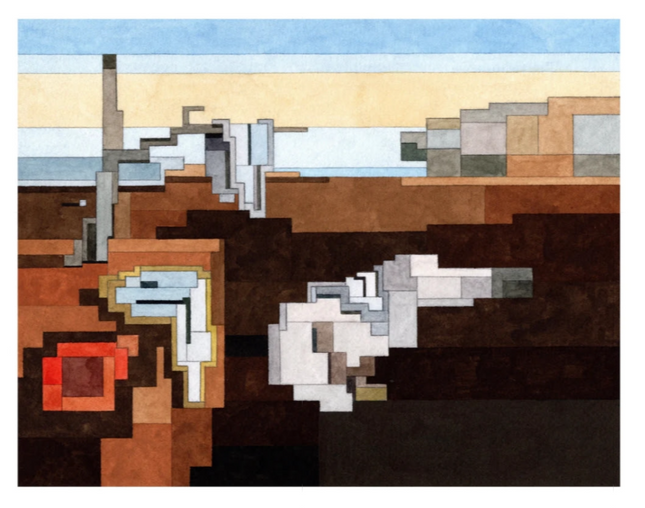
  • The Persistence of Memory Archival Print by Adam Lister

    Adam Lister The Persistence of Memory Archival Print by Adam Lister

    The Persistence of Memory Archival Print by Adam Lister Limited Edition on 300gsm Hot Press Matte Fine Art Paper Pop Graffiti Street Art Artist Modern Artwork. 2016 Signed & Numbered Print Limited Edition of 50 Artwork Size 10x8 Archival Pigment Fine Art Archival Print in Glitch Style The Persistence of Memory Archival Print by Adam Lister is a masterful contribution to the world of modern artwork, particularly in the pop art, street art, and graffiti art genres. This spectacular piece, first unveiled in 2016, showcases Lister's proficiency in blending traditional elements of art with a novel, innovative perspective. What makes this work even more exceptional is its exclusivity – it's a signed and numbered print, part of a limited edition of just 50. Delving into the specifics of the print, it's created on a 300gsm hot press matte fine art paper. This kind of paper is renowned for its capability to absorb color and detail, contributing to the final product's vibrancy and clarity. The archival pigment used in the print furthers its longevity, ensuring the work retains its crispness and vividness over time. It's a reflection of Lister's commitment to quality and his understanding of the importance of materiality in art production. The artwork measures 10x8, a modest size that is deceptive in its capacity to captivate the viewer. What it may lack in physical size, it more than makes up for with its compelling and intricate design. This design is rendered in what has been described as a "glitch" style, a fascinating sub-genre that finds its roots in digital culture and technology. Glitch art often involves visual disruptions, offering a critique of the seemingly perfect, seamless digital world. Here, Lister's deployment of glitch aesthetics provides a fresh and evocative reinterpretation of the classical Persistence of Memory theme. Perhaps the most captivating aspect of this print is its link to pop art, street art, and graffiti art. These genres, characterized by their critique of mass culture and their roots in urban environments, are wonderfully appropriated by Lister in this work. The piece mirrors the energy, vibrancy, and transgressive spirit found in these genres while also maintaining an impressive level of sophistication and artistic depth. This marriage of high and low culture, the gritty and the refined, encapsulates the power of Adam Lister's work. The Persistence of Memory Archival Print by Adam Lister is not just another artwork. It's a testament to the fusion of traditional artistic elements with contemporary ones, an expression of the dynamic and ever-evolving nature of art. It encapsulates an ongoing dialogue within art - a conversation about the relationship between technology, culture, and artistic expression. And as such, it offers a compelling vision of our times, seen through the lens of an artist keenly attuned to the world around him.

    $493.00

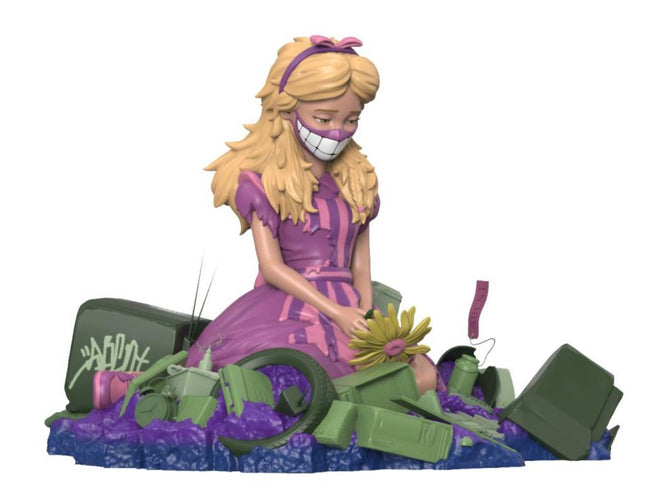
  • Alice in Wasteland Acid Statue Sculpture by ABCNT

    ABCNT Alice in Wasteland Acid Statue Sculpture by ABCNT

    Alice in Wasteland- Acid Statue Polystone Sculpture Limited Edition Artwork by Artist ABCNT of Pop Graffiti Painting & Street Art Fame. 2020 Alice in Wonderland Limited 8.5" Statue

    $503.00

Trippy Graffiti Street Pop Art

Trippy as Visual Disruption in Street Pop Art & Graffiti Artwork

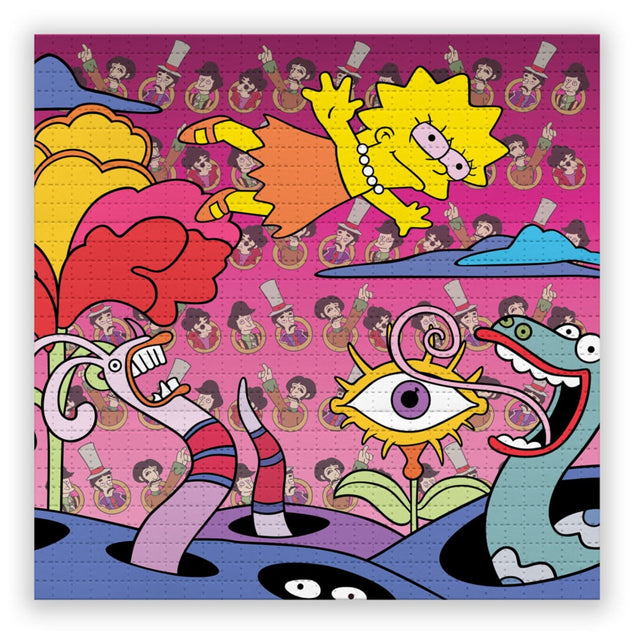
Trippy is a term often associated with altered states and psychedelic imagery, but in the context of Street Pop Art & Graffiti Artwork, it serves as a dynamic tool for disrupting visual logic and cultural expectations. Artists across generations have used trippy aesthetics to challenge linear thinking and confront passive viewership. These works often feature optical illusions, warped anatomy, vivid color clashes, and surrealist motifs that pull from both psychedelic subculture and mass media iconography. Within graffiti and pop traditions, the trippy sensibility transforms walls, canvases, and prints into portals that distort time, identity, and perception.

From Psychedelia to Urban Expression

The origins of trippy imagery in art trace back to the countercultural revolution of the 1960s, where music posters, underground zines, and album covers became laboratories for visual experimentation. Those same hallucinogenic patterns and color explosions migrated to street walls in the 1980s and 1990s, merging with graffiti tags and hip-hop-driven iconography. Street Pop Art expanded the application, embedding comic book fonts, ad logos, and cartoon faces into warped universes. Artists like Kenny Scharf and Rammellzee bent the visual grid with compositions that felt electric and unstable, helping cement trippy as a cornerstone of rebellious visual language in the urban art scene.

Color Theory and Chaos in Contemporary Use

In contemporary graffiti and Street Pop Art, trippy does not always mean nostalgic. It often pushes forward with updated palettes that lean into digital glow, neon bleed, and glitch-inspired gradients. The result is a visual overload that mimics modern digital overstimulation while retaining the freedom and intensity of analog psychedelia. Trippy artworks collapse space and perspective, forcing viewers to navigate layered elements that twist traditional forms into something surreal and saturated. Through this method, trippy becomes more than a style—it is a visual commentary on fragmentation, repetition, and subconscious interpretation.

Trippy as a Cultural Frequency

Trippy is not simply an aesthetic decision. It is an assertion of freedom against rigid design standards and intellectual containment. In Street Pop Art & Graffiti Artwork, trippy energy creates space for joy, confusion, rebellion, and deep reflection. Whether rendered in fine art prints, hand-painted murals, or underground zines, the trippy impulse keeps the medium alive by refusing to sit still or be decoded easily. It is unpredictable, often humorous, sometimes menacing, but always immersive. As artists continue to explore what urban art can say and feel like, trippy remains one of its most powerful visual frequencies.

Footer image

© 2025 Sprayed Paint Art Collection,

    • Amazon
    • American Express
    • Apple Pay
    • Bancontact
    • Diners Club
    • Discover
    • Google Pay
    • iDEAL
    • Mastercard
    • PayPal
    • Shop Pay
    • Visa

    Login

    Forgot your password?

    Don't have an account yet?
    Create account