
TV Television

2 artworks

  • Furever Bunnies Silkscreen Print by Faile

    Faile Furever Bunnies Silkscreen Print by Faile

    Furever Bunnies Acrylic & Ink Silkscreen Print by Faile Hand-Pulled on Fine Art Paper Limited Edition Screenprint Artwork. 2024 Signed & Numbered Limited Edition of 10 Artwork Size 25.5x38 Silkscreen Print of a Woman Dressed as a Bunny Holding a Bunny Surrounded by Vintage TV Cameras. Furever Bunnies: A Retro Pop Culture Canvas Furever Bunnies by Faile is a compelling piece of Street Pop Art and Graffiti Artwork. Created using acrylic and ink silkscreen techniques, this limited edition print is a visual explosion of nostalgia, artistry, and social commentary. Measuring 25.5x38 inches, this hand-pulled silkscreen artwork is presented on fine art paper, showcasing the mastery of the Faile collective. Released in 2024 as a signed and numbered edition of just 10, the exclusivity of this piece adds to its allure as a collectible item. Featuring a woman dressed as a bunny holding a stuffed bunny, set amidst a backdrop of vintage television cameras, the artwork captures a playful yet thought-provoking narrative that invites viewers to reflect on media, fantasy, and performance. The Unique Vision of Faile Faile, an artist collective formed by Patrick McNeil and Patrick Miller in the United States, is celebrated for its ability to merge pop culture elements with bold, street-inspired techniques. Their work often incorporates layered imagery, text, and bold graphics, reflecting a deep engagement with themes of nostalgia, consumerism, and urban culture. Furever Bunnies exemplifies their distinctive approach, combining elements of mid-century advertising aesthetics with contemporary street art sensibilities. The central figure of the woman dressed as a bunny juxtaposes innocence and allure, while the surrounding vintage cameras underscore themes of voyeurism and constructed realities in media. Exploring the Themes in Furever Bunnies This silkscreen artwork operates on multiple levels, blending humor, critique, and aesthetic beauty. The bunny costume and retro setting evoke a bygone era of glamor and spectacle, hinting at societal expectations of femininity and performance. The use of vibrant colors and bold outlines ties the piece firmly to the tradition of Street Pop Art, a genre that thrives on the reinterpretation of popular imagery. The inclusion of vintage television cameras suggests a commentary on the performative nature of identity in a media-saturated culture. Furever Bunnies invites the viewer to question the nature of fantasy, authenticity, and the role of media in shaping cultural narratives. Hand-Pulled Masterpiece and Collectibility Furever Bunnies stands as a testament to the meticulous craftsmanship that Faile brings to their limited edition prints. The acrylic and ink silkscreen process lends a tactile depth and vibrancy to the piece that elevates it beyond a mere visual experience. With only 10 editions in existence, each signed and numbered, this artwork holds significant value for collectors of Street Pop Art and Graffiti Artwork. Faile’s ability to fuse retro aesthetics with modern critique ensures that Furever Bunnies is not only a striking visual statement but also a significant cultural artifact.

    $5,000.00

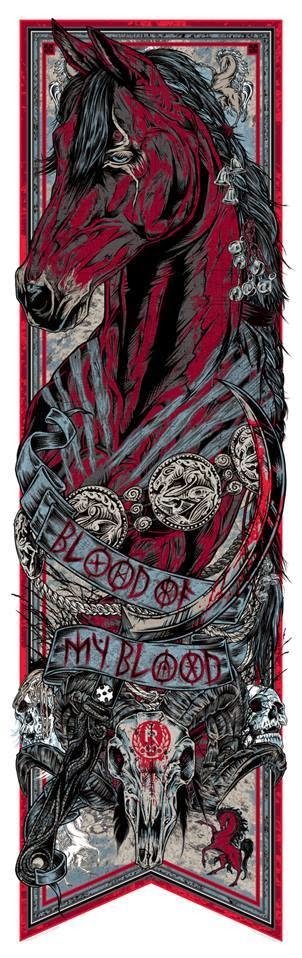
  • Blood of My Blood Silkscreen Print by Rhys Cooper

    Rhys Cooper Blood of My Blood Silkscreen Print by Rhys Cooper

    Blood of My Blood- Call the Banners Series Limited Edition 5-Color Hand-Pulled Silkscreen Print on 250gsm Heavy Paperd With Metallic Inks by Rhys Cooper Graffiti Street Artist Modern Pop Art. 5 color silkscreen poster on heavy 250gsm paper stock printed with metallic inks. Signed and numbered edition of 200. Size of the banners will be 12 x 38 inches All posters numbered and signed.

    $217.00

TV Television Graffiti Street Pop Art

Television's Imprint on Street Pop Art & Graffiti

Since its inception, television has been a dominant cultural force, its screen a mirror reflecting, shaping, and sometimes distorting the society that tunes into its daily broadcasts. In the realm of street pop art and graffiti artwork, TV has carved its niche not merely as a medium for entertainment but as a rich source of inspiration and a canvas for commentary. Artists have co-opted the imagery and iconography of television, using it to critique our media-saturated environment. The TV set itself, with its classic box shape and antenna, has become a symbolic feature in many street artworks, symbolizing the pervasive influence of mass media on public consciousness.

Cultural Commentary Through Urban Mediums

The portrayal of television in street art often carries with it a duality; on the one hand, it represents the collective memories and shared experiences of generations raised in front of its glow. On the other hand, it is depicted as a tool of propaganda, a peddler of consumerism, and a shaper of reality that can lead to a passive, controlled society. Street artists utilize the television motif to discuss issues such as the loss of individuality, the manipulation of news, and the passivity of modern-day viewership. The medium of street art, known for its provocative and rebellious undertones, becomes an ironic choice for depicting television, as it traditionally serves as a counter-narrative to mainstream channels.

The Evolution of Television in Street Art

As television technology has evolved from the bulky cathode-ray tubes to the sleek flat screens of today, so has its representation in street pop art. The older television sets evoke nostalgia, a longing for simpler times. At the same time, modern screens can be seen as symbols of rapid technological changes and the continuous consumption of digital content. Graffiti artists and muralists alike have painted televisions with reverence and criticism, underscoring the device's role as a central fixture in daily life and as a mediator of the information flowing into the public sphere. The fusion of television themes with street art aesthetics also speaks to the power of visual communication. Just as television has been used to convey messages to a broad audience, street art captures the gaze of passersby, offering an unfiltered, often unsanctioned expression that might otherwise be censored on mainstream media. This makes the street wall a public television that broadcasts the community's diverse voices and talents. Street pop art and graffiti artwork that incorporate television challenge viewers to reconsider their relationship with the media they consume. By bringing the indoors out and plastering private consumption onto public walls, artists remind us of the communal roots of storytelling and the shared experiences that television can facilitate. Yet, they also ask us to be critical of the content that shapes our perceptions and to seek out our narratives in a world where reality and fiction are often intertwined on the small screen. Through this lens, television-themed street art connects to a common cultural thread and a disruption, encouraging individual thought and engagement in the urban landscape.
Footer image

© 2025 Sprayed Paint Art Collection,

    • Amazon
    • American Express
    • Apple Pay
    • Bancontact
    • Diners Club
    • Discover
    • Google Pay
    • iDEAL
    • Mastercard
    • PayPal
    • Shop Pay
    • Visa

    Login

    Forgot your password?

    Don't have an account yet?
    Create account