

TV Television
-
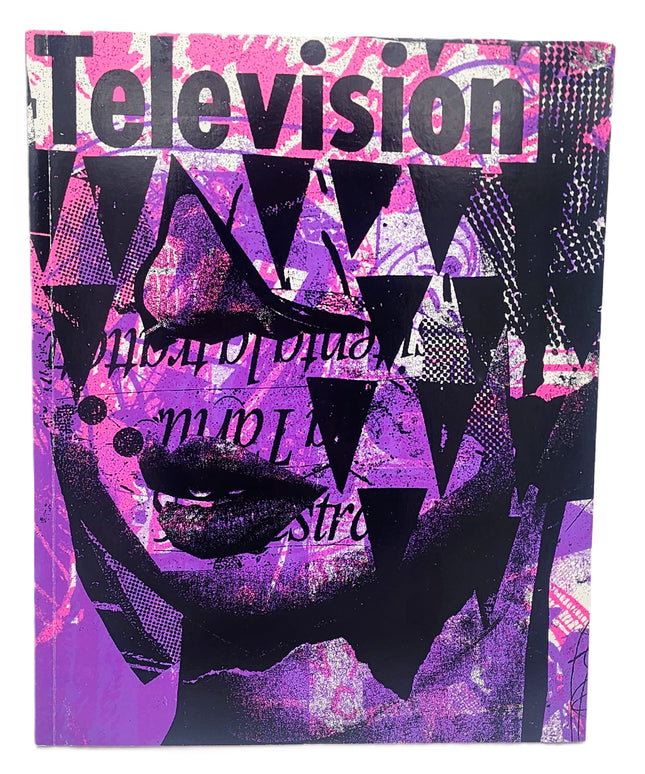
Faile Deluxx Fluxx Arcade Book Television Cover by Faile x Bast- Michael Polimeni
Deluxx Fluxx Arcade Book Studio Run Television Cover by Faile x Bast- Michael Polimeni Rare Limited Edition Modern Pop Graffiti Urban Culture Artworks Reference. 2015 Signed by Faile 1986 Limited Edition of 300 Book Size 8x10 "The Faile & Bast Deluxx Fluxx Arcade Book Studio Run Television Cover. The Fusion of Faile and Bast in "Deluxx Fluxx Arcade": A Chronicle of Street Pop Art Faile, a Brooklyn-based artistic collaboration, and Bast, known as Michael Polimeni, has resulted in a remarkable project: "The Faile & Bast Deluxx Fluxx Arcade Book Studio Run Television Cover." This rare limited edition piece, a convergence of modern pop graffiti and urban culture artwork, encapsulates a pivotal moment in street art history. The 2015 signed edition by Faile, limited to 300 copies, is a testament to the creativity and synergy between these two giants in the street art community. Capturing Urban Culture Through Mixed Media The "Deluxx Fluxx Arcade Book" is not merely a collection of images but a historical record of the evolution of street pop art and graffiti artwork. Through its pages, one can trace the journey of Faile and Bast from the streets to the revered spaces of art studios and galleries. The book's television cover edition, with its size of 8x10 inches, is a kaleidoscope of colors, textures, and patterns. It chronicles the studios' forays into the arcade world, where the interactive nature of games becomes a new medium for artistic expression. The cover, a vibrant melange of purples and blacks, speaks to street art's dynamic and often disruptive nature, as it takes familiar visuals and repurposes them in unexpected ways. Legacy of the "Deluxx Fluxx Arcade": A Cultural Milestone The significance of "The Faile & Bast Deluxx Fluxx Arcade Book" within the street art narrative cannot be overstated. It captures a moment when the lines between high art and street culture blur, a period where artists like Faile and Bast redefined the parameters of pop art. This book serves as both a visual feast and an academic reference for those studying the impacts of street art on modern culture. Each page, each image, is a piece of a giant puzzle that, when assembled, reveals the full scope of Faile and Bast's impact on the art world. This collaborative project between Faile and Bast, encapsulated in the "Deluxx Fluxx Arcade Book," represents a significant chapter in the story of street pop art and graffiti. It is a vibrant, living document of the creativity and cross-pollination of ideas that define the genre. For collectors and enthusiasts alike, the limited edition book is a treasure, a slice of history, and a source of endless inspiration. It is a vibrant manifesto of the transformative power of collaboration in the art world.
$950.00
-

Faile Furever Bunnies Silkscreen Print by Faile
Furever Bunnies Acrylic & Ink Silkscreen Print by Faile Hand-Pulled on Fine Art Paper Limited Edition Screenprint Artwork. 2024 Signed & Numbered Limited Edition of 10 Artwork Size 25.5x38 Silkscreen Print of a Woman Dressed as a Bunny Holding a Bunny Surrounded by Vintage TV Cameras. Furever Bunnies: A Retro Pop Culture Canvas Furever Bunnies by Faile is a compelling piece of Street Pop Art and Graffiti Artwork. Created using acrylic and ink silkscreen techniques, this limited edition print is a visual explosion of nostalgia, artistry, and social commentary. Measuring 25.5x38 inches, this hand-pulled silkscreen artwork is presented on fine art paper, showcasing the mastery of the Faile collective. Released in 2024 as a signed and numbered edition of just 10, the exclusivity of this piece adds to its allure as a collectible item. Featuring a woman dressed as a bunny holding a stuffed bunny, set amidst a backdrop of vintage television cameras, the artwork captures a playful yet thought-provoking narrative that invites viewers to reflect on media, fantasy, and performance. The Unique Vision of Faile Faile, an artist collective formed by Patrick McNeil and Patrick Miller in the United States, is celebrated for its ability to merge pop culture elements with bold, street-inspired techniques. Their work often incorporates layered imagery, text, and bold graphics, reflecting a deep engagement with themes of nostalgia, consumerism, and urban culture. Furever Bunnies exemplifies their distinctive approach, combining elements of mid-century advertising aesthetics with contemporary street art sensibilities. The central figure of the woman dressed as a bunny juxtaposes innocence and allure, while the surrounding vintage cameras underscore themes of voyeurism and constructed realities in media. Exploring the Themes in Furever Bunnies This silkscreen artwork operates on multiple levels, blending humor, critique, and aesthetic beauty. The bunny costume and retro setting evoke a bygone era of glamor and spectacle, hinting at societal expectations of femininity and performance. The use of vibrant colors and bold outlines ties the piece firmly to the tradition of Street Pop Art, a genre that thrives on the reinterpretation of popular imagery. The inclusion of vintage television cameras suggests a commentary on the performative nature of identity in a media-saturated culture. Furever Bunnies invites the viewer to question the nature of fantasy, authenticity, and the role of media in shaping cultural narratives. Hand-Pulled Masterpiece and Collectibility Furever Bunnies stands as a testament to the meticulous craftsmanship that Faile brings to their limited edition prints. The acrylic and ink silkscreen process lends a tactile depth and vibrancy to the piece that elevates it beyond a mere visual experience. With only 10 editions in existence, each signed and numbered, this artwork holds significant value for collectors of Street Pop Art and Graffiti Artwork. Faile’s ability to fuse retro aesthetics with modern critique ensures that Furever Bunnies is not only a striking visual statement but also a significant cultural artifact.
$5,000.00
-
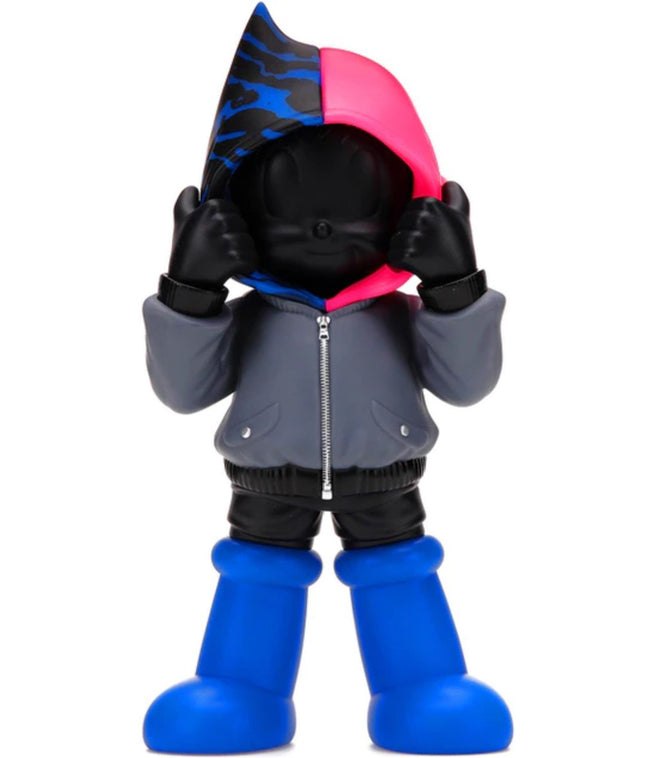
Faile Astro Boy Hoodie- Black Light Art Toy by Faile
Astro Boy Hoodie- Black Light Limited Edition Vinyl Art Toy Collectible Artwork by street graffiti artist Faile x Deluxx Fluxx x ToyQube. In conjunction with the FAILE x Deluxx Fluxx x ToyQube Astro Boy Hoodie, the iconic Astro Boy comes alive in the Deluxx Fluxx sound and vision club with UV Black Light glow wearing a custom hoodie and track jacket. Celebrating the aesthetic of the famous Deluxx Fluxx sound and vision club in Detroit, this is a limited edition one of 500 figures measuring 10 inches in height.
$863.00
-
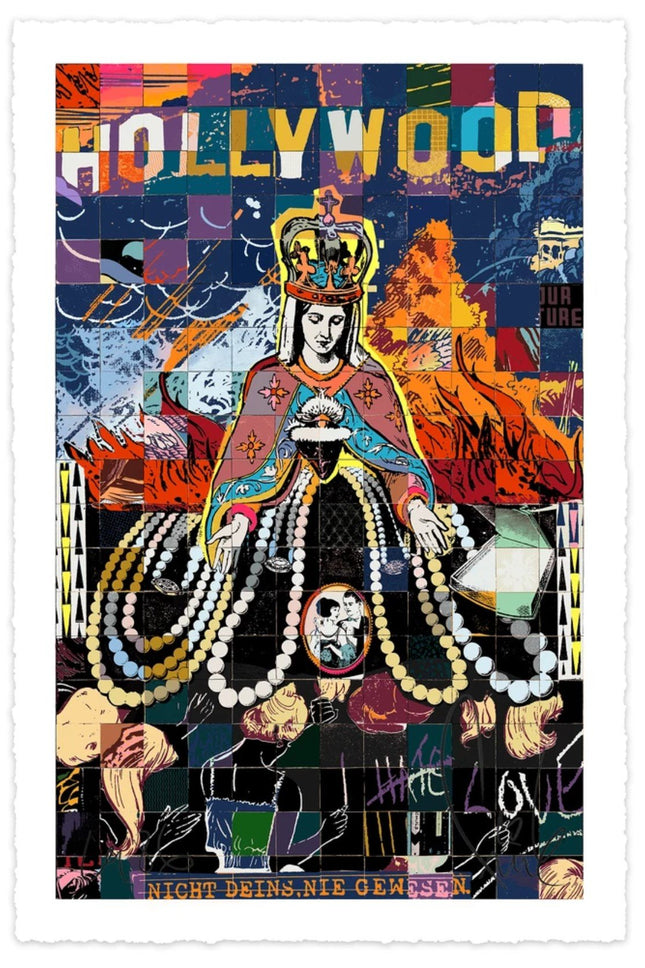
Faile Hollywood Nights Silkscreen Print by Faile
Hollywood Nights Limited Edition Archival Pigment Fine Art Prints on Entrada 290gsm Cotton Rag Paper by Graffiti Street Art and Pop Culture Artist Faile. Hollywood Nights Print 28 x 42 Inches Archival Ink on Entrada 290gsm Cotton Rag Edition of 400 Embossed, Signed and Numbered FAILE 2021
$4,203.00