
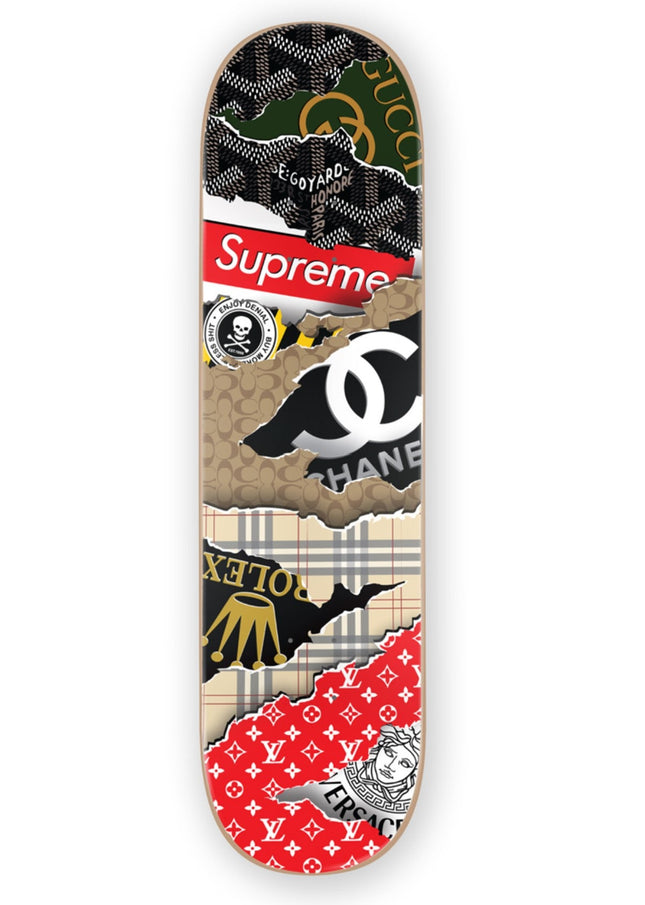

Versace’s Iconography in Street Pop Art & Graffiti Artwork
Versace has long been synonymous with boldness, luxury, and unabashed excess. These very characteristics have made it a rich subject for artists working in the world of Street Pop Art & Graffiti Artwork. The Italian fashion house, founded by Gianni Versace in 1978, has become more than a brand—it is an aesthetic. From its Medusa head logo to its baroque prints and gold-laced patterns, Versace represents an attitude that resonates powerfully with artists critiquing or celebrating consumer culture. As the line between commercial branding and visual art continues to blur, Versace’s imagery has been adopted by contemporary artists who reinterpret high fashion through the lens of urban resistance and pop iconography.
Luxury as Irony and Statement in Urban Art
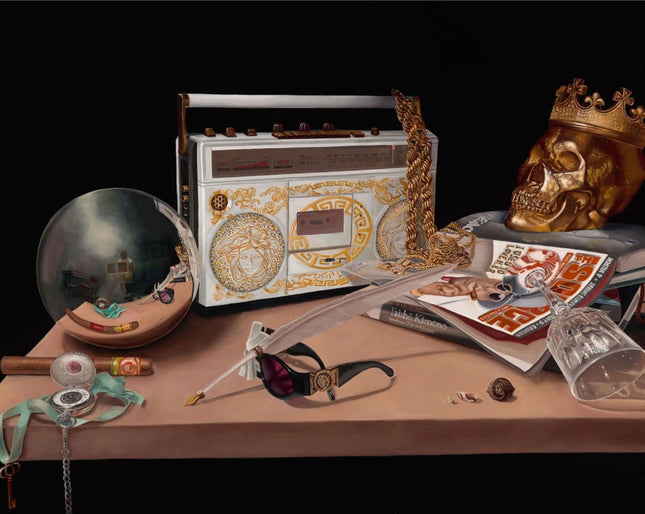
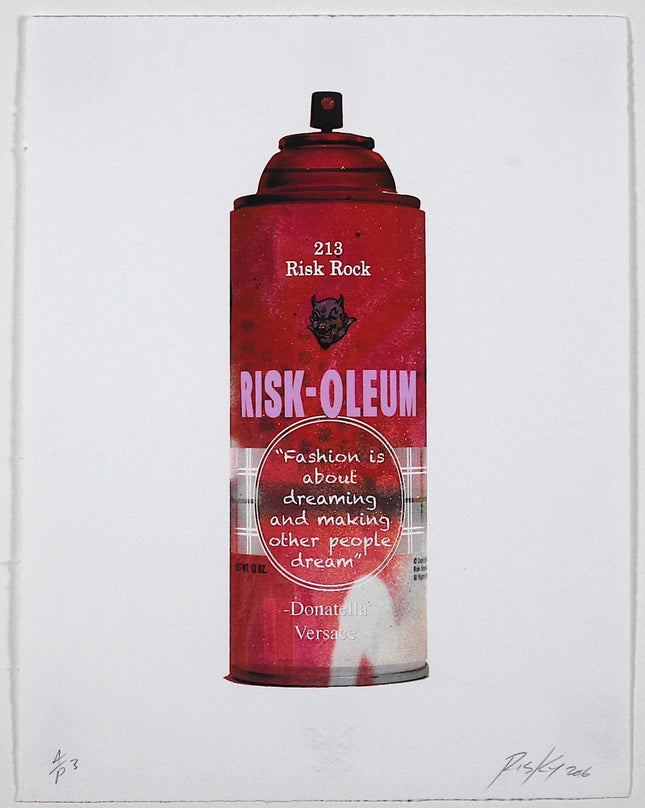
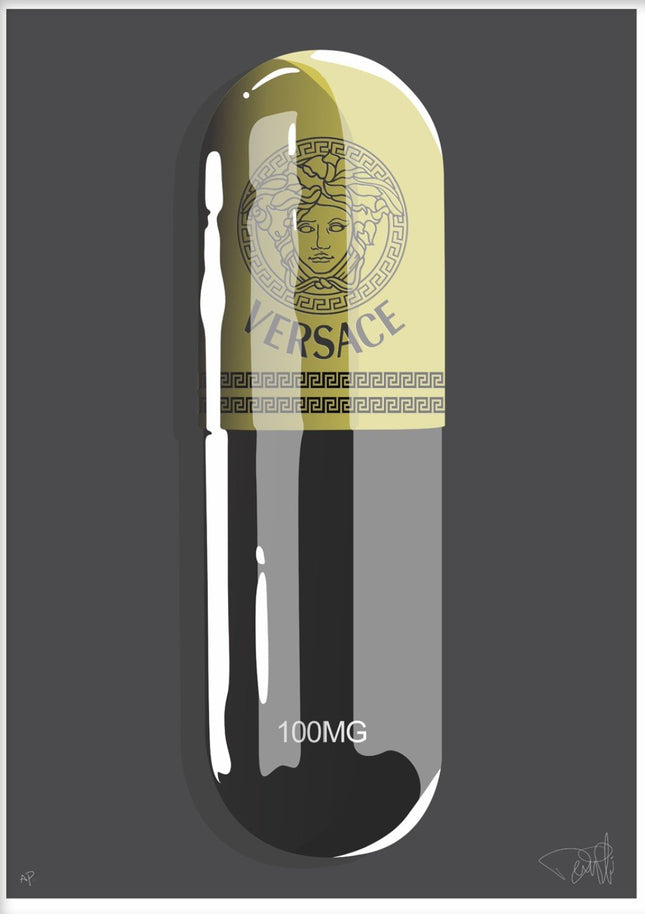
Artists working in street and pop traditions often appropriate logos and brand visuals to either critique or immortalize them. Versace’s instantly recognizable visuals are reimagined across murals, stencil work, collage, and mixed media installations. The ornate styling and mythical references lend themselves easily to reinterpretation in public space, where they are often used to explore themes of material obsession, identity, and aspiration. Artists like Denial (Daniel Bombardier), Faile, and others have explored similar luxury subjects, and while some take a satirical approach, others celebrate the visual language as part of a broader cultural narrative. When applied to alley walls, billboards, or even repurposed fashion items, Versace becomes a conduit for discussing capitalism, decadence, and status.
Versace as Symbol and Surface
What makes Versace especially impactful in Street Pop Art & Graffiti Artwork is its historic merging of mythology with modern branding. The Medusa head, lifted from ancient Greek mythology, has been used not just as a logo but as a symbol of allure and danger. In graffiti and pop reinterpretations, it often appears juxtaposed with dystopian or ironic messaging. The combination of intricate ornamentation with rebellious or raw materials—like wheatpaste posters or spray-painted textures—creates tension between what is meant to be untouchable and what is made accessible. By placing Versace into the visual culture of the streets, artists reclaim luxury from elite spaces and insert it into daily discourse.
Pop Culture Endurance and Artistic Reappropriation
Gianni Versace’s influence extended beyond fashion and into the arenas of music, nightlife, and art. This multifaceted presence makes Versace an ideal subject for reappropriation within urban creative movements. His assassination in 1997 did not diminish the impact of his designs but further cemented his role as an iconic figure in cultural history. Today, Donatella Versace continues to lead the brand, amplifying its cultural visibility. As artists continue to blur boundaries between art and commerce, Versace remains a frequent visual anchor for critiques of fame, wealth, and desire. In Street Pop Art & Graffiti Artwork, the brand is more than fabric—it is canvas, metaphor, and mirror.