


Video Game
-
Ron Guyatt Destiny Star Map Silkscreen Print by Ron Guyatt
Destiny Star Map Limited Edition 2-Color Hand-Pulled Silkscreen Print on Fine Art Paper by Ron Guyatt Graffiti Street Artist Modern Pop Art. Star map and ship from cult classic video game Destiny.
$159.00
-
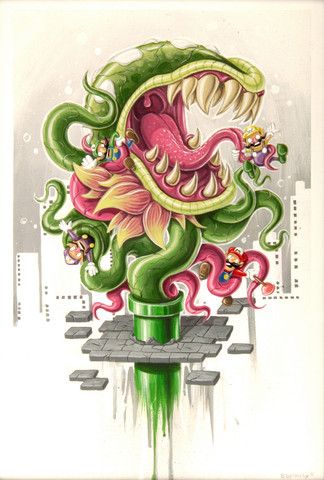
Brandon Sopinsky Little Shop of Plumbers Giclee Print by Brandon Sopinsky
Little Shop of Plumbers Artwork Giclee Limited Edition Print on Fine Art Paper by Pop Culture Graffiti Artist Brandon Sopinsky.
$134.00
-
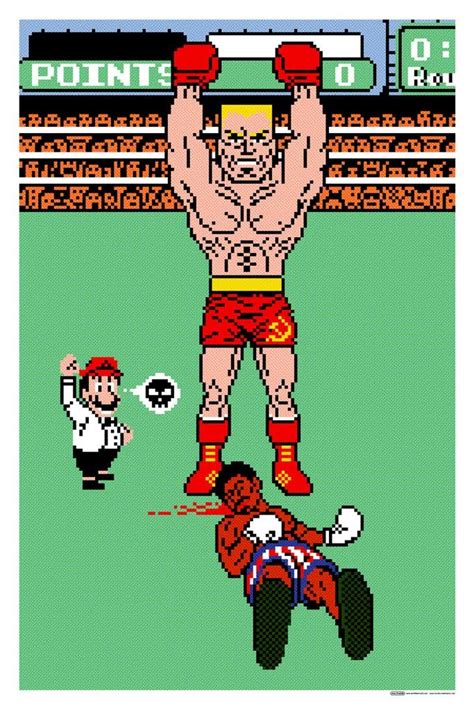
Jon Smith You Vil Lose Silkscreen Print by Jon Smith
You Vil Lose Limited Edition 4-Color Hand-Pulled Silkscreen Print on Fine Art Paper by Jon Smith Graffiti Street Artist Modern Pop Art. 2012 Signed & Numbered Litied Edition of 200 Artwork Size 12x18 You Vil Lose Silkscreen Print by Jon Smith Jon Smith’s You Vil Lose silkscreen print is a dynamic fusion of street pop art and graffiti artwork, blending nostalgia, satire, and bold artistic execution. Released in 2012 as a signed and numbered limited edition of 200, this 12x18-inch hand-pulled silkscreen print embodies a retro gaming aesthetic with a strong cultural and political undertone. Utilizing four colors on fine art paper, the print draws inspiration from classic 8-bit video game visuals while injecting modern commentary through exaggerated design and composition. The Visual Impact and Gaming Nostalgia The artwork immediately strikes with its bold, pixelated style reminiscent of vintage 1980s video games. The composition mirrors the aesthetics of Punch-Out!!, an iconic boxing video game that defined a generation of gamers. The image portrays a victorious, towering figure in red boxing trunks, flexing triumphantly over a fallen opponent in American flag-themed attire. The referee, designed in a cartoonish 8-bit style, stands beside them, adding to the authentic video game aesthetic. Smith’s use of silkscreen techniques enhances the vibrancy and sharpness of each color, reinforcing the nostalgic feel of retro gaming. The limited palette ensures a clean, high-contrast finish, making the characters pop against the background. The exaggerated proportions of the victorious boxer heighten the intensity, placing emphasis on power dynamics and thematic tension. The defeated fighter’s expressive posture and the addition of blood splatter further dramatize the moment, capturing the raw energy of video game knockouts. Cultural Commentary and Symbolism Beneath the playful, pixelated surface, You Vil Lose carries a deeper cultural narrative. The visual themes, particularly the color choices and character designs, evoke Cold War-era rivalries between the United States and the Soviet Union. The victorious figure bears a striking resemblance to the archetypal Eastern European boxing villains seen in popular media, drawing immediate parallels to characters like Ivan Drago from Rocky IV. The fallen fighter’s American flag trunks reinforce the competitive tension between opposing ideologies, a theme often explored in both sports and pop culture. By presenting this imagery in a pixelated video game format, Smith cleverly blends digital nostalgia with historical and political themes, making the piece both entertaining and thought-provoking. The title You Vil Lose reinforces the exaggerated villainous persona, playing on Cold War-era caricatures that were often used in Western media. The Influence of Street Pop Art and Graffiti Artwork Jon Smith’s approach to You Vil Lose aligns seamlessly with the ethos of street pop art and graffiti artwork. His ability to take digital culture and reinterpret it through the physical medium of silkscreen printing showcases the crossover between gaming culture and contemporary art. The fusion of recognizable video game aesthetics with bold social commentary makes this piece stand out as a clever and striking example of modern pop art. Smith’s work is widely celebrated for its ability to merge pop culture with visual storytelling, and You Vil Lose is a testament to his signature style. By taking inspiration from classic gaming, he taps into the collective memory of an entire generation while simultaneously offering a fresh, stylized reinterpretation. This print holds value not just for fans of retro video games, but also for collectors who appreciate the intersection of nostalgia, satire, and artistic craftsmanship.
$201.00
-
Vandul Gameboi Vandul Original Acrylic Painting by Vandul
Gameboi Vandul Original Acrylic Painting by Vandul One of a Kind Artwork on Round Stretched Canvas by Street Art Pop Artist. 2022 Signed Original Round Acrylic Original Painting Size 12x12 The Artistic Essence of Vandul's "Gameboi Vandul" in Street Pop Art Culture In the vibrant landscape of street pop art, few pieces capture the playful spirit and reflective nostalgia quite like "Gameboi Vandul," an original acrylic painting by the street artist known simply as Vandul. This one-of-a-kind artwork, created in 2022, is a signed original that brings graffiti art's aesthetic and pop culture sensibilities into a harmonious visual experience. Presented on a 12x12 inch round stretched canvas, Vandul's piece is a compact yet powerful expression of street art's influence on modern pop artistry. "Gameboi Vandul" is not just a painting; it's a cultural statement that blends the vintage charm of handheld gaming with the raw edge of street art. The artwork depicts a character engrossed in a game, surrounded by a serene outdoor scene that contrasts with the urban grittiness often associated with graffiti. The choice of a round canvas breaks traditional boundaries, just as street pop art breaks conventional artistic norms. The circular shape adds a dynamic element, guiding the eye inward to the focal point — the character and his gaming device — and reflecting the immersive nature of both art and play. Vandul's Creative Process and Impact on Street Art Vandul's creative process involves a deep understanding of the cultural icons that resonate across generations. "Gameboi Vandul" takes a widely recognized emblem of youth and technology — the Gameboy — and reimagines it through the lens of street pop art. The artist's use of acrylic paints gives the piece a brightness and depth often seen in graffiti artwork, with bold lines and solid colors that pop against the canvas. Vandul's work is known for its ability to evoke a sense of nostalgia while commenting on the present, and this piece is no exception. His commitment to authenticity and originality underscores the impact of Vandul's work on the street art scene. His pieces often feature characters that are both a reflection of himself and the broader human experience. In "Gameboi Vandul," the character's engrossment in the game serves as a metaphor for the escapism in art and gaming. The artwork resonates with viewers who find solace in life's simple pleasures, suggesting a universal connection that street pop art and graffiti artwork excel in portraying. Collectibility and Significance of "Gameboi Vandul" As a collectible, "Gameboi Vandul" is significant in street pop art. Vandul's decision to release the painting as a limited signed original adds to its exclusivity and appeal as a collector's item. The artwork symbolizes the fusion between contemporary street art and pop culture, making it desirable for fans of both genres. Vandul's work, with its distinctive style and thoughtful composition, continues to contribute to the narrative of street pop art as a form of valuable and impactful artistic expression. In an art market where street pop art and graffiti artwork are gaining increasing recognition and value, Vandul's "Gameboi Vandul" stands out as a testament to the enduring allure of street-inspired creations. The painting's presence in the art community serves as a reminder of the expressive power of visual art, the importance of preserving cultural memories, and the unifying aspects of shared experiences, be it through gaming or the appreciation of art. In the more excellent discourse of street pop art, Vandul's "Gameboi Vandul" is a compelling illustration of how artists can bridge the gap between street culture and the refined space of galleries. The artwork captures the playful essence of street art, the connectivity of pop culture, and the artist's personal touch, making it a vibrant addition to the contemporary art scene. Vandul's work exemplifies the potential of street pop art to transcend its origins, creating a dialogue that stretches across time, culture, and the very definition of art itself.
$554.00