Villain

2 artworks

  • 13 Horror Movie Killer Giclee Print by Dave Pollot

    Dave Pollot 13 Horror Movie Killer Giclee Print by Dave Pollot

    13 Horror Movie Killer Giclee Print by Dave Pollot Artwork Limited Edition Print on Fine Art Paper Graffiti Pop Street Artist. 2022 Signed & Numbered Limited Edition of 55 Artwork Size 23.5x14 13 Horror Movie Killer Giclee Print by Dave Pollot – A Twisted Reimagining of a Classical Icon in Street Pop Art & Graffiti Artwork Dave Pollot’s 2022 limited edition giclee print titled 13 Horror Movie Killer is a provocative reworking of Leonardo da Vinci’s The Last Supper, infused with a dark sense of humor and horror iconography. Measuring 23.5 by 14 inches and printed on fine art paper, this signed and numbered edition of only 55 pieces fuses the sacred with the sinister. Pollot, a New York-based contemporary artist known for inserting pop culture references into classical works, transforms the scene by replacing the apostles with legendary horror villains. The visual tension between the divine center figure and the violent figures surrounding it makes for a disorienting yet captivating reinterpretation that has earned attention in both pop art and street art circles. From Frankenstein to Freddy: Horror Icons in Satirical Congregation The composition includes instantly recognizable horror figures such as Frankenstein’s monster, the Mummy, the Creature from the Black Lagoon, and modern slasher legends like Freddy Krueger, Michael Myers, Jason Voorhees, Leatherface, Ghostface, and Pinhead. Each character is rendered with care, echoing their cinematic presence while still fitting into the worn, aged aesthetic of da Vinci’s backdrop. Pollot’s hand does not merely parody—it curates, combining the weight of religious artwork with the iconography of film to challenge perceptions of cultural veneration and morality. While the viewer may initially laugh at the absurdity of horror villains sharing a sacred meal, closer inspection reveals a striking contrast between fear and faith, pop culture and permanence. Fine Art Meets Cultural Subversion in Street Pop Art & Graffiti Artwork Pollot is widely respected for blurring the line between high and low art by physically painting over or digitally altering thrifted classical-style artworks with characters from video games, movies, and TV. In this case, the digital giclee method allows for rich detail and a textured finish that replicates the painterly quality of the source material. By choosing a limited print run of 55 on fine art paper, Pollot elevates the piece into the realm of collectible Street Pop Art & Graffiti Artwork. The giclee process itself is notable for its ability to capture nuanced color tones and intricate shadows, allowing for every wrinkle, shadow, and blood-streaked detail of these horror legends to be rendered with clarity and depth. Dave Pollot’s Commentary Through Dark Satire and Familiar Icons Dave Pollot, born and working in the United States, is a contemporary street pop artist who brings a distinct sense of irony and observation to his pieces. His work consistently reimagines traditional art forms by inserting them into the absurdity of modern entertainment. In 13 Horror Movie Killer, Pollot offers more than a novelty image—he constructs a narrative of cultural worship, asking whether our societal figures of devotion have shifted from sacred icons to entertainment monsters. As a piece of Street Pop Art & Graffiti Artwork, it fits perfectly into conversations around iconoclasm, nostalgia, and the strange comfort horror continues to provide in modern media. Each killer is a symbol, and their placement at a table of holy significance invites a sharp critique about consumption, fandom, and collective memory in the twenty-first century.

    $425.00

  • Jokers AP Giclee Print by Robert Bruno

    Robert Bruno Jokers AP Giclee Print by Robert Bruno

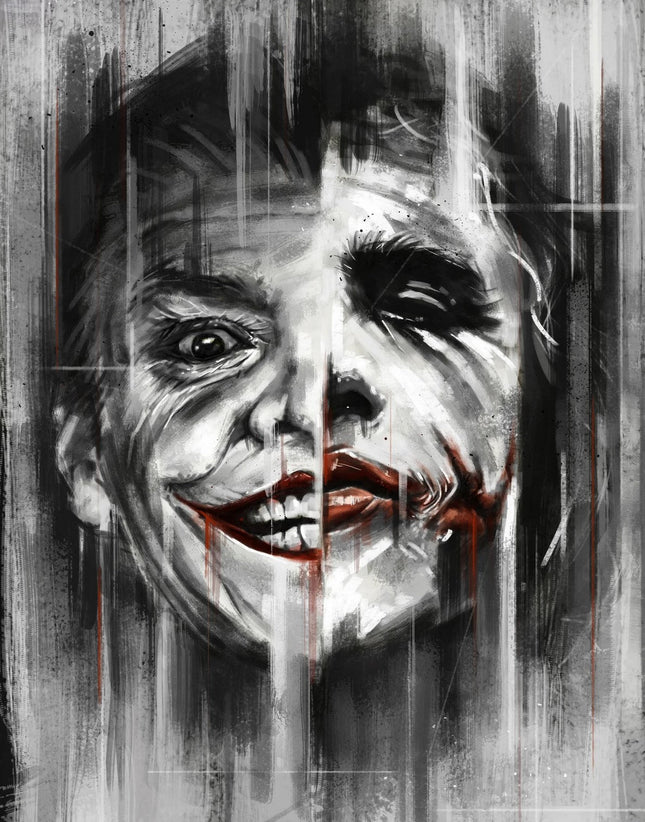
    Jokers Limited Edition Giclee Print on Satin Finish Paper by Robert Bruno counter-culture street artist art. AP Artist Proof. Limited Edition of 25! 11' in. x 14' in. Hand Signed & Numbered 225 Satin Finish Paper. Blending of various versions of the DC Comics villain Joker.

    $112.00

Villain Graffiti Street Pop Art

The Villain Archetype in Street Pop Art and Graffiti Artwork

In the vibrant and often rebellious realms of street pop art and graffiti artwork, the figure of the villain holds a place of particular fascination. This character archetype, typically seen as an antagonist in storytelling, has been reimagined by street artists and pop artists, gaining new layers of meaning and complexity. In urban landscapes worldwide, the image of the villain is a frequent motif used to challenge, provoke, and reflect societal tensions.

Subverting Expectations Through Art

Artists have long been drawn to the villain as a subject because of the opportunity to subvert norms and upend traditional narratives. In street pop art, the villain is often celebrated for their defiance and willingness to go against the grain. This mirrors the ethos of many street artists operating outside the art world's conventional boundaries. The villain in this context is a symbol of resistance, embodying the fight against oppressive structures and the power of individual agency. Graffiti artwork further complicates the villain archetype by placing them in urban environments often seen as gritty and challenging. Here, the villain is not just a character but part of a more extensive commentary on the cityscape and its inhabitants. The walls become a canvas where the villain's story is told and retold, sometimes as a figure of menace, sometimes as a misunderstood hero, and often as a reflection of the artist's inner turmoil or societal critiques.

Iconography and Symbolism of Villains in Urban Art

The iconography of the villain in street pop art and graffiti artwork is rich and varied. These figures are depicted in countless forms, from comic book-style renderings to hyper-realistic portraits. What unites these depictions is the artists' attention to the symbolic potential of the villain. In the hands of street artists, the villain can become a stand-in for corporate greed, political corruption, or social injustice. Their faces and forms are rendered in ways that draw attention to the complexities of their character, turning them into symbols of the struggle between good and evil, power and resistance, chaos and order. The symbolism of the villain is often used to question what it means to be heroic in the modern world. Street artists like Banksy, whose real name is not publicly known due to the secretive nature of his work, have employed images of villains to turn the tables on traditional power dynamics, suggesting that there is a criminal aspect to the authorities who label street art as vandalism. This inversion of roles makes a statement about the artist's perspective on authority and encourages viewers to question their assumptions about legality, morality, and heroism.

Villains as a Reflection of Cultural Tensions

The portrayal of villains in street pop art and graffiti artwork also mirrors the cultural tensions of the time. As society grapples with issues of inequality, violence, and power, the image of the villain takes on new relevance. Through their work, the artists can critique the notion of villainy, suggesting that it is a social construct as much as a reality. They ask us to consider who is labeled as a villain and why and to recognize the humanity even in those who are demonized. Moreover, engaging with villainous figures in street art allows for a cathartic expression of frustration and dissent. It offers a way for communities to confront and exorcise the societal demons that haunt them, whether those are corrupt officials, evil capitalists, or the faceless systems of control that govern urban life. The villain archetype is a potent and multifaceted symbol within street pop art and graffiti artwork. It encapsulates the rebellious spirit of the genre and provides a vehicle for social commentary and personal expression. Through their depictions of villains, street artists challenge viewers to reconsider their preconceptions and engage with the world around them more critically and nuancedly. As street art continues to evolve and respond to the changing currents of society, the figure of the villain is sure to remain a central and provocative element of this dynamic artistic landscape.
Footer image

© 2025 Sprayed Paint Art Collection,

    • Amazon
    • American Express
    • Apple Pay
    • Bancontact
    • Diners Club
    • Discover
    • Google Pay
    • iDEAL
    • Mastercard
    • PayPal
    • Shop Pay
    • Visa

    Login

    Forgot your password?

    Don't have an account yet?
    Create account