Villain

2 artworks

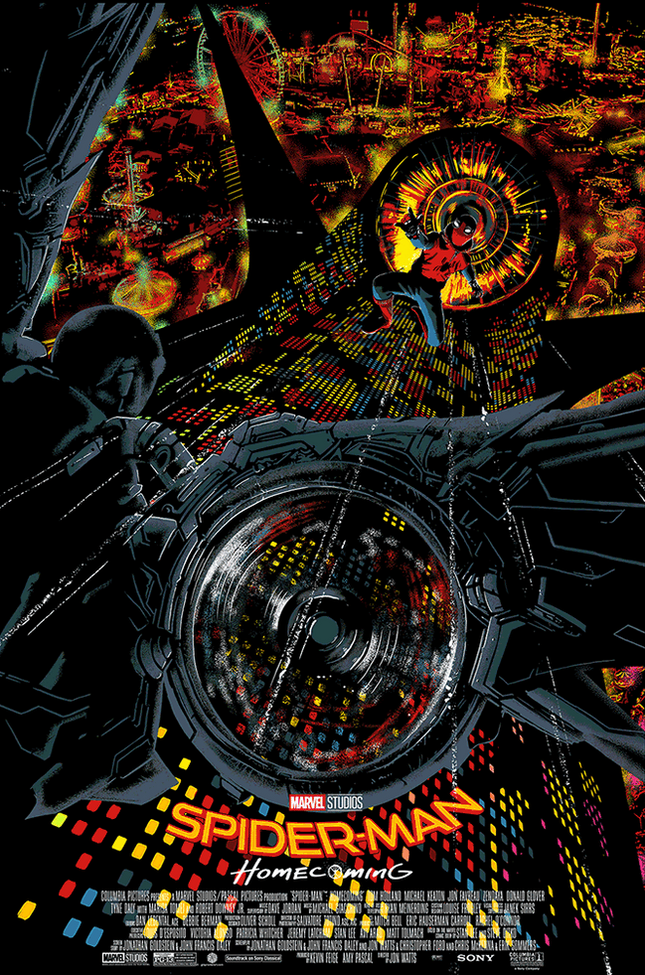
  • Spider Man Homecoming AP Foil Silkscreen Print by Raid71

    Raid71 Spider Man Homecoming AP Foil Silkscreen Print by Raid71

    Spider-man Homecoming Foil AP Artist Proof Silkscreen Print by Raid71 Hand-Pulled on Holofoil Fine Art Paper Limited Edition Pop Street Art Artwork. AP Artist Proof 2023 Signed & AP40 Artwork Size 24x36 Holographic Foil Silkscreen Print by Raid71 Spider-Man Homecoming Foil AP Silkscreen Print by Raid71 The Spider-Man Homecoming Foil AP Silkscreen Print by Raid71 is a radiant collision of cinematic intensity and vibrant Street Pop Art & Graffiti Artwork aesthetics. Released as an Artist Proof in 2023, this 24x36 inch hand-pulled silkscreen was printed on holographic foil fine art paper, giving the already dynamic composition an additional kinetic surge. Signed and marked AP40 by Raid71, this limited edition encapsulates not only the Marvel Studios legacy but also the visual vocabulary of contemporary pop-infused print culture. Cinematic Composition and Street-Level Urgency This piece by Raid71, the alias of British illustrator Chris Thornley, electrifies the familiar Spider-Man narrative by focusing on a climactic aerial showdown from Spider-Man: Homecoming. The scene is depicted through a tense and chaotic composition. Spider-Man is framed in mid-action inside a circular engine aperture as he clashes with the Vulture, portrayed in the pilot's seat. The background bursts with the neon blaze of a theme park and city grid—a fever dream of hot red, orange, blue, and yellow dots that mimic both street signage and motion blur. The entire composition places viewers inside the chaos, as if looking from the Vulture’s cockpit, blurring the boundary between viewer, villain, and action. Raid71’s use of dynamic foreshortening and vibrant urban textures speaks directly to the aesthetics of graffiti wall compositions. There is a deliberate sense of motion and disruption, as angular lines, glowing pixel-like dots, and radial spirals converge. The artist blends comic book panel design with architectural scale and cinematic scale, making the print feel like a mural that exploded from the theater wall and into the street. Technique and Medium: Holofoil Spectacle The use of holographic foil stock is not merely decorative; it transforms the print into an interactive object. Light bends and scatters across the foil’s surface, animating the explosive colors and the depth of the print depending on the viewing angle. The reflective quality of the foil complements the digital chaos of the artwork, symbolizing the modern hyper-visual era of superhero storytelling and consumer saturation. Every silkscreen layer adheres tightly to the foil, with precision color trapping that lets Raid71’s palette vibrate in space. Unlike traditional paper editions, the foil version pushes the graphic language into full sensory overdrive. It mimics the pop sheen of commercial branding and street poster art but elevates it to a level of fine craftsmanship. Raid71 and the Fusion of Fine Art and Pop Spectacle Raid71’s body of work bridges high-level commercial illustration, subversive pop art themes, and the street art ethos of layered imagery and rapid visual engagement. His reinterpretation of Marvel’s Spider-Man universe reflects how modern superheroes function as icons in both art and advertising. This print captures the duality of Spider-Man’s place between adolescence and responsibility, surveillance and action, chaos and order. The Spider-Man Homecoming Foil AP is a visual powerhouse—a fine art piece rooted in the visual vocabulary of graffiti, animation, comic culture, and digital saturation. It’s a reminder that pop art does not rest in nostalgia; it moves forward with velocity, urgency, and unmistakable aesthetic aggression. This print doesn't just celebrate Spider-Man; it embodies the impact of superhero myth in the modern visual world.

    $425.00

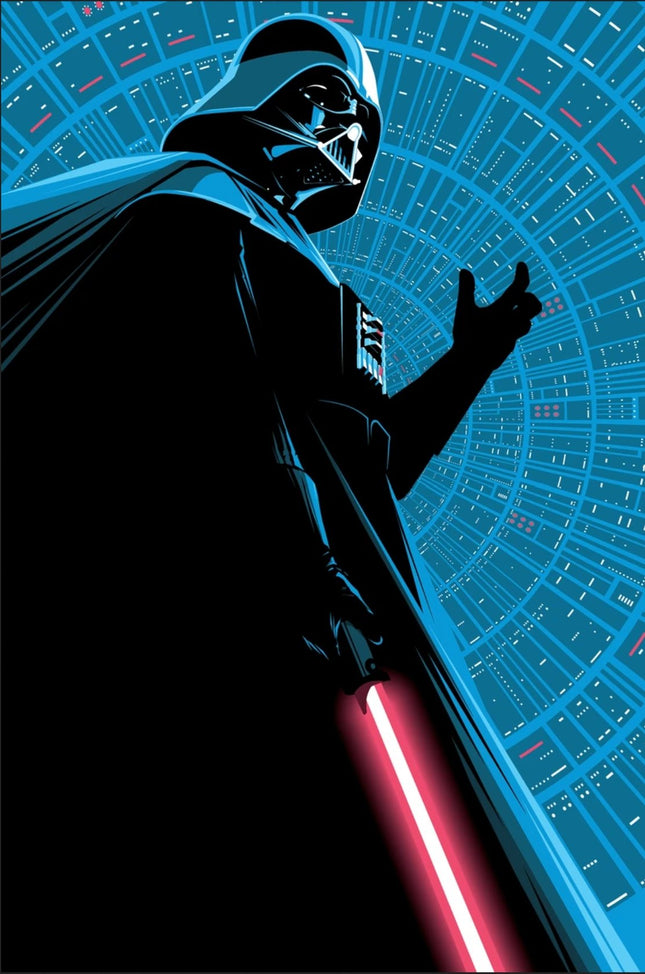
  • Vader Metal Silkscreen Print by Craig Drake

    Craig Drake Vader Metal Silkscreen Print by Craig Drake

    Vader- Metal Limited Edition 4-Color Hand-Pulled Silkscreen Print on Metal Sheet by Craig Drake Graffiti Street Artist Modern Pop Art. Darth Vader from Star Wars TV, Movies & Games on Metal Sheet.

    $352.00

Villain Graffiti Street Pop Art

The Villain Archetype in Street Pop Art and Graffiti Artwork

In the vibrant and often rebellious realms of street pop art and graffiti artwork, the figure of the villain holds a place of particular fascination. This character archetype, typically seen as an antagonist in storytelling, has been reimagined by street artists and pop artists, gaining new layers of meaning and complexity. In urban landscapes worldwide, the image of the villain is a frequent motif used to challenge, provoke, and reflect societal tensions.

Subverting Expectations Through Art

Artists have long been drawn to the villain as a subject because of the opportunity to subvert norms and upend traditional narratives. In street pop art, the villain is often celebrated for their defiance and willingness to go against the grain. This mirrors the ethos of many street artists operating outside the art world's conventional boundaries. The villain in this context is a symbol of resistance, embodying the fight against oppressive structures and the power of individual agency. Graffiti artwork further complicates the villain archetype by placing them in urban environments often seen as gritty and challenging. Here, the villain is not just a character but part of a more extensive commentary on the cityscape and its inhabitants. The walls become a canvas where the villain's story is told and retold, sometimes as a figure of menace, sometimes as a misunderstood hero, and often as a reflection of the artist's inner turmoil or societal critiques.

Iconography and Symbolism of Villains in Urban Art

The iconography of the villain in street pop art and graffiti artwork is rich and varied. These figures are depicted in countless forms, from comic book-style renderings to hyper-realistic portraits. What unites these depictions is the artists' attention to the symbolic potential of the villain. In the hands of street artists, the villain can become a stand-in for corporate greed, political corruption, or social injustice. Their faces and forms are rendered in ways that draw attention to the complexities of their character, turning them into symbols of the struggle between good and evil, power and resistance, chaos and order. The symbolism of the villain is often used to question what it means to be heroic in the modern world. Street artists like Banksy, whose real name is not publicly known due to the secretive nature of his work, have employed images of villains to turn the tables on traditional power dynamics, suggesting that there is a criminal aspect to the authorities who label street art as vandalism. This inversion of roles makes a statement about the artist's perspective on authority and encourages viewers to question their assumptions about legality, morality, and heroism.

Villains as a Reflection of Cultural Tensions

The portrayal of villains in street pop art and graffiti artwork also mirrors the cultural tensions of the time. As society grapples with issues of inequality, violence, and power, the image of the villain takes on new relevance. Through their work, the artists can critique the notion of villainy, suggesting that it is a social construct as much as a reality. They ask us to consider who is labeled as a villain and why and to recognize the humanity even in those who are demonized. Moreover, engaging with villainous figures in street art allows for a cathartic expression of frustration and dissent. It offers a way for communities to confront and exorcise the societal demons that haunt them, whether those are corrupt officials, evil capitalists, or the faceless systems of control that govern urban life. The villain archetype is a potent and multifaceted symbol within street pop art and graffiti artwork. It encapsulates the rebellious spirit of the genre and provides a vehicle for social commentary and personal expression. Through their depictions of villains, street artists challenge viewers to reconsider their preconceptions and engage with the world around them more critically and nuancedly. As street art continues to evolve and respond to the changing currents of society, the figure of the villain is sure to remain a central and provocative element of this dynamic artistic landscape.
Footer image

© 2025 Sprayed Paint Art Collection,

    • Amazon
    • American Express
    • Apple Pay
    • Bancontact
    • Diners Club
    • Discover
    • Google Pay
    • iDEAL
    • Mastercard
    • PayPal
    • Shop Pay
    • Visa

    Login

    Forgot your password?

    Don't have an account yet?
    Create account