

Villain
-
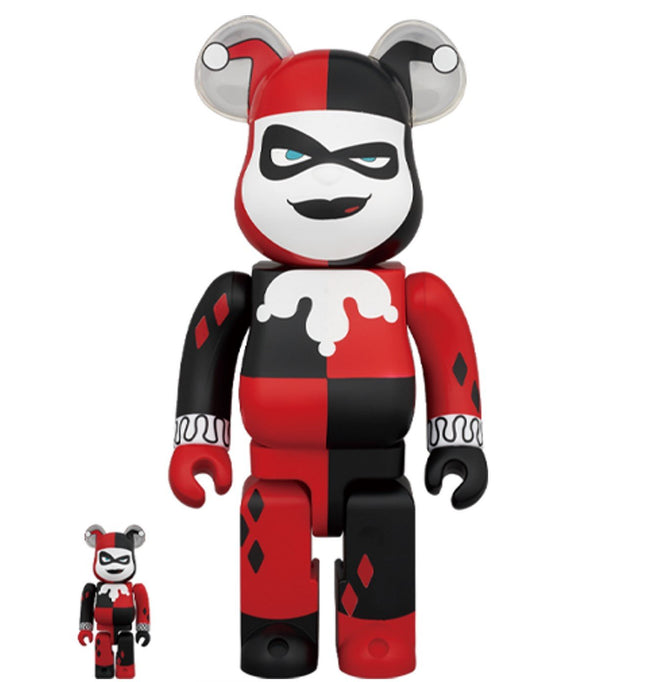
BE@RBRICK Harley Quinn Batman Animated 100% & 400% Be@rbrick
Harley Quinn Batman Animated 100% & 400% BE@RBRICK Limited Edition Vinyl Art Toy Urban Collectable Art Figures In celebration of its the 80th Anniversary of Batman, Harley Quinn gets yet another Bearbrick treatment. This time, it's based off the 1992 American animated television show, Batman: The Animated Series which was based on the original DC Comics. The show ran for three years and is now packaged as a collectable piece of art by Japanese toy powerhouse, Medicom Toy. This Bearbrick Set includes a 100% and a 400% figure and stands at 7cm and 28cm tall.
$282.00
-

Ron English- POPaganda Iron Skin Grin Battle Damage Art Toy by Ron English- POPaganda
Iron Skin Grin- Battle Damage Limited Edition Vinyl Art Toy Collectible Artwork by Artists Ron English- POPaganda x Made By Monsters 2021 Stamped/Printed Limited Edition of 500- Grin Smiley Boba Fett Star Wars with Battle Damage Colorway Pop Art Series. Displayed With Bag Ron English – Iron Skin Grin Battle Damage in Street Pop Art & Graffiti Artwork Iron Skin Grin – Battle Damage is a limited edition vinyl art toy created in 2021 by Ron English in collaboration with Made by Monsters, released as part of his larger POPaganda universe. Limited to just 500 pieces, this collectible features a stylized, battle-worn version of Boba Fett, reimagined through English’s iconic Grin series. With detailed helmet dents, bold color blocking, and the unmistakable skeletal grin visible beneath the visor, this piece fuses fan culture with subversive street aesthetics. It’s not just a figure—it’s a commentary on icon worship, war culture, and the plastic mythology of modern America, all through the lens of Street Pop Art & Graffiti Artwork. This figure belongs to Ron English’s long-running exploration of pop culture distortion. The Grin motif—a skeletal smile embedded within famous characters—is used here to deconstruct the legendary Star Wars bounty hunter. English does not merely replicate Boba Fett, he fractures him. By inserting the skull-teeth grin and painting damage onto the armor, English forces a conversation about what lies beneath the mythology of heroism and violence. It turns a beloved sci-fi figure into an eerie effigy of consumer nostalgia—and critique. Star Wars Meets Graffiti Mutant Aesthetic Street Pop Art thrives on remix culture, and Ron English’s Iron Skin Grin figure exemplifies this approach. It pulls from one of the most commercially successful narratives in American media—Star Wars—and injects it with graffiti-born irreverence and symbolic decay. The character design retains its pop appeal: clean vinyl, bold lines, slick finishes. But the injection of the Grin skull beneath the mask mutates Boba Fett into something uncanny, almost undead. The figure's sculpted dents and wear patterns mimic real combat damage, which juxtapose perfectly against the cartoonish structure and toy-grade polish. This creates tension between authenticity and illusion—between the glorified violence of media icons and the real consequences of power and identity. That’s where the graffiti logic kicks in: take what’s familiar, mark it, break it, and remake it with your own truth. Vinyl Collectibles as Subversive Street Sculpture Ron English’s vinyl toys, including Iron Skin Grin, are direct descendants of street art’s rebellious spirit. These figures are made for shelves, but they speak with the voice of murals, stencils, and tags. Each figure is essentially a 3D print of a philosophy—accessible in form, but densely layered with cultural critique. Much like a throw-up on a corporate billboard or a wheatpasted poster of a politician’s distorted face, these vinyl sculptures take dominant narratives and twist them into satire. This collectible is also part of a growing tradition where designer toys become artifacts of graffiti culture’s evolution—portable street sculptures for a post-graffiti world. Ron English, alongside artists like Sket-One and KAWS (Brian Donnelly), helped shape this fusion between character design, political parody, and collectible art, showing that street-level energy can thrive within manufactured form factors. POPaganda and the Weaponized Smile The Iron Skin Grin – Battle Damage figure is deeply embedded in Ron English’s POPaganda series—his personal art universe where capitalism, consumerism, and pop mythology are both celebrated and deconstructed. The Grin characters are central to this universe, each one a cracked mask that reveals the hollow laughter beneath American pop culture. By giving Boba Fett the Grin, English rewires the character’s mystique into something more sinister: a consumer product shaped by violence, nostalgia, and the endless hunger of fandom. This makes Iron Skin Grin more than a toy. It’s a miniature revolution—a physical embodiment of Street Pop Art & Graffiti Artwork’s mission to expose the glossy surfaces of culture and show what’s really grinning underneath. Through this vinyl figure, Ron English again proves that subversion can wear armor, carry a blaster, and still smirk at the system that made it legendary.
$450.00