


Villain
-

Mike Mitchell Just Like Us AP Modok Marvel Giclee Print by Mike Mitchell
Just Like Us AP Modok Marvel Limited Edition Giclee Print on Fine Art Paper by Mike Mitchell counter-culture street artist art. Artist Proof 2014 Signed & Marked AP Artwork Size 8x10 Modok Flying Ninja Kick From Mondo x Marvel Giclee Print by Mike Mitchell Just Like Us AP Modok Marvel in Street Pop Art & Graffiti Artwork Just Like Us AP Modok Marvel by Mike Mitchell is a vibrant and humorous take on one of Marvel’s most bizarre villains. Released as an artist proof in 2014, this limited edition giclee print is a part of Mitchell’s Just Like Us series, where he reimagines pop culture characters with a satirical twist. The 8x10-inch print captures Modok in an exaggerated, cartoonish style, blending the aesthetics of street pop art and graffiti artwork with Mitchell’s signature wit. The Playful Depiction of Modok Modok, originally created by Marvel Comics, is known for his oversized head, cybernetic enhancements, and menacing presence as a villain. However, in this rendition, Mitchell strips away the character’s intimidation and replaces it with an almost comedic charm. With his exaggerated scowl, tiny limbs flailing, and jet thrusters propelling him forward, Modok appears more like a frustrated child than a super-intelligent conqueror. Mitchell’s work thrives on taking characters out of their usual contexts and presenting them in everyday or absurd scenarios. By portraying Modok in a moment of exaggerated movement, he transforms the typically sinister character into something amusing and relatable. The smooth, bold outlines and flat color application echo the aesthetics of classic comic books, reinforcing the nostalgic appeal that is a common theme in street pop art and graffiti artwork. Stylistic Influence and Cultural Commentary Just Like Us AP Modok Marvel is a testament to how street pop art reinterprets cultural icons. The piece follows a visual style that is reminiscent of vintage cartoons, merging elements of comic book art with modern design sensibilities. The warm, sepia-toned background enhances the retro feel, making the character stand out while grounding the piece in a nostalgic atmosphere. Mitchell’s ability to distill a character to its essential traits while injecting humor speaks to the nature of pop art and its relationship with consumer culture. Street pop art often challenges the way people perceive familiar imagery by presenting it in unexpected ways. In this case, Modok’s usual air of power is undercut by his goofy expression and frantic movements, making him appear more human than machine. This transformation not only adds comedic value but also invites the audience to rethink their relationship with pop culture figures. The Just Like Us Series and Its Impact The Just Like Us series by Mike Mitchell is widely regarded for its playful reinterpretations of beloved characters. The collection features numerous icons from movies, comics, and television, each depicted in a way that makes them seem more relatable or absurdly mundane. By placing extraordinary characters in humorous or everyday situations, Mitchell strips them of their larger-than-life personas and reminds viewers of the inherent absurdity in many fictional narratives. In the world of street pop art and graffiti artwork, where parody and satire are common tools, Mitchell’s approach resonates with both collectors and casual fans. His work captures the joy of fandom while simultaneously poking fun at the exaggerated traits that define these characters. Just Like Us AP Modok Marvel fits seamlessly into this artistic ethos, proving that even the most powerful supervillains can be reduced to amusing caricatures. Why Just Like Us AP Modok Marvel Stands Out This limited-edition print continues to be sought after by fans of both street pop art and Marvel Comics. The combination of crisp digital illustration, bold color choices, and a humorous reimagining of a classic villain ensures that the piece remains an engaging and conversation-starting addition to any collection. Mitchell’s ability to bring out the absurdity in well-known characters while maintaining a high level of artistic craftsmanship is what makes this work so compelling. It bridges the gap between comic book culture and the fine art world, demonstrating how street pop art can be both fun and thought-provoking. Just Like Us AP Modok Marvel exemplifies how artists like Mike Mitchell continue to redefine the boundaries of contemporary art by transforming pop culture into something fresh, unexpected, and undeniably entertaining.
$194.00
-
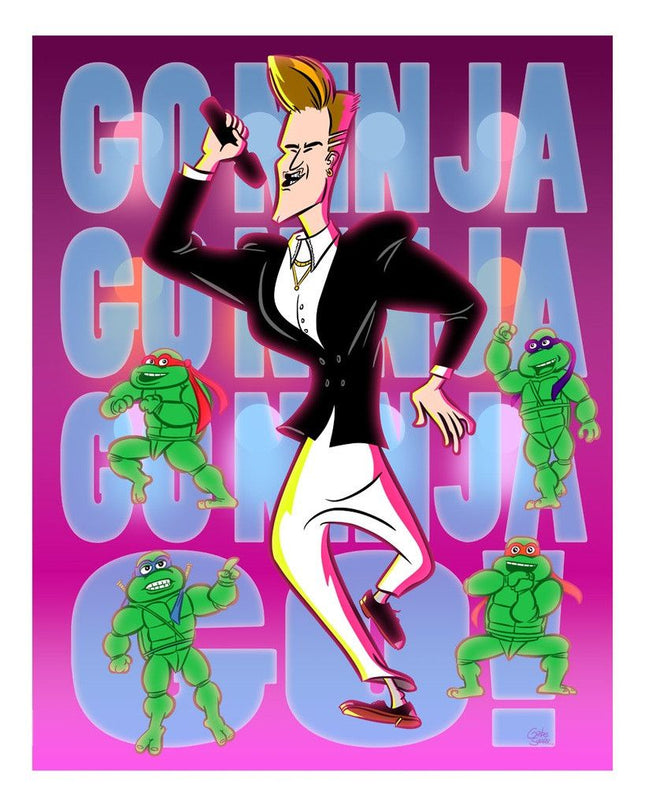
Gabe Swarr Go Ninja! Giclee Print by Gabe Swarr
Go Ninja! Limited Edition Giclee Print on Fine Art Paper by Gabe Swarr counter-culture street artist art. TMNT Teenage Mutant Ninja Turtles Vanilla Ice movie-inspired crossover.
$103.00
-
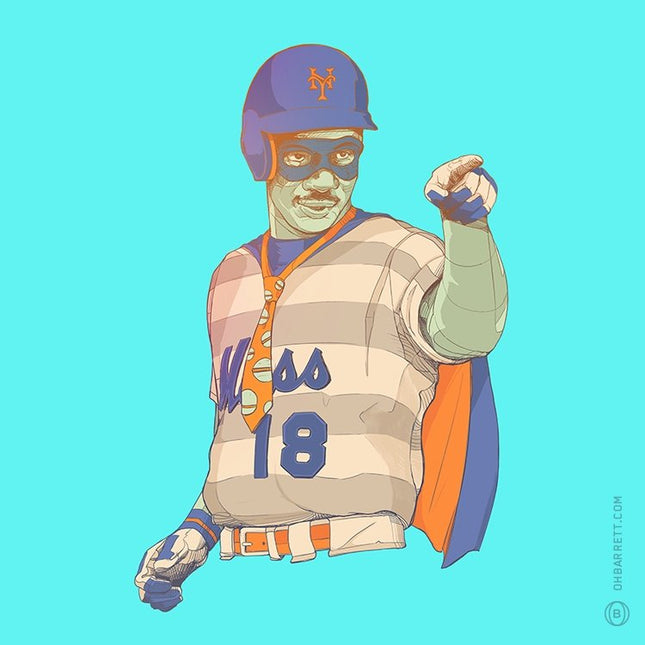
Oliver Barrett Baseball Jerks Darryl Strawberry Giclee Print by Oliver Barrett
Baseball Jerks- Darryl Strawberry Limited Edition Giclee Print on Fine Art Paper by Oliver Barrett Dystopian Street Art Pop Artwork Artist. 8″ x 8″ giclee, have editions of 20, Signed & Numbered 2014. Featuring Famous MLB Sports Baseball Players In Macarbe Ways.
$103.00
-

Mike Mitchell Kraven Marvel Playday Giclee Print by Mike Mitchell
Kraven Marvel Playday Limited Edition Giclee Print on Fine Art Paper by Mike Mitchell counter-culture street artist art. 2014 Signed & Numbered Limited edition of 170 Artwork Size 8x10 Kraven at Playground From Mondo x Marvel Giclee Print by Mike Mitchell Kraven at Playground Giclee Print by Mike Mitchell: A Unique Take on Street Pop Art & Graffiti Artwork Mike Mitchell’s Kraven at Playground Giclee Print is a playful and subversive take on a well-known character from Marvel Comics. Released in 2014 as part of the Mondo x Marvel series, this 8x10-inch signed and numbered limited edition of 170 exemplifies the artist’s distinctive ability to blend pop culture with humor and satire. Known for his ability to reimagine iconic figures in unexpected ways, Mitchell presents Kraven the Hunter in a completely new light, reinforcing the intersection of Street Pop Art & Graffiti Artwork with contemporary illustration. Reimagining Kraven with Humor and Playfulness Kraven the Hunter has long been depicted as one of Spider-Man’s most dangerous foes, known for his ferocity and intense physical prowess. However, Mitchell’s rendition transforms this otherwise intimidating character into a humorous and almost childlike version of himself. Rather than appearing in his usual menacing stance, he is shown riding a playground spring toy shaped like a tiger, his face expressing exaggerated determination and bravado. This shift from the character’s usual depiction highlights Mitchell’s ability to deconstruct established narratives and present them in a way that both engages and entertains. The contrast between Kraven’s traditionally fierce persona and the innocent, almost ridiculous setting serves as a commentary on the nature of heroism, villainy, and pop culture mythology. By placing such a dominant figure in a childlike scenario, Mitchell encourages the viewer to rethink preconceived notions about characters who have been defined by years of storytelling. Artistic Style and Execution Mitchell’s clean lines and rich, warm color palette are hallmarks of his artistic style. The print’s cartoonish aesthetic is enhanced by the use of subtle shading and textural elements, making it feel both polished and approachable. The exaggerated facial expressions, simplified forms, and precise use of negative space contribute to the overall charm of the piece, making it a standout within his portfolio. The choice of giclee printing ensures that every detail is captured with high fidelity. Known for its superior color accuracy and durability, this printing technique allows the artwork’s warm tones and fine details to remain sharp and vibrant. The limited-edition nature of the piece further adds to its desirability among collectors of Street Pop Art & Graffiti Artwork. The Impact of Mike Mitchell’s Pop Culture Portraits Mitchell has developed a reputation for creating art that reinterprets pop culture in a way that is both nostalgic and refreshingly irreverent. His work, often celebrated in galleries and exhibitions, strikes a balance between humor, critique, and visual storytelling. Through his Mondo x Marvel series, he has reimagined countless characters in ways that challenge traditional portrayals while maintaining a deep respect for their histories. Kraven at Playground is a perfect example of how Mitchell transforms well-known characters into something new and unexpected. This piece, much like his broader body of work, reminds audiences that art is not just about replicating familiar images but about reinterpreting them in ways that add new layers of meaning. By placing a legendary villain in such an absurdly playful context, Mitchell delivers a piece that is both humorous and deeply insightful. Collectors of Street Pop Art & Graffiti Artwork will appreciate this print for its originality, technical precision, and undeniable charm. It captures the essence of Mitchell’s artistic philosophy—blending pop culture with wit, nostalgia, and an unmistakable sense of fun.
$97.00