Vinyl Art Toys

1 artwork

  • Sale -15% He-Man & Battle Cat MOTU Art Toy Sculpture by Madsaki

    Madsaki He-Man & Battle Cat MOTU Art Toy Sculpture by Madsaki

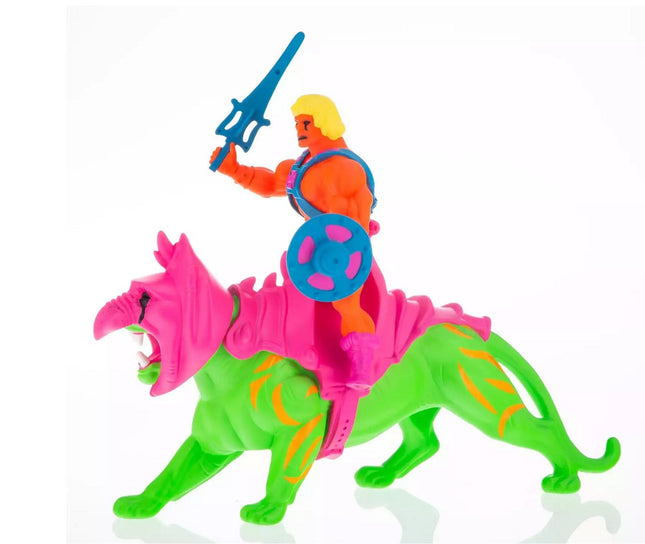
    He-Man & Battle Cat Limited Edition Vinyl Art Toy Collectible Artwork by street graffiti artist Madsaki x MOTU. 2020 Madsaki and Mattel Creations teamed up to create these exclusive Madsaki x Masters of the Universe HE-MAN and BATTLE CAT Figures. The sculpture stands 16.75 inches tall. MADSAKI and MATTEL CREATIONS team up to create this exclusive and iconic drop-a scaled down re-creation of the larger-than-life HE-MAN® and BATTLE CAT® sculpture that turned the heads of fans and art critics alike as a centerpiece of MADSAKI'S "1984" solo exhibition at Tokyo's Kaikai Kiki Gallery in 2020. Measuring 17 inches tall and sculpted in an 80's cartoon style with a spray of jaw dropping modern-day street-style graffiti artwork, we proudly présent the most famous hero in all of Eternia", HE-MAN and the ferocious BATTLE CAT® in a manner that truly blurs the lines between toy and art masterpiece. Each sculpture includes a hand-signed certificate of authenticity from MADSAKI as well as white gloves to better care for your art piece. Displayed With Box MADSAKI x MOTU – He-Man & Battle Cat in Street Pop Art & Graffiti Artwork The He-Man & Battle Cat limited edition vinyl sculpture by MADSAKI, produced in collaboration with Mattel Creations in 2020, is a vivid collision of nostalgia, pop culture, and urban rebellion—an unmistakable contribution to the world of Street Pop Art & Graffiti Artwork. Originally unveiled as a centerpiece at MADSAKI’s 1984 solo exhibition at Tokyo’s Kaikai Kiki Gallery, this scaled-down 17-inch version captures the wild energy of its monumental counterpart while delivering a high-octane dose of '80s cartoon absurdity, rendered in riotous color and graffiti-style flair. With fluorescent green, electric pink, and piercing orange as the dominant palette, the piece transforms two of the most iconic characters from the Masters of the Universe franchise—He-Man and Battle Cat—into contemporary street art figures. Far from being a simple homage, MADSAKI’s version reimagines the figures as avatars of pop mythology filtered through a graffiti artist’s eye. The weaponry, armor, and pose remain true to the original animation aesthetics, but the exaggerated colors and chaotic paint styling push this artwork into a new domain where fine art, vinyl collectible, and graffiti sensibility coexist. Nostalgia Weaponized in Urban Neon MADSAKI’s approach is rooted in remix culture, a cornerstone of Street Pop Art. By appropriating the visual language of childhood—He-Man being one of the most recognized animated heroes of the 1980s—and subjecting it to the visual distortion of neon saturation and aggressive outlines, he elevates kitsch into critique. This isn't just about remembering Saturday morning cartoons. It’s about weaponizing those memories and examining how commercial entertainment shaped identity, masculinity, and fantasy in late capitalist culture. Battle Cat, usually a symbol of strength and raw primal energy, becomes a neon-soaked beast of postmodern absurdity, outfitted in shocking pink and radioactive green. MADSAKI transforms him from a beast of war into a graffiti-coded monument of cultural excess. He-Man, still holding his power sword aloft, looks less like a heroic defender and more like a psychedelic gladiator from the subconscious of a street artist raised on VHS and irony. From Canvas to Vinyl: MADSAKI's Street Pop Mutation MADSAKI is no stranger to remixing icons. Known for his drippy-eyed renditions of Western masterpieces and manga figures, he blends Japanese street sensibilities with New York-style graffiti lineage. His transition into vinyl sculpture with Mattel represents the natural evolution of Street Pop Art—where the gallery wall meets the collectible shelf, and where nostalgia is no longer passive but radicalized. This figure blurs lines between sculpture and street installation. The color choices mimic spray can aesthetics, and the glossy surfaces echo the polish of vinyl murals and toy design. Like KAWS, Sket-One, or Ron English, MADSAKI proves that sculptural vinyl can be a medium of confrontation—not just consumption. The figure comes with a hand-signed certificate and gloves for display, reinforcing its identity as both an artwork and a cultural artifact. MADSAKI’s Place in the Graffiti-Pop Canon MADSAKI’s He-Man & Battle Cat is a definitive artifact of modern Street Pop Art & Graffiti Artwork. It combines satire, technical precision, collectible appeal, and cultural critique. Rather than separating art from toy or low from high, MADSAKI merges all categories into one ferocious drop that challenges the viewer’s nostalgia and their assumptions about what constitutes fine art. This sculpture is not simply fan service—it’s subversion. It transforms childhood heroes into fluorescent avatars of postmodern identity, rendered in the chromatic chaos of graffiti language. By injecting the streets into the plastic skin of global pop icons, MADSAKI cements his place among the artists reshaping visual culture one spray, sculpt, and scream at a time.

    $4,500.00 $3,825.00

Vinyl Art Toy Graffiti Street Pop Artwork

The Emergence of Vinyl Art Toys in Contemporary Art

Vinyl Art Toys have burgeoned into the contemporary art scene, establishing a novel platform for expressing pop culture and street aesthetics. Initially perceived as mere playthings, these objects have transcended their status to become significant artifacts within the domains of Pop Art, Street Art, and Graffiti Artwork. Artists and designers have adopted vinyl as a medium to bring the rebellious spirit and bold visuals from the streets into a tangible form, often infusing these toys with a sense of irony, satire, and a commentary on consumer culture. The inception of Vinyl Art Toys marked a shift in artistic paradigms, challenging traditional notions of what constitutes art. These toys, with their roots in the commercial and the mundane, have been transformed through the artistic process into coveted collectibles. The movement gained momentum in the late 20th century as artists began to recognize the potential of vinyl toys to serve as canvases for their work. This shift coincided with the rise of urban street culture, where the ethos of accessibility and subversion found a natural ally in the design and production of Vinyl Art Toys. Vinyl art or designer toys are collectible figurines made of vinyl or other materials. Artists typically design and produce them in limited quantities, often with unique or highly detailed designs that appeal to collectors. Vinyl art toys have their roots in the underground art scene of the 1990s when artists began producing small-run sculptures and figures that blended pop culture references with original designs. Since then, the genre has grown in popularity and complexity, with many artists and companies specializing in producing vinyl art toys. Some popular vinyl art toy brands include Kidrobot, Medicom Toy, and Funko, and many artists have gained fame and recognition for their work in the medium. Collectors often display their vinyl art toys in elaborate setups or dioramas, and the toys can range in size from just a few inches to several feet tall.

The intersection of Vinyl Art Toys with Street Pop Art and Graffiti

The intersection of Vinyl Art Toys with Street Pop Art and Graffiti has been particularly impactful, opening up new avenues for artists to reach audiences. By appropriating the visual language of street art—its bold lines, vivid colors, and graphic iconography—artists have endowed these toys with a new aesthetic value. Street artists, traditionally accustomed to working on walls and public spaces, have embraced the opportunity to create three-dimensional works that can interact with viewers on a personal level. These toys often represent an artist's more extensive work, making art accessible to those who might not frequent galleries or museums. Moreover, vinyl's portable and durable nature has allowed for the dissemination of street art beyond its geographic confines, enabling these works to travel and be experienced globally. This aspect has been crucial in increasing street art's popularity and democratizing how art is viewed and collected. Vinyl art toys have become increasingly popular, with collectors and fans worldwide seeking out the latest releases and rarest designs. Some of the most sought-after vinyl art toys can command high prices on the secondary market, with limited-edition runs and collaborations often being the most valuable. One reason vinyl art toys are popular is their unique and eye-catching designs. Many artists use the medium to explore themes and motifs that may be impossible with other materials, creating visually striking and conceptually exciting figures. Vinyl art toys can also be customized or painted by individual artists or fans, adding a layer of personalization and creativity to the hobby. Another factor in the rise of vinyl art toys is their collectability. Limited edition runs and unique collaborations can create a sense of exclusivity and urgency among collectors, driving demand and increasing the value of individual pieces. Many vinyl art toy collectors participate in online forums, social media groups, and conventions to connect with other fans and exchange tips, advice, and information about upcoming releases. Vinyl art toys come in various styles, from cute and whimsical to dark and edgy, and often draw inspiration from popular culture, fashion, and street art. Some designers and companies collaborate with famous brands, artists, or characters, creating limited edition or one-of-a-kind pieces that can become highly sought-after among collectors. 

Vinyl Art Toys as a Platform for Cultural Commentary

Vinyl Art Toys have become a platform for cultural commentary, allowing artists to explore and critique various aspects of society. The playful nature of toys juxtaposed with serious themes often found in street art creates a powerful contrast that can provoke thought and discussion. Whether addressing issues of consumerism, politics, or social justice, artists utilize the innocuous form of the toy to subvert expectations and challenge viewers to engage with the underlying messages. In an age dominated by digital media, Vinyl Art Toys stand out as physical objects that can be owned, displayed, and interacted with, offering a counterpoint to the transient nature of digital art forms. They encapsulate the DIY spirit of street art, with many artists involved in the entire process, from concept to production. This hands-on approach ensures that each piece retains a sense of individuality and authenticity, critical attributes valued in both the art toy and street art communities. The production process of vinyl art toys typically involves creating a sculpt or model of the design, which is then used to create a mold. The mold is then filled with liquid vinyl, which hardens to create the final product. Some vinyl art toys also include additional features, such as articulation or accessories, that can increase their appeal to collectors. In addition to their artistic and collectible value, vinyl art toys can also have social and cultural significance. Some artists and designers use vinyl art toys to comment on or critique social issues or celebrate aspects of their own identity or community. For example, some vinyl art toys celebrate the LGBTQ+ community, while others explore themes of mental health, environmentalism, or political activism. Vinyl art toys have become a global phenomenon that bridges art, design, and pop culture, inspiring creativity and passion among collectors and enthusiasts worldwide. Whether displayed on a shelf, used in a diorama, or customized to reflect a personal vision, vinyl art toys offer a unique and exciting way to explore contemporary art and design boundaries.

Collectibility and the Future of Vinyl Art Toys

The collectibility of Vinyl Art Toys has surged, with enthusiasts and collectors often waiting in long lines or participating in online drops for limited edition releases. This phenomenon has spawned a vibrant secondary market, with rare pieces fetching high prices at auction. The value of these toys extends beyond their material worth, representing a slice of the cultural zeitgeist and often serving as a physical connection to the artist who created them. As the art world continues to evolve, Vinyl Art Toys are poised to play an increasingly significant role. They offer a unique intersection of art and commerce, individual expression and mass production, street culture, and mainstream acceptance. The future of these toys is likely to see further collaborations between artists, toy companies, and cultural institutions, expanding the reach and significance of this dynamic art form. In essence, Vinyl Art Toys represent the ongoing dynamism of art, its ability to adapt, and its relentless pursuit of new forms of expression. They embody the spirit of Street Pop Art and Graffiti Artwork, encapsulating the narratives and aesthetics of these movements in a compact, collectible format. As the appreciation for Vinyl Art Toys grows, so does the recognition of their place in the broader tapestry of contemporary art.
Footer image

© 2025 Sprayed Paint Art Collection,

    • Amazon
    • American Express
    • Apple Pay
    • Bancontact
    • Diners Club
    • Discover
    • Google Pay
    • iDEAL
    • Mastercard
    • PayPal
    • Shop Pay
    • Visa

    Login

    Forgot your password?

    Don't have an account yet?
    Create account