
Weapon
-
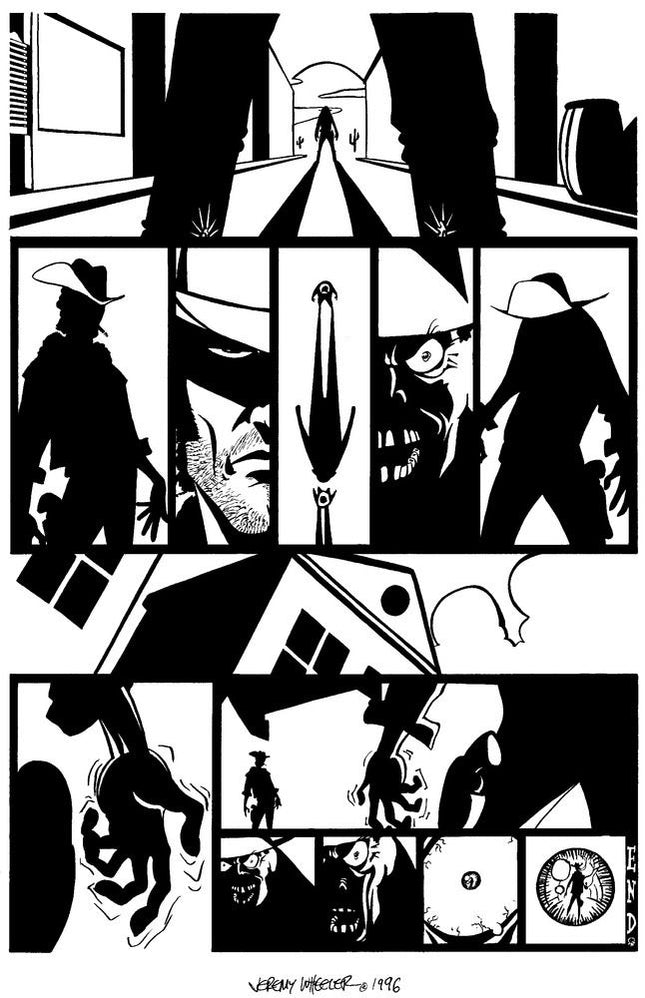
Jeremy Wheeler Western Silkscreen Print by Jeremy Wheeler
Western Limited Edition 1-Color Hand-Pulled Silkscreen Print on Fine Art Paper by Jeremy Wheeler Graffiti Street Artist Modern Pop Art. Western by Jeremy Wheeler- A comic book-like story panel depicts the scene from a Western movie in which two gunfighters prepare to fight. Limited edition silkscreen art print artwork by famous artist Jeremy Wheeler.
$103.00
-
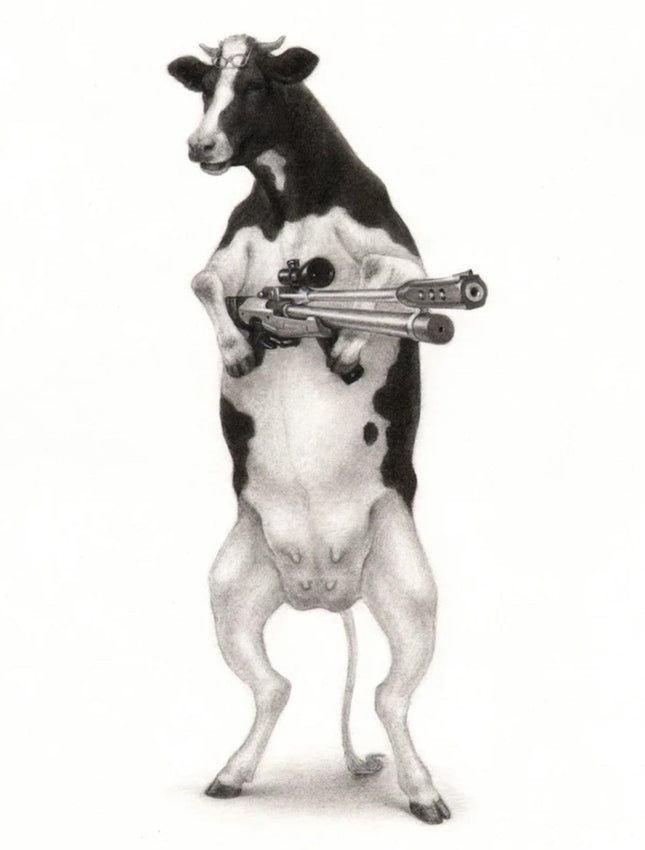
Xiau-Fong Wee Moooo Giclee Print by Xiau-Fong Wee
Moooo Artwork Giclee Limited Edition Print on Fine Art Paper by Pop Culture Graffiti Artist Xiau-Fong Wee. Xiau-Fong Wee - "Moooo" limited edition fine art giclee print edition of 40 copies signed and numbered
$103.00
-
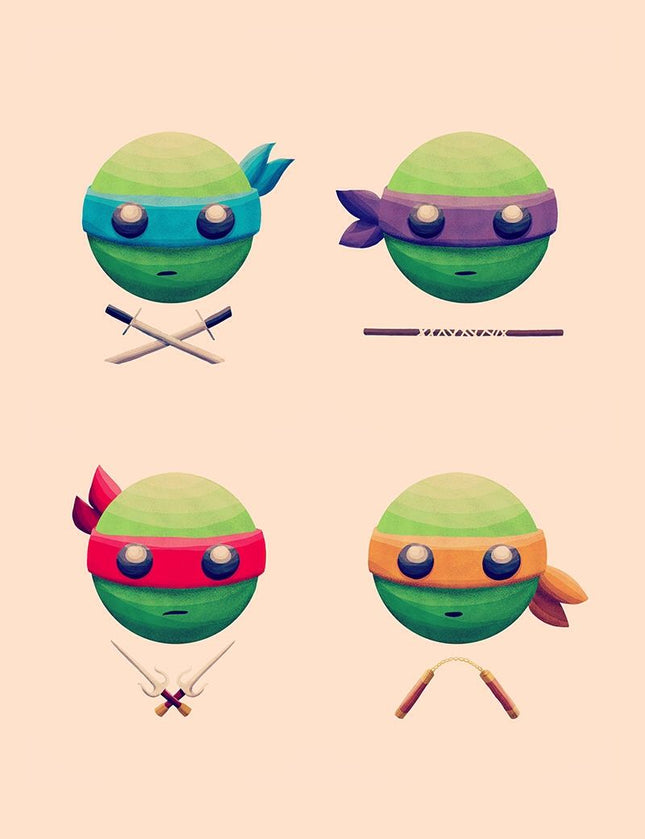
Nan Lawson Teenage Mutant Ninja Turtles Archival Print by Nan Lawson
Teenage Mutant Ninja Turtles Archival Pigment Fine Art Limited Edition Print on Fine Art Paper by Artist Nan Lawson, Street Pop Art Graffiti Legend. Signed, Dated, Numbered 2014 Limited Edition of 30
$103.00
-
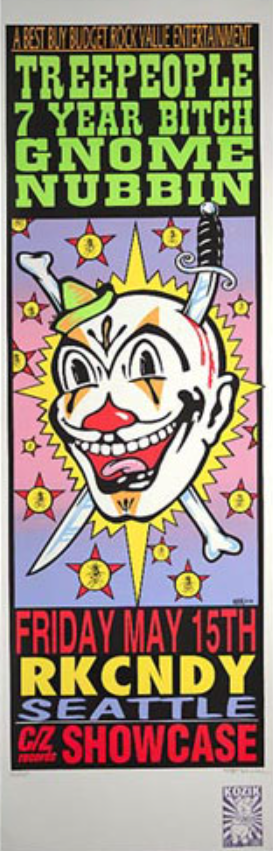
Frank Kozik Treepeople 7 Year Bitch Gnome Nubbin 1992 Seattle WA Silkscreen Print by Frank Kozik
Treepeople 7-Year Bitch Gnome Nubbin 1992 Seattle WA Silkscreen Print by Frank Kozik Hand-Pulled on Fine Art Paper Limited Edition Pop Street Art Artwork. 1992 Signed by Kozik & Numbered Limited Edition of 250 Artwork Size 11x35 Silkscreen Print Band Gig Poster by Frank Kozik. Treepeople 7 Year Bitch Gnome Nubbin RKCNDY Seattle Washington 5-15-1992 In the vibrant landscape of early 90s pop culture, Frank Kozik's "Treepeople 7-Year Bitch Gnome Nubbin" silkscreen print emerges as a vivid artifact of the era's music scene, particularly that of Seattle, Washington. Dated May 15, 1992, and designed for a concert at the now-legendary venue RKCNDY, the poster represents a visual symphony of the zeitgeist, highlighting the grit and raw energy that defined the grunge movement. This hand-pulled print on fine art paper is a limited edition, with Kozik signing and numbering each of the 250 pieces, underscoring the exclusivity and cultural value of the work. With its size stretching to an impressive 11x35 inches, the artwork presents a striking design that embodies the anarchic spirit associated with Kozik's work and the music of the featured bands—Treepeople, 7 Year Bitch, Gnome, and Nubbin. The central figure in the print is a clown-like character, a recurring motif in Kozik's work, which often blends the grotesque with the whimsical. The figure's exaggerated features and the explosion of colors around it create a sense of celebration and parody, a duality that often permeates street art. Such pieces are more than mere promotional items; they are snapshots of a cultural moment. They reflect the aesthetic and ethos of the underground music scenes of the time, where the visual art was as much a part of the experience as the music itself. Kozik's prints, like this one, connect the energy of live performances with the tangible world of art collecting, offering fans a piece of history that encapsulates the sound, mood, and rebellion of the period. The poster's inclusion in the annals of pop, street, and graffiti art is undeniable. It captures the do-it-yourself essence and the anti-establishment stance that the visual and musical arts expressed during the early nineties. For collectors and enthusiasts alike, it stands not just as a piece of memorabilia but as a symbolic work that continues to influence the aesthetic trajectories of street and pop art to this day.
$384.00
-
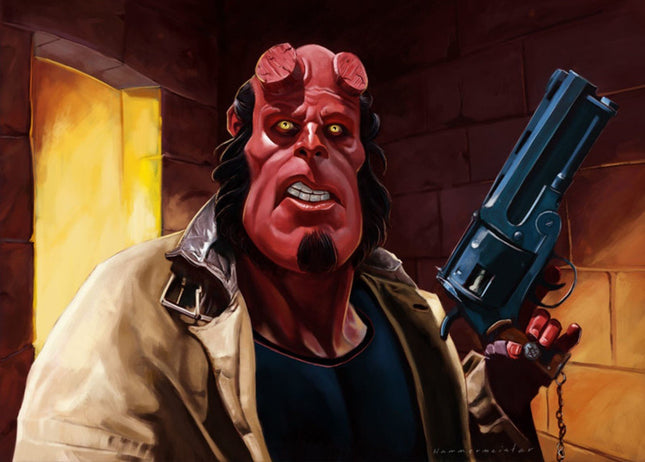
Mark Hammermeister Hellboy Giclee Print by Mark Hammermeister
Hellboy Artwork Giclee Limited Edition Print on Glossy Fine Art Paper by Pop Culture Graffiti Artist Mark Hammermeister.
$134.00
-
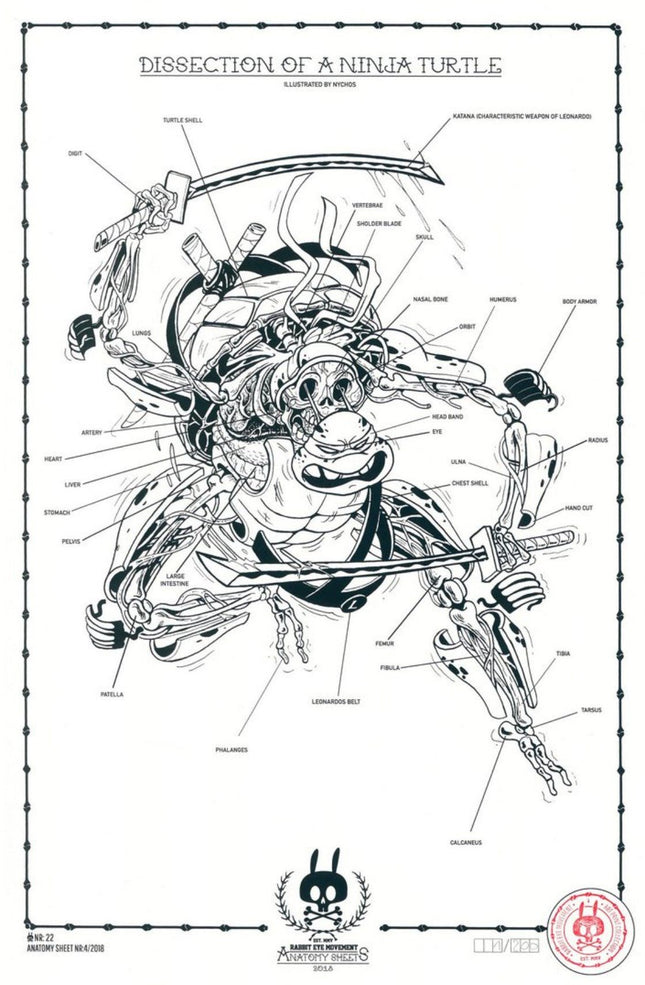
Nychos Dissection of Ninja Turtle Anatomy Sheet No 22 Silkscreen Print by Nychos
Dissection of Ninja Turtle- Anatomy Sheet No 22 Hand-Pulled 1-Color Limited Edition Silkscreen Print on 300gsm Munken Pure Paper by Medical Pop Artist Nychos. 2018 Signed & Numbered Limited Edition of 200 11x17 Illustrated by NYCHOS 1-color Screen Print on 300 g/m² Munken Pure Paper Size: 11 x 17 Inches / 27,94 x 43,18 cm Limited Edition of 200 Year: 2018 Imprint & stamp of authenticity Numbered and signed by the artist The REM Anatomy Sheets focus on the anatomy of pop culture cartoon characters. In this new collection of black and white limited edition screenprints, Nychos lets the viewer engage with details of the anatomy of toons.
$217.00
-
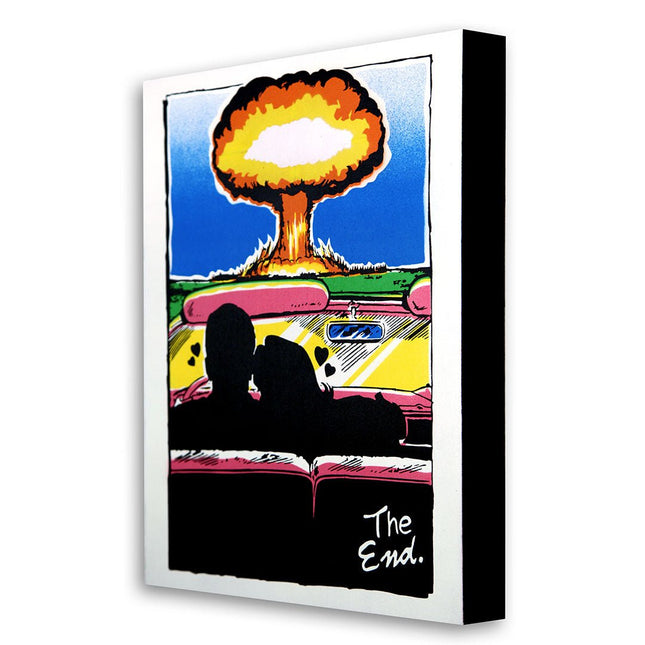
Denial- Daniel Bombardier The End of the End- Mini HPM Stencil Print by Denial- Daniel Bombardier
The End of the End- Mini, Part of the True Facts Mini Multiple Series Original Hand-Painted Multiple (HPM) on Wood Cradled Panel ready to hang by Denial Graffiti Street Artist Modern Pop Art. 2020 Signed & Numbered HPM Limited Edition of 20 Artwork Size 24x36 "My work speaks of impending doom and a lot of crass sinister themes, but that should not mean I desire this to happen at all. I hope my work would suggest only the opposite: to show the ridiculousness of it all and how we may find better solutions for the future." -Denial The End of the End Mini by Denial: Love, Apocalypse, and Satire in Street Pop Art & Graffiti Artwork The End of the End Mini is a 2020 hand-painted multiple by Canadian artist Denial, known for his fusion of satire, iconography, and subversive wit. Created as part of the True Facts Mini Multiple Series, this piece measures 24 x 36 inches and is produced on a wood cradled panel, ready to hang. Each edition in the set is an original HPM—hand-painted multiple—offering unique brushwork and embellishment over a consistent base print. Limited to 20 signed and numbered pieces, the work presents a silhouetted couple locked in a romantic embrace within a car as they overlook a mushroom cloud detonating in the distance. The scene closes with a stylized handwritten caption that simply reads The End, suggesting finality with a mix of tragedy and humor. This darkly comic juxtaposition is a hallmark of Denial’s work, perfectly situated within the visual terrain of Street Pop Art & Graffiti Artwork. Nuclear Romance and Comedic Catastrophe The imagery in The End of the End Mini plays with retro cartoon styling and Cold War era fears, placing symbols of youthful romance—vintage cars, scenic overlooks, date-night silhouettes—alongside the icon of global annihilation: the mushroom cloud. The bomb blast, rendered in vivid oranges and yellows, contrasts with the blue sky and lush green horizon, creating an unnervingly cheerful palette for a scene of planetary extinction. The couple remains indifferent, lost in their affection, suggesting either complete detachment or ironic defiance. In Street Pop Art & Graffiti Artwork, such combinations expose the contradictions in cultural storytelling, where romance and violence are often sold in the same breath. Denial uses this absurd pairing not to promote nihilism, but to provoke reflection on how society trivializes catastrophe through media and myth. Material Detail and Collector Format Each panel is painted on cradled wood, offering dimensionality and presence beyond a flat print. The edges are blacked out to create a framed effect, giving the work an object-like quality suited for both contemporary art installations and personal collections. The base image is screen printed in sharp graphic tones, but each edition is uniquely treated with hand-applied paint, drips, smears, and marks that personalize the piece. This makes every version of The End of the End Mini a singular artwork despite its shared motif. The limited edition of 20 increases its desirability within both pop art and street art collector communities, where originality and scarcity fuel long-term interest. Denial’s Role in Contemporary Satirical Expression Denial, born Daniel Bombardier, is an artist from Windsor, Ontario whose work critiques consumer culture, social absurdity, and media manipulation through a visual language rooted in propaganda design and street aesthetics. With a background in graffiti and billboard alteration, Denial transforms familiar formats—comic strips, advertising, political signage—into layered visual riddles. The End of the End Mini belongs to this ongoing narrative, using humor and horror to illustrate human contradiction. The work doesn’t encourage hopelessness but rather highlights the ridiculous normalization of disaster in pop imagery. It’s a moment frozen in beautiful denial, where intimacy and destruction merge under a blue sky, daring viewers to laugh, gasp, and rethink what they celebrate and what they ignore. In the lexicon of Street Pop Art & Graffiti Artwork, it is a postcard from the absurd future disguised as now.
$954.00
-
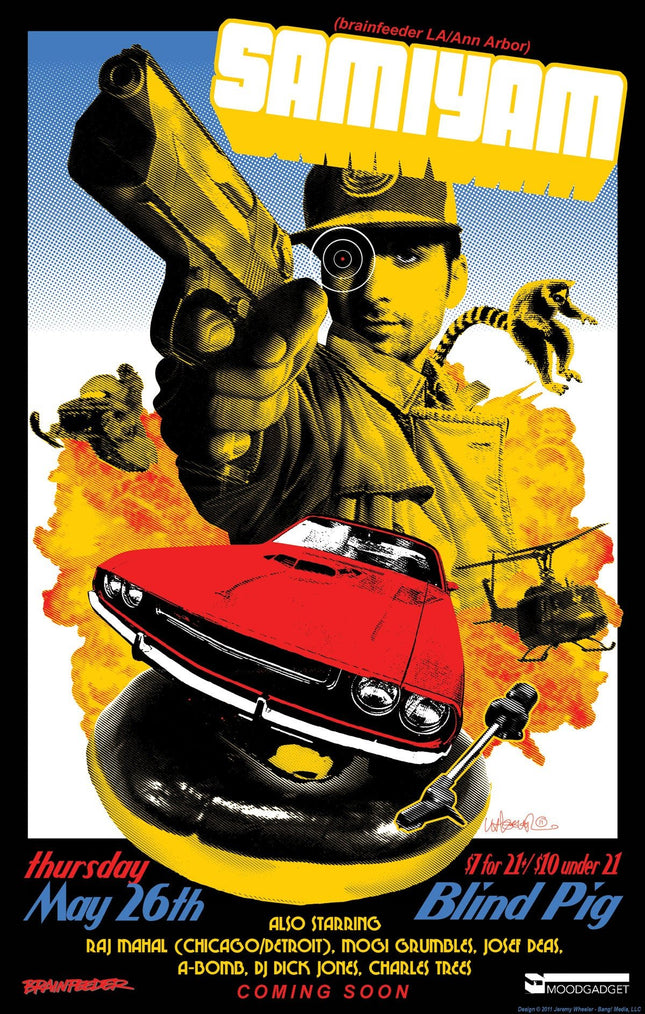
Jeremy Wheeler Samiyam The Blind Pig 2011 Silkscreen Print by Jeremy Wheeler
Samiyam- The Blind Pig 2011 Limited Edition 6-Color Hand-Pulled Silkscreen Print on Fine Art Paper by Jeremy Wheeler Graffiti Street Artist Modern Pop Art. Samiyam, Raj Mahal, Mogi Grumbles, Josef Deas, A Bomb, DJ Dick Jones, Charles Trees at The Blind Pig on May 26th 2011
$103.00
-
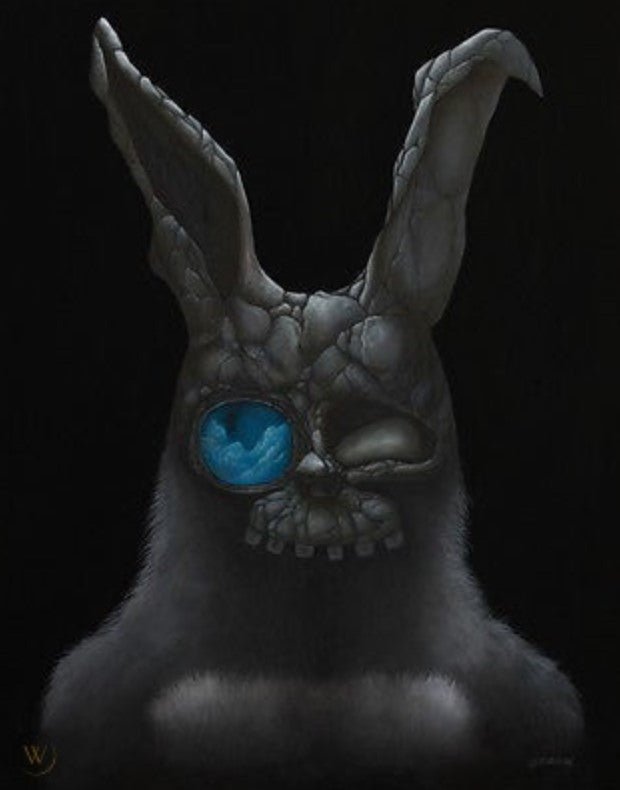
Graham Curran Mad World Giclee Print by Graham Curran
Mad World Artwork Giclee Limited Edition Print on 300 GSM Certified Archival Paper by Pop Culture Graffiti Artist Graham Curran. Graham Curran titled "Mad World," inspired by the movie Donnie Darko. Measures 11" x 14", and printed on 300 GSM Certified Archival Paper. Signed by the artist and hand-numbered.
$217.00
-
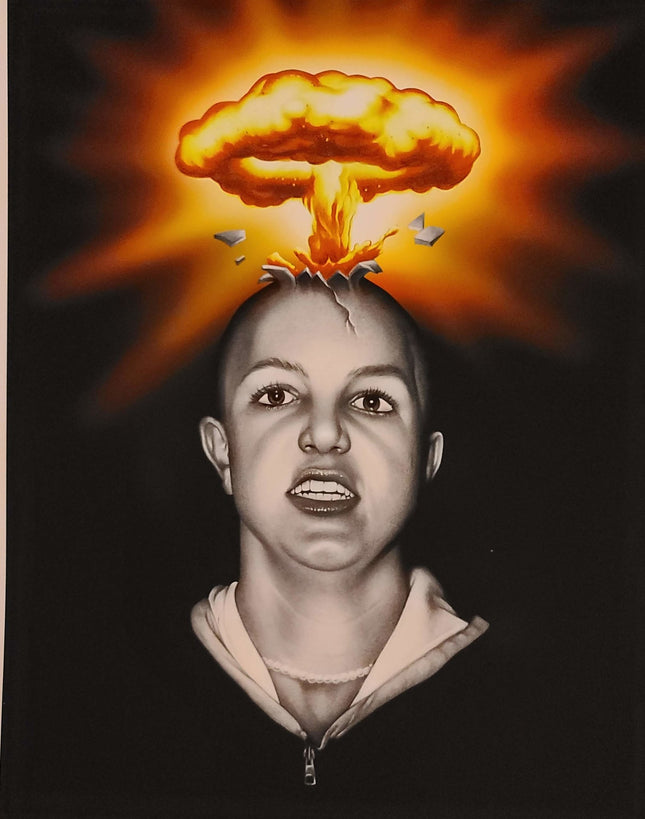
Joe King Britney Bomb Silkscreen Print by Joe King
Britney Bomb Limited Edition Archival Pigment Fine Art Prints on Fine Art Paper by Graffiti Street Art and Pop Culture Artist Joe King. Ultra limited number 6 of 7.
$218.00