Winnie the Pooh

3 artworks

  • Its a Nightmare Charlie Pooh Giclee Print by Raid71

    Raid71 Its a Nightmare Charlie Pooh Giclee Print by Raid71

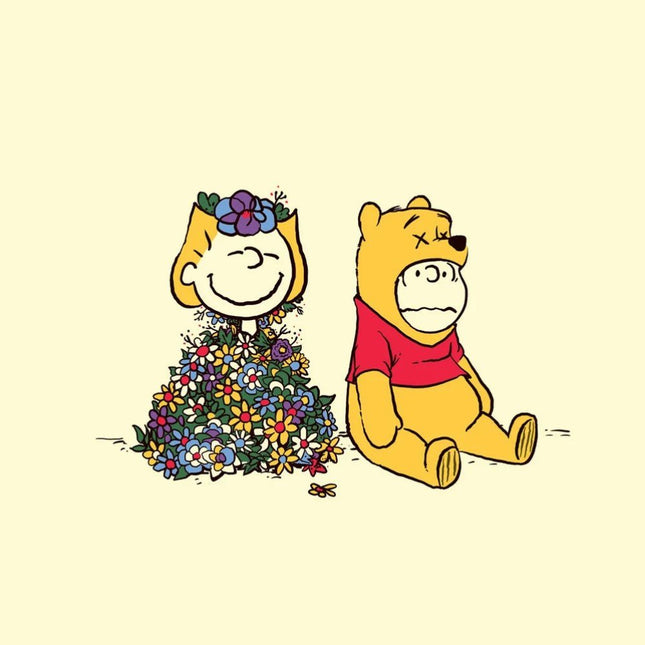
    It's a Nightmare Charlie- Pooh Artwork Giclee Limited Edition Print on Fine Art Paper by Pop Culture Graffiti Artist Raid71. Peanuts Sally & Charlie Brown Halloween Costumed Winnie the Pooh Bear & Flowers. 5" x 5" Giclee Signed, Numbered. It’s a Nightmare Charlie- Pooh Artwork Giclee Print by Raid71 – Street Pop Art & Graffiti Artwork Raid71 continues to merge nostalgic pop culture with dark humor in It’s a Nightmare Charlie- Pooh, a 5x5-inch giclee print that reimagines the world of Peanuts through a surreal and unsettling lens. This limited-edition signed and numbered print features an unexpected crossover between Sally Brown and a somber, lifeless Winnie the Pooh. The contrast between vibrant, joyful elements and an eerie, unsettling undertone makes this piece a captivating addition to contemporary pop street art. The visual composition centers around Sally Brown, typically depicted as cheerful and energetic, now sitting amidst an explosion of multicolored flowers. Her exaggerated smile and flower crown suggest a carefree innocence, yet the image takes a haunting turn with the presence of a motionless Winnie the Pooh. His dull, vacant expression and stiff posture evoke a sense of unease, playing into the subversive nature of Raid71’s signature style. The work simultaneously celebrates and distorts childhood nostalgia, forcing viewers to reconsider their emotional connection to these beloved characters. The Reinterpretation of Nostalgic Icons One of the defining characteristics of Street Pop Art & Graffiti Artwork is its ability to repurpose familiar imagery in unexpected ways. It’s a Nightmare Charlie- Pooh does precisely this by transforming two widely adored characters into something unsettling yet compelling. Winnie the Pooh has long been associated with innocence, warmth, and comfort, while Peanuts embodies a deep, introspective humor wrapped in a simple comic strip aesthetic. By placing these two worlds together in such an unconventional manner, Raid71 forces viewers to engage with the artwork beyond its surface-level nostalgia. The contrast between Sally’s vibrancy and Pooh’s vacant demeanor is intentional, challenging viewers to question the deeper meaning behind the imagery. It plays on themes of childhood wonder versus existential despair, a common thread in much of Raid71’s work. This reinterpretation is not merely a parody but a statement on the way pop culture icons evolve, decay, and become reimagined over time. The Impact of Color and Composition Raid71’s use of color in this piece plays a crucial role in its impact. The soft yellow background serves as a neutral canvas that enhances the contrast between the bright, blooming flowers and the muted, almost lifeless depiction of Winnie the Pooh. The floral explosion around Sally is a striking visual element, emphasizing her exaggerated happiness while simultaneously masking the eerie presence of Pooh. The crisp, clean lines and simple color palette reflect a style reminiscent of classic comic strips, reinforcing the sense of familiarity while introducing an element of unease. The technique used in this giclee print enhances these elements, ensuring that every detail—from the subtle shading on Pooh’s face to the intricacy of the floral arrangements—is captured with precision. Limited Edition Collectibility in Pop Art Limited edition prints hold a special place in contemporary pop art, offering exclusivity while maintaining accessibility for collectors. It’s a Nightmare Charlie- Pooh is part of a carefully curated series that blends humor, horror, and nostalgia into a single compelling composition. The 5x5-inch format makes it a unique and intimate piece, perfect for collectors who appreciate art that plays with childhood memories in a thought-provoking way. Raid71’s work continues to gain recognition for its ability to deconstruct and remix familiar characters into something entirely new. By distorting these nostalgic images, he creates a fresh dialogue about the evolving nature of pop culture, art, and how childhood symbols take on new meaning in adulthood. This print is not just an artwork; it is a statement. It captures the tension between joy and sadness, life and stillness, childhood and adulthood—all within a seemingly simple yet deeply layered visual. It stands as a testament to the power of Street Pop Art & Graffiti Artwork to challenge, provoke, and reimagine the icons that have shaped generations.

    $134.00

  • Winnie the Pooh Archival Print by Adam Lister

    Adam Lister Winnie the Pooh Archival Print by Adam Lister

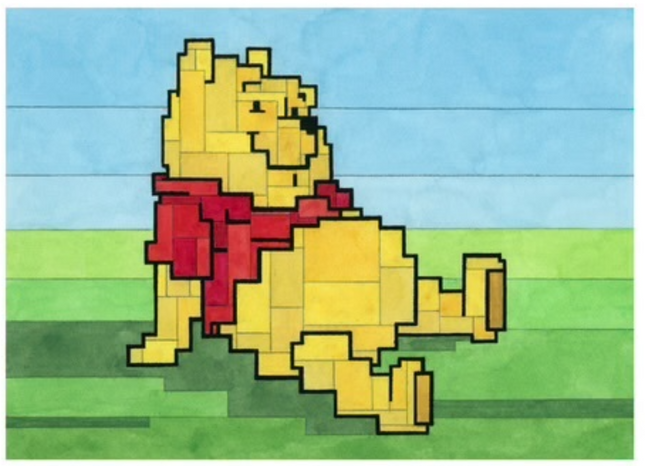
    Winnie the Pooh Archival Print by Adam Lister Limited Edition on 300gsm Hot Press Matte Fine Art Paper Pop Graffiti Street Artist Modern Artwork. 2023 Signed & Numbered Print Limited Edition of 50 Artwork Size 8x6 Archival Pigment Fine Art Winnie the Pooh Relaxing on a Nice Summer Day in Glitch Style. Reimagining Nostalgia: Adam Lister's Winnie the Pooh Adam Lister's rendition of Winnie the Pooh captures the essence of a beloved classic through the innovative lens of pop graffiti and street art. This 2023 archival print presents a unique interpretation of the cherished bear, re-envisioned in a glitch style that marries nostalgia with modern artistry. Released as a limited edition of 50, each print is a signed and numbered piece, suggesting a collectible quality akin to acceptable art practices but echoing the accessibility of street pop art. Lister, known for his distinctive approach to cultural icons, applies his glitch-inspired technique to the image of Winnie the Pooh, transforming the familiar, soft-edged character into a composition of angular, pixelated forms. This artistic choice juxtaposes the warm, fuzzy memories associated with the character and the often sharp, digital reality of contemporary life. Printed on 300gsm Hot Press Matte Fine Art Paper, the 8x6 artwork conveys a sense of calm, depicting Winnie the Pooh relaxing on a summer day, evoking the carefree and joyful childhood moments. Pixelated Comfort: Street Art's Embrace of Childhood Icons The intersection of childhood icons and street art is a trend that Adam Lister navigates with finesse. By depicting Winnie the Pooh, a character synonymous with the innocence and storytelling of youth, Lister taps into a collective memory shared across generations. His work does more than just replicate the image of Pooh. Instead, it breaks it down into constituent colors and shapes, reassembling them into a form that is recognizable and intriguingly alien. This archival pigment fine art print is a testament to the evolution of street pop art, showcasing how traditional graffiti artwork has expanded to embrace a variety of styles and techniques. Lister's glitch style is particularly emblematic of the digital age, reflecting how street art has adapted to new aesthetics. Including such pieces in street, art exhibits, and galleries demonstrates the broadening of graffiti artwork, moving beyond spray paint and stencils to include digital and printed mediums. Adam Lister: A Conduit Between Digital Art and Tangible Worlds Adam Lister, hailing from the United States, is a conduit between digital art and the tangible worlds of pop graffiti and street art. His modern artwork speaks to the fluidity of artistic expression in the 21st century, where the lines between digital creation and physical display are increasingly blurred. Lister's work, particularly his Winnie the Pooh piece, exemplifies how art can traverse these realms, bringing the pixelated aesthetic of digital art into the more traditionally analog space of street art. His limited edition prints, while evoking the impermanence and public accessibility of street art, offer a sense of permanence through their archival quality and limited number. In doing so, Lister's work captures the transient beauty of graffiti artwork and the enduring appeal of fine art. The artist's choice to depict Winnie the Pooh, a character withstood the test of time in a decidedly modern style, speaks to the timeless nature of art and its ability to adapt and grow with the times. Winnie the Pooh's presence in street pop art and graffiti artwork, as facilitated by artists like Adam Lister, indicates a cultural reverence for the characters and stories that have shaped many childhoods. Through such artistic endeavors, the simplicity and joy found in the Hundred Acre Wood are brought into modern art's complex and often chaotic world, providing a respite and a reminder of the universal themes of friendship, adventure, and the pursuit of happiness.

    $282.00

  • Lost in the Hundred Acre Woods Low Fidelity Art Toy by Luke Chueh

    Luke Chueh Lost in the Hundred Acre Woods Low Fidelity Art Toy by Luke Chueh

    Lost in the Hundred Acre Woods Low Fidelity Art Toy by Luke Chueh Limited Edition Collectible Sculpture Figure Fine Artwork by Graffiti Pop Street Artist. 2024 Limited Edition of 500 Artwork Size 4x7 New In Box Stamped Vinyl Fine Art Toy Figure Sculpture of Stylized Winnie the Pooh and Headphones Chilling. Luke Chueh’s Low Fidelity Vision in Vinyl Lost in the Hundred Acre Woods is a 2025 limited edition collectible sculpture created by the acclaimed street pop artist Luke Chueh. Known for his psychologically charged characters, Chueh brings a fresh interpretation of the familiar yellow bear to life in vinyl form. This highly stylized figure fuses nostalgia and melancholy, reimagining a beloved childhood character as a modern, introspective figure immersed in solitude and music. The edition consists of 500 pieces and is sculpted in durable, smooth-finish vinyl with striking color contrast and detail. Measuring 4 x 7 inches, each sculpture arrives new in box and stamped for authenticity. Symbolism Through Minimalist Form The artwork features a matte yellow bear figure standing upright with hands in the pockets of an oversized red hoodie. This simplistic design is made iconic with black headphones snugly fitted over the ears, suggesting a withdrawal into personal sonic space. Stripped of overt facial expression, the blank eyes and small snout accentuate the internal experience of the figure. Chueh’s choice of minimalism invites viewers to project their own interpretations of mood and context onto the figure. By placing this character in such a stark, anthropomorphized pose, the artist channels themes of loneliness, escapism, and emotional quietude within modern consumer culture. Contemporary Street Pop Aesthetic Luke Chueh, an artist based in the United States, has cultivated a visual language that merges pop culture symbolism with heavy emotional resonance. This vinyl figure draws from the lineage of graffiti artwork and designer toy culture. It evokes both the warmth of cartoon heritage and the isolation common to modern digital life. Lost in the Hundred Acre Woods acts as a three-dimensional embodiment of Street Pop Art & Graffiti Artwork, presenting a cultural remix where childhood innocence is subverted by adult introspection. The bold red hoodie contrasts powerfully with the bear’s muted yellow form, reinforcing visual simplicity as a storytelling mechanism. Art Toy as Emotional Artifact This collectible transcends novelty to become a sculptural form of narrative. Lost in the Hundred Acre Woods communicates a profound quietude using posture and color rather than overt expression. The bear stands frozen in a moment of sonic self-reflection, echoing Chueh’s consistent use of his characters as vessels for emotional commentary. As a part of the Low Fidelity series, this figure pays homage to the mental retreat often found through headphones and music. Whether displayed alone or as part of a larger collection, the work resonates as an object of contemplation for those who appreciate the merging of toy design with fine art sensibilities within the Street Pop Art & Graffiti Artwork movement.

    $550.00

Winnie the Pooh Graffiti Street Pop Art

Winnie the Pooh as Street Pop Art Symbol

Winnie the Pooh, originally created by author A. A. Milne and illustrator E. H. Shepard in the early twentieth century, has long transcended his literary beginnings to become a global pop culture figure. While traditionally associated with childhood nostalgia and gentle wisdom, recent reinterpretations in the world of Street Pop Art & Graffiti Artwork have cast the honey-loving bear in a radically different light. Artists across contemporary urban platforms have transformed Pooh into a subject of visual and conceptual experimentation, using his familiar form as a vehicle to critique consumerism, isolation, and emotional dissonance. In this context, Pooh becomes a vessel not of innocence but of introspection, cleverly bridging the worlds of innocence and awareness.

From Storybook Character to Visual Commentary

As Street Pop Art & Graffiti Artwork often repurposes familiar icons to disrupt comfort zones, Winnie the Pooh’s soft form, round features, and blank-eyed innocence serve as a perfect foundation. Artists have stylized the character in various mediums—vinyl sculptures, stencil art, murals, and hand-pulled silkscreens—often placing him in jarring contemporary settings. The red shirt remains an instantly recognizable motif, but its pairing with elements like luxury logos, graffiti tags, or urban decay underscores the visual tension between the character’s pure-hearted origins and the realities of a complex modern world. This recontextualization pushes viewers to reassess the character’s simplicity as both a strength and a vulnerability.

The Psychological Echo in Urban Environments

In the hands of modern street artists, Pooh often adopts new accessories—headphones, hoodies, slouched postures—that place him squarely in the emotional landscape of the current generation. These adaptations speak to the collective desire to retreat inward amidst overstimulation. With blank stares and silent demeanor, Pooh becomes a symbol of quiet rebellion, resisting chaos not with confrontation but with stillness. This reinterpretation is a recurring theme within the Street Pop Art & Graffiti Artwork world, where still figures speak loud truths about isolation, overstimulation, and emotional burnout. Pooh’s transformation from a woodland dweller to an urban bystander reinforces the genre’s ability to evolve timeless imagery into potent social commentary.

A Bear of Minimal Words in Maximal Culture

Artists like Luke Chueh have famously reimagined Pooh in the form of emotionally loaded vinyl art toys that strip away the joy and amplify the quiet. These works replace the Hundred Acre Wood with graffiti-laced brick walls, and the honey pot with headphones. These adaptations are not merely parodies or homages but thoughtful explorations of nostalgia, identity, and the commodification of emotion. Through minimal expression and carefully curated accessories, these interpretations hold a mirror to both art culture and consumer society. Winnie the Pooh’s reinterpretation in Street Pop Art & Graffiti Artwork speaks to the ability of iconic characters to evolve without losing the imprint of their origin, offering new meaning through the visual language of urban expression.

Footer image

© 2025 Sprayed Paint Art Collection,

    • Amazon
    • American Express
    • Apple Pay
    • Bancontact
    • Diners Club
    • Discover
    • Google Pay
    • iDEAL
    • Mastercard
    • PayPal
    • Shop Pay
    • Visa

    Login

    Forgot your password?

    Don't have an account yet?
    Create account