







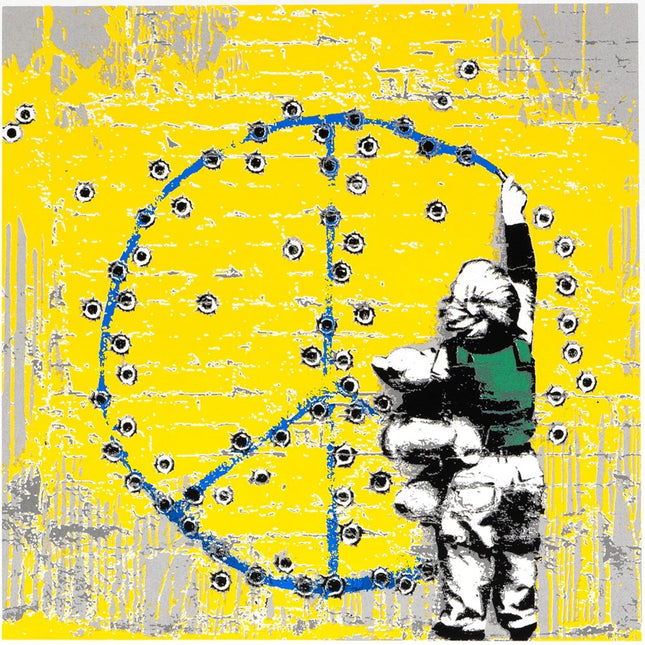

Activism & Protest in Street Pop Art & Graffiti Artwork
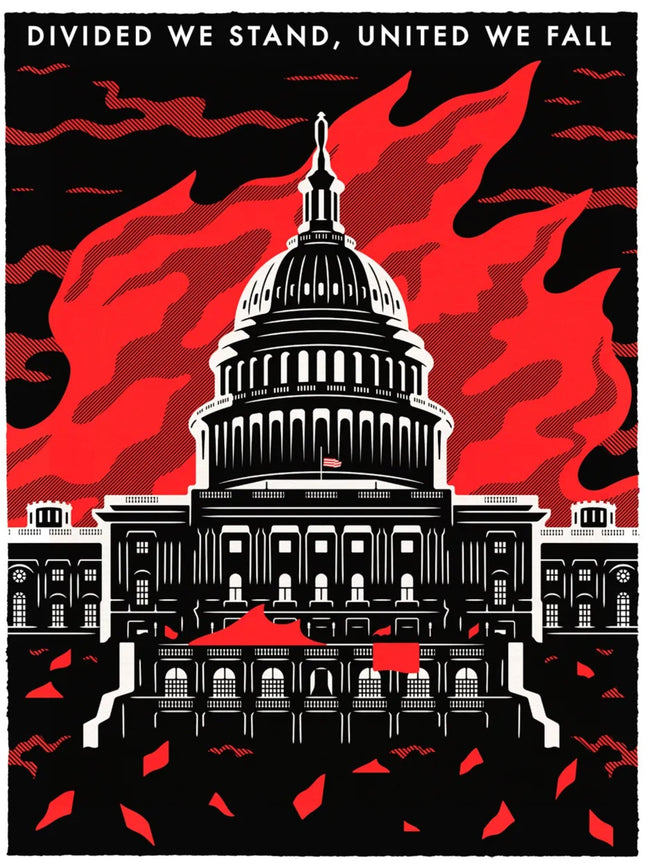
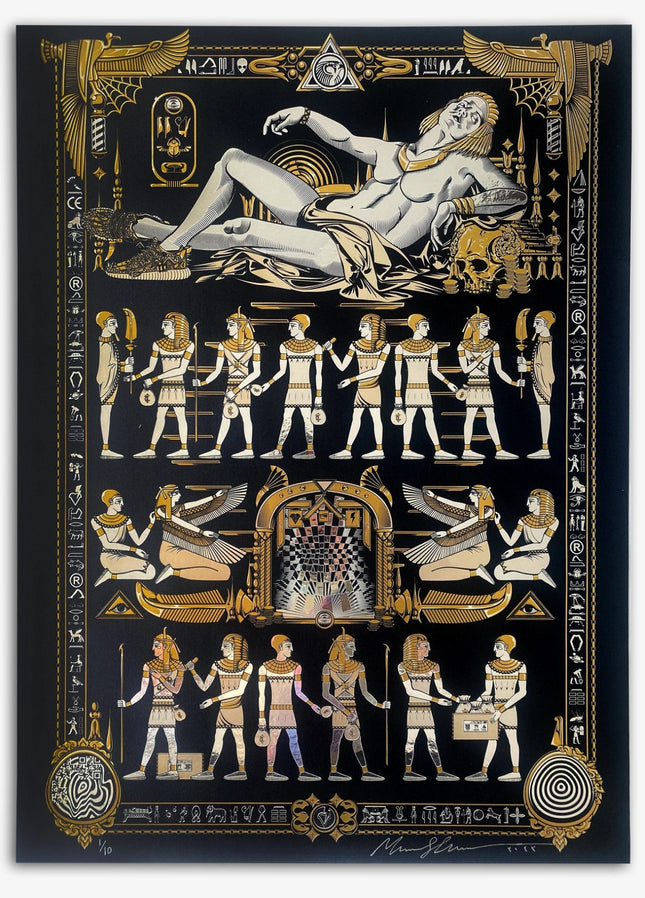
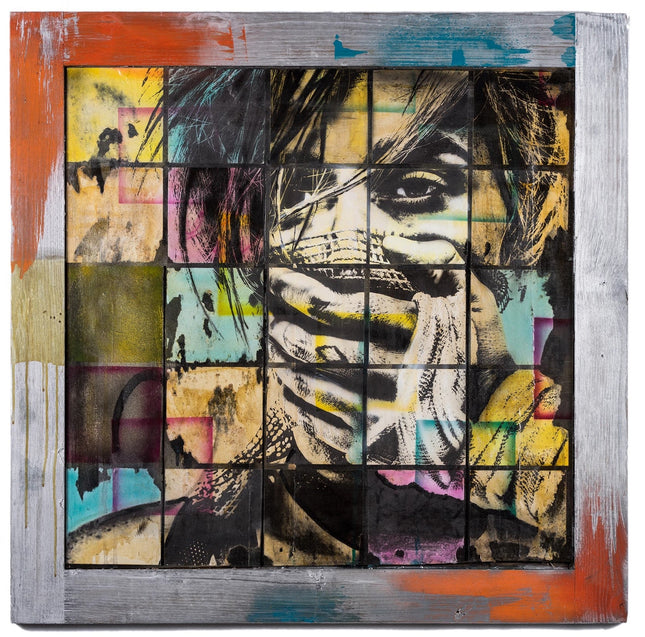
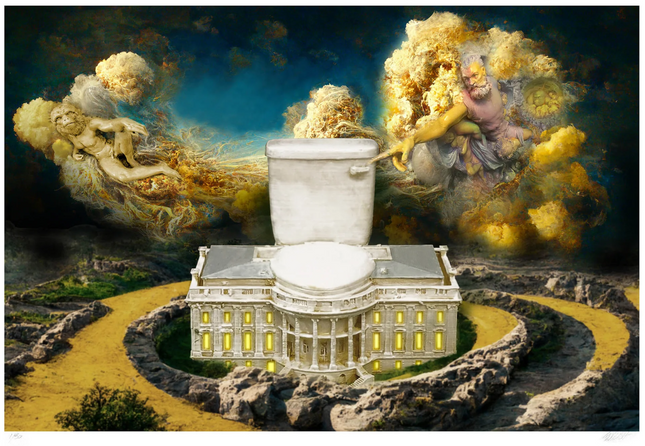
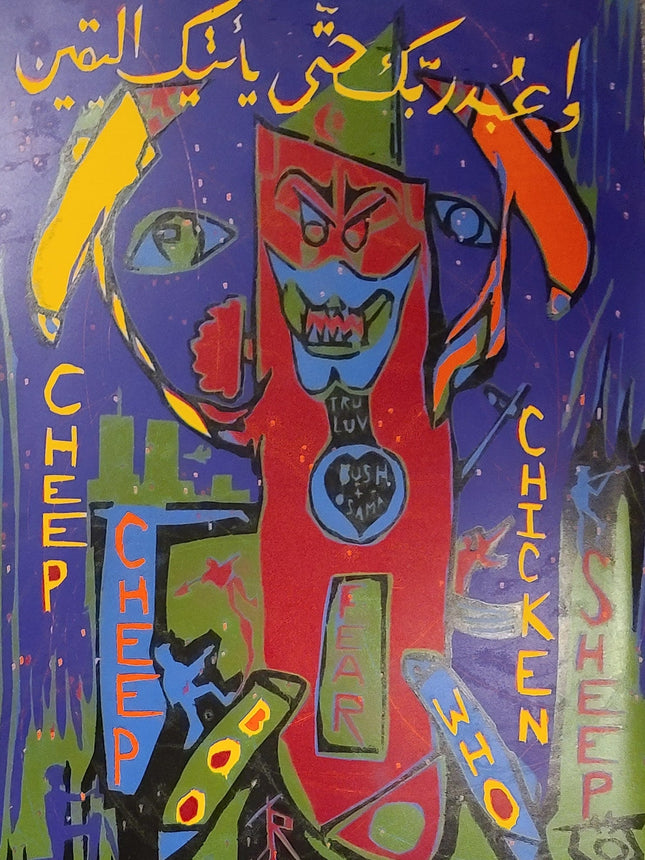
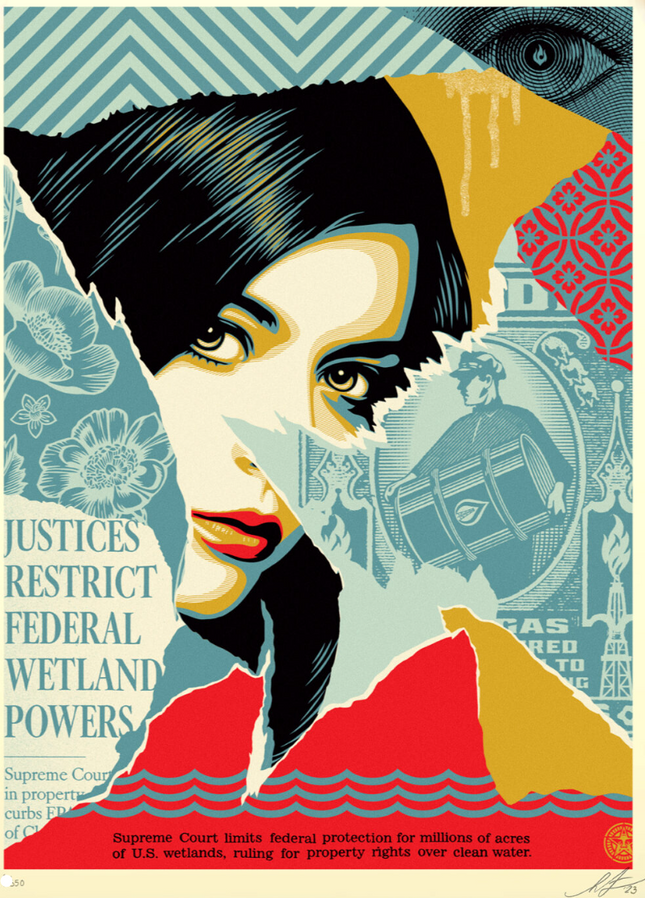
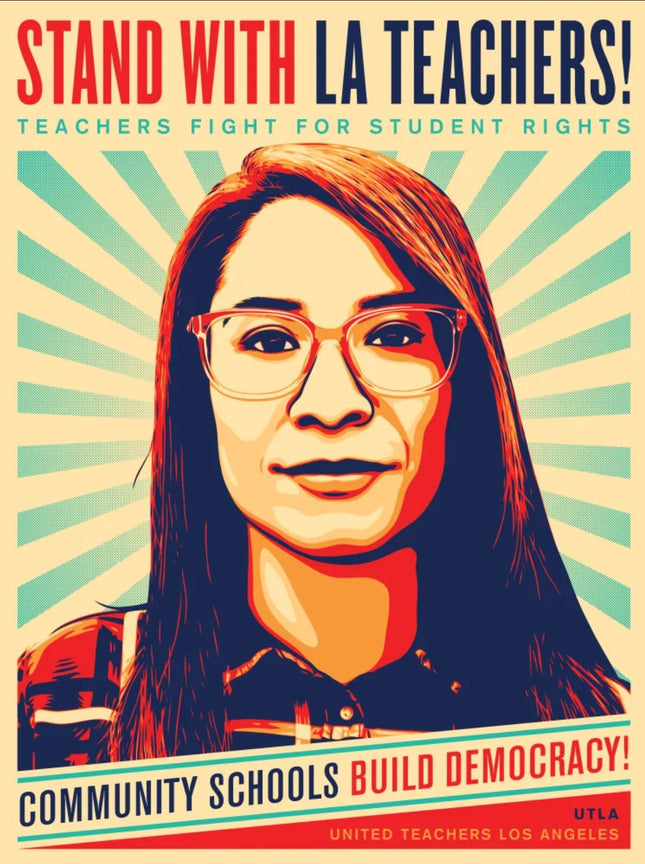
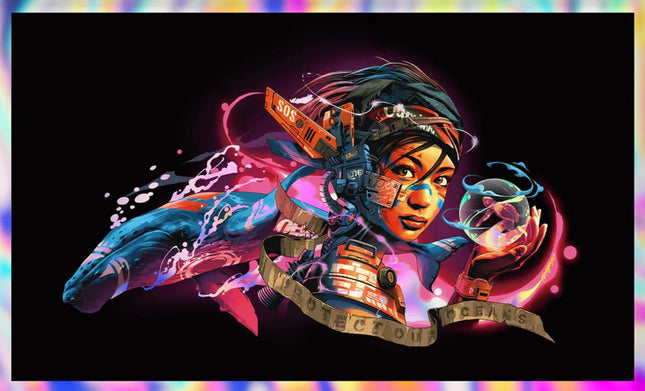
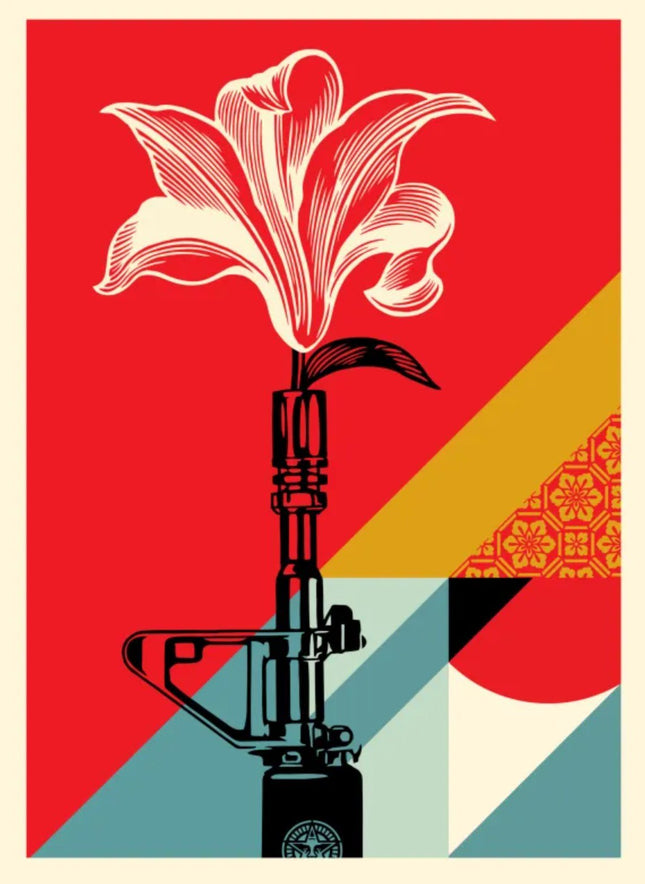
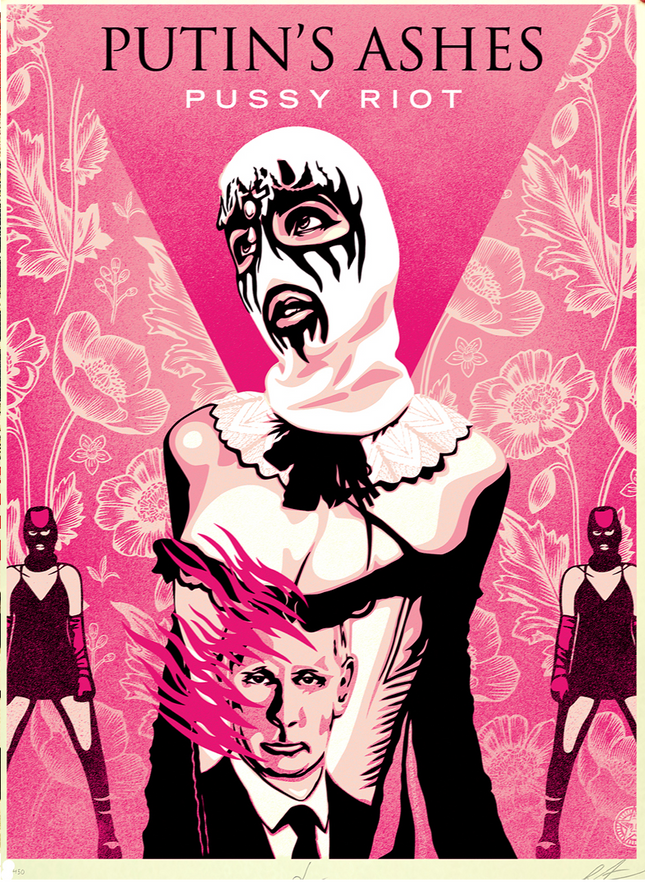
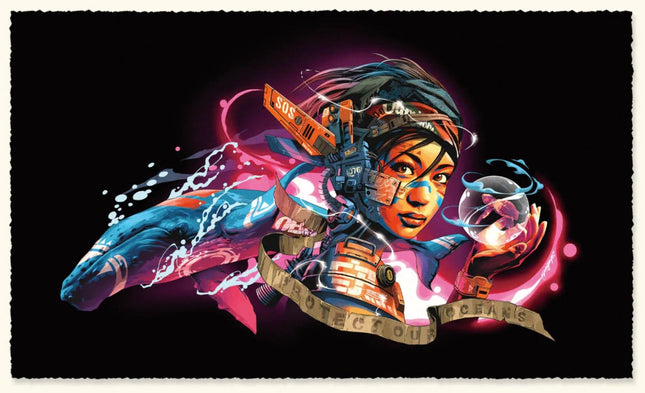
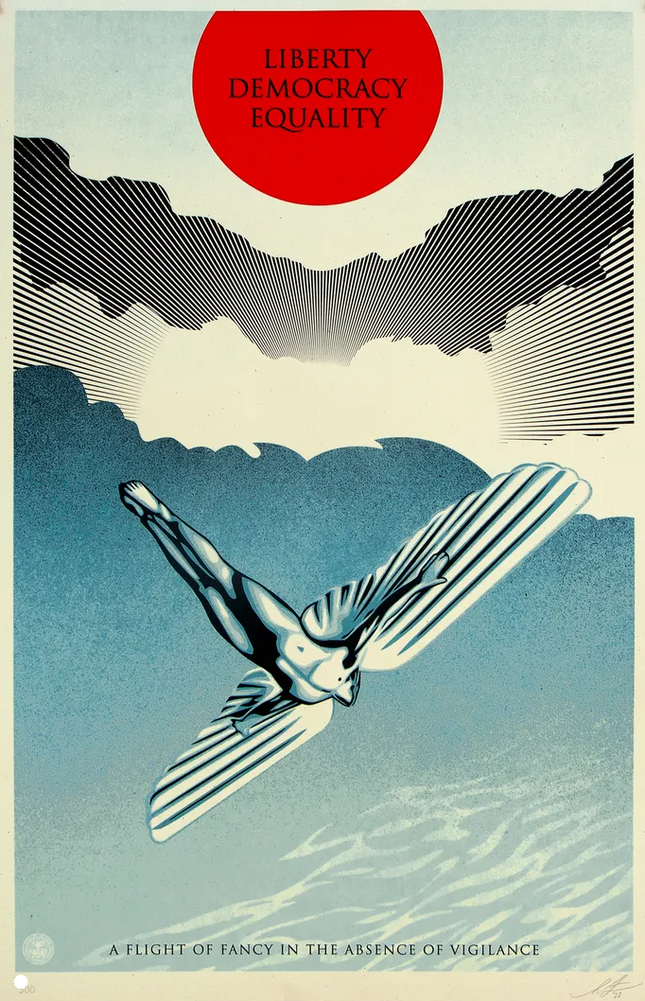
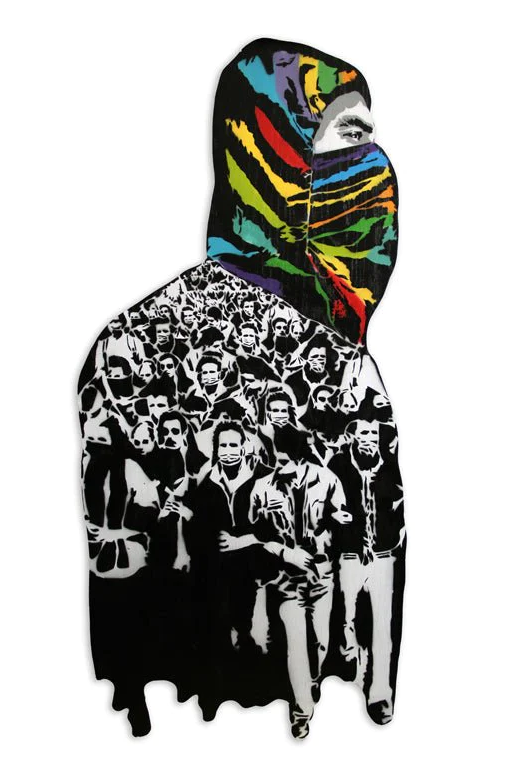
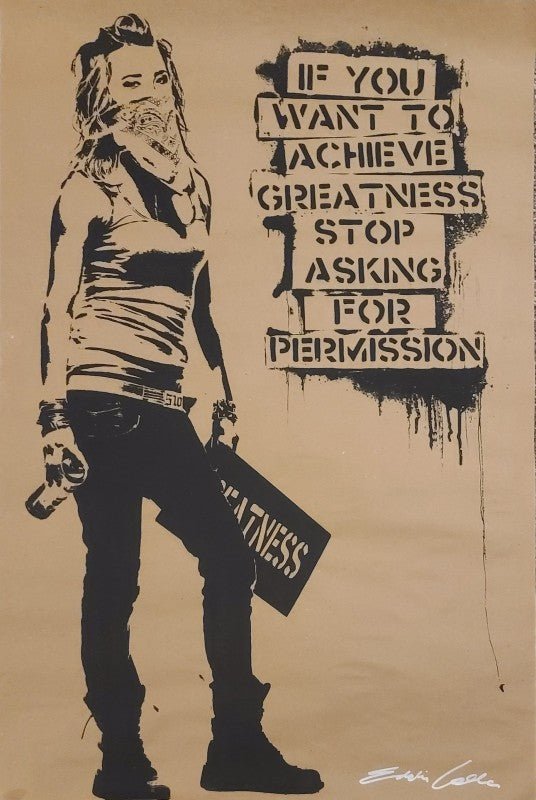
Activism and protest have been central themes in the evolution of Street Pop Art & Graffiti Artwork, transforming public walls, abandoned structures, and gallery spaces into platforms of social resistance. From anti-authoritarian messages sprayed on city infrastructure to vividly illustrated demands for justice in silkscreen editions, this genre has long been a visual voice for the voiceless. Artists from diverse backgrounds have used their creative skills to spotlight issues such as war, police brutality, gender inequality, environmental degradation, and systemic racism. The potency of the work comes from its placement, language, and accessibility. Art tied to activism often appears outside conventional museum settings, making its message immediate and unavoidable for those navigating urban landscapes. The democratic nature of graffiti and the reproducibility of pop art techniques have allowed artists to disseminate politically charged imagery across cities and continents.
The Visual Language of Dissent
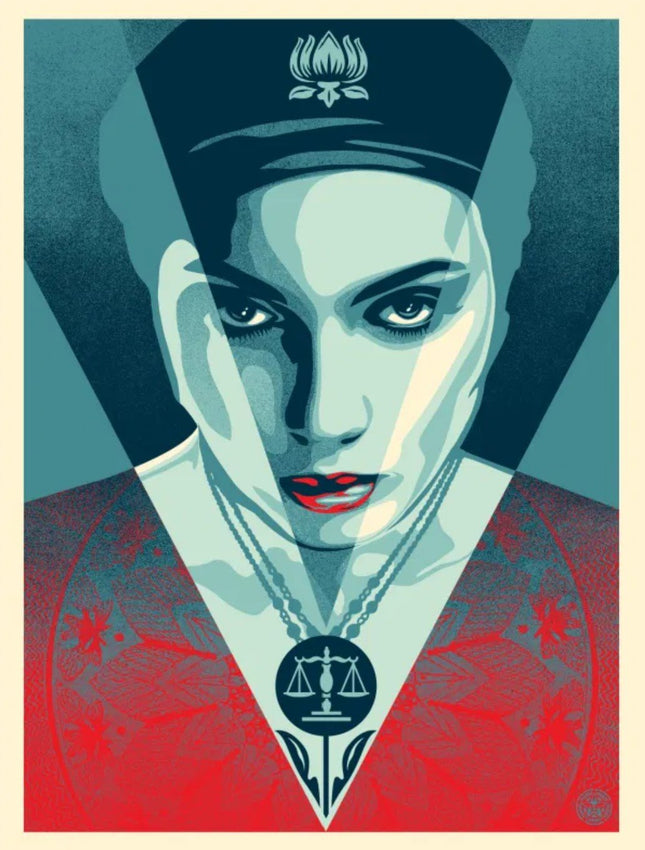
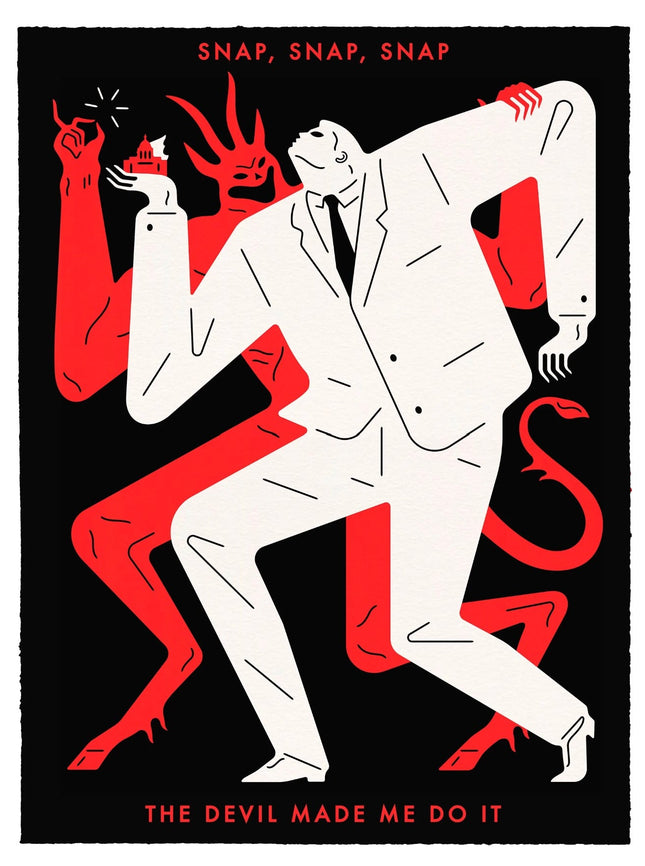
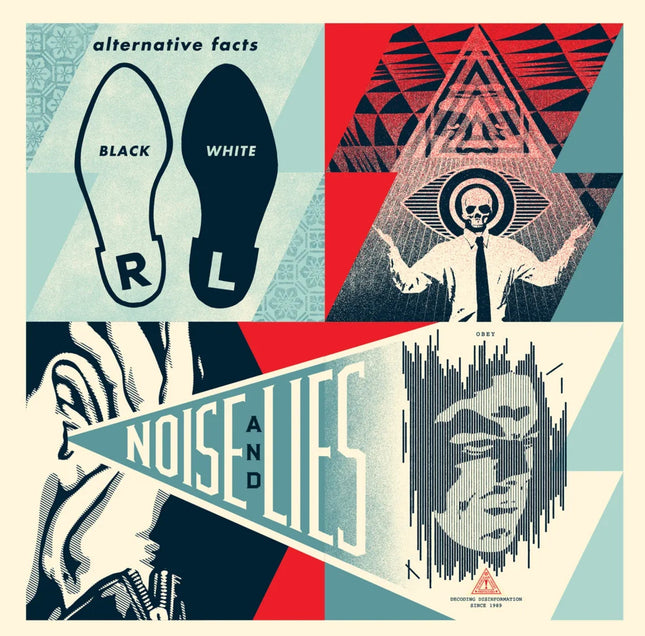
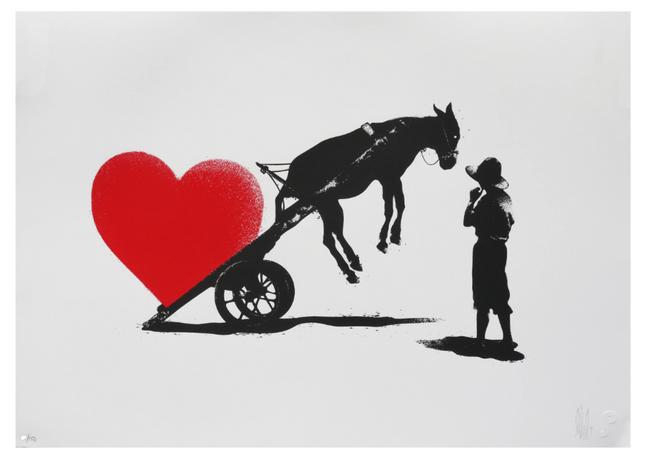
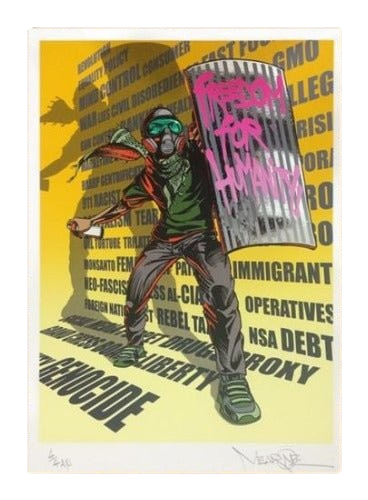
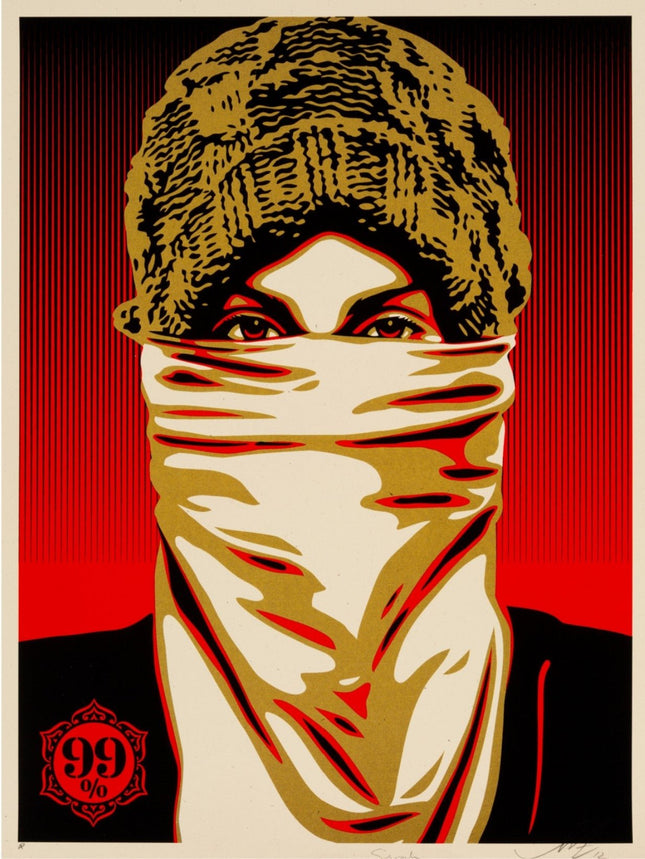
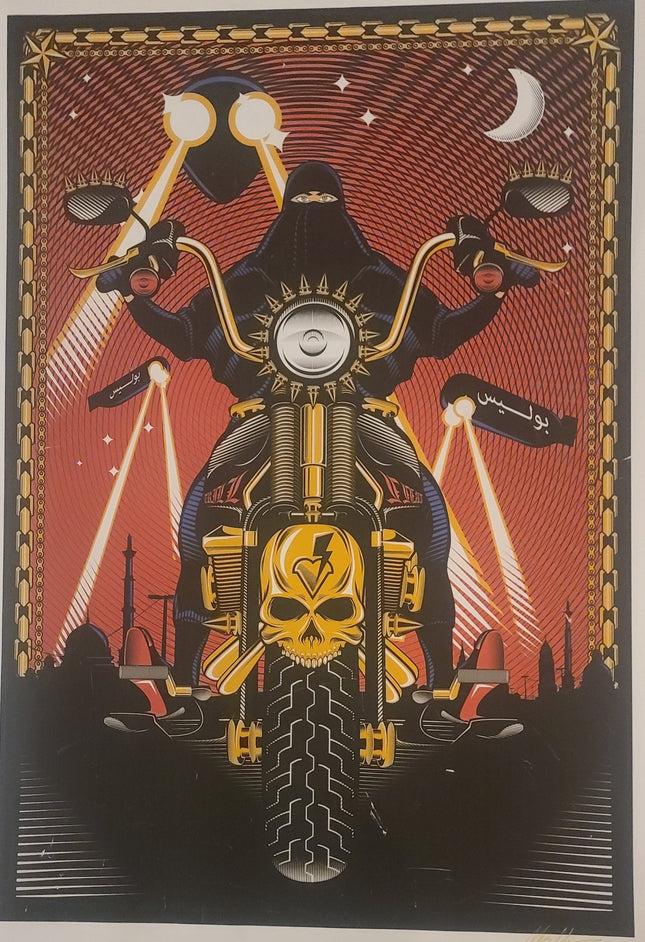
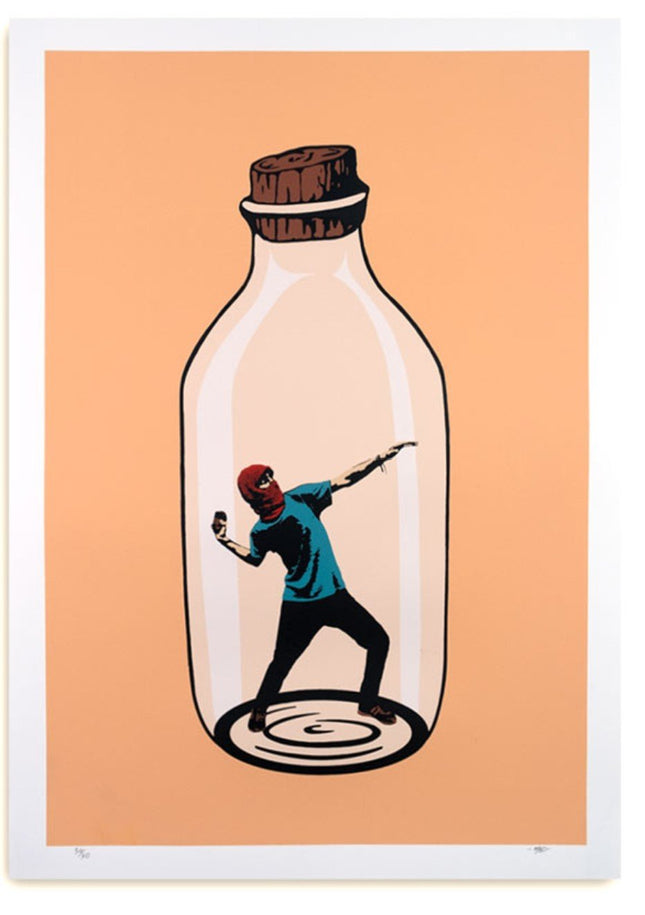
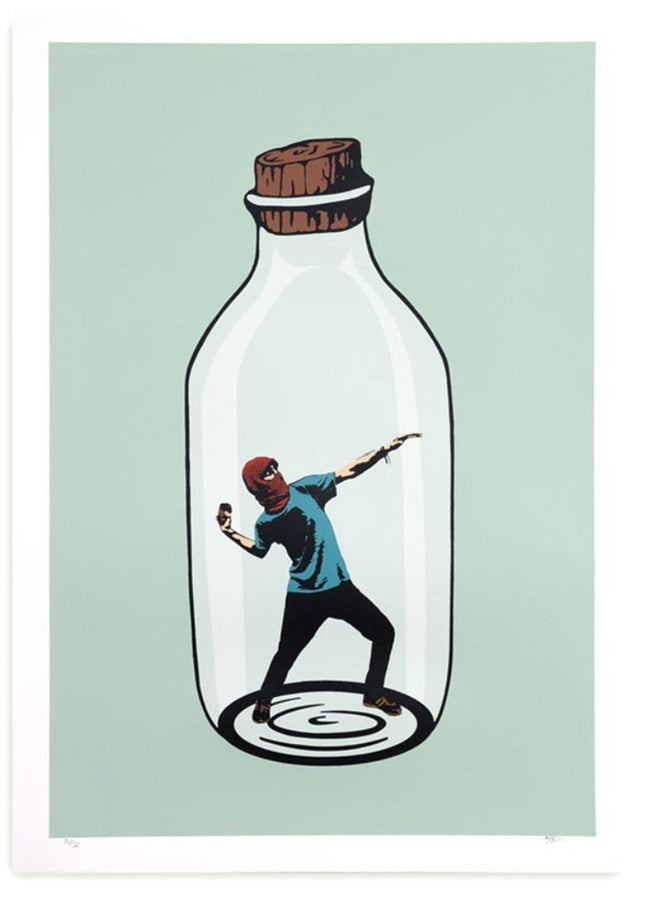
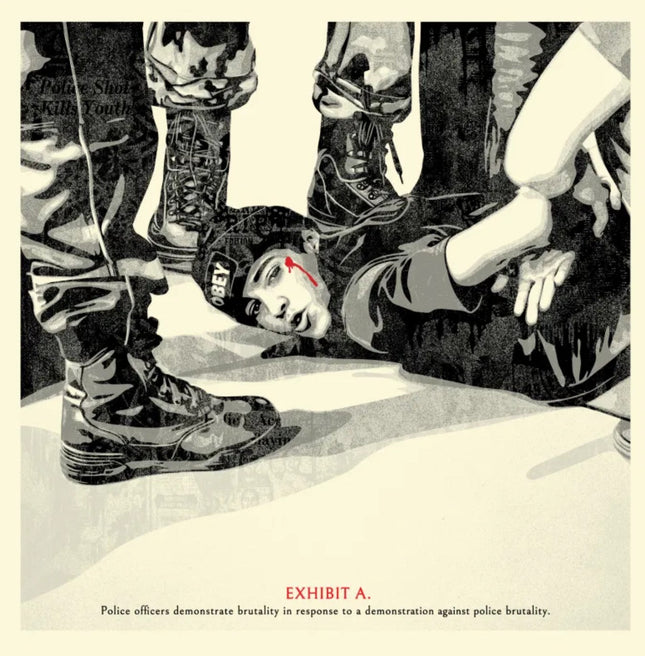
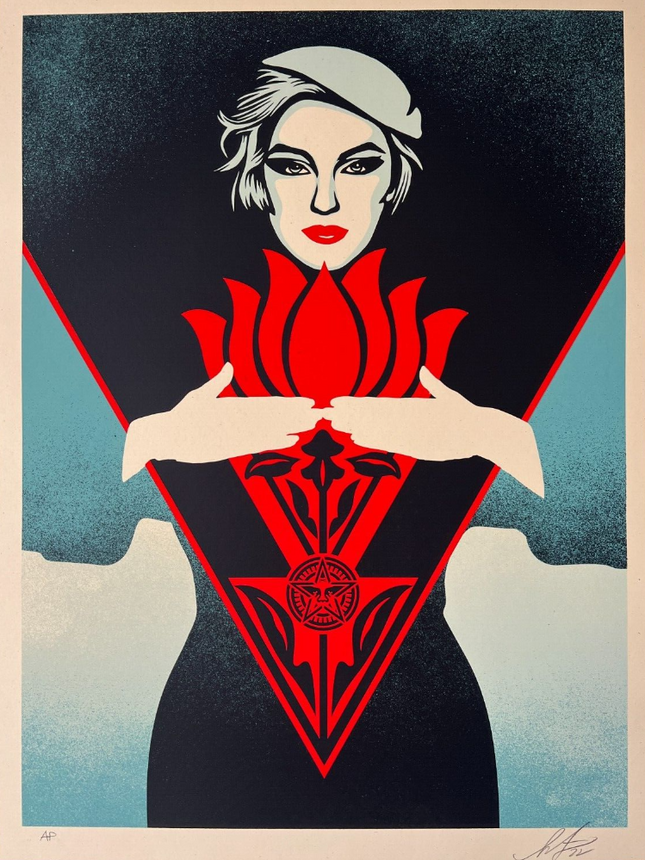
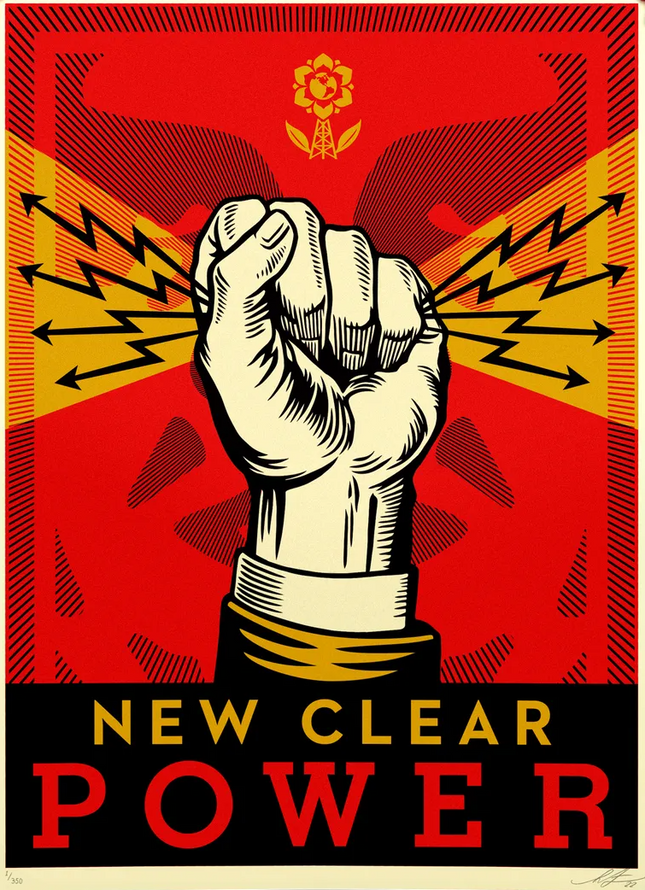
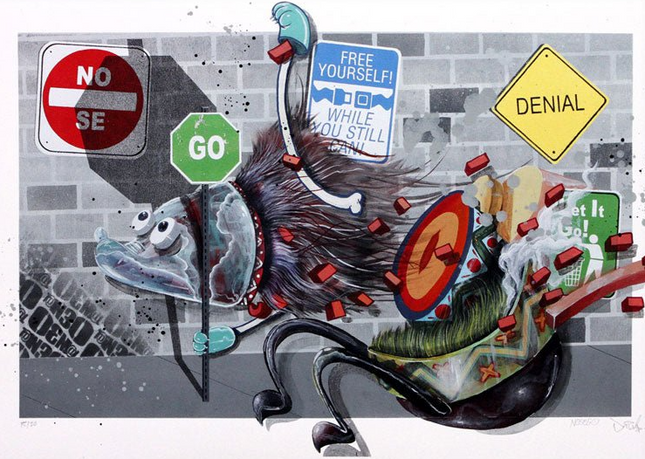
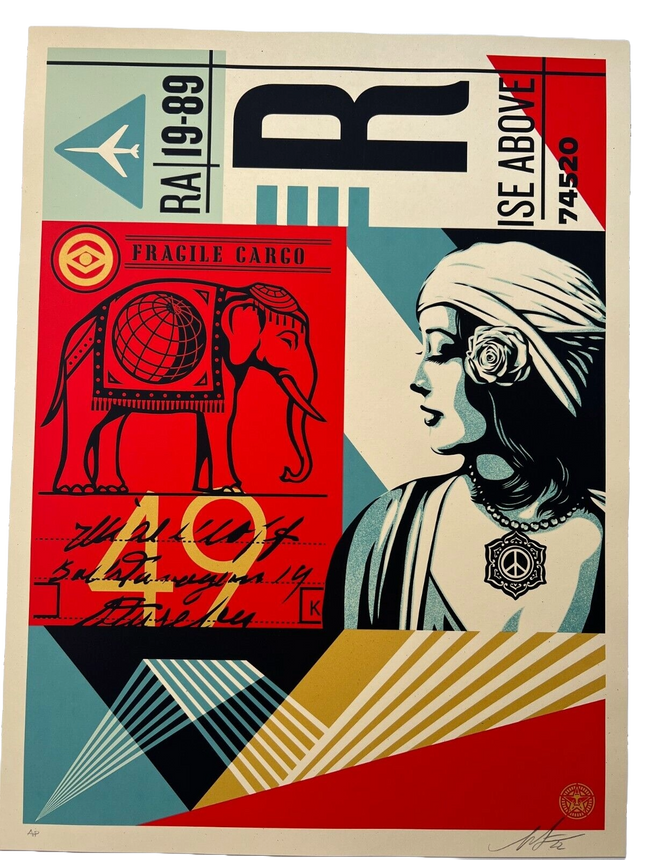
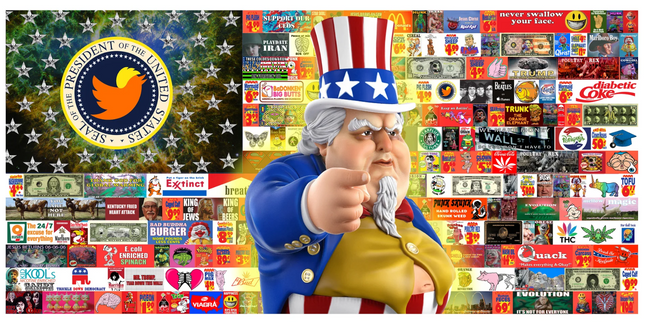
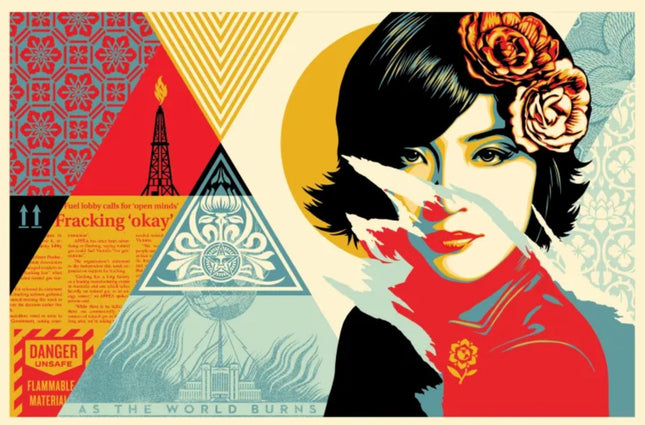
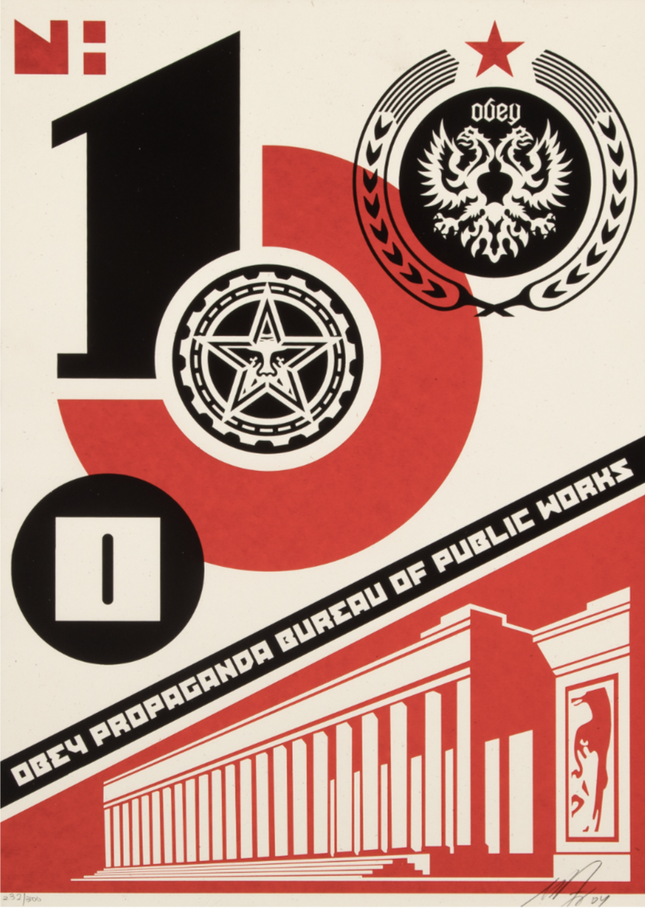
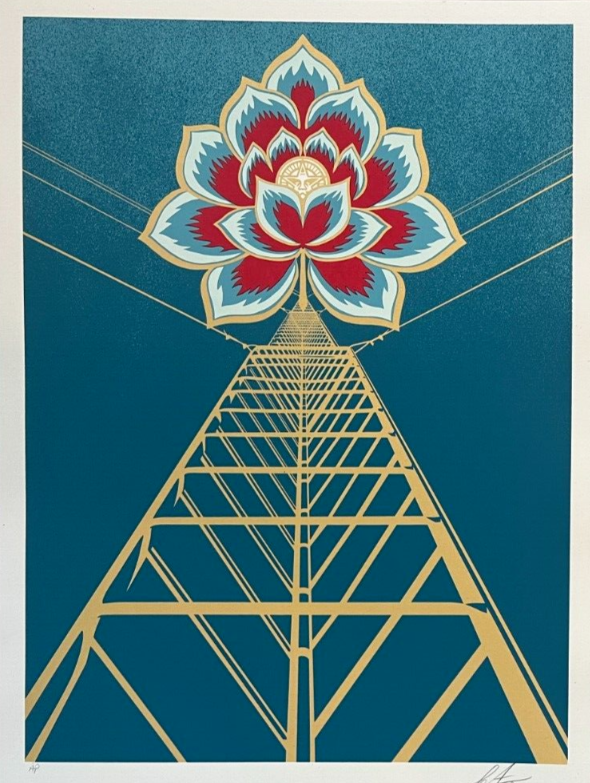
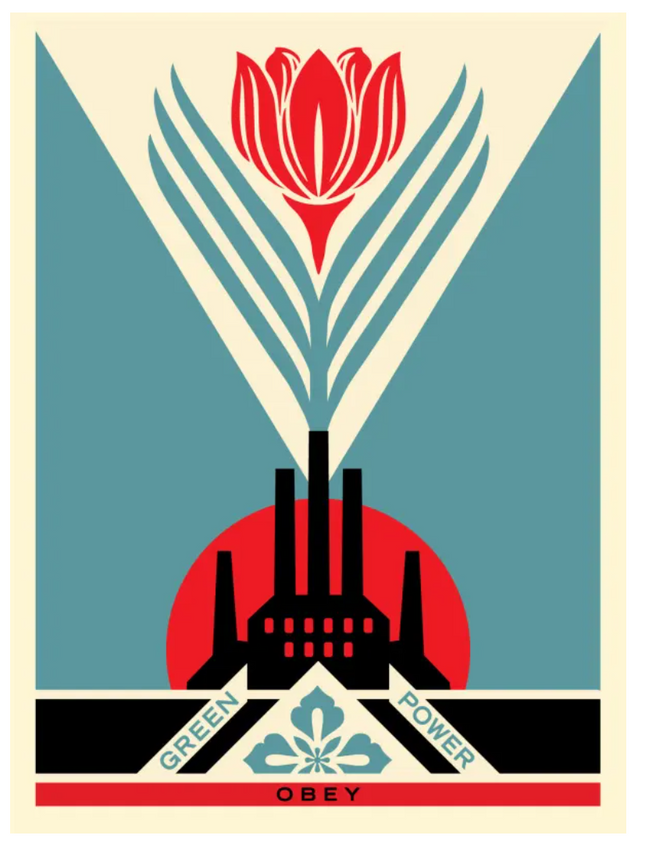
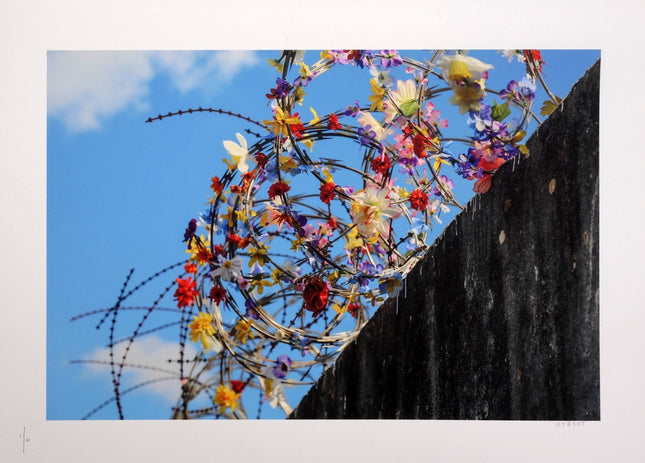
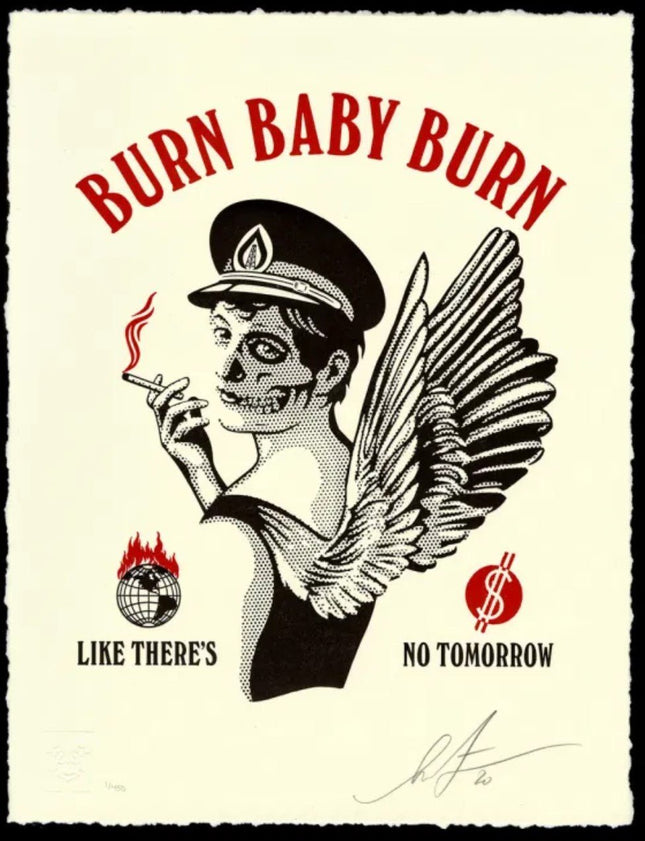
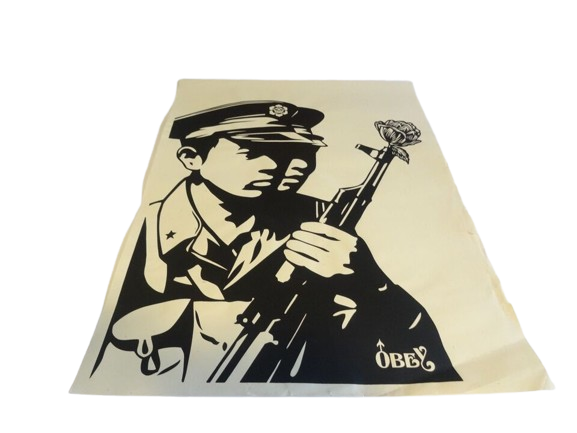
Street Pop Art & Graffiti Artwork uses a distinct visual language to communicate urgency and resistance. Symbols such as raised fists, barbed wire, chains, riot shields, megaphones, and bold typography are frequently integrated into murals, posters, and stencils. Artists utilize repetition, contrast, and iconography to achieve maximum impact with minimal elements. A single stencil of a child holding a sign, or a mass-produced silkscreen poster declaring freedom or revolution, can provoke thought, galvanize action, and attract media attention. This visual shorthand makes the art instantly recognizable and resonates with audiences regardless of language. Shepard Fairey, Banksy, JR, and other internationally known figures have used these methods to inject their political views into mainstream conversations while maintaining the raw edge of graffiti and street culture.
Historical Movements and Urban Resistance
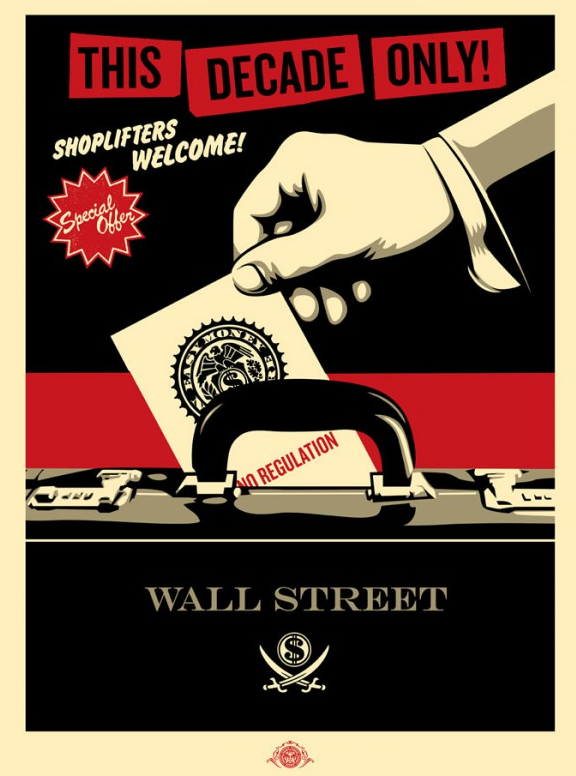
Throughout the decades, activist street art has mirrored and amplified grassroots movements around the world. During the 1960s and 1970s, protest art surged with anti-Vietnam War imagery and calls for civil rights in the United States. In South Africa, slogans and anti-apartheid murals emerged under great risk. More recently, movements such as Occupy Wall Street, Black Lives Matter, and climate justice campaigns have drawn strength from graffiti artists and street pop printmakers who create bold visuals that spread rapidly through social media and public installations. Walls and subway tunnels have been reclaimed as spaces of dialogue where art acts as both a megaphone and a historical document. The street itself becomes a gallery, archive, and battleground for competing narratives of power and resistance.
The Role of the Artist as Agitator and Ally
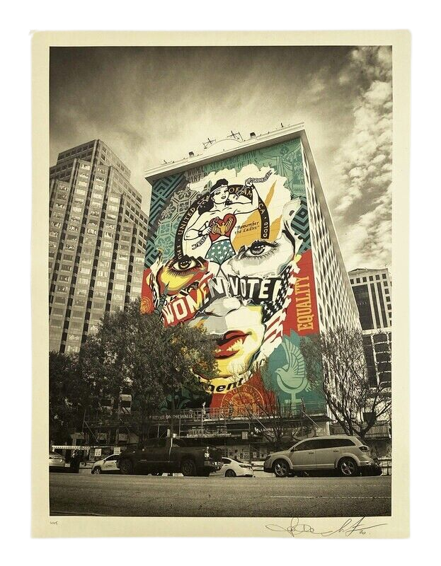
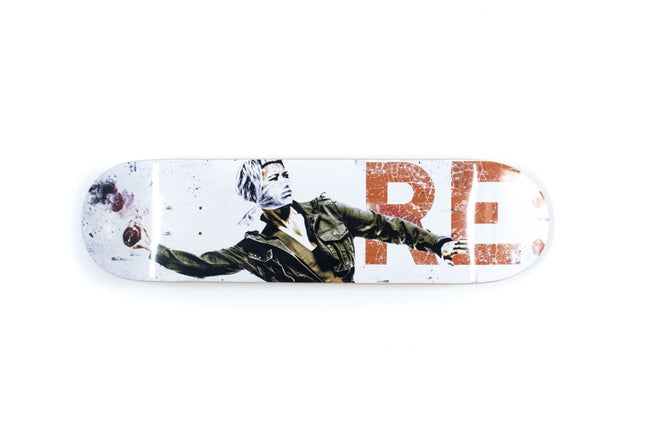
Street Pop Art & Graffiti Artwork does not just reflect activism; it actively shapes public consciousness. Artists become agitators, allies, and educators, often blurring the line between creator and protester. By embedding messages in neighborhoods, on apparel, and in limited edition prints, they create a continuity between street-based activism and contemporary fine art. Many artists work collaboratively with communities, contributing visual support to rallies, printing posters for marches, and painting murals that honor victims or amplify demands for justice. The urgency and repetition found in protest chants find visual parallels in repeated motifs and layered wheat-paste campaigns. This dynamic relationship between activism and visual art underscores how deeply connected public creativity is to political action, and how Street Pop Art & Graffiti Artwork continues to influence culture through direct confrontation with injustice.