



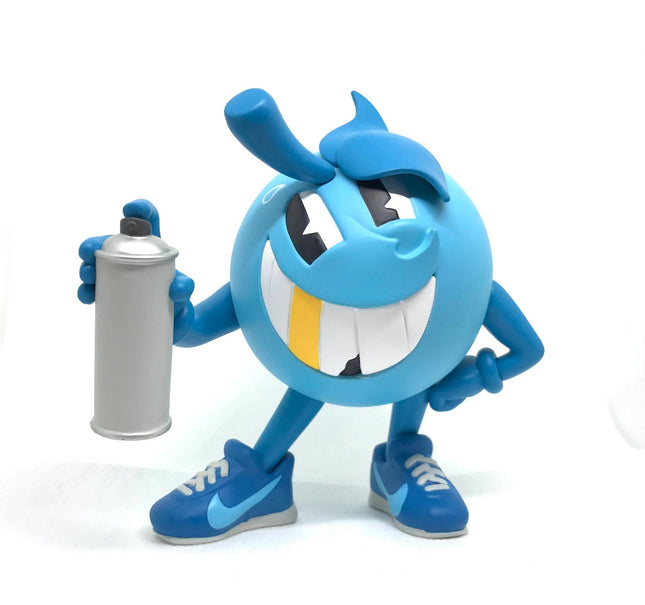


Atomik: The Miami Graffiti Icon Who Turned a Citrus Symbol into Street Pop Art
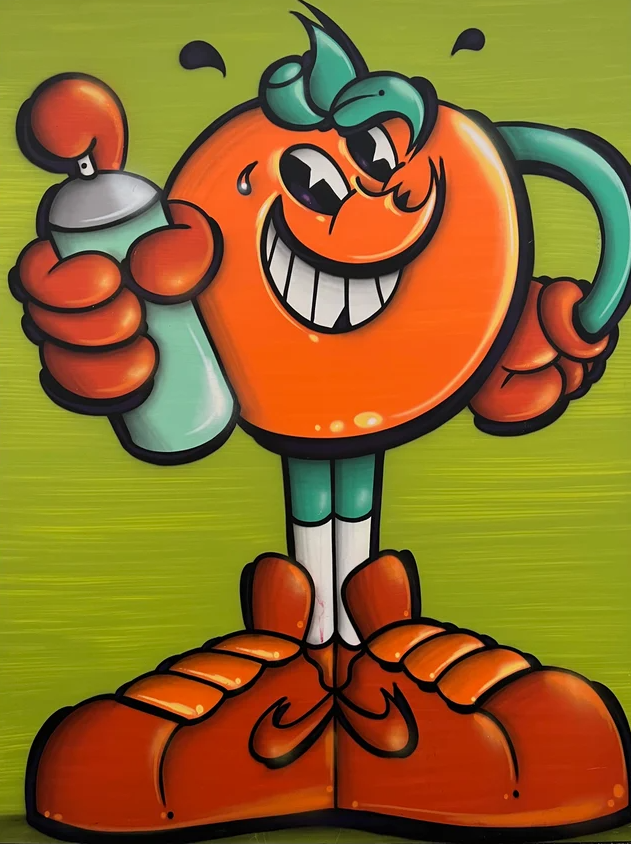
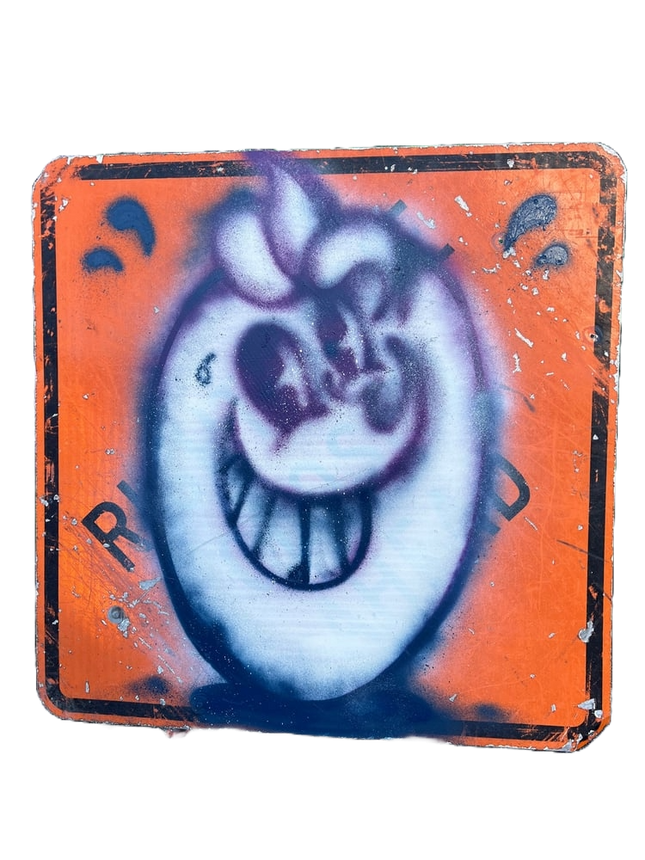
Atomik is a prominent graffiti artist from Miami, Florida, best known for his creation of the instantly recognizable smiling orange character. This motif, equal parts humorous and menacing, serves as a visual shorthand for Atomik’s legacy across trains, buildings, stickers, and canvas worldwide. Emerging in the early 2000s, Atomik developed this character following the demolition of the Miami Orange Bowl, a symbol of local pride and nostalgia. Rather than mourn its absence passively, he painted a new citrus tribute with attitude, humor, and distinctly South Floridian character. That now-ubiquitous orange has evolved into one of the most celebrated icons in modern Street Pop Art & Graffiti Artwork. What began as an ode to local history has become a vehicle for self-expression that travels far beyond Miami, often seen rolling on freight trains and painted across international cityscapes.
From Freight Trains to Gallery Walls
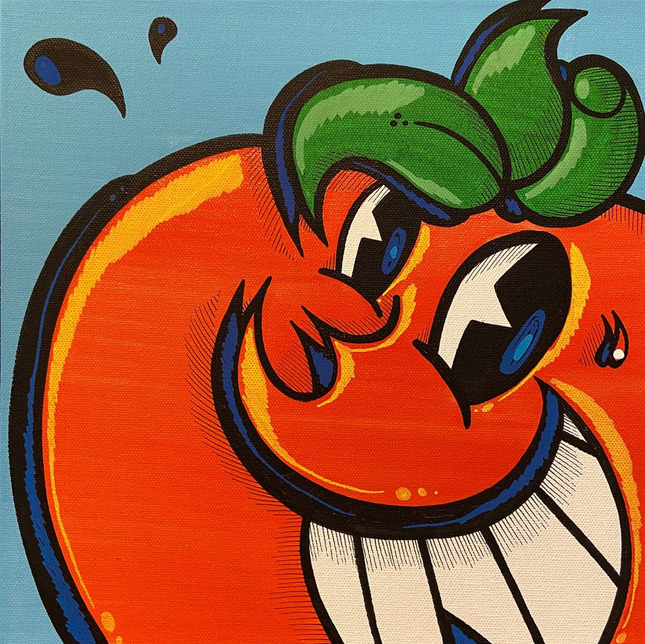
Atomik’s early graffiti roots trace back to the mid-1990s when he was heavily involved in Miami’s underground aerosol scene. He earned respect through bold handstyles and large-scale tags placed across rooftops and walls in highly visible locations. With time, his focus sharpened into the development of characters that could deliver visual impact while carrying emotional depth. His orange character, often wide-eyed and grinning, is deceptively simple in shape but layered with attitude. Whether it is spray-painted across a train car or silkscreened onto a skateboard, it commands attention. As his reputation grew, Atomik transitioned from illicit works to sanctioned murals, collaborations, exhibitions, and fine art editions. His crossover success never diluted his style—instead, it reinforced the legitimacy of graffiti artists as skilled image-makers with cultural influence.
Technique, Message, and Street-Level Authorship
Atomik’s style blends comic-inspired line work with aggressive graffiti aesthetics, combining tight curves, thick outlines, and exaggerated facial expressions. The orange is often paired with blocky tags, sticker placements, and explosive colorways that echo 80s and 90s cartoon culture. Yet, his technique extends beyond aerosol and includes screen printing, ink drawings, stickers, enamel on wood, and sculptural media. Each format reflects the philosophy of Street Pop Art & Graffiti Artwork—accessible, fast, bold, and irreverent, while always tied to place and identity. Despite the playful appearance of his orange character, the subtext touches on displacement, memory, urban resilience, and the freedom of self-made art. It is a continuation of Miami’s counterculture heritage made visible through stylized fruit with clenched teeth.
A Global Voice Rooted in Local Storytelling
Atomik’s works are not just images but messages coded in a language of form and placement. As freight train art became a new form of national muralism, his oranges multiplied across steel cars and cities. Whether seen in Wynwood, Tokyo, or on the sides of cross-country railcars, the orange delivers a punch of familiarity to those in the graffiti world and a jolt of curiosity to those outside of it. This wide reach proves that street-level storytelling can compete with polished advertising and gallery art. Atomik’s artistic journey underscores how Street Pop Art & Graffiti Artwork can be simultaneously rooted in geographic history and universal in appeal. The orange is not just a character—it is a cultural landmark shaped by paint, protest, and persistence.