
The Intersection of Automobile Imagery in Street Pop Art and Graffiti Artwork
Street pop art and graffiti artwork have long been mediums for expressing cultural, political, and social ideas. Among the myriad subjects that find expression in these art forms, the depiction of automobiles - cars, trucks, vans - holds a special place. Beyond their practical utility, these vehicles embody the era's spirit, technological progress, and, sometimes, a sense of rebellion and freedom.Cars and Trucks in Street Pop Art: Symbols of Modernity and Rebellion
The incorporation of cars and trucks in street pop art showcases vehicles and reflects societal attitudes and cultural phenomena. This art form often utilizes bold colors and striking, often satirical, imagery to challenge norms and critique society. In this context, cars can symbolize modernity, speed, and the relentless march of technology. For instance, the works of Keith Haring, an American artist known for his graffiti-inspired artwork, often included cars and other vehicles as symbols of movement and energy. Haring, who passed away in 1990, was adept at using such imagery to comment on societal issues. In contrast, trucks, often depicted in more rugged and robust forms, can represent the working class, resilience, and sometimes, a rugged individualism. These vehicles in Street Pop Art can be seen as metaphors for the journey, not just physically but also as a journey through life, challenges, and the societal landscape.Vans in Graffiti Artwork: Canvases on Wheels
Graffiti artwork, with its roots in expressing underground and countercultural sentiments, finds a unique canvas in vans. These vehicles, often associated with subcultures, become moving artworks that carry messages across cities. Graffiti artists like Banksy, whose real name remains unconfirmed, have often utilized vehicles as part of their guerilla artwork tactics. These vans become symbols of rebellion, transporting not just goods but ideas and social commentary. The art on vans ranges from simple tags and messages to elaborate murals. They encapsulate a sense of freedom and nonconformity, resonating with the ethos of graffiti art. This transient and often illegal art form uses the van to symbolize defiance against traditional art forms and societal norms.Automobiles in Art: Reflecting Cultural and Historical Contexts
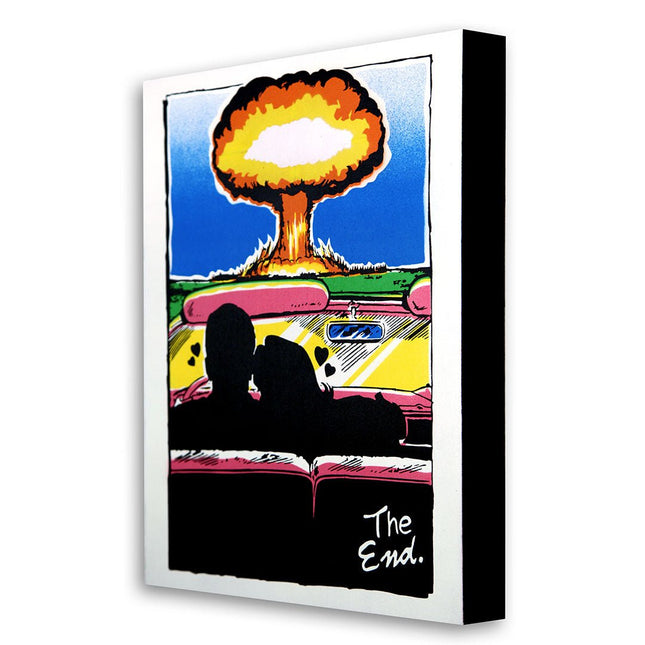
The depiction of automobiles in Street Pop Art and Graffiti Artwork goes beyond mere representation. These vehicles, embedded in the art, reflect the cultural and historical contexts of the times. In periods of economic boom, cars in art might be depicted as symbols of affluence and progress. Conversely, these identical vehicles can be portrayed as emblems of decay and societal neglect during societal unrest or economic downturns. Artists like Jean-Michel Basquiat, an American artist of Haitian and Puerto Rican descent who died in 1988, often included cars in his neo-expressionist works. These vehicles served as symbols to comment on race, class, and social dichotomies. His use of cars and other vehicles was about their form and the underlying narratives they carried. The portrayal of cars, trucks, and vans in Street Pop Art and Graffiti Artwork is multifaceted. These vehicles are more than just modes of transportation; they are symbols laden with cultural, social, and political significance. Through the lenses of different artists and across various periods, these automobiles take on varied meanings and become powerful tools in the artistic expression of Street Pop Art and Graffiti Artwork.
Cultural Resonance of Classic Automobiles in Art
In the hands of street artists, classic cars are elevated from mere relics of the past to influential icons that evoke the golden age of automotive design. They serve as a canvas within a canvas, a motif that artists use to explore themes of Americana, consumerism, and the passage of time. This reverence for classic cars within street pop art and graffiti reflects a broader cultural appreciation, where these vehicles are often lovingly restored and showcased at events, drawing crowds and fostering communities. Similarly, they bridge generations in art, appealing to older enthusiasts who remember these vehicles in their heyday, and younger admirers are attracted to their retro charm.
Sports Cars Aesthetics and Symbolism
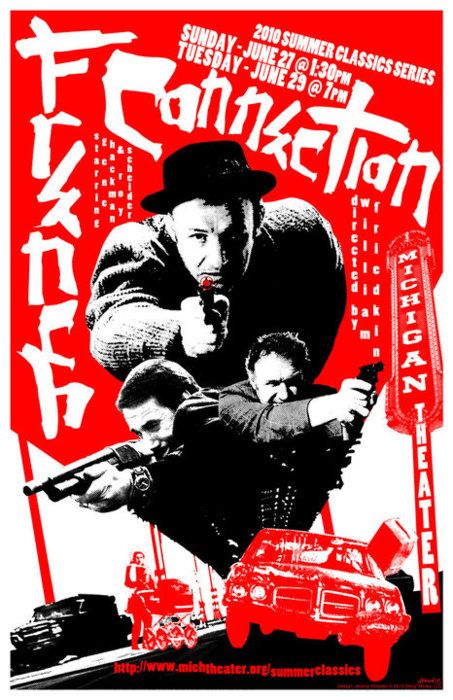
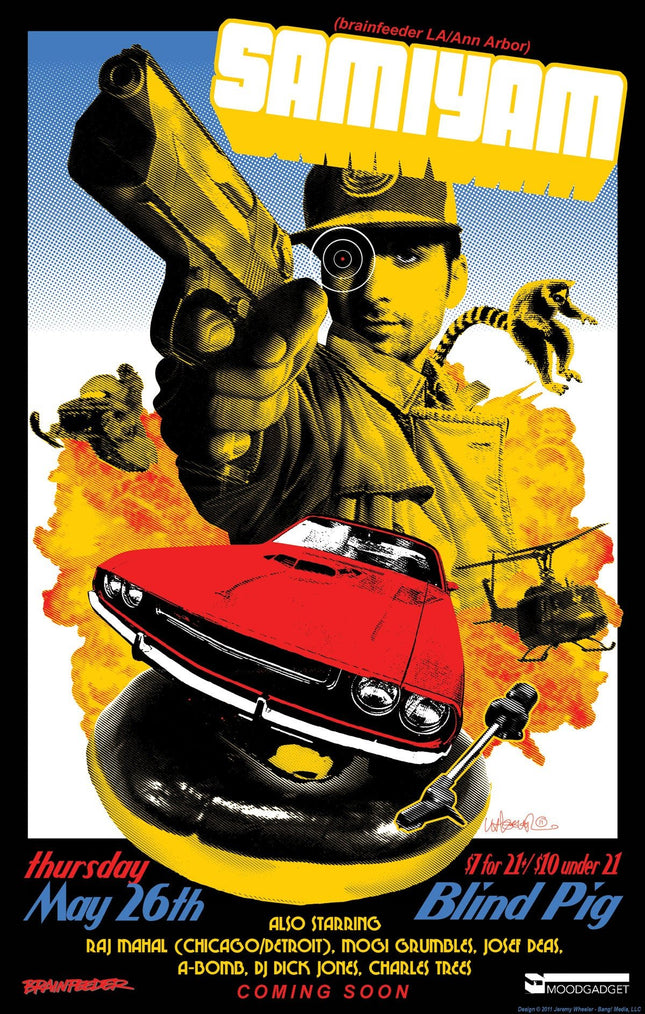
Sports cars have been a popular subject in both graffiti and pop art. Graffiti art often portrays sports cars in a dynamic and expressive style, while pop art takes a more stylized and colorful approach. Both art styles celebrate the beauty and speed of sports cars while commenting on society's fascination with material possessions and consumer culture. In graffiti art, sports cars are often depicted in motion, with dynamic lines and bold colors conveying a sense of speed and excitement. Graffiti artists may also incorporate elements of street culture, such as spray-painted tags or graffiti lettering, to create a sense of urban rebellion and subversion. In pop art, sports cars are typically portrayed as more stylized and colorful, with bright, eye-catching colors and exaggerated proportions. Pop artists like Andy Warhol and Roy Lichtenstein often used sports cars to symbolize consumer culture and the American Dream, commenting on how material possessions have become a marker of success and status. Both graffiti art and pop art offer unique and vibrant perspectives on the world of sports cars, highlighting the beauty, excitement, and cultural significance of these iconic vehicles. The visual appeal of classic cars lends itself well to street pop art's bold and impactful style. Artists often play with the cars' iconic designs, infusing them with exaggerated features or placing them in surreal contexts. This juxtaposition of the classic with the contemporary speaks to the enduring relevance of these automobiles. Moreover, the symbolism attached to classic cars—a sense of bygone elegance, the American dream, the freedom of mobility—resonates in urban environments where space is at a premium and such cars are rarely seen. By bringing these symbols into the public eye, artists contrast the modern cityscape, inviting contemplation on progress and change.
Classic Cars as Storytellers
Beyond their visual impact, classic cars in street pop art often tell a story. They can serve as a narrative device, setting the scene for a bygone era or hinting at a backstory for imagined characters. In some pieces, the cars are characters with personalities, rendered with anthropomorphic qualities that invite viewers to ascribe emotions and experiences to them. This personification of inanimate objects is a common technique in pop art, adding layers of meaning and engagement to the work. Through these depictions, classic cars become more than just transportation; they are protagonists in a visual tale unfolding on the city's walls. When integrated into street pop art and graffiti, classic cars often adopt the urban landscape's textures and colors. This blending anchors the cars within their new context, merging past and present. Artists might incorporate cityscape elements, such as architecture or street signs, into the background, framing the cars within a modern urban setting while preserving their historical aura. This integration showcases the artist's skill in combining disparate elements to create a cohesive and evocative piece. Ultimately, the incorporation of classic cars into street pop art is a reflection of society's relationship with its past and present. These artworks often evoke nostalgia, a yearning for a time when life seemed more straightforward and elegant. At the same time, by bringing these symbols of the past into a contemporary setting, artists remind viewers of the relentless march of time and the continuous evolution of culture. Classic cars in street pop art and graffiti are a testament to the human desire to remember and revere the past while continually moving forward. The inclusion of classic cars in street pop art and graffiti artworks is a multifaceted exploration of style, culture, and societal change. Through the lens of these revered automobiles, artists can express complex ideas and emotions, creating a dialogue with the viewer that transcends the visual experience. Whether as objects of beauty, symbols of a bygone era, or central characters in a narrative, classic cars will continue to inspire and captivate artists and audiences within the urban tapestry.