Chanel

13 artworks

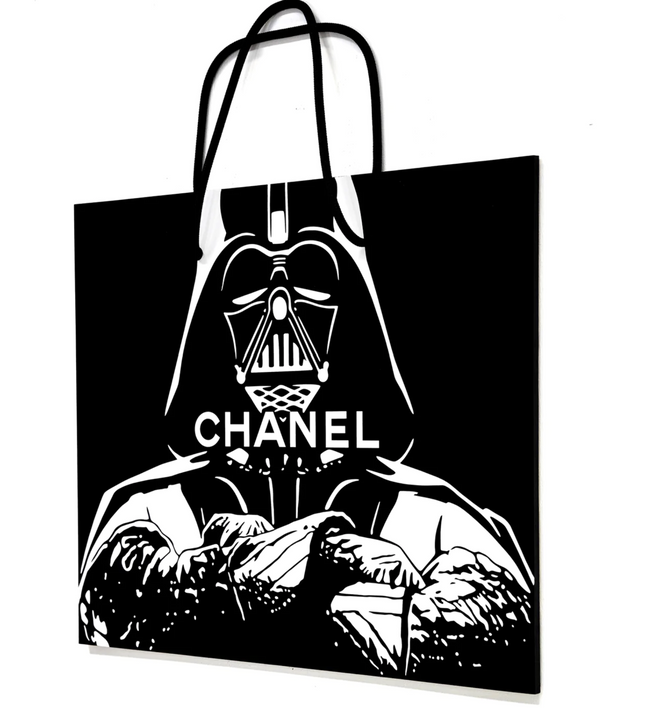
  • Chanel Dark Side HPM Stencil on Wood by Ben Frost

    Ben Frost Chanel Dark Side HPM Stencil on Wood by Ben Frost

    Chanel Dark Side HPM Stencil on Wood by Ben Frost Hand-Painted Multiple Panel Ready to Hang by ARTIST Graffiti Street Artist Modern Pop Art. 2022 Signed & Numbered Edition of 3 HPM MEDIA Print Artwork Size 27.5x23.5 Acrylic and spray paint on board with synthetic rope handles

    $5,463.00

  • Coco Chanel Riskoleum AP Giclee Print by Risk Rock

    Risk Rock Coco Chanel Riskoleum AP Giclee Print by Risk Rock

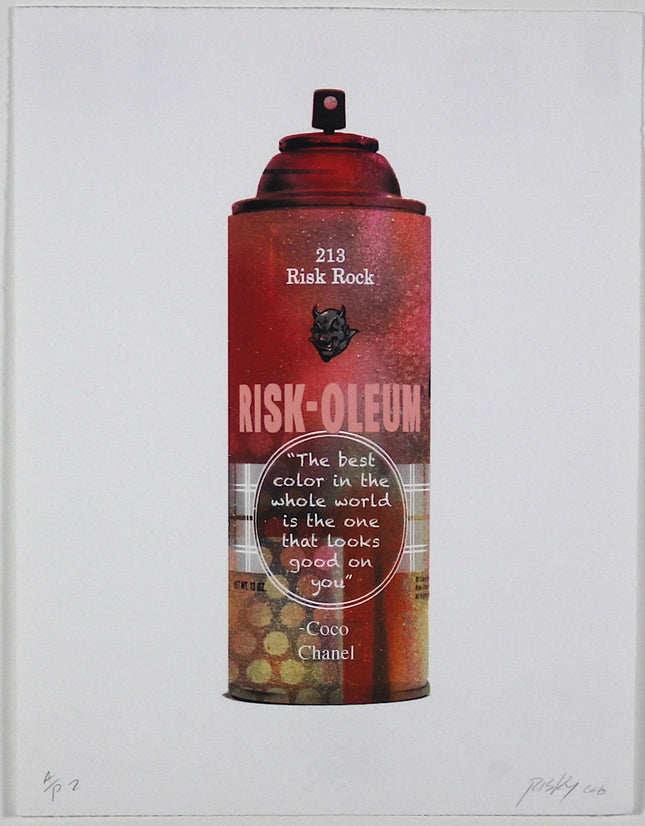
    Coco Chanel Riskoleum Artwork Giclee Limited Edition Print on Coventry Rag Archival Paper by Pop Culture Graffiti Artist Risk. AP Artist Proof Signed & Marked AP Giclee Print on Coventry Rag Archival Paper. A special commission print for LA Fashion week 2017, dated 2016. Hand-signed & numbered. 18x14in Riskoleum: Fashion Meets Graffiti in a Limited Edition Tribute The Coco Chanel Riskoleum limited edition print by graffiti pioneer Kelly Graval, known as Risk, captures the energy of fashion and street culture in one striking composition. Created as a special commission for LA Fashion Week 2017, the piece merges the high-fashion elegance of Chanel with the gritty authenticity of spray can iconography. Measuring 18 by 14 inches and printed on Coventry Rag archival paper, this artist proof giclée is hand-signed and marked AP, reflecting the collectible nature of both the subject and the medium. In classic Risk style, it transforms a utilitarian object—the spray can—into a canvas for fashion commentary. Risk’s Signature Fusion of Color and Culture Risk emerged from the graffiti scene in Los Angeles during the 1980s and became a central figure in bringing graffiti from the streets into galleries. His work often plays with the aesthetics of branding, color theory, and popular symbolism. The Riskoleum series, a parody of commercial paint brands, is one of his most recognizable contributions to the crossover of Street Pop Art & Graffiti Artwork into the mainstream art world. With the Coco Chanel edition, Risk injects luxury into this urban framework, blending the iconic elegance of Chanel with the rawness of aerosol culture. The spray can becomes a metaphor for self-expression, empowerment, and redefinition of style. The Dialogue Between Fashion and Graffiti The artwork does more than just feature the Chanel name. It represents how graffiti artists have reimagined traditional fashion tropes through the lens of street culture. The stencil-style layering, color fields, and spray techniques used in the Riskoleum format contrast sharply with the legacy of haute couture. Yet, it is precisely this tension that gives the work its power. The overlay of Coco Chanel’s influence on a street tool of expression invites reflection on how style evolves from both sidewalk and runway. Risk shows that graffiti and high fashion are not opposites, but collaborators in a new visual era. A Celebrated Edition for Collectors and Culture Enthusiasts As an artist proof from a limited run, this Coco Chanel Riskoleum print stands as both a critique and celebration. Commissioned for a prominent fashion event, it connects the world of design with the rebellious edge of graffiti. Printed on Coventry Rag paper using archival inks, the giclée process gives depth and longevity to the piece, while preserving the vibrant layers that Risk is known for. The work is not just a visual pun—it is a statement about individuality, beauty, and the power of art to cross cultural boundaries. Risk continues to shape the conversation around Street Pop Art & Graffiti Artwork, proving once again that style can be both sprayed and sewn.

    $356.00

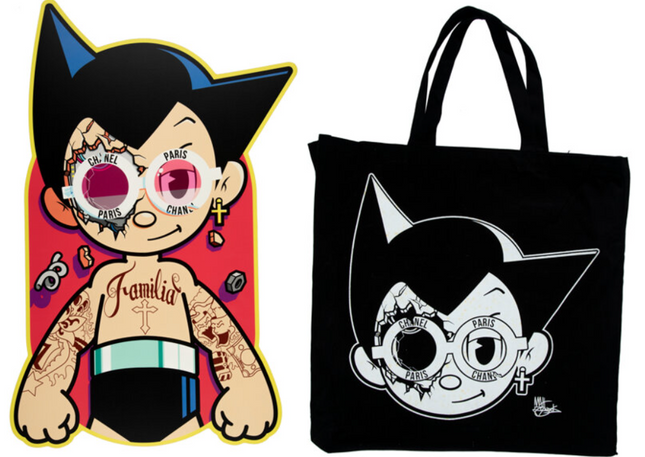
  • Sale -25% Mighty Vibras Offset Lithograph Print on Wood by J Balvin x Matt Gondek

    Matt Gondek Mighty Vibras Offset Lithograph Print on Wood by J Balvin x Matt Gondek

    Mighty Vibras Offset Lithograph Print on Wood Panel by J Balvin x Matt Gondek with Tote Bag Limited Edition Graffiti Street Pop Artwork. 2018 Signed & Numbered Limited Edition of 300 Artwork Size 14x23 Tattooed Up Astro Boy with Chanel Glasses. Bag Has Minor Spot Staining in Upper Area. Artwork Perfect to Near Perfect. J Balvin x Matt Gondek Cultural Synthesis in Street Pop Art The "Mighty Vibras" offset lithograph print on a wood panel is a dynamic fusion of music, street culture, and contemporary art. A collaborative piece by Colombian reggaeton superstar J Balvin and Los Angeles-based artist Matt Gondek, this artwork captures the essence of Street Pop Art and graffiti Artwork. Released in 2018, the limited edition of 300 signed and numbered pieces reflects the global influence of urban art forms and the increasingly porous boundaries between art, music, and fashion. The "Mighty Vibras" piece vividly portrays a tattooed-up Astro Boy, complete with Chanel glasses, a symbol of luxury infused with urban grit. This character, an icon of Japanese manga, is reimagined through the lens of street culture and high fashion, signifying the interconnected nature of global pop culture. Gondek's deconstructive style, known for taking apart characters and piecing them back together, is evident in the artwork's fragmented features, which are visually arresting and thematically resonant. J Balvin's influence on the piece brings a cross-cultural element that is palpable in the artwork's bold colors and the inclusion of the word "Familia" tattooed across the character's chest, a nod to the themes of kinship and belonging that pervade Balvin's music. The size of the artwork, at 14x23 inches, makes it a statement piece that stands out in any setting, from a casual living room to a high-end gallery. Intersection of Art and Merchandise Accompanying the print is a tote bag featuring the same design, highlighting the growing trend of art becoming wearable and usable in daily life. This approach to art merchandise expands the artwork's reach beyond the traditional confines of the art world, allowing it to become a part of the consumer's everyday experience. The tote bag is a mobile canvas, spreading the visual impact of the "Mighty Vibras" artwork to a broader audience. The synthesis of J Balvin's musical heritage and Matt Gondek's artistry in "Mighty Vibras" exemplifies the potential of collaboration across different creative industries. It also illustrates the power of street art to transcend its origins, infiltrating mainstream culture and fashion and becoming an emblem of contemporary lifestyle. "Mighty Vibras" is more than just an artwork; it is a cultural artifact that encapsulates the spirit of the times. It stands as a testament to the creative synergy between J Balvin and Matt Gondek, blending street art's raw energy with pop culture's gloss and, in doing so, creating a new visual language that speaks to a diverse, global audience. The limited edition nature of the piece, along with its associated merchandise, cements its status as a collectible item that holds both artistic and cultural value.

    $959.00 $719.00

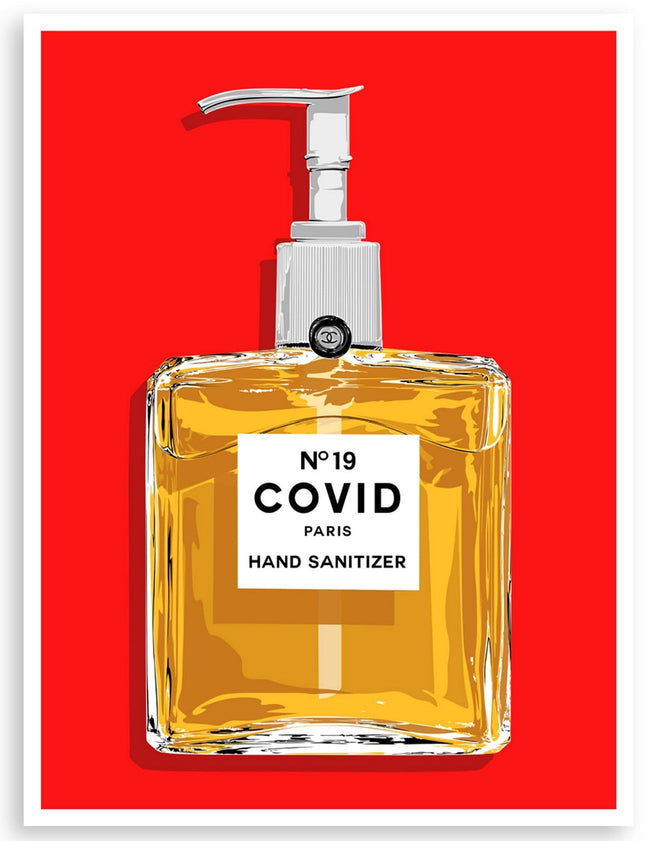
  • Covid No 19 Rose Archival Print by Denial- Daniel Bombardier

    Denial- Daniel Bombardier Covid No 19 Rose Archival Print by Denial- Daniel Bombardier

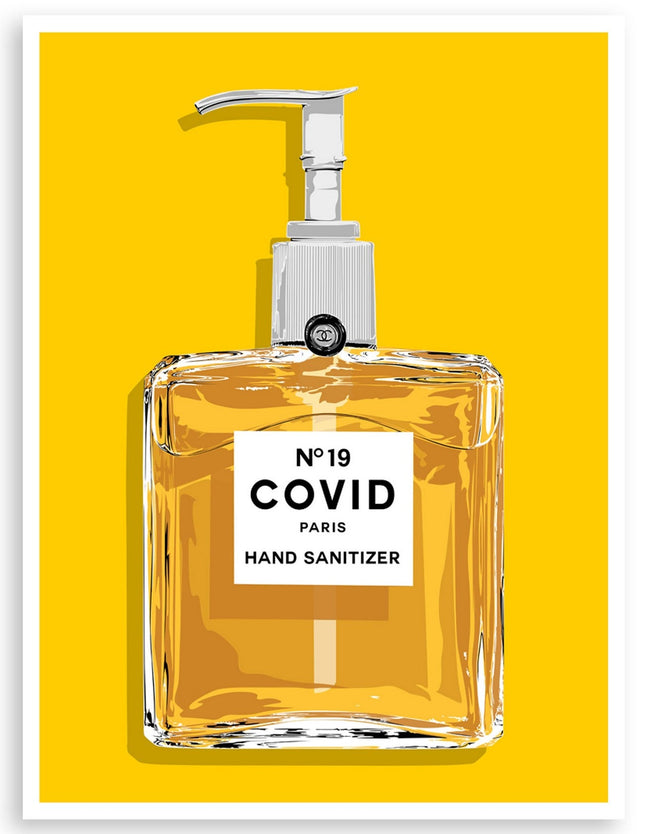
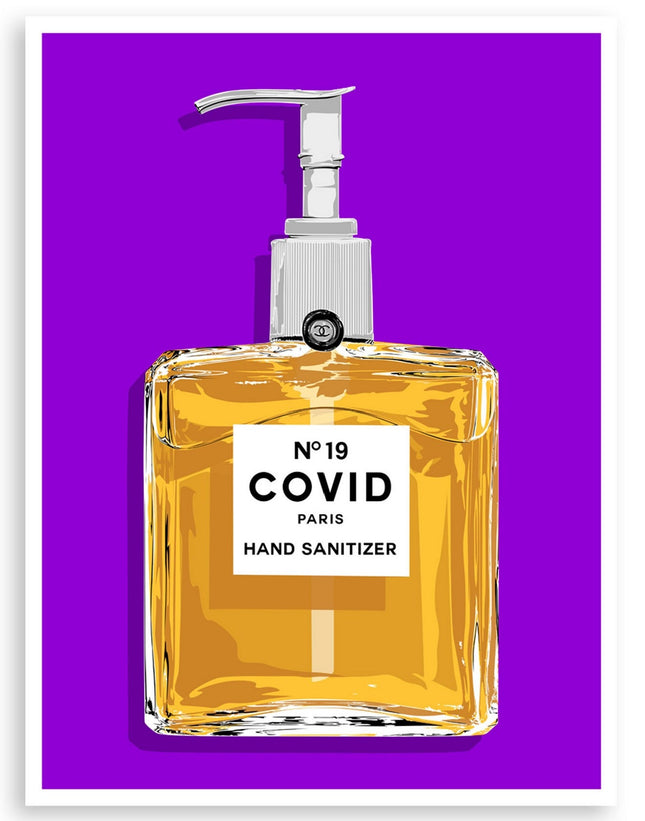
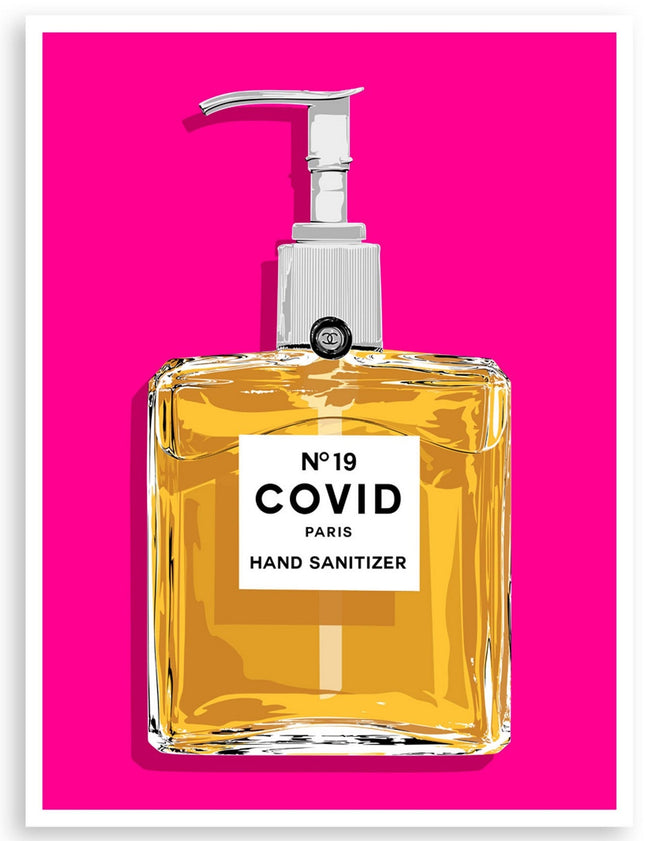
    Covid No 19- Rose Limited Edition Archival Pigment Print on 290gsm MOAB Fine Art Paper by Graffiti Pop Art and Street Artist Denial. 2021 Signed & Numbered Limited Edition of 19 Rose Covid19 Chanel Hand Sanitizer Virus Variant. Numbered, Signed, Stamped on Reverse Archival Pigment Print on MOAB Fine Art Paper 290 GSM Size 18" x 24" Denial’s COVID No. 19: Luxury Branding in the Age of Global Crisis Denial’s COVID No. 19 is a striking archival pigment print released in 2021 as a limited edition of 19, each hand-signed, numbered, and stamped on 290gsm MOAB fine art paper. The work appropriates the form of a Chanel No. 5 perfume bottle, replacing its iconic label with a fictional product name: COVID No. 19 Hand Sanitizer. Rendered with hyper-clean digital precision, the image reconfigures the aesthetics of high fashion to comment on the absurdities of pandemic-era consumerism. The hand sanitizer bottle is presented with all the visual authority of a luxury good, transforming an object of necessity into a parody of status and desire. At the core of this piece is a brutal cultural observation: during a global health emergency, everyday tools of survival—like sanitizer and masks—were elevated to symbols of identity, fashion, and economic access. Denial’s rebranding of Chanel’s perfume into a virus-era commodity confronts this shift head-on. The artwork doesn’t merely lampoon luxury—it reveals how systems of marketing can absorb trauma, repackage it, and sell it back to the public. The Chanel-style labeling is clinical yet elegant, a nod to how visual minimalism often masks corporate manipulation. Commercial Aesthetics as Subversive Weaponry Denial’s artistic strategy centers on the theft and recontextualization of commercial language. With COVID No. 19, the use of vector-sharp line work, realistic light reflections, and exacting product design mimics advertising to the point of deception. This imitation is intentional. The viewer is meant to initially read the image as authentic—something from a fashion magazine or cosmetics campaign—before the irony of the label snaps into focus. The dissonance between form and content invites a critique of the capitalist tendency to aestheticize suffering. This visual methodology ties directly into the ethos of Street Pop Art & Graffiti Artwork. Denial’s roots in unauthorized public messaging and subcultural image disruption remain present, even as the work exists in a fine art format. The absence of spray drips or rough textures does not diminish the rebellion. Instead, it retools the graphic language of commercial persuasion to undermine itself from within. What looks like a product pitch is, in fact, a visual accusation. The pandemic is not the subject—it is the branding of the pandemic that comes under fire. Street Pop Art as Pandemic Documentation COVID No. 19 operates as both satire and historical record. It captures a cultural moment when survival tools became luxury statements, when scarcity was linked to exclusivity, and when branding extended even to medical supplies. Denial’s artwork speaks to the way modern crises are not only experienced but marketed—how the fear of illness was filtered through the same systems that sell beauty, fashion, and lifestyle. The sanitizer bottle becomes a symbol not of protection, but of consumption. By fusing the iconography of fashion with the reality of a global pandemic, Denial forces the viewer to reconsider the boundaries between design and ethics, branding and survival. The visual simplicity of COVID No. 19 hides a layered indictment of how quickly commercial aesthetics can strip events of meaning. In the tradition of Street Pop Art & Graffiti Artwork, this piece turns familiar symbols against themselves, exposing the fragility of culture’s glossy surfaces when confronted with real human urgency.

    $313.00

  • Covid No 19 Juane Archival Print by Denial- Daniel Bombardier

    Denial- Daniel Bombardier Covid No 19 Juane Archival Print by Denial- Daniel Bombardier

    Covid No 19- Juane Limited Edition Archival Pigment Print on 290gsm MOAB Fine Art Paper by Graffiti Pop Art and Street Artist Denial. 2021 Signed & Numbered Limited Edition of 19 Juane Covid19 Chanel Hand Sanitizer Virus Variant. Numbered, Signed, Stamped on Reverse Archival Pigment Print on MOAB Fine Art Paper 290 GSM Size 18" x 24" Denial’s COVID No. 19: Luxury Branding in the Age of Global Crisis Denial’s COVID No. 19 is a striking archival pigment print released in 2021 as a limited edition of 19, each hand-signed, numbered, and stamped on 290gsm MOAB fine art paper. The work appropriates the form of a Chanel No. 5 perfume bottle, replacing its iconic label with a fictional product name: COVID No. 19 Hand Sanitizer. Rendered with hyper-clean digital precision, the image reconfigures the aesthetics of high fashion to comment on the absurdities of pandemic-era consumerism. The hand sanitizer bottle is presented with all the visual authority of a luxury good, transforming an object of necessity into a parody of status and desire. At the core of this piece is a brutal cultural observation: during a global health emergency, everyday tools of survival—like sanitizer and masks—were elevated to symbols of identity, fashion, and economic access. Denial’s rebranding of Chanel’s perfume into a virus-era commodity confronts this shift head-on. The artwork doesn’t merely lampoon luxury—it reveals how systems of marketing can absorb trauma, repackage it, and sell it back to the public. The Chanel-style labeling is clinical yet elegant, a nod to how visual minimalism often masks corporate manipulation. Commercial Aesthetics as Subversive Weaponry Denial’s artistic strategy centers on the theft and recontextualization of commercial language. With COVID No. 19, the use of vector-sharp line work, realistic light reflections, and exacting product design mimics advertising to the point of deception. This imitation is intentional. The viewer is meant to initially read the image as authentic—something from a fashion magazine or cosmetics campaign—before the irony of the label snaps into focus. The dissonance between form and content invites a critique of the capitalist tendency to aestheticize suffering. This visual methodology ties directly into the ethos of Street Pop Art & Graffiti Artwork. Denial’s roots in unauthorized public messaging and subcultural image disruption remain present, even as the work exists in a fine art format. The absence of spray drips or rough textures does not diminish the rebellion. Instead, it retools the graphic language of commercial persuasion to undermine itself from within. What looks like a product pitch is, in fact, a visual accusation. The pandemic is not the subject—it is the branding of the pandemic that comes under fire. Street Pop Art as Pandemic Documentation COVID No. 19 operates as both satire and historical record. It captures a cultural moment when survival tools became luxury statements, when scarcity was linked to exclusivity, and when branding extended even to medical supplies. Denial’s artwork speaks to the way modern crises are not only experienced but marketed—how the fear of illness was filtered through the same systems that sell beauty, fashion, and lifestyle. The sanitizer bottle becomes a symbol not of protection, but of consumption. By fusing the iconography of fashion with the reality of a global pandemic, Denial forces the viewer to reconsider the boundaries between design and ethics, branding and survival. The visual simplicity of COVID No. 19 hides a layered indictment of how quickly commercial aesthetics can strip events of meaning. In the tradition of Street Pop Art & Graffiti Artwork, this piece turns familiar symbols against themselves, exposing the fragility of culture’s glossy surfaces when confronted with real human urgency.

    $313.00

  • Covid No 19 Bleue Archival Print by Denial- Daniel Bombardier

    Denial- Daniel Bombardier Covid No 19 Bleue Archival Print by Denial- Daniel Bombardier

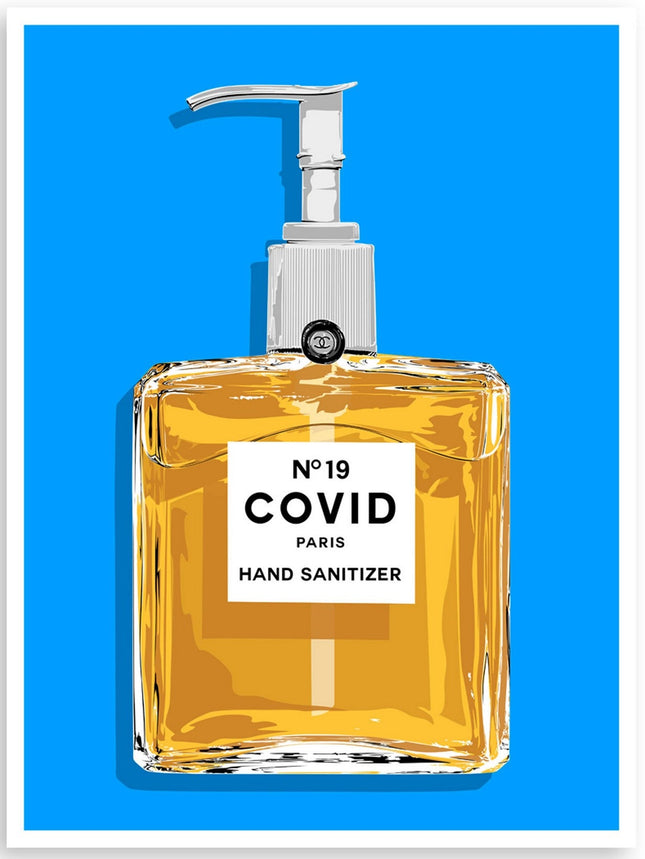
    Covid No 19- Bleue Limited Edition Archival Pigment Print on 290gsm MOAB Fine Art Paper by Graffiti Pop Art and Street Artist Denial. 2021 Signed & Numbered Limited Edition of 19 Bleue Covid19 Chanel Hand Sanitizer Virus Variant. Numbered, Signed, Stamped on Reverse Archival Pigment Print on MOAB Fine Art Paper 290 GSM Size 18" x 24" Denial’s COVID No. 19: Luxury Branding in the Age of Global Crisis Denial’s COVID No. 19 is a striking archival pigment print released in 2021 as a limited edition of 19, each hand-signed, numbered, and stamped on 290gsm MOAB fine art paper. The work appropriates the form of a Chanel No. 5 perfume bottle, replacing its iconic label with a fictional product name: COVID No. 19 Hand Sanitizer. Rendered with hyper-clean digital precision, the image reconfigures the aesthetics of high fashion to comment on the absurdities of pandemic-era consumerism. The hand sanitizer bottle is presented with all the visual authority of a luxury good, transforming an object of necessity into a parody of status and desire. At the core of this piece is a brutal cultural observation: during a global health emergency, everyday tools of survival—like sanitizer and masks—were elevated to symbols of identity, fashion, and economic access. Denial’s rebranding of Chanel’s perfume into a virus-era commodity confronts this shift head-on. The artwork doesn’t merely lampoon luxury—it reveals how systems of marketing can absorb trauma, repackage it, and sell it back to the public. The Chanel-style labeling is clinical yet elegant, a nod to how visual minimalism often masks corporate manipulation. Commercial Aesthetics as Subversive Weaponry Denial’s artistic strategy centers on the theft and recontextualization of commercial language. With COVID No. 19, the use of vector-sharp line work, realistic light reflections, and exacting product design mimics advertising to the point of deception. This imitation is intentional. The viewer is meant to initially read the image as authentic—something from a fashion magazine or cosmetics campaign—before the irony of the label snaps into focus. The dissonance between form and content invites a critique of the capitalist tendency to aestheticize suffering. This visual methodology ties directly into the ethos of Street Pop Art & Graffiti Artwork. Denial’s roots in unauthorized public messaging and subcultural image disruption remain present, even as the work exists in a fine art format. The absence of spray drips or rough textures does not diminish the rebellion. Instead, it retools the graphic language of commercial persuasion to undermine itself from within. What looks like a product pitch is, in fact, a visual accusation. The pandemic is not the subject—it is the branding of the pandemic that comes under fire. Street Pop Art as Pandemic Documentation COVID No. 19 operates as both satire and historical record. It captures a cultural moment when survival tools became luxury statements, when scarcity was linked to exclusivity, and when branding extended even to medical supplies. Denial’s artwork speaks to the way modern crises are not only experienced but marketed—how the fear of illness was filtered through the same systems that sell beauty, fashion, and lifestyle. The sanitizer bottle becomes a symbol not of protection, but of consumption. By fusing the iconography of fashion with the reality of a global pandemic, Denial forces the viewer to reconsider the boundaries between design and ethics, branding and survival. The visual simplicity of COVID No. 19 hides a layered indictment of how quickly commercial aesthetics can strip events of meaning. In the tradition of Street Pop Art & Graffiti Artwork, this piece turns familiar symbols against themselves, exposing the fragility of culture’s glossy surfaces when confronted with real human urgency.

    $313.00

  • High Fashion Chanel Blotter Print by Denial- Daniel Bombardier

    Denial- Daniel Bombardier High Fashion Chanel Blotter Print by Denial- Daniel Bombardier

    High Fashion Chanel Blotter Print by Denial- Daniel Bombardier Limited Edition Fine Art Archival Pigment Print Art on Perforated Blotter Paper. 2024 Signed & Numbered Limited Edition of 35 Archival Pigment Print on Perforated Blotter Paper Size: 7.5 x 7.5 Inches Release: April 19, 2024, Limited blotter editions are hand-perforated by Zane Kesey. Chanel Reimagined in Street Pop Art & Graffiti Artwork The unmistakable double C logo of Chanel has long stood as a symbol of luxury, status, and timeless fashion, yet in the world of Street Pop Art & Graffiti Artwork, it takes on a new identity. Chanel, founded by Gabrielle Chanel in France during the early twentieth century, revolutionized fashion through clean lines and modern elegance. In the context of urban art, its pristine image is often recontextualized as a critique, satire, or celebration of wealth culture and identity. Artists like Daniel Bombardier, also known as Denial, use this emblem to explore the commodification of status and the blending of luxury and rebellion. Luxury Disrupted: Daniel Bombardier’s Artistic Commentary In 2024, Daniel Bombardier released a limited edition blotter paper artwork titled High Fashion Chanel. With an edition of only thirty-five, this archival pigment print was applied on hand-perforated blotter paper by Zane Kesey, a figure associated with psychedelic culture. The medium alone offers a layered context, hinting at altered states and counterculture movements. The bold Chanel logo dominates a minimalist yet highly repetitive background, turning the monogram pattern into both a celebration and subversion of consumerist branding. What traditionally represents refinement and class is reframed as something mass-produced and industrial, raising questions about the values consumers assign to logos and heritage. Visual Language and the Power of the Symbol The use of blotter paper in this edition is more than a stylistic decision. Its association with underground psychedelia adds another layer to the interpretation, aligning the visual impact of the work with ideas of transformation, critique, and satire. Bombardier is known for blending commercial aesthetics with provocative messages, and this Chanel print is no exception. The composition presents a clean layout that invites viewers to engage with how deeply symbols have embedded themselves into culture. The repetition of the Chanel monogram mimics advertising saturation, while the clean lines reference the brand's original design ethos, creating tension between reverence and critique. Street Pop Art & Graffiti Artwork Meets Fashion Iconography High Fashion Chanel reflects how street-level art forms engage with fashion not only as design but as commentary. This blotter print stands as both an homage and interrogation of luxury’s influence on identity, class, and aspiration. Denial’s work joins a broader conversation where fashion logos are used as tools for expression, resistance, or humor in urban visual culture. Through precise design, unexpected mediums, and intentional appropriation, Chanel’s image is reworked into something both familiar and radically transformed—making it an ideal subject within the language of Street Pop Art & Graffiti Artwork.

    $500.00

  • Covid No 19 Mauve Archival Print by Denial- Daniel Bombardier

    Denial- Daniel Bombardier Covid No 19 Mauve Archival Print by Denial- Daniel Bombardier

    Covid No 19- Mauve Limited Edition Archival Pigment Print on 290gsm MOAB Fine Art Paper by Graffiti Pop Art and Street Artist Denial. 2021 Signed & Numbered Limited Edition of 19 Mauve Covid19 Chanel Hand Sanitizer Virus Variant. Numbered, Signed, Stamped on Reverse Archival Pigment Print on MOAB Fine Art Paper 290 GSM Size 18" x 24" Denial’s COVID No. 19: Luxury Branding in the Age of Global Crisis Denial’s COVID No. 19 is a striking archival pigment print released in 2021 as a limited edition of 19, each hand-signed, numbered, and stamped on 290gsm MOAB fine art paper. The work appropriates the form of a Chanel No. 5 perfume bottle, replacing its iconic label with a fictional product name: COVID No. 19 Hand Sanitizer. Rendered with hyper-clean digital precision, the image reconfigures the aesthetics of high fashion to comment on the absurdities of pandemic-era consumerism. The hand sanitizer bottle is presented with all the visual authority of a luxury good, transforming an object of necessity into a parody of status and desire. At the core of this piece is a brutal cultural observation: during a global health emergency, everyday tools of survival—like sanitizer and masks—were elevated to symbols of identity, fashion, and economic access. Denial’s rebranding of Chanel’s perfume into a virus-era commodity confronts this shift head-on. The artwork doesn’t merely lampoon luxury—it reveals how systems of marketing can absorb trauma, repackage it, and sell it back to the public. The Chanel-style labeling is clinical yet elegant, a nod to how visual minimalism often masks corporate manipulation. Commercial Aesthetics as Subversive Weaponry Denial’s artistic strategy centers on the theft and recontextualization of commercial language. With COVID No. 19, the use of vector-sharp line work, realistic light reflections, and exacting product design mimics advertising to the point of deception. This imitation is intentional. The viewer is meant to initially read the image as authentic—something from a fashion magazine or cosmetics campaign—before the irony of the label snaps into focus. The dissonance between form and content invites a critique of the capitalist tendency to aestheticize suffering. This visual methodology ties directly into the ethos of Street Pop Art & Graffiti Artwork. Denial’s roots in unauthorized public messaging and subcultural image disruption remain present, even as the work exists in a fine art format. The absence of spray drips or rough textures does not diminish the rebellion. Instead, it retools the graphic language of commercial persuasion to undermine itself from within. What looks like a product pitch is, in fact, a visual accusation. The pandemic is not the subject—it is the branding of the pandemic that comes under fire. Street Pop Art as Pandemic Documentation COVID No. 19 operates as both satire and historical record. It captures a cultural moment when survival tools became luxury statements, when scarcity was linked to exclusivity, and when branding extended even to medical supplies. Denial’s artwork speaks to the way modern crises are not only experienced but marketed—how the fear of illness was filtered through the same systems that sell beauty, fashion, and lifestyle. The sanitizer bottle becomes a symbol not of protection, but of consumption. By fusing the iconography of fashion with the reality of a global pandemic, Denial forces the viewer to reconsider the boundaries between design and ethics, branding and survival. The visual simplicity of COVID No. 19 hides a layered indictment of how quickly commercial aesthetics can strip events of meaning. In the tradition of Street Pop Art & Graffiti Artwork, this piece turns familiar symbols against themselves, exposing the fragility of culture’s glossy surfaces when confronted with real human urgency.

    $313.00

  • Covid No 19 Verte Archival Print by Denial- Daniel Bombardier

    Denial- Daniel Bombardier Covid No 19 Verte Archival Print by Denial- Daniel Bombardier

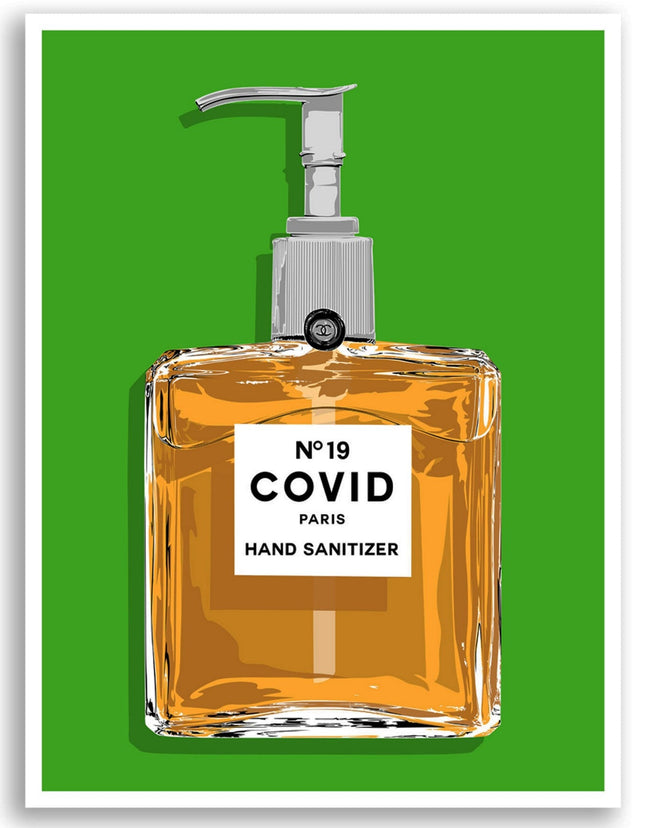
    Covid No 19- Verte Limited Edition Archival Pigment Print on 290gsm MOAB Fine Art Paper by Graffiti Pop Art and Street Artist Denial. 2021 Signed & Numbered Limited Edition of 19 Verte Covid19 Chanel Hand Sanitizer Virus Variant. Numbered, Signed, Stamped on Reverse Archival Pigment Print on MOAB Fine Art Paper 290 GSM Size 18" x 24" Denial’s COVID No. 19: Luxury Branding in the Age of Global Crisis Denial’s COVID No. 19 is a striking archival pigment print released in 2021 as a limited edition of 19, each hand-signed, numbered, and stamped on 290gsm MOAB fine art paper. The work appropriates the form of a Chanel No. 5 perfume bottle, replacing its iconic label with a fictional product name: COVID No. 19 Hand Sanitizer. Rendered with hyper-clean digital precision, the image reconfigures the aesthetics of high fashion to comment on the absurdities of pandemic-era consumerism. The hand sanitizer bottle is presented with all the visual authority of a luxury good, transforming an object of necessity into a parody of status and desire. At the core of this piece is a brutal cultural observation: during a global health emergency, everyday tools of survival—like sanitizer and masks—were elevated to symbols of identity, fashion, and economic access. Denial’s rebranding of Chanel’s perfume into a virus-era commodity confronts this shift head-on. The artwork doesn’t merely lampoon luxury—it reveals how systems of marketing can absorb trauma, repackage it, and sell it back to the public. The Chanel-style labeling is clinical yet elegant, a nod to how visual minimalism often masks corporate manipulation. Commercial Aesthetics as Subversive Weaponry Denial’s artistic strategy centers on the theft and recontextualization of commercial language. With COVID No. 19, the use of vector-sharp line work, realistic light reflections, and exacting product design mimics advertising to the point of deception. This imitation is intentional. The viewer is meant to initially read the image as authentic—something from a fashion magazine or cosmetics campaign—before the irony of the label snaps into focus. The dissonance between form and content invites a critique of the capitalist tendency to aestheticize suffering. This visual methodology ties directly into the ethos of Street Pop Art & Graffiti Artwork. Denial’s roots in unauthorized public messaging and subcultural image disruption remain present, even as the work exists in a fine art format. The absence of spray drips or rough textures does not diminish the rebellion. Instead, it retools the graphic language of commercial persuasion to undermine itself from within. What looks like a product pitch is, in fact, a visual accusation. The pandemic is not the subject—it is the branding of the pandemic that comes under fire. Street Pop Art as Pandemic Documentation COVID No. 19 operates as both satire and historical record. It captures a cultural moment when survival tools became luxury statements, when scarcity was linked to exclusivity, and when branding extended even to medical supplies. Denial’s artwork speaks to the way modern crises are not only experienced but marketed—how the fear of illness was filtered through the same systems that sell beauty, fashion, and lifestyle. The sanitizer bottle becomes a symbol not of protection, but of consumption. By fusing the iconography of fashion with the reality of a global pandemic, Denial forces the viewer to reconsider the boundaries between design and ethics, branding and survival. The visual simplicity of COVID No. 19 hides a layered indictment of how quickly commercial aesthetics can strip events of meaning. In the tradition of Street Pop Art & Graffiti Artwork, this piece turns familiar symbols against themselves, exposing the fragility of culture’s glossy surfaces when confronted with real human urgency.

    $313.00

  • Covid No 19 Sarcelle Archival Print by Denial- Daniel Bombardier

    Denial- Daniel Bombardier Covid No 19 Sarcelle Archival Print by Denial- Daniel Bombardier

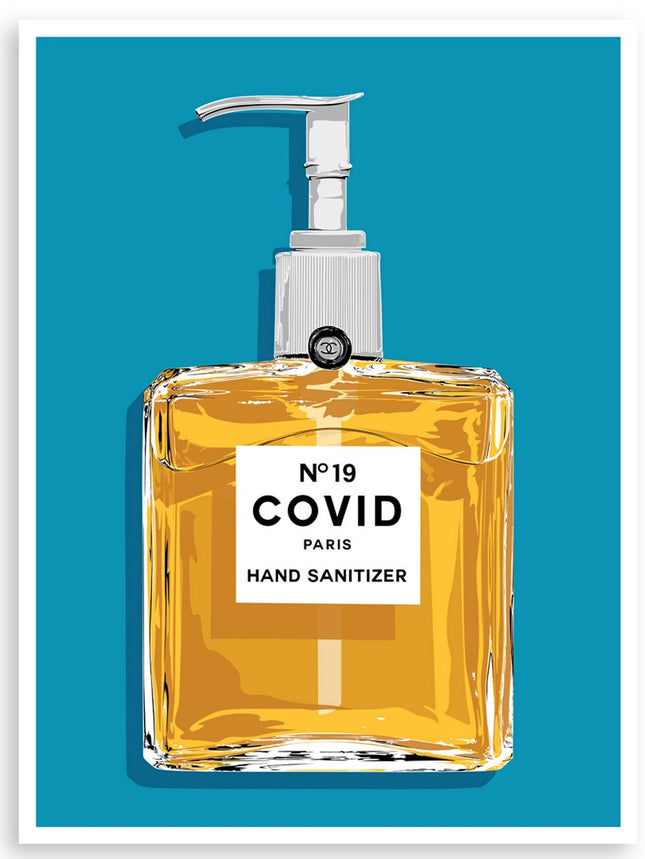
    Covid No 19- Sarcelle Limited Edition Archival Pigment Print on 290gsm MOAB Fine Art Paper by Graffiti Pop Art and Street Artist Denial. 2021 Signed & Numbered Limited Edition of 19 Sarcelle Covid19 Chanel Hand Sanitizer Virus Variant. Numbered, Signed, Stamped on Reverse Archival Pigment Print on MOAB Fine Art Paper 290 GSM Size 18" x 24" Denial’s COVID No. 19: Luxury Branding in the Age of Global Crisis Denial’s COVID No. 19 is a striking archival pigment print released in 2021 as a limited edition of 19, each hand-signed, numbered, and stamped on 290gsm MOAB fine art paper. The work appropriates the form of a Chanel No. 5 perfume bottle, replacing its iconic label with a fictional product name: COVID No. 19 Hand Sanitizer. Rendered with hyper-clean digital precision, the image reconfigures the aesthetics of high fashion to comment on the absurdities of pandemic-era consumerism. The hand sanitizer bottle is presented with all the visual authority of a luxury good, transforming an object of necessity into a parody of status and desire. At the core of this piece is a brutal cultural observation: during a global health emergency, everyday tools of survival—like sanitizer and masks—were elevated to symbols of identity, fashion, and economic access. Denial’s rebranding of Chanel’s perfume into a virus-era commodity confronts this shift head-on. The artwork doesn’t merely lampoon luxury—it reveals how systems of marketing can absorb trauma, repackage it, and sell it back to the public. The Chanel-style labeling is clinical yet elegant, a nod to how visual minimalism often masks corporate manipulation. Commercial Aesthetics as Subversive Weaponry Denial’s artistic strategy centers on the theft and recontextualization of commercial language. With COVID No. 19, the use of vector-sharp line work, realistic light reflections, and exacting product design mimics advertising to the point of deception. This imitation is intentional. The viewer is meant to initially read the image as authentic—something from a fashion magazine or cosmetics campaign—before the irony of the label snaps into focus. The dissonance between form and content invites a critique of the capitalist tendency to aestheticize suffering. This visual methodology ties directly into the ethos of Street Pop Art & Graffiti Artwork. Denial’s roots in unauthorized public messaging and subcultural image disruption remain present, even as the work exists in a fine art format. The absence of spray drips or rough textures does not diminish the rebellion. Instead, it retools the graphic language of commercial persuasion to undermine itself from within. What looks like a product pitch is, in fact, a visual accusation. The pandemic is not the subject—it is the branding of the pandemic that comes under fire. Street Pop Art as Pandemic Documentation COVID No. 19 operates as both satire and historical record. It captures a cultural moment when survival tools became luxury statements, when scarcity was linked to exclusivity, and when branding extended even to medical supplies. Denial’s artwork speaks to the way modern crises are not only experienced but marketed—how the fear of illness was filtered through the same systems that sell beauty, fashion, and lifestyle. The sanitizer bottle becomes a symbol not of protection, but of consumption. By fusing the iconography of fashion with the reality of a global pandemic, Denial forces the viewer to reconsider the boundaries between design and ethics, branding and survival. The visual simplicity of COVID No. 19 hides a layered indictment of how quickly commercial aesthetics can strip events of meaning. In the tradition of Street Pop Art & Graffiti Artwork, this piece turns familiar symbols against themselves, exposing the fragility of culture’s glossy surfaces when confronted with real human urgency.

    $313.00

  • Covid No 19 Rouge Archival Print by Denial- Daniel Bombardier

    Denial- Daniel Bombardier Covid No 19 Rouge Archival Print by Denial- Daniel Bombardier

    Covid No 19- Rouge Limited Edition Archival Pigment Print on 290gsm MOAB Fine Art Paper by Graffiti Pop Art and Street Artist Denial. 2021 Signed & Numbered Limited Edition of 19 Rouge Covid19 Chanel Hand Sanitizer Virus Variant. Numbered, Signed, Stamped on Reverse Archival Pigment Print on MOAB Fine Art Paper 290 GSM Size 18" x 24" Denial’s COVID No. 19: Luxury Branding in the Age of Global Crisis Denial’s COVID No. 19 is a striking archival pigment print released in 2021 as a limited edition of 19, each hand-signed, numbered, and stamped on 290gsm MOAB fine art paper. The work appropriates the form of a Chanel No. 5 perfume bottle, replacing its iconic label with a fictional product name: COVID No. 19 Hand Sanitizer. Rendered with hyper-clean digital precision, the image reconfigures the aesthetics of high fashion to comment on the absurdities of pandemic-era consumerism. The hand sanitizer bottle is presented with all the visual authority of a luxury good, transforming an object of necessity into a parody of status and desire. At the core of this piece is a brutal cultural observation: during a global health emergency, everyday tools of survival—like sanitizer and masks—were elevated to symbols of identity, fashion, and economic access. Denial’s rebranding of Chanel’s perfume into a virus-era commodity confronts this shift head-on. The artwork doesn’t merely lampoon luxury—it reveals how systems of marketing can absorb trauma, repackage it, and sell it back to the public. The Chanel-style labeling is clinical yet elegant, a nod to how visual minimalism often masks corporate manipulation. Commercial Aesthetics as Subversive Weaponry Denial’s artistic strategy centers on the theft and recontextualization of commercial language. With COVID No. 19, the use of vector-sharp line work, realistic light reflections, and exacting product design mimics advertising to the point of deception. This imitation is intentional. The viewer is meant to initially read the image as authentic—something from a fashion magazine or cosmetics campaign—before the irony of the label snaps into focus. The dissonance between form and content invites a critique of the capitalist tendency to aestheticize suffering. This visual methodology ties directly into the ethos of Street Pop Art & Graffiti Artwork. Denial’s roots in unauthorized public messaging and subcultural image disruption remain present, even as the work exists in a fine art format. The absence of spray drips or rough textures does not diminish the rebellion. Instead, it retools the graphic language of commercial persuasion to undermine itself from within. What looks like a product pitch is, in fact, a visual accusation. The pandemic is not the subject—it is the branding of the pandemic that comes under fire. Street Pop Art as Pandemic Documentation COVID No. 19 operates as both satire and historical record. It captures a cultural moment when survival tools became luxury statements, when scarcity was linked to exclusivity, and when branding extended even to medical supplies. Denial’s artwork speaks to the way modern crises are not only experienced but marketed—how the fear of illness was filtered through the same systems that sell beauty, fashion, and lifestyle. The sanitizer bottle becomes a symbol not of protection, but of consumption. By fusing the iconography of fashion with the reality of a global pandemic, Denial forces the viewer to reconsider the boundaries between design and ethics, branding and survival. The visual simplicity of COVID No. 19 hides a layered indictment of how quickly commercial aesthetics can strip events of meaning. In the tradition of Street Pop Art & Graffiti Artwork, this piece turns familiar symbols against themselves, exposing the fragility of culture’s glossy surfaces when confronted with real human urgency.

    $313.00

  • Covid No 19 Orange Archival Print by Denial- Daniel Bombardier

    Denial- Daniel Bombardier Covid No 19 Orange Archival Print by Denial- Daniel Bombardier

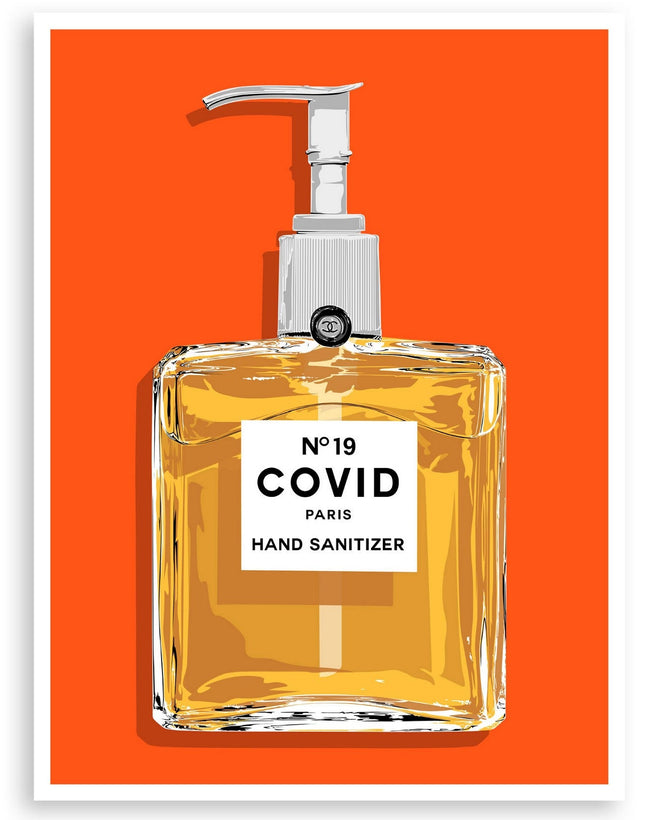
    Covid No 19- Orange Limited Edition Archival Pigment Print on 290gsm MOAB Fine Art Paper by Graffiti Pop Art and Street Artist Denial. 2021 Signed & Numbered Limited Edition of 19 Orange Covid19 Chanel Hand Sanitizer Virus Variant. Numbered, Signed, Stamped on Reverse Archival Pigment Print on MOAB Fine Art Paper 290 GSM Size 18" x 24" Denial’s COVID No. 19 Orange: Consumerism, Fear, and Satire in Street Pop Art Denial’s COVID No. 19 Orange exemplifies the collision of public crisis and luxury branding through the lens of Street Pop Art & Graffiti Artwork. Created in 2021 during the height of global pandemic anxiety, this 18 x 24 inch archival pigment print was produced on 290gsm MOAB fine art paper in a limited edition of 19. Each piece is hand-signed, numbered, and stamped on the reverse, reinforcing its exclusivity. At the center of the composition is a reimagined Chanel No. 5 perfume bottle, transformed into a hand sanitizer labeled COVID No. 19. Set against a bright orange background, the image invites immediate visual engagement while delivering sharp cultural critique. The bottle’s glassy elegance, chrome pump top, and minimalist white label echo the design cues of high-end fashion advertisements. Yet the label’s altered wording—replacing perfume with sanitizer, Paris with pandemic—twists the luxurious into the absurd. The reference to Chanel speaks to aspirations of sophistication and wealth, but Denial weaponizes that symbolism to comment on the commodification of fear. In this world, even a deadly virus is repackaged as a designer product. The hand sanitizer becomes a fashion accessory, fetishized through design while ignoring the broader human cost beneath its surface. Graffiti Logic Meets Capitalist Irony Denial, a Canadian street artist known for appropriating advertising language and luxury branding, uses graphic clarity and humor as a tool for subversion. His work often draws from corporate visual codes—clean typography, product rendering, billboard color schemes—but repurposes them with anti-capitalist intent. In COVID No. 19 Orange, the weapon of critique is the illusion of desirability. The orange backdrop evokes urgency and alertness, much like a hazard sign or emergency broadcast screen, while also standing in contrast to the cool minimalism of the bottle. The effect is both playful and jarring. This kind of satire aligns with graffiti’s traditional role as anti-establishment communication. While the piece itself is produced with fine art materials and gallery-grade printing methods, its message functions as cultural graffiti—tagging corporate aesthetics with disruptive truths. The slickness of the image mimics the very systems it critiques, blurring the line between participation and protest. Viewers are pulled into the illusion of glamour before recognizing its underlying emptiness. Street Pop Art as Pandemic-Era Social Commentary The use of the term COVID No. 19 instead of No. 5 cleverly mimics both pharmaceutical naming conventions and fashion industry branding. This linguistic mirroring is central to the piece’s impact, reinforcing how marketing language infiltrates even the most tragic aspects of public life. The pandemic is not just a health crisis—it’s rebranded, resold, and reimagined through consumer lenses. The art object, in this case, doubles as a time capsule for an era defined by both panic and product. COVID No. 19 Orange encapsulates the essence of Street Pop Art & Graffiti Artwork by leveraging familiar cultural symbols to confront uncomfortable realities. Denial does not paint the virus as a biological enemy but as a commodified spectacle. The artist’s reinterpretation of Chanel’s perfume bottle is more than parody—it is a declaration that even catastrophe can be co-opted into a luxury good. The work serves as both a critique of consumer culture and a mirror to the audience that consumes it, asking not just what we’re buying, but what’s being sold

    $313.00

  • Fashion Addict Rip Off Archival Skateboard Deck by Denial- Daniel Bombardier

    Denial- Daniel Bombardier Fashion Addict Rip Off Archival Skateboard Deck by Denial- Daniel Bombardier

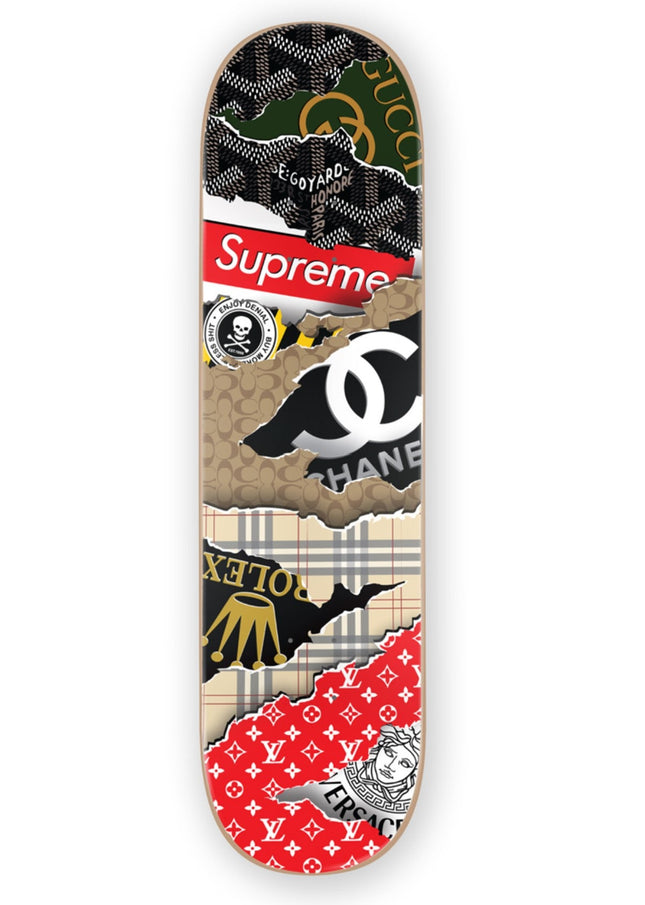
    Fashion Addict Rip Off Deck Fine Art Limited Edition Archival Pigment Print Transfer on Cold Pressed Steep Natural Skateboard Deck by Street Artwork Graffiti Artist Denial. 2021 Series of 50, Archival Pigment Print Transfer on Cold Pressed Steep Natural Skate Deck Size: 8 x 31.875 Inches Release: June 26, 2021 Fashion Addict Rip Off Deck by Denial: Street Pop Art Meets Luxury Irony Daniel Bombardier, known globally by his street name Denial, has carved a distinct position within contemporary Street Pop Art & Graffiti Artwork through bold commentary on consumerism, power, and branding. The 2021 Fashion Addict Rip Off Deck exemplifies this intersection by applying luxury symbolism onto an unexpected and subversive canvas: a cold pressed steep natural skateboard deck. This limited edition of 50 archival pigment print transfers, measuring 8 x 31.875 inches, released on June 26, 2021, is a direct and irreverent critique of fashion obsession and corporate idolization. By transferring iconic imagery onto a utilitarian object associated with rebellion and subculture, Denial transforms the deck into a sculptural artwork that challenges the hierarchy of high art and fashion. The Skateboard as a Graffiti Artwork Canvas Street Pop Art & Graffiti Artwork thrives on unpredictability, and Denial's use of a skateboard deck as a fine art substrate is both functional and symbolic. Skate culture, born from counterculture roots, has long rejected conventional consumer values, making it the perfect medium to host a commentary on fashion addiction. The smooth surface of the deck allows the archival pigment to render luxury-inspired visuals with sharp clarity while also contrasting with the raw, griptape-torn identity of its traditional purpose. As viewers engage with the piece, they are forced to reconcile the absurdity of a Goyard-like monogram on a surface that might never touch pavement. This tension is where Denial’s vision hits hardest. Subverting High Fashion Through Familiar Logos Denial’s artwork is known for its deliberate misuse of elite logos and advertising motifs. The Fashion Addict Rip Off Deck brings this strategy into a new physical form, channeling the energy of screen-printed political posters and consumer warping satire. Referencing the luxury aesthetic of French design house Goyard, the artwork features visual repetition, exaggerated branding, and flawless typographic mimicry. However, instead of glorifying the brand, it weaponizes it—offering viewers a dose of visual sarcasm on the absurd value placed on name recognition. The deck becomes a collector’s item not because of the brand it mocks, but because of the message it delivers. Denial's Voice in the Urban Art Conversation Daniel Bombardier has never shied away from directness in his Street Pop Art & Graffiti Artwork. This limited edition deck continues that trajectory by refusing to sanitize the relationship between identity and what we buy. Denial repurposes the iconography of elite consumer goods as a form of protest wrapped in humor and polished aesthetics. The Fashion Addict Rip Off Deck stands as a physical artifact that blends street expression, anti-capitalist sarcasm, and collectible design into one sharply executed artwork. As both an object and a message, it affirms the role of the artist as both designer and disruptor in the conversation surrounding modern visual culture.

    $590.00

Chanel Graffiti Street Pop Art

Chanel as a Symbol in Street Pop Art & Graffiti Artwork

Chanel, one of the most iconic names in global fashion, has become more than just a luxury brand. Its logo and visual language have found their way into the world of Street Pop Art & Graffiti Artwork, where artists reinterpret symbols of high fashion through urban expression. Founded by Gabrielle Chanel in France in the early twentieth century, the brand is known for its bold simplicity, modern elegance, and dominance in haute couture. As street artists have adopted and repurposed high fashion logos, Chanel’s signature double C emblem has emerged as a recurring visual motif that blends luxury aesthetics with raw urban narratives.

From Paris Runways to Concrete Walls

As the art world evolved during the late twentieth century, graffiti artists began referencing consumer symbols in their work. Chanel’s influence grew as luxury became more deeply associated with status, class, and aspiration. In this context, the Chanel logo started appearing in alleyways, on stickers, in posters, and on canvases layered with spray paint, ink, and screen printing. These artistic adaptations did not aim to sell fashion, but to critique or remix the meaning of the brand itself. In Street Pop Art & Graffiti Artwork, Chanel represents more than fashion—it becomes a symbol of power, privilege, femininity, rebellion, and transformation.

Recontextualizing High Fashion through Urban Art

Artists like Daniel Bombardier, known as Denial, have used Chanel’s iconography in limited edition works that confront the relationship between wealth culture and identity. Prints that incorporate the Chanel logo on unconventional mediums such as perforated blotter paper juxtapose elegance with the subversive, using humor and critique to highlight society’s obsession with branding. The repetition of the logo mimics advertising saturation, and when combined with elements from graffiti culture, the message becomes one of distortion and exposure. By placing Chanel within this visual landscape, artists draw attention to how luxury is packaged, consumed, and idolized.

The Duality of Style and Subversion

Chanel’s transition from runway dominance to a tool of street commentary underscores the duality embedded in modern visual culture. Street Pop Art & Graffiti Artwork thrives on remixing and appropriating powerful imagery, and Chanel’s instantly recognizable logo is fertile ground for that practice. Whether used to critique consumerism or celebrate the aesthetics of fashion, its presence in street art serves as a reminder of how deeply symbols can influence collective consciousness. Artists continue to draw from Chanel not simply to reference beauty or wealth, but to explore the meanings that emerge when high-end design meets everyday surfaces.

Footer image

© 2025 Sprayed Paint Art Collection,

    • Amazon
    • American Express
    • Apple Pay
    • Bancontact
    • Diners Club
    • Discover
    • Google Pay
    • iDEAL
    • Mastercard
    • PayPal
    • Shop Pay
    • Visa

    Login

    Forgot your password?

    Don't have an account yet?
    Create account