Cars Trucks Vans & Automobiles

10 artworks

  • Humboldt Park Chicago Silkscreen Print by Ian Ferguson- Hydeon

    Ian Ferguson- Hydeon Humboldt Park Chicago Silkscreen Print by Ian Ferguson- Hydeon

    Humboldt Park Chicago Silkscreen Print by Ian Ferguson- Hydeon 1-Color Hand-Pulled Limited Edition on Fine Art Paper Rare Street Art Famous Pop Artwork Artist. 2013 Signed & Numbered Limited Edition of 35 Artwork Size 16x20 Neighborhood Art Series by Ian Ferguson.  Humboldt Park Silkscreen Print by Ian Ferguson – Hydeon The Humboldt Park silkscreen print by Ian Ferguson, also known as Hydeon, is a masterful piece in the Neighborhood Art Series, showcasing the intricate and layered storytelling for which the artist is known. This one-color hand-pulled silkscreen print is a signed and numbered limited edition from 2013, measuring 16x20 inches on fine art paper. It represents a unique vision of Humboldt Park, one of Chicago’s most historically and culturally significant neighborhoods. Ferguson’s work blends architectural precision with surreal urban landscapes, capturing the vibrancy, energy, and layered history of the community through a composition filled with intricate details and symbolic elements. The Architectural and Cultural Essence of Humboldt Park Ferguson’s illustration style is deeply rooted in architectural line work, and this piece is no exception. Humboldt Park’s ornate buildings, historic facades, and bustling street scenes are carefully drawn with a high level of detail, reflecting the neighborhood’s diverse influences. The artwork brings together an array of visual motifs, including classic Chicago brick buildings, vintage automobiles, bicycles, and elements of the urban landscape that define the area’s character. The use of black and white enhances the structural complexity of the illustration, allowing each line to tell a story. Beyond its architectural depth, Humboldt Park is widely recognized for its cultural history, particularly its strong connection to Puerto Rican heritage and Latin American influences. Ferguson pays homage to this identity by incorporating imagery such as a mariachi musician, elements of Puerto Rican symbolism, and nods to the community’s long-standing contributions to Chicago’s street pop art & graffiti artwork. The piece blends these cultural elements with its urban setting, creating an evocative snapshot of a neighborhood filled with life and resilience. Surrealism and Symbolism in the Artwork A defining characteristic of Ferguson’s work is the interplay of realism and surrealism. In this print, seemingly familiar structures are reimagined in dreamlike ways—architecture floats among the clouds, structures merge into one another, and perspectives shift fluidly across the composition. The Humboldt Park lagoon is a focal point, drawn with reflections that add depth and a sense of movement. Meanwhile, griffin-like mythical creatures appear in the sky, reinforcing a sense of mystery and wonder, which is a signature of Ferguson’s work. The print also includes elements that hint at the neighborhood’s present and past—its food truck scene, vintage signage, public parks, and bustling street life. These details provide layers of meaning, allowing the viewer to explore different aspects of Humboldt Park’s identity. Ferguson’s ability to infuse narrative into his illustrations elevates this piece beyond mere documentation; it becomes an experience, a visual representation of a living, breathing urban environment. Hydeon’s Influence on Street Pop Art & Graffiti Artwork Ian Ferguson’s Neighborhood Art Series has established him as a leading figure in street pop art & graffiti artwork, offering an alternative to traditional muralism by using hand-pulled silkscreen techniques to create highly detailed urban narratives. Unlike large-scale street art that often relies on bright colors and broad strokes, Ferguson’s method focuses on intricate line work and layered storytelling. This approach aligns with the historical documentation of urban spaces, much like how early cartographers mapped cityscapes, but with a modern artistic twist. Through this series, Ferguson captures the soul of Chicago’s neighborhoods, transforming them into surreal, poetic compositions that resonate with residents and art collectors alike. The Humboldt Park silkscreen print is a tribute to the area’s resilience, history, and artistic energy, preserving its cultural identity through a limited edition, hand-pulled artwork that continues to inspire admiration within the street pop art & graffiti artwork community.

    $146.00

  • Back to the Future Glow Silkscreen Print by Tim Doyle

    Tim Doyle Back to the Future Glow Silkscreen Print by Tim Doyle

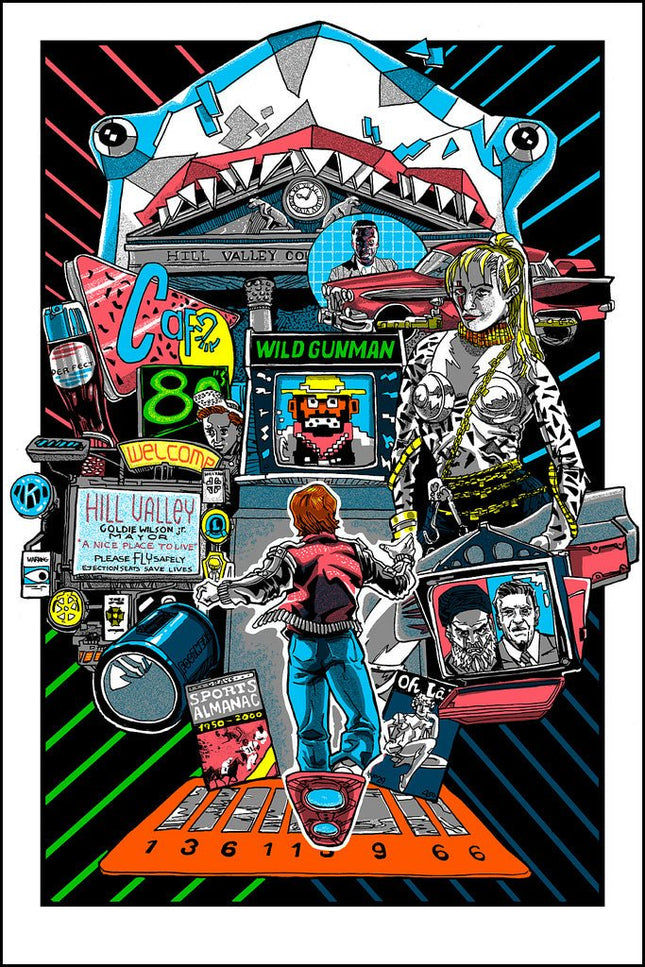
    Back to the Future- Glow Print Limited Edition 8-Color Hand-Pulled Silkscreen Print on 100lb Natual Cougar Cover stock by Artist Tim Doyle Modern Pop Art. 2015 Signed & Numbered Limited Edition of 150 III Artwork Size 16x24 Back to the Future, Movie, Man, Woman, Car, Shark, Fish, Wild Gunman, Time Travel, SciFi

    $236.00

  • Wicker Park Chicago Silkscreen Print by Ian Ferguson- Hydeon

    Ian Ferguson- Hydeon Wicker Park Chicago Silkscreen Print by Ian Ferguson- Hydeon

    Wicker Park Chicago Silkscreen Print by Ian Ferguson- Hydeon 1-Color Hand-Pulled Limited Edition on Fine Art Paper Rare Street Art Famous Pop Artwork Artist. 2013 Signed & Numbered Limited Edition of 35 Artwork Size 16x20 Neighborhood Art Series by Ian Ferguson. Wicker Park Silkscreen Print by Ian Ferguson – Hydeon The Wicker Park silkscreen print by Ian Ferguson, known artistically as Hydeon, is a striking representation of one of Chicago’s most iconic neighborhoods. This one-color hand-pulled limited edition silkscreen print from 2013, measuring 16x20 inches, captures the architectural and cultural vibrancy of Wicker Park through an intricate and surreal composition. As part of Ferguson’s Neighborhood Art Series, this piece blends detailed urban landscapes with elements of street pop art & graffiti artwork, offering a visually compelling exploration of the city. The Architectural Complexity of Wicker Park Wicker Park has long been known for its historic architecture, diverse creative community, and bustling streets, all of which are intricately depicted in Ferguson’s artwork. His highly detailed line work brings out the ornate features of vintage Chicago buildings, brownstones, and storefronts, creating a layered cityscape that feels alive with history and movement. The elevated Damen Blue Line train plays a central role in the composition, visually cutting through the print and grounding the neighborhood’s well-known connectivity to the broader Chicago landscape. Ferguson’s ability to meld perspective and scale results in an architectural collage that defies traditional linear space. Buildings appear to bend, streets converge at surreal angles, and the typography of “Wicker Park” integrates seamlessly into the structure of the print. This style recalls classic urban etchings, yet Ferguson’s interpretation includes surreal elements that make the neighborhood feel both familiar and dreamlike. Cultural References and Symbolism Beyond its architecture, Wicker Park has a rich cultural identity rooted in its music, art, and street scene, and Ferguson nods to these aspects through various visual motifs. The presence of a bicycle, vintage cars, and classic signage all serve as references to the neighborhood’s history and evolving subcultures. Ferguson’s choice to include the Rainbow Club sign further acknowledges the importance of local businesses in shaping Wicker Park’s creative landscape. The imagery also includes floating clouds, exaggerated depth, and layered urban elements, adding a dreamlike quality to the piece. The decision to use black and white emphasizes the depth of detail and creates a timeless effect, making it feel like an archival document of the neighborhood’s energy. Ferguson’s approach highlights both the reality and mythology of Wicker Park, turning it into a symbolic representation of urban creativity. The Influence of Ian Ferguson in Street Pop Art & Graffiti Artwork Ian Ferguson’s Neighborhood Art Series places him firmly within the street pop art & graffiti artwork movement, using silkscreen techniques to reinterpret the visual landscapes of major urban spaces. Unlike traditional mural-based street art, Ferguson’s work translates these urban narratives into limited-edition fine art prints, allowing collectors to engage with his interpretations on a more intimate scale. His work resonates with fans of both architectural illustration and urban surrealism, as he transforms familiar cityscapes into dynamic compositions filled with movement and storytelling. The Wicker Park silkscreen print serves as both a tribute to the neighborhood and an exploration of how cities evolve, making it a significant piece within Ferguson’s broader artistic practice. This print stands as a visual love letter to one of Chicago’s most iconic areas, preserving its cultural essence through a highly detailed and meticulously crafted artwork.

    $146.00

  • Torino Archival Print by Scott Listfield

    Scott Listfield Torino Archival Print by Scott Listfield

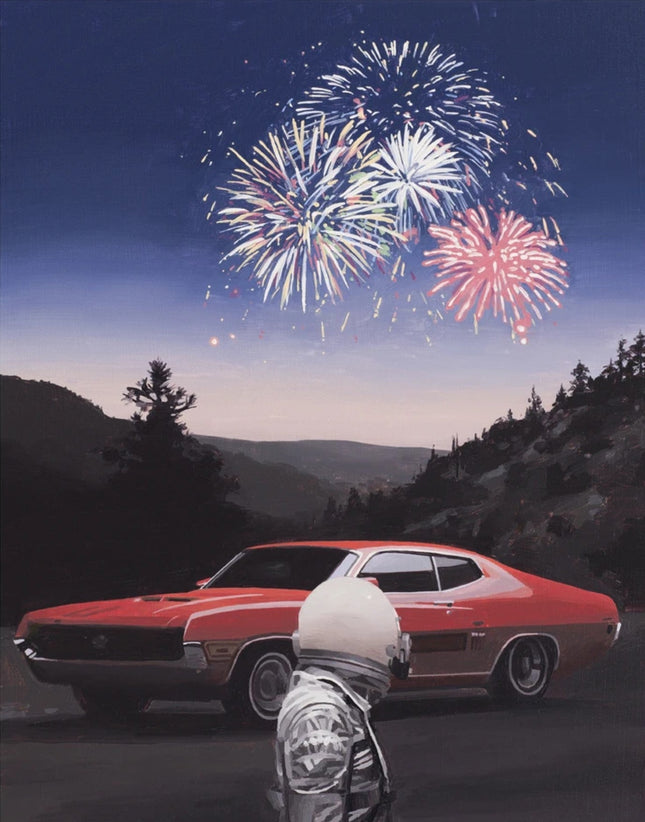
    Torino Limited Edition Archival Pigment Fine Art Prints on Fine Art Paper by Graffiti Street Art and Pop Culture Artist Scott Listfield. Artist: Scott Listfield Medium: Archival Pigment Print Edition of 100 Markings: Signed and Numbered by the Artist Dimensions: 16" x 20"

    $360.00

  • Logan Square Chicago Silkscreen Print by Ian Ferguson- Hydeon

    Ian Ferguson- Hydeon Logan Square Chicago Silkscreen Print by Ian Ferguson- Hydeon

    Logan Square Chicago Silkscreen Print by Ian Ferguson- Hydeon 1-Color Hand-Pulled Limited Edition on Fine Art Paper Rare Street Art Famous Pop Artwork Artist. 2013 Signed & Numbered Limited Edition of 35 Artwork Size 16x20 Neighborhood Art Series by Ian Ferguson. Logan Square Chicago Silkscreen Print by Ian Ferguson – Hydeon The Logan Square Chicago silkscreen print by Ian Ferguson, also known as Hydeon, is a stunning black-and-white hand-pulled, limited-edition print capturing the essence of one of Chicago’s most beloved neighborhoods. Created in 2013, this 16x20-inch silkscreen print is part of Ferguson’s Neighborhood Art Series, a collection that intricately showcases Chicago’s urban fabric through street pop art & graffiti artwork influences. As a signed and numbered limited edition of 35, this artwork highlights Ferguson’s talent in architectural illustration, surreal urban landscapes, and a deep appreciation for community spaces. Architectural and Natural Elements of Logan Square Logan Square is known for its historic greystones, boulevards, and cultural landmarks, all of which are woven into Ferguson’s print with exceptional attention to detail. The composition layers Victorian-style houses, churches, and apartment buildings, creating a dense and immersive cityscape. A defining feature is the Illinois Centennial Monument, a prominent obelisk in Logan Square’s center, which Ferguson has included among the layered urban imagery, emphasizing the neighborhood’s historical importance. Beyond its built environment, Logan Square is home to tree-lined streets, green spaces, and an active cycling culture, all of which find their way into Ferguson’s print. The inclusion of a bicycle, natural landscapes, and native birds adds a poetic contrast to the structured cityscape, reinforcing Logan Square’s balance between urban density and nature. Ferguson’s high-contrast, black-and-white illustration style amplifies the depth and complexity of the neighborhood’s visual identity. Symbolism and Surreal Elements in the Artwork While the print is deeply rooted in architectural realism, Ferguson’s approach includes surreal elements that push the piece beyond straightforward documentation. The gigantic owl, perched among the buildings, a majestic eagle, and a stylized cat add layers of narrative, making the cityscape feel alive. The inclusion of Chicago’s L train, vintage cars, and iconic signage connects Logan Square’s present-day identity to its rich past, reinforcing the historical evolution of the neighborhood. Ferguson’s use of floating typography spelling out "Logan Square" merges seamlessly into the built environment, making it an integral part of the composition rather than a separate textual element. This technique adds to the dynamic movement of the print, reflecting the energy of Logan Square’s ever-changing artistic and cultural scene. Ian Ferguson’s Contribution to Street Pop Art & Graffiti Artwork Ian Ferguson, working under the name Hydeon, has developed a distinctive monochromatic, highly detailed aesthetic that places him at the intersection of fine art, street pop art, and graffiti artwork. His Neighborhood Art Series, including prints of Wicker Park, Pilsen, and Humboldt Park, reflects a deep engagement with the architectural and cultural landscapes of urban environments. His ability to merge realism with a dreamlike quality makes his work both nostalgic and forward-looking. This Logan Square silkscreen print is a testament to Ferguson’s hand-drawn, print-based approach, preserving Chicago’s visual heritage in a way that is both deeply personal and widely accessible. His work resonates with collectors who appreciate urban storytelling, historic preservation, and artistic craftsmanship, solidifying his place within the contemporary street pop art & graffiti artwork movement.

    $146.00

  • TGIF V 20 Archival Canvas Print by Dave Pollot

    Dave Pollot TGIF V 20 Archival Canvas Print by Dave Pollot

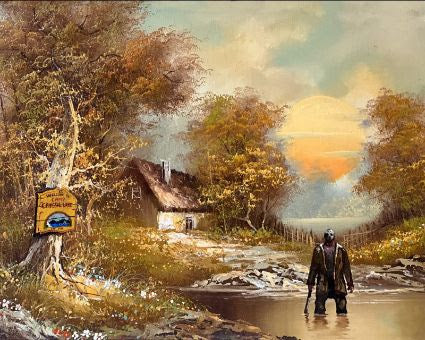
    TGIF V 20 Archival Print by Dave Pollot Limited Edition on PH Neutral 17mil Canvas Pop Graffiti Street Art Artist Modern Artwork. 2023 Signed & Numbered Print Limited Edition of 57 Artwork Size 16x20 Archival Pigment Fine Art on Canvas of the Jason from Horror Movie Friday the 13th in a Swamp TGIF V 20: Archival Print by Dave Pollot The TGIF V 20 archival print by Dave Pollot, released in 2023, represents a unique fusion of pop culture references, fine art techniques, and street pop art sensibilities. This limited edition artwork, signed and numbered by Pollot, is part of a series of just 57 prints. It is a 16x20 inch archival pigment print on pH-neutral 17mil canvas, which ensures its longevity and resistance to fading over time. The piece features the iconic character Jason Voorhees from the Friday the 13th horror movie franchise, depicted in a serene, almost pastoral swamp scene, blending the worlds of horror cinema and classical landscape painting. Pop Culture Meets Fine Art in TGIF V 20 Dave Pollot is known for his clever reimagining of traditional art, often incorporating pop culture icons and elements of contemporary media into classical or idyllic settings. TGIF V 20 is a prime example of this approach, as Pollot combines the menacing figure of Jason Voorhees with a tranquil countryside landscape. In this print, Jason stands ominously in a swamp, his iconic hockey mask reflecting the light of a distant sunset, as a small cottage nestles in the background, seemingly oblivious to the terror lurking nearby. Pollot's ability to juxtapose these two worlds — the horror of Friday the 13th and the peace of an idyllic countryside — creates a sense of unease and dark humor. The viewer is left to contemplate the absurdity of Jason, a figure of violence and fear, calmly existing in such a serene environment. This playful contradiction is a hallmark of street pop art, where familiar symbols are recontextualized in surprising and often ironic ways. By placing Jason in this unexpected setting, Pollot challenges our perceptions of the character and the setting, encouraging us to see them in a new light. The Influence of Graffiti and Street Pop Art Pollot's work, while rooted in traditional fine art techniques, is heavily influenced by the aesthetics and ethos of street pop art and graffiti. Street pop art is known for its bold use of color, incorporation of popular culture, and ability to challenge the boundaries between high and low art. In TGIF V 20, Pollot brings these elements together, using Jason as a mass culture symbol to disrupt classical landscape painting conventions. The texture and richness of the canvas, along with the vibrant yet balanced color palette, add to the visual impact of the piece. The scene, which might otherwise resemble a typical 19th-century landscape, is transformed by Jason's presence. The influence of graffiti and street art can be seen in how Pollot brings a sense of the urban and contemporary into the traditional. Jason, a figure from 1980s horror, becomes a modern-day interloper in a timeless setting, much like graffiti often disrupts the urban environment's aesthetic by introducing new, frequently controversial elements. Moreover, this print's hand-numbered, limited edition nature emphasizes the individuality and exclusivity often associated with street art, much like graffiti artists who mark their work with a signature or tag, Pollot signs, and numbers each print, ensuring that no two pieces are identical. This also ties into the street art philosophy of art being both public and personal, accessible yet unique. The Contrast of Horror and Pastoral Beauty At the heart of TGIF V 20 is the stark contrast between the horror genre and the peacefulness of the natural landscape. Jason, typically seen stalking victims through dark forests or deserted campsites, is instead placed in a setting that evokes warmth and nostalgia. The cottage in the background, illuminated by the soft glow of the setting sun, creates a comforting atmosphere that directly opposes the violent imagery often associated with Jason. This juxtaposition heightens the sense of unease as the viewer wonders how such a figure could belong in such a tranquil place. The piece's title, TGIF V 20, also plays into this contrast. While Friday the 13th is synonymous with bad luck and horror, the phrase "TGIF" typically conveys a sense of relief and the anticipation of a relaxing weekend. Pollot uses this duality to blur further the lines between fear and comfort, humor and horror. This layering of meaning is characteristic of street pop art, where multiple interpretations can coexist, and the viewer is encouraged to engage with the work on different levels. Pollot's decision to depict Jason in a swamp, as opposed to a more conventional horror setting, adds another layer of complexity to the piece. Swamps are often associated with decay, mystery, and hidden dangers, making them an ideal setting for Jason's brooding figure. At the same time, the way Pollot renders the scene — with soft brushstrokes, warm tones, and an overall sense of calm — makes the swamp appear almost inviting. This tension between beauty and menace is central to the appeal of the artwork, as it invites the viewer to question what lies beneath the surface. Dave Pollot's Modern Approach to Art and Pop Culture Dave Pollot's approach to art is rooted in the blending of high art and pop culture, a technique that has become a defining feature of modern street pop art. Pollot's background in classical painting techniques allows him to execute his works with precision. At the same time, his incorporation of familiar cultural icons adds a layer of accessibility and relevance to contemporary audiences. TGIF V 20 continues this tradition, as Pollot brings the world of horror movies into the refined setting of landscape painting. As a symbol of fear and violence, Jason Voorhees becomes a part of the natural world in Pollot's hands, suggesting that even the most terrifying aspects of our imagination have a place in the broader cultural landscape. By placing Jason in such a serene and picturesque setting, Pollot forces us to reconsider what we find beautiful and frightening. This merging of worlds is central to street pop art, where the familiar and the unexpected come together to create something entirely new. TGIF V 20 by Dave Pollot is a powerful example of how modern street pop art can challenge and expand our understanding of art and popular culture. Through his use of humor, contrast, and finely honed artistic technique, Pollot creates a visually striking and thought-provoking work, offering a fresh perspective on a familiar figure from horror cinema.

    $462.00

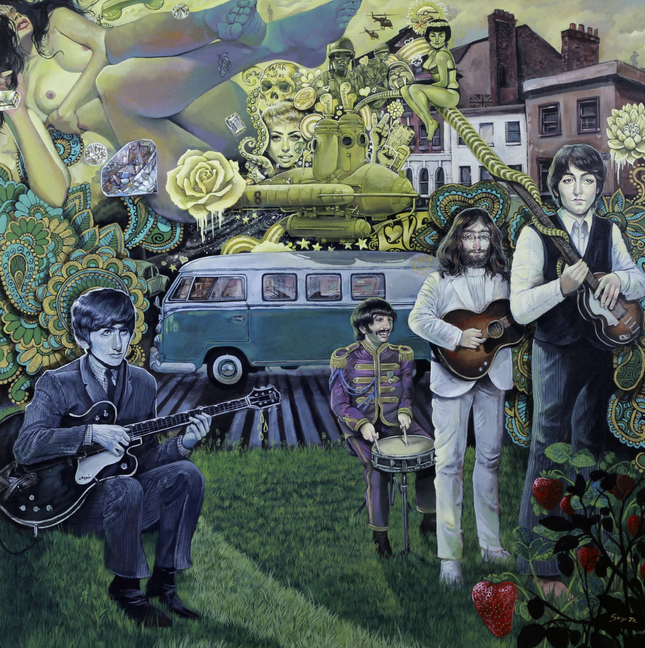
  • The Beatles Mystery of Love AP Giclee Print by Serge Gay Jr

    Serge Gay Jr The Beatles Mystery of Love AP Giclee Print by Serge Gay Jr

    The Beatles Mystery of Love AP Giclee Print by Serge Gay Jr Archival Pigment Fine Art Limited Edition Print on Fine Art Paper Pop Artist Modern Artwork. AP Artist Proof 2012 Signed & Marked AP Limited Edition Artwork Size 16x16 John Lennon, Paul McCartney, George Harrison, Ringo Starr of the mUsic Group The Beatles

    $246.00

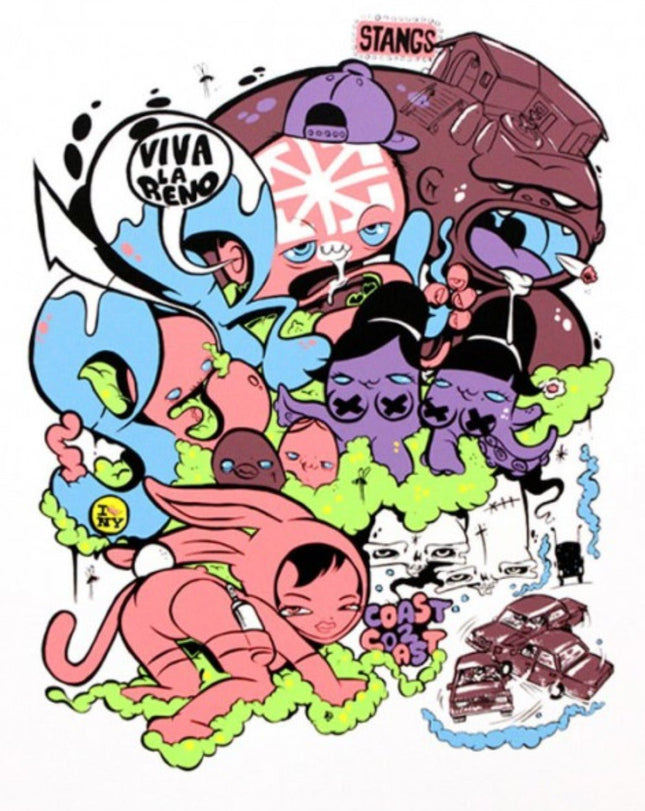
  • Put It In The Ditch, Brah! Silkscreen Print by Dave Persue

    Dave Persue Put It In The Ditch, Brah! Silkscreen Print by Dave Persue

    Put It In The Ditch, Brah! Limited Edition 8-Color Hand-Pulled Silkscreen Print on 140lb Fine Art Paper by Persue Graffiti Street Artist Modern Pop Art. 2016 Signed & Numbered Limited Edition of 85 Artwork Size 16x20 "Before we left California for the East Coast Rime told me to put some ideas together for our stop in Detroit and at the 1xRun headquarters. He wanted to introduce me to the guys and help push getting me to release a print. Because things were hectic before leaving I wasn’t able to get anything together. By the time I got to Chicago I still didn’t have anything. Rime, Mason and I had been through a few cities by then and were pretty tired. The night before our stop in Chicago we were in Nebraska. Nebraska was fucking nasty as all hell. It is where we hit a patch of black ice and did 4 huge 360 spins down the highway with semi trucks barreling down the highway behind us. All I could get out of my mouth was “Put it in the ditch man”! That became the quote for the rest of the trip." - Persue

    $352.00

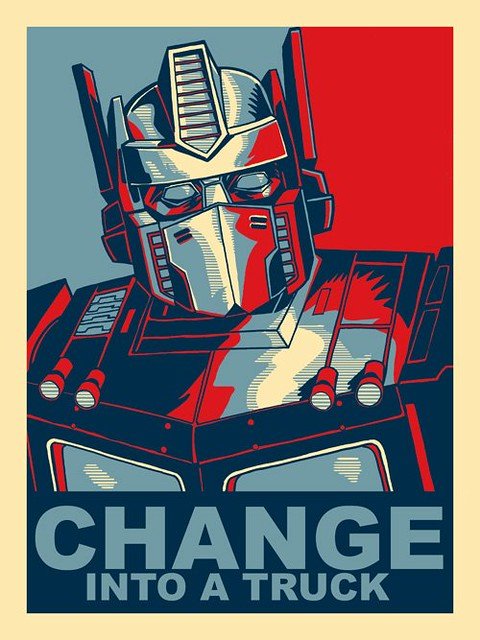
  • Change Into a Truck Silkscreen Print by Tim Doyle

    Tim Doyle Change Into a Truck Silkscreen Print by Tim Doyle

    Change Into a Truck Limited Edition 3-Color Hand-Pulled Ink Silkscreen Print on Fine Art Paper by Tim Doyle Graffiti Street Artist Modern Pop Art. Printing IX

    $229.00

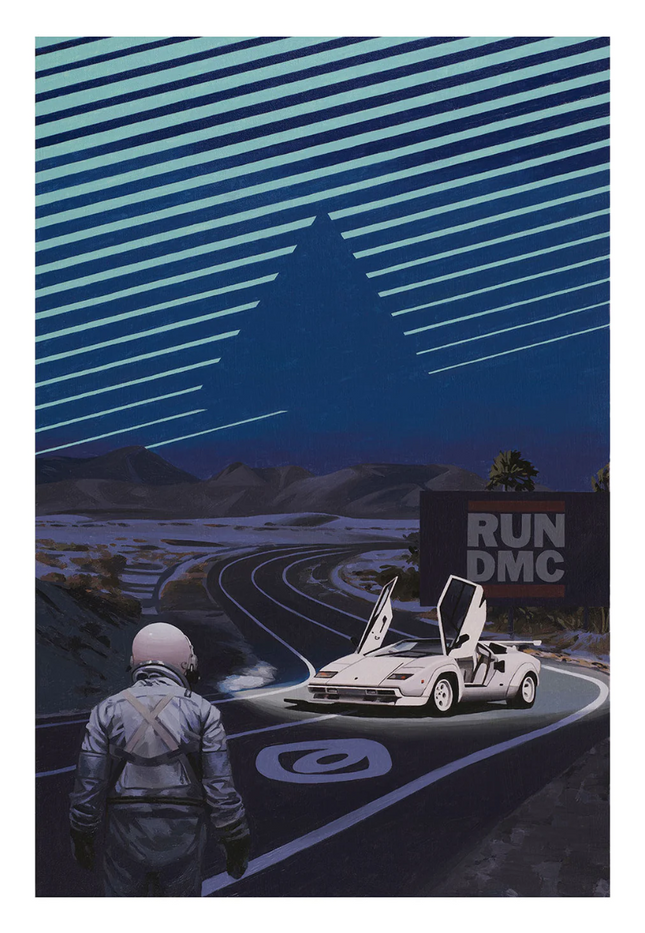
  • Its Like That PP Archival Print by Scott Listfield

    Scott Listfield Its Like That PP Archival Print by Scott Listfield

    Its Like That PP Printers Proof Archival Pigment Fine Art Limited Edition Print on Fine Art Paper by Artist Scott Listfield, Street Pop Art Graffiti Legend. PP #1 Printers Proof 2018 Signed & Marked PP Artwork Size 16x23 Scott Listfield is a contemporary American artist known for his iconic paintings of an astronaut exploring landscapes dominated by pop culture icons and references. Listfield's work is often associated with graffiti art prints and street art prints due to his use of urban and post-apocalyptic themes. His astronaut figure, who is often portrayed with a visor obscuring his face, has become an instantly recognizable symbol in the world of contemporary art.This archival-quality print features the iconic "Its Like That" artwork by Scott Listfield. It's printed on heavy paper with a semi-gloss finish that produces vibrant color. Get museum-grade quality with longevity that lasts up to 200 years. Be the envy of your friends with this Its Like That PP Archival Print by Scott Listfield. Professionally printed on high-grade archival paper for top-quality color and detail, this art print will surely be a showstopper. Bring a touch of sophistication to your wall decor today!

    $590.00

Cars Trucks Vans & Automobiles Graffiti Street Pop Art

The Intersection of Automobile Imagery in Street Pop Art and Graffiti Artwork

Street pop art and graffiti artwork have long been mediums for expressing cultural, political, and social ideas. Among the myriad subjects that find expression in these art forms, the depiction of automobiles - cars, trucks, vans - holds a special place. Beyond their practical utility, these vehicles embody the era's spirit, technological progress, and, sometimes, a sense of rebellion and freedom.

Cars and Trucks in Street Pop Art: Symbols of Modernity and Rebellion

The incorporation of cars and trucks in street pop art showcases vehicles and reflects societal attitudes and cultural phenomena. This art form often utilizes bold colors and striking, often satirical, imagery to challenge norms and critique society. In this context, cars can symbolize modernity, speed, and the relentless march of technology. For instance, the works of Keith Haring, an American artist known for his graffiti-inspired artwork, often included cars and other vehicles as symbols of movement and energy. Haring, who passed away in 1990, was adept at using such imagery to comment on societal issues. In contrast, trucks, often depicted in more rugged and robust forms, can represent the working class, resilience, and sometimes, a rugged individualism. These vehicles in Street Pop Art can be seen as metaphors for the journey, not just physically but also as a journey through life, challenges, and the societal landscape.

Vans in Graffiti Artwork: Canvases on Wheels

Graffiti artwork, with its roots in expressing underground and countercultural sentiments, finds a unique canvas in vans. These vehicles, often associated with subcultures, become moving artworks that carry messages across cities. Graffiti artists like Banksy, whose real name remains unconfirmed, have often utilized vehicles as part of their guerilla artwork tactics. These vans become symbols of rebellion, transporting not just goods but ideas and social commentary. The art on vans ranges from simple tags and messages to elaborate murals. They encapsulate a sense of freedom and nonconformity, resonating with the ethos of graffiti art. This transient and often illegal art form uses the van to symbolize defiance against traditional art forms and societal norms.

Automobiles in Art: Reflecting Cultural and Historical Contexts

The depiction of automobiles in Street Pop Art and Graffiti Artwork goes beyond mere representation. These vehicles, embedded in the art, reflect the cultural and historical contexts of the times. In periods of economic boom, cars in art might be depicted as symbols of affluence and progress. Conversely, these identical vehicles can be portrayed as emblems of decay and societal neglect during societal unrest or economic downturns. Artists like Jean-Michel Basquiat, an American artist of Haitian and Puerto Rican descent who died in 1988, often included cars in his neo-expressionist works. These vehicles served as symbols to comment on race, class, and social dichotomies. His use of cars and other vehicles was about their form and the underlying narratives they carried. The portrayal of cars, trucks, and vans in Street Pop Art and Graffiti Artwork is multifaceted. These vehicles are more than just modes of transportation; they are symbols laden with cultural, social, and political significance. Through the lenses of different artists and across various periods, these automobiles take on varied meanings and become powerful tools in the artistic expression of Street Pop Art and Graffiti Artwork.

Cultural Resonance of Classic Automobiles in Art

In the hands of street artists, classic cars are elevated from mere relics of the past to influential icons that evoke the golden age of automotive design. They serve as a canvas within a canvas, a motif that artists use to explore themes of Americana, consumerism, and the passage of time. This reverence for classic cars within street pop art and graffiti reflects a broader cultural appreciation, where these vehicles are often lovingly restored and showcased at events, drawing crowds and fostering communities. Similarly, they bridge generations in art, appealing to older enthusiasts who remember these vehicles in their heyday, and younger admirers are attracted to their retro charm.

Sports Cars Aesthetics and Symbolism

Sports cars have been a popular subject in both graffiti and pop art. Graffiti art often portrays sports cars in a dynamic and expressive style, while pop art takes a more stylized and colorful approach. Both art styles celebrate the beauty and speed of sports cars while commenting on society's fascination with material possessions and consumer culture. In graffiti art, sports cars are often depicted in motion, with dynamic lines and bold colors conveying a sense of speed and excitement. Graffiti artists may also incorporate elements of street culture, such as spray-painted tags or graffiti lettering, to create a sense of urban rebellion and subversion. In pop art, sports cars are typically portrayed as more stylized and colorful, with bright, eye-catching colors and exaggerated proportions. Pop artists like Andy Warhol and Roy Lichtenstein often used sports cars to symbolize consumer culture and the American Dream, commenting on how material possessions have become a marker of success and status. Both graffiti art and pop art offer unique and vibrant perspectives on the world of sports cars, highlighting the beauty, excitement, and cultural significance of these iconic vehicles. The visual appeal of classic cars lends itself well to street pop art's bold and impactful style. Artists often play with the cars' iconic designs, infusing them with exaggerated features or placing them in surreal contexts. This juxtaposition of the classic with the contemporary speaks to the enduring relevance of these automobiles. Moreover, the symbolism attached to classic cars—a sense of bygone elegance, the American dream, the freedom of mobility—resonates in urban environments where space is at a premium and such cars are rarely seen. By bringing these symbols into the public eye, artists contrast the modern cityscape, inviting contemplation on progress and change.

Classic Cars as Storytellers

Beyond their visual impact, classic cars in street pop art often tell a story. They can serve as a narrative device, setting the scene for a bygone era or hinting at a backstory for imagined characters. In some pieces, the cars are characters with personalities, rendered with anthropomorphic qualities that invite viewers to ascribe emotions and experiences to them. This personification of inanimate objects is a common technique in pop art, adding layers of meaning and engagement to the work. Through these depictions, classic cars become more than just transportation; they are protagonists in a visual tale unfolding on the city's walls. When integrated into street pop art and graffiti, classic cars often adopt the urban landscape's textures and colors. This blending anchors the cars within their new context, merging past and present. Artists might incorporate cityscape elements, such as architecture or street signs, into the background, framing the cars within a modern urban setting while preserving their historical aura. This integration showcases the artist's skill in combining disparate elements to create a cohesive and evocative piece. Ultimately, the incorporation of classic cars into street pop art is a reflection of society's relationship with its past and present. These artworks often evoke nostalgia, a yearning for a time when life seemed more straightforward and elegant. At the same time, by bringing these symbols of the past into a contemporary setting, artists remind viewers of the relentless march of time and the continuous evolution of culture. Classic cars in street pop art and graffiti are a testament to the human desire to remember and revere the past while continually moving forward. The inclusion of classic cars in street pop art and graffiti artworks is a multifaceted exploration of style, culture, and societal change. Through the lens of these revered automobiles, artists can express complex ideas and emotions, creating a dialogue with the viewer that transcends the visual experience. Whether as objects of beauty, symbols of a bygone era, or central characters in a narrative, classic cars will continue to inspire and captivate artists and audiences within the urban tapestry.

Footer image

© 2025 Sprayed Paint Art Collection,

    • Amazon
    • American Express
    • Apple Pay
    • Bancontact
    • Diners Club
    • Discover
    • Google Pay
    • iDEAL
    • Mastercard
    • PayPal
    • Shop Pay
    • Visa

    Login

    Forgot your password?

    Don't have an account yet?
    Create account