




Cryptik: Urban Calligraphy and Sacred Geometry in Street Pop Art & Graffiti Artwork
Cryptik is a California-based graffiti and street artist whose work has transformed public and gallery spaces into meditative portals through the fusion of sacred symbolism, ancient scripts, and contemporary street aesthetics. Known for merging influences from Eastern spirituality, religious iconography, and modern urban culture, Cryptik’s work invites viewers to reflect, not just react. His street-level interventions and fine art editions often incorporate sacred mantras and scripts rendered in custom calligraphy, drawing from Sanskrit, Arabic, Hebrew, and Tibetan languages. These elements are layered into hypnotic mandala structures and bold architectural patterns that are both calming and visually complex. Cryptik has gained international recognition for his ability to turn walls, canvases, and even currency into sacred relics, treating graffiti as a contemplative practice rather than a gesture of rebellion. His work functions as a visual meditation and speaks to a rising movement in Street Pop Art & Graffiti Artwork that centers mindfulness, ancestry, and cultural connectivity.
Spiritual Symbolism and Esoteric Typography
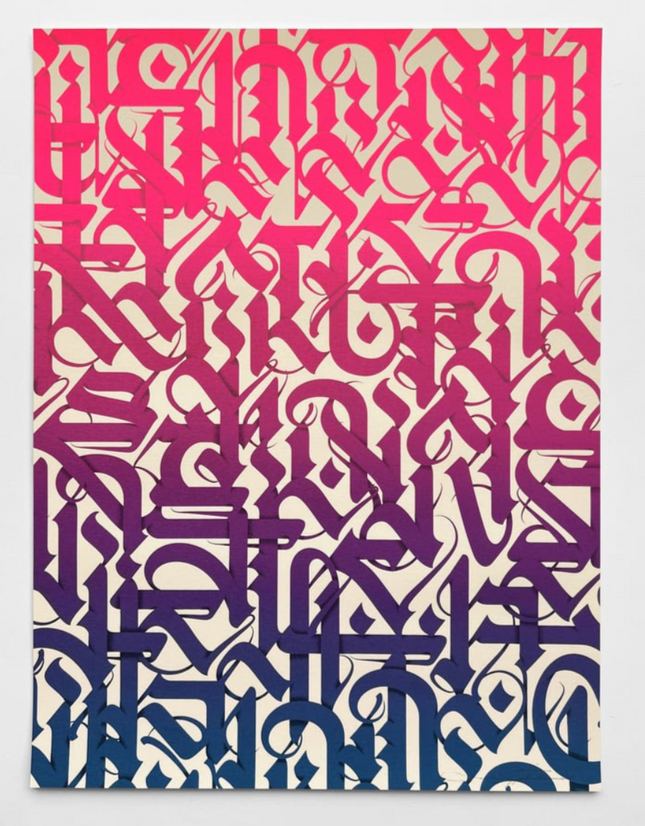
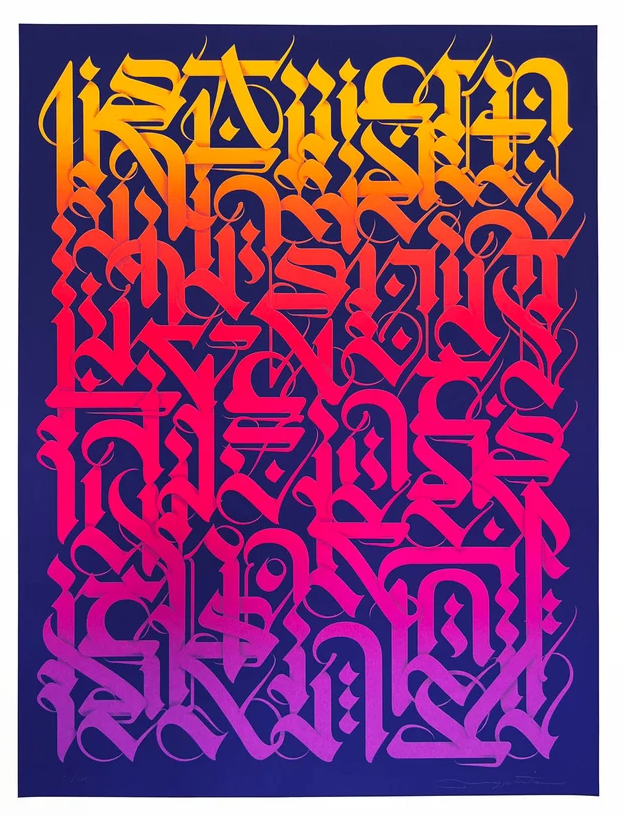
A defining feature of Cryptik’s artwork is his mastery of calligraphy and the symbolic integrity of his compositions. While many graffiti artists favor raw typographic gestures or flamboyant bubble letters, Cryptik developed his own typographic style inspired by sacred scripts and ancient geometry. His circular layouts and floral symmetry echo traditional Buddhist thangka paintings and Islamic arabesque patterns while maintaining a streetwise, contemporary sensibility. By integrating prayerful texts into spiraling mandalas or lotus patterns, Cryptik establishes an artistic vocabulary that resonates with a wide audience while preserving the cultural meaning behind each symbol. His glyph-like inscriptions are often unreadable to the casual observer but create a deeper resonance through their rhythm, flow, and intentional balance. In a graffiti context, this approach shifts the focus away from name-based tagging toward message and vibration.
Public Installations and Global Reach
Cryptik has painted murals and public works in cities around the world, including Los Angeles, Miami, New York, Paris, and Kathmandu. His public art often incorporates themes of peace, wisdom, and enlightenment, transforming neglected urban spaces into contemplative zones. These installations stand in contrast to commercial signage or politically charged graffiti, presenting instead an alternative vision of what street art can accomplish—an effort to elevate consciousness through aesthetics. He has also collaborated with cultural institutions and brands, yet continues to produce independent editions and hand-painted works that maintain artistic and spiritual integrity. His large-scale works have graced walls and gallery settings alike, expanding the possibilities of how Street Pop Art & Graffiti Artwork can function as both ritual and resistance.
Cryptik Movement and Artistic Intent
The artist often signs his pieces not only with his name but with the phrase Cryptik Movement, a term that reflects his desire to create a cultural shift through art. Rather than seeking fame or recognition, he uses his platform to cultivate awareness and inner reflection. This movement is not exclusive to his solo practice, as his imagery and philosophies have inspired a new generation of artists working at the convergence of street art, sacred art, and decolonial aesthetics. Cryptik’s contribution to Street Pop Art & Graffiti Artwork lies in his ability to collapse the division between the spiritual and the urban, encouraging viewers to contemplate impermanence, intention, and interconnectedness through each intricately painted surface. His work does not demand attention through volume or violence but earns it through reverence and craft.